
Diabetes
All Diabetes

Diabetes
Diabetes
Diabetes - The path to understanding diabetes starts here. No matter where you are in your fight, here’s where you need to be. Whether you’ve been newly diagnosed, have been fighting against type 1 or type 2 diabetes for a while, or are helping a loved one, you’ve come to the right place. This is the start of gaining a deeper understanding of how you can live a healthier life—with all the tools, health tips, and food ideas you need. Wherever you’re at with your diabetes, know that you have options and that you don’t have to be held back. You can still live your best life. All you have to do is take action and stick with it. New to diabetes? Learn how diabetes is diagnosed. Understanding Type 1 Here’s what you need to know about type 1 diabetes. Type 1 diabetes occurs at every age and in people of every race, shape, and size. There is no shame in having it, and you have a community of people ready to support you. Learning as much as you can about it and working closely with your diabetes care team can give you everything you need to thrive. In type 1 diabetes, the body does not produce insulin. The body breaks down the carbohydrates you eat into blood glucose (blood sugar) that it uses for energy—and insulin is a hormone that the body needs to get glucose from the bloodstream into the cells of the body. With the help of insulin therapy and other treatments, everyone can learn to manage their condition and live long, healthy lives. Remember: this is a condition that can be managed. By living a healthy lifestyle filled with exercise and proper diet, you can live a normal life and do everything you set out to do. Read More on Type 1 What is Type 1 Diabetes? When you have type 1 diabetes, your immune system mistakenly treats the beta cells in your pancreas that create insulin as foreign invaders and destroys them. When enough beta cells are destroyed, your pancreas can’t make insulin or makes so little of it that you need to take insulin to live. Insulin is a hormone that helps blood glucose (blood sugar) enter your body’s cells so that it can be used as energy. If you have diabetes, blood glucose can’t enter your cells so it builds up in your bloodstream. This causes high blood glucose ( hyperglycemia ). Over time, high blood glucose harms your body and can lead to diabetes-related complications if not treated. Most of the time, type 1 diabetes is diagnosed in young people, but it can develop in anyone at any age. Scientists and researchers today aren’t sure how to prevent type 1 diabetes or what triggers it. If you have type 1 diabetes, you can live a long, healthy life by having a strong support system and managing it with your diabetes care team . The treatment plan you develop with your diabetes care team will include insulin, physical activity, and an eating plan to reach your health goals. Type 1 Diabetes Symptoms If you or your child have the following symptoms of diabetes, let your health care provider know. Symptoms include: Urinating often Feeling very thirsty Feeling very hungry—even though you are eating Extreme fatigue Blurry vision Cuts/bruises that are slow to heal Weight loss—even though you are eating more It’s important to know when you first develop type 1 diabetes, you may not have any symptoms at all. Children with Type 1 Diabetes Adults with Type 1 Diabetes Learning Your Risk for Type 1 Diabetes Why Learning Your Risk Helps Children with type 1 diabetes will usually have the symptoms listed above. If your child is potty-trained without issues at night starts having accidents and wetting the bed again, diabetes might be the reason. Even though it’s easy to diagnose a child with diabetes by checking their blood glucose at the doctor’s office or emergency room, the tricky part is recognizing the symptoms and knowing to take your child to get checked. If you’re a parent, it’s important to know that young children, including infants, can develop type 1 diabetes. Sometimes children can be in diabetic ketoacidosis (DKA) when they are diagnosed with diabetes. When there is a lack of insulin in the body, high levels of an acid called ketones can build up. DKA is a medical emergency that usually requires hospitalization and immediate care with insulin and IV fluids. Understanding Type 2 Diabetes Type 2 diabetes is the most common form of diabetes—and it means that your body doesn’t use insulin properly. And while some people can control their blood glucose levels with healthy eating and exercise, others may need medication or insulin to help manage it. Regardless, you have options—and we're here with the tools, resources, and support you need. A key part of managing type 2 diabetes is maintaining a healthy diet. You need to eat something sustainable that helps you feel better and still makes you feel happy and fed. Remember, it’s a process. Work to find helpful tips and diet plans that best suit your lifestyle—and how you can make your nutritional intake work the hardest for you. Fitness is another key to managing type 2. And the good news, all you have to do is get moving. The key is to find activities you love and do them as often as you can. No matter how fit you are, a little activity every day can help you put yourself in charge of your life. Read More on Type 2 Symptoms of Type 2 Diabetes The following symptoms of diabetes are typical. However, some people with type 2 diabetes have symptoms so mild that they go unnoticed. Common symptoms of diabetes: Urinating often Feeling very thirsty Feeling very hungry—even though you are eating Extreme fatigue Blurry vision Cuts/bruises that are slow to heal Tingling, pain, or numbness in the hands/feet Early detection and treatment of diabetes can decrease the risk of developing the complications of diabetes . Although there are many similarities between type 1 and type 2 diabetes, the cause of each is very different. And the treatment is usually quite different, too. Some people, especially adults who are newly diagnosed with type 1 diabetes, may have symptoms similar to type 2 diabetes and this overlap between types can be confusing. Take our Risk Test to find out if you are at increased risk for having type 2 diabetes. Maybe it’s a different type If you or someone you know is diagnosed with type 2 diabetes but isn’t responding well to the typical treatments for type 2 diabetes, it may be worth a visit to an endocrinologist to determine what type of diabetes is happening. Generally, this requires antibody tests and possibly the measurement of a C-peptide level. Gestational diabetes Women with gestational diabetes often have no symptoms, which is why it's important for at-risk women to be tested at the proper time during pregnancy. Learn more about Gestational Diabetes Symptoms of diabetes complications Have you already been diagnosed with diabetes but are concerned about symptoms that may be the result of complications related to diabetes? Learn more about diabetes complications Understanding Gestational Diabetes Gestational diabetes can be a scary diagnosis, but like other forms of diabetes, it’s one that you can manage. It doesn’t mean that you had diabetes before you conceived or that you will have diabetes after you give birth. It means that, by working with your doctor, you can have a healthy pregnancy and a healthy baby. No matter what, know that you have all the support you need for both you and your baby to be at your best. We don’t know what causes gestational diabetes, but we know that you are not alone. It happens to millions of women. We do know that the placenta supports the baby as it grows. Sometimes, these hormones also block the action of the mother’s insulin to her body and it causes a problem called insulin resistance. This insulin resistance makes it hard for the mother’s body to use insulin. And this means that she may need up to three times as much insulin to compensate. The key to treating it is to act quickly—as treatable as it is, gestational diabetes can hurt you and your baby. Work with your doctor to keep your blood glucose levels normal, through special meal plans and regular physical activity. Your treatment may also include daily blood glucose testing and insulin injections. Read More on Gestational Diabetes Understanding Diabetes from Other Causes In addition to type 1, type 2, and gestational diabetes, a small minority of people develop specific types of diabetes due to other causes. This includes: Monogenic diabetes syndromes, such as neonatal diabetes and maturity-onset diabetes of the young (MODY) Diseases of the exocrine pancreas, such as cystic fibrosis and pancreatitis Drug or chemical-induced diabetes, such as with glucocorticoid use, in the treatment of HIV/AIDS or after organ transplantation Because these types of diabetes are rare, they are often misdiagnosed as other types of diabetes. You can learn more about these types of diabetes in the Classification and Diagnosis of Diabetes section in the Standards of Medical Care in Diabetes . If you think you might have one of these types, be sure to talk with your doctor. More on Diabetes from Other Causes Understanding Prediabetes When it comes to prediabetes, there are no clear symptoms—so you may have it and not know it. Here’s why that’s important: before people develop type 2 diabetes, they almost always have prediabetes—blood glucose levels that are higher than normal but not yet high enough to be diagnosed as diabetes. You may have some of the symptoms of diabetes or even some of the complications. Regardless, check with your doctor and get tested. If you discover that you do have prediabetes, remember that it doesn’t mean you’ll develop type 2, particularly if you follow a treatment plan and a diet and exercise routine. Even small changes can have a huge impact on managing diabetes or preventing it all together—so get to a doctor today and get tested. Read More on Prediabetes Loved Ones Hearing that your child or loved one has diabetes can be a shock. But after that shock wears off, know that there are plenty of things you can do to help manage their diabetes. With planning and preparation, you can get back to normal life and resume your daily activities. You can make physical activity part of every day. You can create a balanced diet for your child—one that everyone can live with and thrive on. Throughout it all, know that diabetes can’t keep your child from doing whatever they want and achieve their highest goals. There are Olympic athletes with diabetes, as well as professional football players, politicians, actors, rock stars, and CEOs. So, take a deep breath. You can do so much to make sure the people you love are thriving as they manage their diabetes. Our Safe at School® campaign ensures that the diabetes management needs of students are met so your children are healthy and safe when they are at school. By working as a team, families, health care providers, and school staff work to monitor blood glucose and administer insulin. In addition to that, we can help ensure that all students have trained staff on hand who can recognize and treat high and low blood glucose and administer emergency glucagon . Information for Loved Ones We’re here to help. Genetics of Diabetes Read more Diabetes Symptoms Read more Nutrition Community Connection Easily find the diabetes program or resources in your area you've been looking for. Search for almost anything from medical care to education, to nutrition and health. Find resources in every zip code so you can get the help you need wherever you are. Find help: https://diabetes.findhelp.com/ Calling All Professionals The American Diabetes Association (ADA) convened leading experts, including endocrinologists, researchers, primary care professionals, certified diabetes care and education specialists, and mental health professionals, to understand opportunities and roadblocks to type 1 diabetes screening and awareness. The outcome of this roundtable is a report that outlines the discussion and potential opportunities for future direction. The report does not necessarily reflect official guidelines or recommendations from the American Diabetes Association or other participating organizations. Download Now The Honeymoon Phase Some people with type 1 diabetes have a "honeymoon" period, a brief period of time where your body is producing enough insulin to lower blood glucose levels. The honeymoon phase usually happens after you start taking insulin and you may not need as much to manage your blood glucose. Work with your diabetes care team for treatment and care to avoid complications like hypoglycemia . A honeymoon period can last as little as a week or even up to a year. It’s important to know that the absence of symptoms doesn't mean the diabetes is gone. The pancreas will eventually be unable to make enough insulin, and, if untreated, the symptoms will return. Is it Possible You Don't Have Type 2 Diabetes If you or someone you know is diagnosed with type 2 diabetes but isn’t able to manage it with the typical treatments for type 2 diabetes, it may be worth a visit to an endocrinologist to verify what type of diabetes you have. Generally, this requires antibody tests and possibly the measurement of a C-peptide level. It is important to be sure that your diagnosis is correct because that will determine your treatment plan, allowing you manage your diabetes and prevent its complications. Resources for Living with Type 1 Diabetes Whether you’ve lived with diabetes for a long time, are newly diagnosed, or a caregiver, we have the resources to help you learn about how to navigate life with type 1. Learn More People with Diabetes - Nutrition Having diabetes doesn’t mean giving up all your favorite foods, it’s about modifying what you love to fit your new lifestyle and help you manage diabetes. Learn More People with Diabetes - Physical Activity Staying physically active will help you manage your diabetes, improve your mood, and lower your risk for complications. Learn More People with Diabetes - Diabetes Food Hub® Access thousands of free diabetes-friendly recipes for all meals, occasions, and dietary restrictions—plus nutrition articles that answer common questions people have about eating with diabetes. Learn More Advocacy - Safe at School® This program helps to ensure children with diabetes receive the care they need at school. Learn More People with Diabetes - Healthy Living e-newsletter Sign up to receive diabetes-friendly recipes, articles, and more resources delivered directly to your email inbox every month. Learn More Health Care Professionals - Mental Health Resource Screening for diabetes has a significant emotional and mental health toll. These resources can help you offer support to people you treat and their families. Learn More Health Care Professionals - Diagnosis and Classification of Type 1 Diabetes Read our Standards of Care in Diabetes—2024 recommendations on type 1 diabetes screening and diagnosis. Learn More Health Care Professionals - Prevention or Delay of Diabetes Read Standards of Care in Diabetes recommendations on interventions to delay type 1 diabetes. Learn More Health Care Professionals - Infographics These documents provide at-a-glance guidance for type 1 diabetes screening based on the Standards of Care in Diabetes . Learn More Health Care Professionals - Latest Innovations and Treatments in Type 1 Diabetes Earn free CE credit in the Institute of Learning. Learn More Health Care Professionals - School Nurse Resources School nurses play an important role for students with type 1 diabetes and their caregivers. Training resources are available. Learn More Information specialists at the Center for Information are your personal guides to information on diabetes, donation inquiries, as well as American Diabetes Association programs and events. 1-800-DIABETES ( 1-800-342-2383 ). Additional Information American Diabetes Association 2451 Crystal Drive, Suite 900, Arlington, VA 22202 For donations by mail: P.O. Box 7023, Merrifield, VA 22116-7023 Call, Email, Chat: Center for Information , Monday to Friday, 9:00 AM–5:30 PM ET askada@diabetes.org 1-800-DIABETES , (800-342-2383) Navigation About Us Who We Are Annual Reports Board of Directors Executive Team 85 Years of Impact Supporting Partners Research Careers Newsroom Supplier Portal Ways to Contribute Volunteer Fundraise Ways to Give Find Your Local Chapter Learn About Clinical Trials Programs and Initiatives More ADA Sites DiabetesFoodHub.org ShopDiabetes.org Professional.Diabetes.org ConsumerGuide.Diabetes.org About Diabetes Life with Diabetes Health & Wellness Food & Nutrition Tools & Resources Advocacy Source: https://diabetes.org/
Diabetes Complications
Diabetes
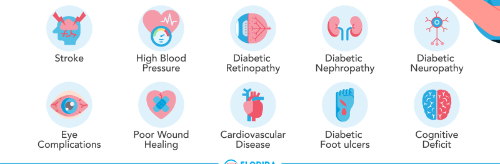
Diabetes Complications What you need to know about diabetes complications. Let’s Get Serious About Diabetes Diabetes can lead to severe, and in some cases, life-threatening complications. But you can lower your risk of diabetes-related complications like heart, kidney, and eye disease, as well as nerve damage by making healthy lifestyle changes, knowing the warning signs, and attending regular visits with your health care provider. Expand each of the complications below to learn more about them. Diabetes Complications Explained Diabetes increases your risk for many serious health problems. The good news? With the correct treatment and recommended lifestyle changes, many people with diabetes are able to prevent or delay the onset of complications. Cardiovascular Disease Cardiovascular disease (CVD) is the leading cause of death in people living with diabetes. But, with a healthy lifestyle that includes exercise and an eating plan, you can reduce your CVD risk and other complications. Learn more about CVD Chronic Kidney Disease Diabetes is the leading cause of chronic kidney disease (CKD). Factors including, genetics, blood glucose (blood sugar) management, and blood pressure affect your risk of developing CKD. Explore ways to prevent the onset of CKD or slow its progression. Learn more about CKD Diabetes-Related Eye Disease Diabetes is the leading cause of new cases of blindness in working age adults. Learn how routine comprehensive eye exams can provide early detection and prevent or delay vision loss and other valuable information to help avoid diabetes-related eye disease. Learn more about eye disease Neuropathy Neuropathy (or nerve damage) affects about half of all people with diabetes. But keeping your blood glucose (blood sugar) levels on target is your best line of defense to keep it at bay. Learn about the different neuropathy types so you’ll know what symptoms to look for and what to discuss with your health care provider to prevent, delay, or manage this condition. Learn more about neuropathy Foot Complications Diabetes can lead to nerve damage, reduced circulation, and even limb loss. You can lower your risk for serious foot complications by taking care of your feet, managing your diabetes, and talking to your doctor if you notice problems with your feet. Learn more about foot complications Skin Complications Diabetes can impact the body’s largest organ—your skin. But if caught early, most skin conditions can be prevented or easily treated. Learn ways to take care of your skin and about the different types of diabetes-related skin conditions so you know what to discuss with your health care team. Learn more about skin complications Oral Complications If you have diabetes, you’re at higher risk for both gingivitis (early-stage gum disease) and periodontitis (advanced gum disease). You can prevent or reduce your risk for gum disease and other oral complications by taking care of your oral health at home and by getting routine checkups with a dentist or periodontist. Learn more about oral complications Hearing Loss Hearing loss is twice as common in people with diabetes as it is in those who don't have diabetes. For people with prediabetes, the rate of hearing loss is 30 percent higher than in those with normal blood glucose (blood sugar). Learn the signs and what action you should take if you suspect hearing loss. Learn more about hearing loss. Diabetic Ketoacidosis Diabetic ketoacidosis (DKA) is a life-threatening condition caused by an overload of ketones—a chemical that develops when your body breaks down fat to use for energy. Learn how you can prevent DKA by knowing the warning signs. Learn more about DKA. Stroke If you have diabetes, your chances of having a stroke are twice as high than in people without diabetes. But you can lower your risk of having a stroke with healthy lifestyle changes and by managing your blood pressure, blood glucose (blood sugar), and cholesterol. Learn more about stroke risk and prevention, including warning signs and treatments. Learn more about stroke. Source: https://diabetes.org/about-diabetes/complications
Diabetes Prevention
Diabetes
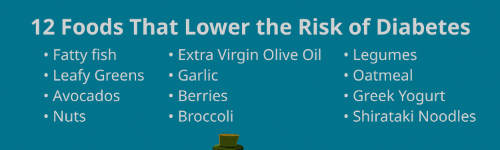
Diabetes Prevention Get smart about risks and diabetes prevention. Diabetes prevention is crucial for building healthier communities and reducing the burden of chronic disease. Preventing diabetes improves an individual’s wellbeing, reduces health care costs, and lessens the strain on medical resources. National Diabetes Prevention Program Without active intervention through lifestyle changes, including alterations to exercise and nutrition, prediabetes often progresses to type 2 diabetes. By promoting education, early screening, and lifestyle changes, we can empower people to improve their health and prevent complications like heart disease, kidney failure, and vision loss. Investing in prevention today leads to stronger, healthier communities for the future. Early intervention is the first step on a path to prevent or delay the onset of type 2 diabetes. Learn more about the National DPP Organizations Can Help Prevent Diabetes and Build Healthier Communities The American Diabetes Association (ADA) works to prevent diabetes by connecting at-risk individuals to Centers for Disease Control and Prevention (CDC)-recognized National Diabetes Prevention Program (National DPP) lifestyle change programs uniting public and private organizations to drive nationwide type 2 diabetes prevention efforts. Learn how organizations can help Need reasons to quit? Smoking reduces the amount of oxygen that reaches your organs and can cause high blood pressure, unhealthy cholesterol, heart attacks and strokes. Get Tips on Quitting High blood pressure If you have high blood pressure, you're not alone; it affects nearly one in three American adults. You may need medication to get it under control. Find Out More The diabetes-cancer link Researchers are exploring the link between type 2 diabetes and certain cancers. The two share some risk factors, such as age, gender and ethnicity, and lifestyle factors. Learn About the Link We're here to help Source: https://diabetes.org/about-diabetes/diabetes-prevention
Prediabetes
Diabetes
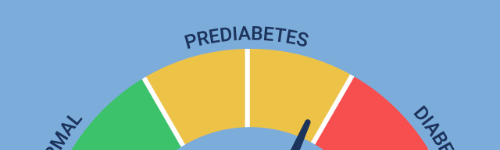
Prediabetes If you’ve been diagnosed with prediabetes, we know that can feel like a lot—like your life has changed and you’ll never be “normal” again. But know that that isn’t the case. With prediabetes, action is the best medicine. You have the power to change things. Over 115 million Americans have prediabetes and 80% of them don’t know it. For some people with prediabetes, early treatment as well as moderate lifestyle changes can actually return blood glucose (blood sugar) levels to a normal range, effectively preventing or delaying type 2 diabetes . What it Means and What You Can Do There are no clear symptoms of prediabetes so you may have it and not know it. But before people develop type 2 diabetes, they almost always have prediabetes—where blood glucose levels are higher than normal but not yet high enough to be diagnosed as diabetes. It is possible that you may have some of the symptoms of diabetes or even some of the complications. If you think you may have diabetes or prediabetes, check with your doctor and get tested. If you discover that you do have prediabetes, remember that it doesn’t mean you’ll develop type 2, particularly if you follow a treatment plan and make changes to your lifestyle through food choices and physical activity. Even small changes can have a huge impact on delaying or preventing diabetes all together. Work with your health care team to make a plan that works for your lifestyle, or look for a Centers for Disease Control and Prevention (CDC)-recognized lifestyle change program, guided by a lifestyle coach trained to use a CDC-approved curriculum, where you will meet other people who are working to prevent diabetes. Learn More About Preventing Diabetes Lifestyle Change Programs A CDC-recognized lifestyle change program could cut your risk of developing type 2 diabetes in half. Learn More Build a Healthier Future With prediabetes, there are simple steps you can take to change things, such as adapting your food choices and increasing your daily physical activity to lose weight, if needed. Eat To Win, Every Day Move To Feel Better We’re here to help. Source: https://diabetes.org/about-diabetes/prediabetes
Understanding A1C
Diabetes
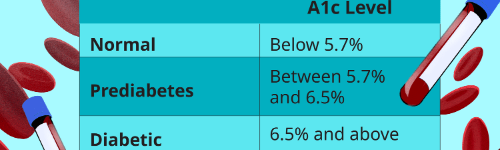
Understanding A1C What Is the A1C Test? The A1C test can be used to diagnose diabetes or help you know how your treatment plan is working by giving you a picture of your average blood glucose (blood sugar) over the past two to three months. How Does the A1C Test Work? It can identify prediabetes , which raises your risk for diabetes. It can be used to diagnose diabetes . And it's used to monitor how well your diabetes treatment is working over time. It's also a critical step in forming your game plan to manage diabetes with your diabetes care team. The big picture: monitoring treatment This relatively simple blood test can tell you a lot. The test results give you a picture of your average blood glucose (blood sugar) level over the past two to three months. The higher the levels, the greater your risk of developing diabetes complications. Your doctor will tell you how often you need the A1C test, but usually you’ll have the test at least twice a year if you’re meeting your treatment goals. If you're not meeting your goals or you change treatments, you may need to get an A1C test more often. Stay Informed Sign up for the Healthy Living e-newsletter to receive the latest resources on how to thrive with diabetes. Subscribe Interpreting Your A1C Results So, what do the numbers mean? When it comes to the numbers, there's no one-size-fits-all target. A1C target levels can vary by each person's age and other factors, and your target may be different from someone else's. The goal for most adults with diabetes is an A1C that is less than 7%. A1C test results are reported as a percentage. The higher the percentage, the higher your blood glucose levels over the past two to three months. The A1C test can also be used for diagnosis, based on the following guidelines: If your A1C level is between 5.7 and less than 6.5%, your levels have been in the prediabetes range. If you have an A1C level of 6.5% or higher, your levels were in the diabetes range. Finally: A1C is also reported as ‘estimated average glucose, ’ or eAG Another term you may come across when finding out your A1C is eAG. Your doctor might report your A1C results as eAG. eAG is similar to what you see when monitoring your blood glucose at home on your meter. However, because you are more likely to check your blood glucose in the morning and before meals, your meter readings will likely be lower than your eAG. A1C eAG % mg/dL mmol/L 6 126 7.0 6.5 140 7.8 7 154 8.6 7.5 169 9.4 8 183 10.1 8.5 197 10.9 9 212 11.8 9.5 226 12.6 10 240 13.4 Comparison of A1C and eAG meter readings More about A1C and eAG Learn how diabetes is diagnosed Source: https://diabetes.org/about-diabetes/a1c
Understanding Type 1 Diabetes
Diabetes
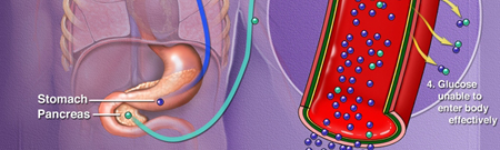
Understanding Type 1 Diabetes Type 1 diabetes is an autoimmune disease. Testing, coupled with education about diabetes symptoms and close follow-up, has been shown to enable earlier diagnosis and to prevent diabetes ketoacidosis. What is type 1 diabetes? When you have type 1 diabetes, your immune system mistakenly treats the beta cells in your pancreas that create insulin as foreign invaders and destroys them. When enough beta cells are destroyed, your pancreas can’t make insulin or makes so little of it that you need to take insulin to live. Insulin is a hormone that helps blood glucose (blood sugar) enter your body’s cells so that it can be used as energy. If you have diabetes, blood glucose can’t enter your cells so it builds up in your bloodstream. This causes high blood glucose ( hyperglycemia ). Over time, high blood glucose harms your body and can lead to diabetes-related complications if not treated. Most of the time, type 1 diabetes is diagnosed in young people, but it can develop in anyone at any age. Scientists and researchers today aren’t sure how to prevent type 1 diabetes or what triggers it. If you have type 1 diabetes, you can live a long, healthy life by having a strong support system and managing it with your diabetes care team . The treatment plan you develop with your diabetes care team will include insulin, physical activity, and an eating plan to reach your health goals. Type 1 Diabetes Symptoms If you or your child have the following symptoms of diabetes, let your health care provider know. Symptoms include: Urinating often Feeling very thirsty Feeling very hungry—even though you are eating Extreme fatigue Blurry vision Cuts/bruises that are slow to heal Weight loss—even though you are eating more It’s important to know when you first develop type 1 diabetes, you may not have any symptoms at all. Children with Type 1 Diabetes Adults with Type 1 Diabetes Learning Your Risk for Type 1 Diabetes Why Learning Your Risk Helps Children with type 1 diabetes will usually have the symptoms listed above. If your child is potty-trained without issues at night starts having accidents and wetting the bed again, diabetes might be the reason. Even though it’s easy to diagnose a child with diabetes by checking their blood glucose at the doctor’s office or emergency room, the tricky part is recognizing the symptoms and knowing to take your child to get checked. If you’re a parent, it’s important to know that young children, including infants, can develop type 1 diabetes. Sometimes children can be in diabetic ketoacidosis (DKA) when they are diagnosed with diabetes. When there is a lack of insulin in the body, high levels of an acid called ketones can build up. DKA is a medical emergency that usually requires hospitalization and immediate care with insulin and IV fluids. Calling All Professionals The American Diabetes Association (ADA) convened leading experts, including endocrinologists, researchers, primary care professionals, certified diabetes care and education specialists, and mental health professionals, to understand opportunities and roadblocks to type 1 diabetes screening and awareness. The outcome of this roundtable is a report that outlines the discussion and potential opportunities for future direction. The report does not necessarily reflect official guidelines or recommendations from the American Diabetes Association or other participating organizations. Download Now The Honeymoon Phase Some people with type 1 diabetes have a "honeymoon" period, a brief period of time where your body is producing enough insulin to lower blood glucose levels. The honeymoon phase usually happens after you start taking insulin and you may not need as much to manage your blood glucose. Work with your diabetes care team for treatment and care to avoid complications like hypoglycemia . A honeymoon period can last as little as a week or even up to a year. It’s important to know that the absence of symptoms doesn't mean the diabetes is gone. The pancreas will eventually be unable to make enough insulin, and, if untreated, the symptoms will return. Is it Possible You Don't Have Type 2 Diabetes If you or someone you know is diagnosed with type 2 diabetes but isn’t able to manage it with the typical treatments for type 2 diabetes, it may be worth a visit to an endocrinologist to verify what type of diabetes you have. Generally, this requires antibody tests and possibly the measurement of a C-peptide level. It is important to be sure that your diagnosis is correct because that will determine your treatment plan, allowing you manage your diabetes and prevent its complications. Screening Acceleration Summit Type 1 Diabetes - Dr. Fran Cogen Type 1 Diabetes - Dr. Nuha El Sayed Resources for Type 1 Diabetes Browse these resources for type 1 diabetes. People with Diabetes Resources for Living with Type 1 Diabetes Whether you’ve lived with diabetes for a long time, are newly diagnosed, or a caregiver, we have the resources to help you learn about how to navigate life with type 1. Learn More People with Diabetes Nutrition Having diabetes doesn’t mean giving up all your favorite foods, it’s about modifying what you love to fit your new lifestyle and help you manage diabetes. Learn More People with Diabetes Physical Activity Staying physically active will help you manage your diabetes, improve your mood, and lower your risk for complications. Learn More People with Diabetes Diabetes Food Hub® Access thousands of free diabetes-friendly recipes for all meals, occasions, and dietary restrictions—plus nutrition articles that answer common questions people have about eating with diabetes. Learn More Advocacy Safe at School® This program helps to ensure children with diabetes receive the care they need at school. Learn More People with Diabetes Healthy Living e-newsletter Sign up to receive diabetes-friendly recipes, articles, and more resources delivered directly to your email inbox every month. Learn More Health Care Professionals Mental Health Resource Screening for diabetes has a significant emotional and mental health toll. These resources can help you offer support to people you treat and their families. Learn More Health Care Professionals Diagnosis and Classification of Type 1 Diabetes Read our Standards of Care in Diabetes—2024 recommendations on type 1 diabetes screening and diagnosis. Learn More health care professionals Prevention or Delay of Diabetes Read Standards of Care in Diabetes recommendations on interventions to delay type 1 diabetes. Learn More health care professionals Infographics These documents provide at-a-glance guidance for type 1 diabetes screening based on the Standards of Care in Diabetes . Learn More health care professionals Latest Innovations and Treatments in Type 1 Diabetes Earn free CE credit in the Institute of Learning. Learn More health care professionals School Nurse Resources School nurses play an important role for students with type 1 diabetes and their caregivers. Training resources are available. Learn More Information specialists at the Center for Information are your personal guides to information on diabetes, donation inquiries, as well as American Diabetes Association programs and events. 1-800-DIABETES ( 1-800-342-2383 ). Source: https://diabetes.org/about-diabetes/type-1
Understanding Type 2 Diabetes
Diabetes
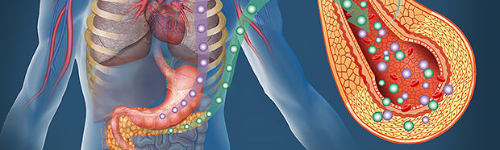
Understanding Type 2 Diabetes What is Type 2 Diabetes? In type 2 diabetes, your body does not use insulin properly—this is called insulin resistance . At first, your beta cells make extra insulin to make up for it. Over time, your pancreas can’t make enough insulin to keep your blood glucose at normal levels. Type 2 diabetes develops most often in middle-aged and older adults but is increasing in young people. Treatment for people with type 2 diabetes can include an eating plan, physical activity, and oral or injectable medications (including insulin) to help you meet your target blood glucose levels. Symptoms of Type 2 Diabetes The following symptoms of diabetes are typical. However, some people with type 2 diabetes have symptoms so mild that they go unnoticed. Common symptoms of diabetes: Urinating often Feeling very thirsty Feeling very hungry—even though you are eating Extreme fatigue Blurry vision Cuts/bruises that are slow to heal Tingling, pain, or numbness in the hands/feet Early detection and treatment of diabetes can decrease the risk of developing the complications of diabetes . Although there are many similarities between type 1 and type 2 diabetes, the cause of each is very different. And the treatment is usually quite different, too. Some people, especially adults who are newly diagnosed with type 1 diabetes, may have symptoms similar to type 2 diabetes and this overlap between types can be confusing. Take our Risk Test to find out if you are at increased risk for having type 2 diabetes. Maybe it’s a different type If you or someone you know is diagnosed with type 2 diabetes but isn’t responding well to the typical treatments for type 2 diabetes, it may be worth a visit to an endocrinologist to determine what type of diabetes is happening. Generally, this requires antibody tests and possibly the measurement of a C-peptide level. Gestational diabetes Women with gestational diabetes often have no symptoms, which is why it's important for at-risk women to be tested at the proper time during pregnancy. Learn more about Gestational Diabetes Symptoms of diabetes complications Have you already been diagnosed with diabetes but are concerned about symptoms that may be the result of complications related to diabetes? Learn more about diabetes complications Source: https://diabetes.org/about-diabetes/type-2

Warning Signs and Symptoms of Diabetes
Diabetes
Warning Signs and Symptoms of Diabetes Know the warning signs and symptoms of diabetes and diabetes complications so you can take action to improve your health The following symptoms of diabetes are typical. However, some people with diabetes have symptoms so mild that they go unnoticed. Common symptoms of diabetes: Urinating often Feeling very thirsty Feeling very hungry—even though you are eating Extreme fatigue Blurry vision Cuts/bruises that are slow to heal Weight loss—even though you are eating more (type 1) Tingling, pain, or numbness in the hands/feet (type 2) Early detection and treatment of diabetes can decrease the risk of developing the complications of diabetes . About Diabetes Type 1 & 2 Symptoms For some, symptoms are noticeable, and for others, they’re so mild they go unnoticed. Either way, learn what to look out for to reduce your risk of complications. Type 1 Symptoms Type 2 Symptoms Type 2 Diabetes Risk Test Find out if you are at risk for developing type 2 diabetes with our 60-second Type 2 Diabetes Risk Test. Take the Test Diagnosing Diabetes Learn about the different ways diabetes is diagnosed. Learn More Diabetes Prevention Program If you are at risk for developing diabetes or have prediabetes, find a Diabetes Prevention Program near you to cut your risk in half! Find a Program Prediabetes Having prediabetes means your blood glucose (blood sugar) levels are high, but not high enough to be diagnosed with diabetes. And just because you have prediabetes, doesn’t mean you will get diabetes. Learn More We’re here for you. Source: https://diabetes.org/about-diabetes/warning-signs-symptoms