
Kidney Disease
All Kidney Disease
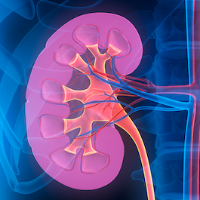
Estimated Glomerular Filtration Rate (eGFR)
Kidney Disease
Estimated Glomerular Filtration Rate (eGFR) About estimated glomerular rate (eGFR) Your kidneys filter your blood by removing waste and extra water to make urine. The glomerular filtration rate (GFR) shows how well the kidneys are filtering. An estimated 37 million adults in the United States may have chronic kidney disease (CKD) but nearly 90% are unaware of their condition. When found early, people can take important steps to protect their kidneys. Your kidney health is unique. Your path should be too. Get Started Types of GFR Tests Measuring and estimating GFR Getting an accurate GFR is challenging because measured GFR (mGFR) is a long and complex process. Therefore, healthcare professionals use a formula to estimate GFR. CKD does not usually have any symptoms until the later stages of the disease. This is the reason why reliable estimates of GFR are so important for identifying CKD as early as possible. The standard way to estimate GFR is with a simple blood test that measures your creatinine levels. Creatinine is a waste product that comes from the digestion of dietary protein and the breakdown of muscle . Aside from CKD, creatinine levels can be affected by other factors including diet, muscle size , malnutrition, and other chronic diseases. Differences between eGFR and mGFR Estimated GFR (eGFR) Measured GFR (mGFR) How it works A calculation used to estimate how well your kidneys are filtering wastes produced by your body, such as: creatinine (a waste product that comes from the normal wear and tear on muscles) cystatin C (a protein that slows down the breakdown of other protein cells) A measurement of how well your kidneys are filtering certain compounds not produced by your body, such as: inulin (a kind of fiber that is found in some plant foods) iohexol (contrast agent used in imaging tests) Availability Widely available Not widely available Cost Less expensive More expensive Time to complete the test Less time needed More time consuming Accuracy Possible inaccurate estimates of GFR, especially in early stages of kidney disease (stages 1 and 2)* Accurate measures of GFR, including early stages of kidney disease (stages 1 and 2) Precision Can miss early GFR changes , such as a rapid decrease in levels, which may be a sign of diabetic kidney disease Can identify early GFR changes , such as a rapid decrease in levels, which may be a sign of diabetic kidney disease *Other factors that can affect eGFR include: pregnancy, being over the age of 70, unusual muscle mass, cirrhosis (a disease caused by scarring in the liver), nephrotic syndrome (a condition caused by having too much protein in your urine), a past solid organ transplant, and some medications. Purpose Why eGFR testing is done Early-stage CKD doesn’t usually cause symptoms, but your doctor may recommend an eGFR test if you are at higher risk of developing the disease. CKD risk factors include: Diabetes High blood pressure Overweight/obesity Over the age of 60 Family history of CKD or kidney failure Usually, developing CKD is not due to any single reason, but because of a combination of physical, environmental, and social and/or economic factors. Later stage CKD does cause symptoms. So you may need an eGFR test if you have any of the following symptoms: Urinating more often or less often than usual Itching Feeling tired Swelling in your arms, legs, or feet Muscle cramps Nausea and vomiting Loss of appetite Kidney Numbers and CKD Heat Map Watch some short, animated videos and learn about: the importance of knowing your kidney numbers how your kidney numbers are used to see how well your kidneys are working tips that may help improve your kidney health Watch Videos One day, no one’s life will be lost to kidney disease. Extraordinary progress is made possible by YOU. Your gift today will help revolutionize kidney health and transform lives for the next 75 years and beyond by helping to: Equip patients and families with knowledge, resources, and access to high-quality care. Advocate for policies that address disparities and prioritize kidney health for all. Fund research and technology to advance early detection, improve treatment, and expand transplant access. Donate Now Results eGFR of 90 or higher is in the normal range eGFR of 60 -89 may mean early-stage kidney disease eGFR of 15 -59 may mean kidney disease eGFR below 15 may mean kidney failure What is a normal eGFR number? In adults, the normal eGFR number is usually more than 90. eGFR declines with age, even in people without kidney disease. See chart below for average estimated eGFR based on age. Age (years) Average eGFR 20–29 116 30–39 107 40–49 99 50–59 93 60–69 85 70+ 75 Understanding your results There are five stages of kidney disease. Your healthcare professional determines your stage of kidney disease based on your level of kidney function shown by your eGFR or mGFR. Now that you know your eGFR, find out your kidney disease stage using the table below. What are the stages of chronic kidney disease (CKD)? Stage Description eGFR Kidney Function 1 Possible kidney damage (e.g., protein in the urine) with normal kidney function 90 or above 90-100% 2 Kidney damage with mild loss of kidney function 60-89 60-89% 3a Mild to moderate loss of kidney function 45-59 45-59% 3b Moderate to severe loss of kidney function 30-44 30-44% 4 Severe loss of kidney function 15-29 15-29% 5 Kidney failure Less than 15 Less than 15% What to do next If you have any of the CKD risk factors listed above, ask your healthcare professional to order an eGFR lab test. Questions for your healthcare team Now that you know your eGFR and your stage of kidney disease, use this table to find questions to ask your healthcare professional at your appointments. If your kidney disease is in stage… Ask your healthcare professional if you should… 1 2 3a 3b 4 5 ✔ ✔ ✔ ✔ ✔ ✔ Test your urine for albumin to have a complete picture of your overall kidney health ✔ ✔ ✔ ✔ ✔ Repeat your eGFR test in 3 months to check if your eGFR remains lower than 90 ✔ ✔ ✔ ✔ Take medication that may help slow progression of kidney disease (such as ACE inhibitors, ARBs, SGLT2 inhibitors, or nonsteroidal mineralocorticoid receptor antagonists) ✔ ✔ ✔ ✔ Adjust any current medications due to reduced kidney function ✔ ✔ ✔ ✔ Get nutritional and dietary counseling to help support kidney function and overall health ✔ ✔ Start seeing a kidney specialist (nephrologist) ✔ ✔ Learn more about end-stage kidney disease and treatment options ✔ Be evaluated for a kidney transplant and be placed on a kidney transplant list Preparing for your appointment An eGFR test result can raise questions. It helps to be prepared before you see your doctor. Bring a list of all medicines you take. Include prescription drugs, over the counter medicines, vitamins, and herbal supplements. Some medicines can affect your kidneys or change your test results. If you have copies of past lab results, bring them with you. Looking at trends over time is often more helpful than looking at one number. Write down any symptoms you have noticed, even if they seem small. For example: Swelling in your feet or hands Feeling more tired than usual Changes in how often you urinate Foamy urine You may also want to bring a family member or friend. They can help listen, take notes, and support you. Before your visit, think about your health goals. For example, you may want to better control your blood pressure, manage diabetes, or understand how to slow kidney damage. Questions to Ask Your Doctor About eGFR Understanding Your Result What is my current eGFR? What does this number mean for my kidney health? Has my eGFR changed since my last test? What stage of kidney disease does this put me in? Do I Need More Tests? Do I need this test repeated? Should I have a urine test to check for albumin? Are there other tests I need right now? What Caused This? What might be causing my eGFR to be low? Could any of my medicines affect my kidneys? Could dehydration, illness, or infection affect this number? Protecting My Kidneys What can I do now to protect my kidney function? Should I change my diet? Should I limit salt or protein? What blood pressure or blood sugar goals should I aim for? Are there medicines that can help protect my kidneys? Monitoring and Next Steps How often should my eGFR be checked? When would I need to see a kidney specialist? What signs or symptoms should I watch for? If my kidney function gets worse, what are the next steps? More resources estimated Glomerular Filtration Rate Kidney Numbers and the CKD Heatmap Source: https://www.kidney.org/kidney-topics/estimated-glomerular-filtration-rate-egfr
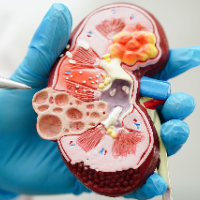
Kidney Disease
Kidney Disease
About chronic kidney disease (CKD) Your kidneys do many important jobs. Some of the ways they keep your whole body in balance include: Removing natural waste products and extra water from your body Helping make red blood cells Balancing important minerals in your body Helping maintain your blood pressure Keeping your bones healthy Chronic kidney disease (CKD) is when the kidneys have become damaged over time (for at least 3 months) and have a hard time doing all their important jobs. CKD also increases the risk of other health problems like heart disease and stroke. Developing CKD is usually a very slow process with very few symptoms at first. So, CKD is divided into 5 stages to help guide treatment decisions. See all Kidney Topics: https://www.kidney.org/kidney-topics . See KIdney Fact Sheet: https://www.kidney.org/about/kidney-disease-fact-sheet Signs and symptoms Many people living with CKD do not have any symptoms until the more advanced stages and/or complications develop. If symptoms do happen, they may include: Foamy urine Urinating (peeing) more often or less often than usual Itchy and/or dry skin Feeling tired Nausea Loss of appetite Weight loss without trying to lose weight People who have more advanced stages of CKD may also notice: Trouble concentrating Numbness or swelling in your arms, legs, ankles, or feet Achy muscles or cramping Shortness of breath Vomiting Trouble sleeping Breath smells like ammonia (also described as urine-like or “fishy”) Your kidney health is unique. Your path should be too. Get Started Causes Risk Factors Anyone can develop CKD - at any age. However, some people are at a higher risk than others. The most common CKD risk factors are: Diabetes High blood pressure (hypertension) Heart disease and/or heart failure Obesity Over the age of 60 Family history of CKD or kidney failure Personal history of acute kidney injury (AKI) Smoking and/or use of tobacco products For many people, CKD is not caused by just one reason. Instead, it is a result of many physical, environmental, and social factors . Early detection is important – CKD often begins without causing any noticeable symptoms. Knowing the risk factors can help you know your level of risk and if you should get checked for CKD. Other causes CKD can also be caused by many other conditions or circumstances. Some examples include: Glomerular diseases: glomerulonephritis , IgA nephropathy (IgAN) , and HIV nephropathy Inherited conditions: polycystic kidney disease Autoimmune conditions: lupus (lupus nephritis) Severe infections: sepsis and hemolytic uremic syndrome (HUS) Other causes: kidney cancer , kidney stones , frequent untreated and/or long-lasting urinary tract infections (UTIs) , hydronephrosis , and kidney and urinary tract abnormalities before birth 37 million adults in the United States are living with CKD - and approximately 90% do not even know they have it. Take this one-minute quiz to find out if you are at high risk for CKD. Complications As CKD worsens, the risk of getting complications goes up. Some examples include: Cardiovascular disease (heart disease and/or stroke) High blood pressure Anemia (low levels of red blood cells) Metabolic acidosis (buildup of acid in the blood) Mineral and bone disorder (when blood levels of calcium and phosphorus are out of balance leading to bone and/or heart disease) Hyperkalemia (high levels of potassium in the blood) Kidney failure Some conditions, like cardiovascular disease and high blood pressure, can also cause or worsen CKD. Diagnosis Tests Checking for CKD is easy with two simple tests: a blood test known as the estimated glomerular filtration rate (eGFR) a urine test known as the urine albumin-creatinine ratio (uACR) Both tests are needed to have a clear picture of your kidney health. Having an eGFR under 60 and/or a uACR over 30 for three months or more is a sign you may have kidney disease. The eGFR is an estimate of how well your kidneys are removing waste products from the blood. It is calculated using your serum creatinine level, age, and sex. It can also be calculated using your cystatin C level. A “normal” eGFR varies according to age – it decreases as you get older. For this test, a higher number is better. Your eGFR number is used to determine your stage of CKD . The uACR measures the amount of two different substances in your urine – albumin (protein) and creatinine. Healthy kidneys keep the albumin in your blood while filtering the creatinine out into the urine. So, there should be very little or no albumin in your urine. The uACR is calculated by dividing the amount of urine albumin by the amount of urine creatinine to find the ratio. For this test, a lower number is better. Your uACR number is used to test for albuminuria - a significant risk factor for complications. In some cases, your healthcare professional may order additional tests to get more information about your kidney health. Some examples include a kidney biopsy or medical imaging (CT scan, ultrasound, or MRI). Understanding my kidney numbers Watch a playlist of short, animated videos with information about your kidney numbers, including: A brief explanation of the uACR and eGFR tests Reading the CKD Heat Map and understanding your risk Important steps for managing CKD Watch Videos Treatment Overview Managing CKD is focused on four very important goals: Managing the disease(s) or condition(s) that are most likely causing the CKD (for example, your diabetes, high blood pressure, or IgA nephropathy) Taking steps to slow down the CKD disease process directly (also known as “slowing CKD progression”) Lowering your risk of cardiovascular disease (having a heart attack or stroke) Treating any complications that you may have because of your CKD Specific treatment recommendations depend on your stage of CKD and what other health conditions you have (including any CKD complications). Below are recommendations that apply to most people with CKD. No two people are the same, so talk with your healthcare professional about recommendations tailored to you. Medications Your healthcare professional may prescribe one or more medicines to help slow down or stop your CKD from getting worse. These medicines can include an ACE inhibitor/ARB , an SGLT2 inhibitor and/or an nsMRA . Your healthcare professional may also prescribe a statin (cholesterol medicine). Guidelines recommend a statin for people with CKD who also have diabetes, a history of heart disease, or are age 50 or older. Even if you do not have high cholesterol, a statin can help lower your risk of having a heart attack or stroke. You may also need to take additional medications or supplements to manage any CKD complications you might have (if applicable). Nutrition It is important to limit your sodium (salt) intake to less than 2300 mg per day (about 1 teaspoon of salt from all the food and drinks you consume each day). This recommendation is very important if you also have high blood pressure. Your healthcare professional may advise an even lower target depending on your other health conditions. This means a lot more than not using a saltshaker, but also limiting foods with high levels of sodium listed on their nutrition facts label . Some foods that don’t taste salty can have a surprising amount of sodium when you check their nutrition facts label. Based on the results of your blood tests, your healthcare professional or kidney dietitian may also advise you to change how much potassium , phosphorus , and/or calcium you might be getting through your diet. Meeting with a dietitian can be especially helpful if you also have other health conditions like high blood pressure, diabetes, or heart failure where it is even more important to integrate a healthy diet into your lifestyle to help prevent complications. It can feel overwhelming to keep track of so many changes, and a dietitian can help you identify what works best for you. Additional information about eating healthy with kidney disease can be found on the Nutrition and Early Kidney Disease page. Lifestyle recommendations Now is a great time to make healthier lifestyle choices: If you smoke and/or use tobacco products , stop. Smoking can speed up the kidney disease process and increase your risk of getting kidney failure. It also increases your risk for other serious health problems, including high blood pressure, heart disease, cancers, and stroke. Exercise regularly . Remember, it’s okay to start slowly – taking short walks is a great way to begin. Sleeping well is important, too. Try to get enough sleep so you are well-rested. If you are overweight , losing weight through a balanced diet and physical activity can help improve your health in many ways. Find ways to reduce and manage stress in your life. Other ways to lower your risk Taking steps to manage other health conditions you may also have can also help your CKD. This includes high blood pressure , diabetes , and high cholesterol . People with CKD should also avoid certain pain medicines known as non-steroid anti-inflammatory drugs (NSAIDs) . These can be harmful to your kidneys, especially at higher doses and/or with long-term use. Some examples include: ibuprofen (Motrin, Advil) indomethacin (Indocin) naproxen (Aleve, Naprosyn) diclofenac tablets or capsules (Cataflam, Zipsor) celecoxib (Celebrex) meloxicam (Mobic) aspirin (only if more than 325 mg per day) Many of these NSAID medicines are available over-the-counter (OTC) and may be sold under a different name or be mixed with other ingredients (like cough & cold medicines). Sometimes it may not be possible to avoid using these products depending on your other health conditions. Always ask your healthcare professional before using any products with these drug names or if the word “NSAID” is printed on the product’s label. In general, acetaminophen, also called Tylenol, is safe for your kidneys at recommended doses - but check with your healthcare professional first to determine the cause of your pain and the best way to treat it. If your healthcare professional says you have metabolic acidosis , increasing the amount of fruits and vegetables you eat everyday can help lower the level of acid in your blood. This can also help slow down your CKD progression (worsening). Transplantation Receiving a Kidney Transplant Donating a Kidney Featured Topics Kidney Transplant The Kidney Transplant Waitlist Getting a Kidney Transplant Getting a Living Donor Kidney Transplant Life with a Kidney Transplant See all Transplantation Topics Check out our online communities to connect, learn more and hear from others going through similar experiences. NKF Kidney Disease Community See Kidney International: https://www.kidney-international.org/ See National Kidney Foundation: https://www.kidney.org/ For Professionals Professional Membership Continuing Education Research CKDintercept Kidney Disease Outcomes Quality Initiative (KDOQI) Apps & Tools Source: https://www.kidney.org/
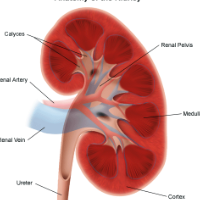
Stage 1 Chronic Kidney Disease (CKD)
Kidney Disease
Stage 1 Chronic Kidney Disease (CKD) About Stage 1 CKD People with stage 1 CKD have an estimated glomerular filtration rate (eGFR) of 90 or higher and ongoing kidney damage for 3 months or more. “Kidney damage” can mean many things. This often presents as albuminuria – having a urine albumin-creatinine ratio (uACR) of 30 or more for at least three months. Other examples of kidney damage can include frequent and/or long-lasting urinary tract infections (UTIs) , blood in the urine (hematuria) , kidney stones , kidney cysts , or abnormal findings during medical imaging (ultrasound, MRI, or CT scan) or urinalysis . Having evidence of ongoing kidney damage is required to be considered stage 1 CKD. In other words, just having an eGFR of 90 or higher is not enough to meet the criteria for having CKD. Health risks with stage 1 CKD In stage 1 CKD, your uACR level is the main factor determining your health risk. If your uACR level is lower than 30, you are at the lowest risk for CKD getting worse (or you may not even have CKD if you don’t have any other kind of kidney damage present). As your uACR number goes up, your risks of developing heart disease and CKD progression (worsening) both go up (as seen in the figure below). Signs and symptoms Typically, there are no symptoms associated with stage 1 CKD. If symptoms are present, they are most likely related to the type of kidney damage you have. For example, if you have albuminuria , you may notice foamy urine. Your kidney health is unique. Your path should be too. Get Started Lifestyle recommendations Now is a great time to make healthier lifestyle choices: If you smoke and/or use tobacco products , stop. Smoking can speed up the kidney disease process and increase your risk of getting kidney failure. It also increases your risk for other serious health problems, including high blood pressure, heart disease, cancers, and stroke. Exercise regularly . Remember, it’s okay to start slowly – taking short walks is a great way to begin. Sleeping well is important, too. Try to get enough sleep so you are well-rested. If you are overweight , losing weight through a balanced diet and physical activity can help improve your health in many ways. Find ways to reduce and manage stress in your life. Nutrition With stage 1 CKD, there are not many dietary restrictions, although eating healthy is important. Healthy eating generally includes consuming more vegetables, fruits, whole grains, plant-based proteins, fish, and lean meats. Processed foods, refined carbohydrates (sugars) and sweetened drinks should be limited. If you have high blood pressure, it is important to limit your sodium (salt) intake to less than 2300 mg per day (about 1 teaspoon of salt from all the food and drinks you consume each day). Your healthcare professional may advise an even lower target depending on your other health conditions. This means a lot more than not using a saltshaker, but also limiting foods with high levels of sodium listed on their nutrition facts label . Some foods that don’t taste salty can have a surprising amount of sodium when you check their nutrition facts label. Ask your healthcare professional about potential dietary recommendations tailored to you. Additional information about eating healthy with CKD can be found on the Nutrition and Early Kidney Disease page. Medications Your healthcare professional may prescribe one or more medications based on your medical history and the cause of your kidney damage. For example, if you have albuminuria, your healthcare professional may prescribe an ACE inhibitor/ARB and/or an SGLT2 inhibitor . These medicines help lower your uACR levels and can slow down or stop your CKD from getting worse. Your healthcare professional may also prescribe a statin (cholesterol medicine). Guidelines recommend a statin for people with stage 1 CKD who also have diabetes, a history of heart disease, or are age 50 or older. Even if you do not have high cholesterol, a statin can help lower your risk of having a heart attack or stroke. Always bring an updated list of any medications, vitamins, supplements, and herbal medicines you are taking to all your medical appointments and share it with your healthcare professional. Check with your healthcare professional or pharmacist before starting any supplements, herbal medicines, or other over-the-counter products Other ways to lower your risk In stage 1 CKD, lowering your risk for CKD progression is very important. This includes taking steps to manage other health conditions you may also have, including high blood pressure (hypertension) , diabetes , and high cholesterol . Questions to ask your Doctor Am I at a healthy weight? Is my blood pressure within the recommended goal range? Do I have diabetes or prediabetes? If so, is my A1C within the recommended goal range? Do I have albuminuria? What are my eGFR and uACR numbers? When should I have my eGFR and uACR tested again? Are there any changes I should make to my diet? More resources Kidney Disease and Albuminuria/Proteinuria Kidney Numbers and the CKD Heat Map Back to Stages of Kidney Disease Main Page Stages of Kidney Disease Source: https://www.kidney.org/kidney-topics/stage-1-chronic-kidney-disease-ckd
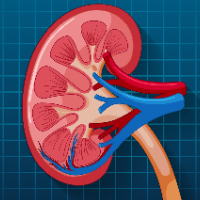
Stage 2 Chronic Kidney Disease (CKD)
Kidney Disease
Stage 2 Chronic Kidney Disease (CKD) About Stage 2 CKD People with stage 2 CKD have an estimated glomerular filtration rate (eGFR) between 60 and 89 and ongoing kidney damage for 3 months or more. “Kidney damage” can mean many things. This often presents as albuminuria – having a urine albumin-creatinine ratio (uACR) of 30 or more for at least three months. Other examples of kidney damage can include frequent and/or long-lasting urinary tract infections (UTIs) , blood in the urine (hematuria) , kidney stones , kidney cysts , or abnormal findings during medical imaging (ultrasound, MRI, or CT scan) or urinalysis . Having evidence of ongoing kidney damage is required to be considered stage 2 CKD. In other words, just having an eGFR between 60 and 89 is not enough to meet the criteria for having CKD. Health risks with stage 2 CKD In stage 2 CKD, your uACR level is the main factor determining your health risk. If your uACR level is lower than 30, you are at the lowest risk for CKD getting worse (or you may not even have CKD if you don’t have any other kind of kidney damage present). As your uACR number goes up, your risks of developing heart disease and CKD progression (worsening) both go up (as seen in the figure below). Signs and symptoms Typically, there are no symptoms associated with stage 2 CKD. If symptoms are present, they are most likely to be related to the type of kidney damage you have. For example, if you are experiencing albuminuria , you may notice foamy urine. Your kidney health is unique. Your path should be too. Get Started Lifestyle recommendations Now is a great time to make healthier lifestyle choices: If you smoke and/or use tobacco products , stop. Smoking can speed up the kidney disease process and increase your risk of getting kidney failure. It also increases your risk for other serious health problems, including high blood pressure, heart disease, cancers, and stroke. Exercise regularly . Remember, it’s okay to start slowly – taking short walks is a great way to begin. Sleeping well is important, too. Try to get enough sleep so you are well-rested. If you are overweight , losing weight through a balanced diet and physical activity can help improve your health in many ways. Find ways to reduce and manage stress in your life. Nutrition With stage 2 CKD, there are not many dietary restrictions, although eating healthy is important. Healthy eating generally includes consuming more vegetables, fruits, whole grains, plant-based proteins, fish, and lean meats. Processed foods, refined carbohydrates (sugars) and sweetened drinks should be limited. If you have high blood pressure, it is important to limit your sodium (salt) intake to less than 2300 mg per day (about 1 teaspoon of salt from all the food and drinks you consume each day). Your healthcare professional may advise an even lower target depending on your other health conditions. This means a lot more than not using a saltshaker, but also limiting foods with high levels of sodium listed on their nutrition facts label . Some foods that don’t taste salty can have a surprising amount of sodium when you check their nutrition facts label. Ask your healthcare professional about potential dietary recommendations tailored to you. Additional information about eating healthy with CKD can be found on the Nutrition and Early Kidney Disease page. Medications Your healthcare professional may prescribe one or more medications based on your medical history and the cause of your kidney damage. For example, if you have albuminuria, your healthcare professional may prescribe an ACE inhibitor/ARB , an SGLT2 inhibitor and/or an nsMRA . These medicines help lower your uACR levels and can slow down or stop your CKD from getting worse. Your healthcare professional may also prescribe a statin (cholesterol medicine). Guidelines recommend a statin for people with stage 2 CKD who also have diabetes, a history of heart disease, or are age 50 or older. Even if you do not have high cholesterol, a statin can help lower your risk of having a heart attack or stroke. Always bring an updated list of any medications, vitamins, supplements, and herbal medicines you are taking to all your medical appointments and share it with your healthcare professional. Check with your healthcare professional or pharmacist before starting any supplements, herbal medicines, or other over-the-counter products. Other ways to lower your risk In stage 2 CKD, lowering your risk for CKD progression is very important. This includes taking steps to manage other health conditions you may also have, including high blood pressure (hypertension) , diabetes , and high cholesterol . Questions to ask your Doctor Lowering risk Am I at a healthy weight? Is my blood pressure within the recommended goal range? Do I have diabetes or prediabetes? If so, is my A1C within the recommended goal range? Do I have albuminuria? Monitoring What are my eGFR and uACR numbers? When should I have my eGFR and uACR tested again? Steps to take Are there any changes I should make to my diet? Should I take any medication(s) to help lower my risk for CKD getting worse? More resources Kidney Disease and Albuminuria/Proteinuria Kidney Numbers and the CKD Heat Map Back to Stages of Kidney Disease Main Page Stages of Kidney Disease Source: https://www.kidney.org/kidney-topics/stage-2-chronic-kidney-disease-ckd
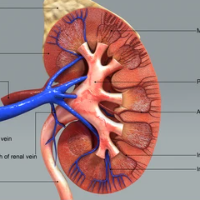
Stage 3a Chronic Kidney Disease (CKD)
Kidney Disease
Stage 3a Chronic Kidney Disease (CKD) About Stage 3a CKD Stage 3a CKD means you have mild to moderate loss of kidney function. People with stage 3a CKD have an estimated glomerular filtration rate (eGFR) between 45 and 59 for 3 months or more (confirmed with repeat testing to make sure you don’t have acute kidney injury ). Another way to think about these numbers is your kidneys are working at 45-59% of what the average two healthy kidneys in a young person can do. This is the first stage of CKD where blood test results alone can confirm a diagnosis of CKD. Although urine albumin-creatinine ratio (uACR) results are not needed to confirm CKD at this stage, getting your uACR checked is still very important to gain a full picture of your kidney health, as shown in the graphic below. Although this is the third stage of CKD, stages 3a and 3b are when most people with CKD are first diagnosed. Health risks with stage 3a CKD In stage 3a CKD, you are at increased risk for your CKD getting worse and you are at risk for heart disease (even if your uACR is lower than 30). As your uACR number goes up, your risks of developing heart disease and CKD progression (worsening) both go up dramatically (as seen in the figure below). CKD complications Stage 3a CKD is also when complications from chronic kidney disease can start to appear, although the risk at this stage is very low . These complications include: Anemia (low levels of red blood cells) Mineral and bone disorder (when blood levels of calcium and phosphorus are out of balance leading to bone and/or heart disease) Metabolic acidosis (buildup of acid in the blood) Although the risk of having these complications is very low when you are in stage 3a CKD, guidelines recommend getting screened now to make sure everything is okay (if you haven’t been screened yet). Screening for each of these complications can be done with simple blood tests ordered by your healthcare professional. People with stage 3a CKD are also at increased risk of developing high blood pressure . So, it is important to have your blood pressure checked regularly. Signs and symptoms Stage 3a CKD is when symptoms may start to appear, but typically no symptoms are present. Some of these symptoms may include: Urinating (peeing) more often or less often than usual Itchy and/or dry skin Feeling tired Nausea Loss of appetite Weight loss without trying to lose weight Your kidney health is unique. Your path should be too. Get Started Lifestyle recommendations Now is a great time to make healthier lifestyle choices: If you smoke and/or use tobacco products , stop. Smoking can speed up the kidney disease process and increase your risk of getting kidney failure. It also increases your risk for other serious health problems, including high blood pressure, heart disease, cancers, and stroke. Exercise regularly . Remember, it’s okay to start slowly – taking short walks is a great way to begin. Sleeping well is important, too. Try to get enough sleep so you are well-rested. If you are overweight , losing weight through a balanced diet and physical activity can help improve your health in many ways. Find ways to reduce and manage stress in your life. Nutrition With stage 3a CKD, you may need to start changing the kinds of foods you eat. If you have high blood pressure, it is important to limit your sodium (salt) intake to less than 2300 mg per day (about 1 teaspoon of salt from all the food and drinks you consume each day). Your healthcare provider may advise an even lower target depending on your other health conditions. This means a lot more than not using a saltshaker, but also limiting foods with high levels of sodium listed on their nutrition facts label . Some foods that don’t taste salty can have a surprising amount of sodium when you check their nutrition facts label. Based on the results of your blood tests, your healthcare professional or kidney dietitian may also advise you to change how much potassium , phosphorus , and/or calcium you might be getting through your diet. Recommendations are highly customized to your body’s specific needs and dietary preferences. Ask your healthcare professional or kidney dietitian about potential dietary recommendations tailored to you. Meeting with a dietitian can be especially helpful if you also have other health conditions like high blood pressure, diabetes, or heart failure where it is even more important to integrate a healthy diet into your lifestyle to help prevent complications. It can feel overwhelming to keep track of so many changes, and a dietitian can help you identify what works best for you. Additional information about eating healthy with kidney disease can be found on the Nutrition and Early Kidney Disease page. Medications In stage 3a CKD, some of your medications may start to build up in your body. This is because about half of all FDA-approved medications are removed from the blood by your kidneys. Ask your healthcare professional or pharmacist if any of your medication doses need to be lowered because of your stage 3a CKD. Some medications may be best avoided or limited in use as well. Your healthcare professional may prescribe one or more medicines to help slow down or stop your CKD from getting worse. These medicines include an ACE inhibitor/ARB , an SGLT2 inhibitor and/or an nsMRA . Your healthcare professional may also prescribe a statin (cholesterol medicine). Guidelines recommend a statin for people with stage 3a CKD who also have diabetes, a history of heart disease, or are age 50 or older. Even if you do not have high cholesterol, a statin can help lower your risk of having a heart attack or stroke. Always bring an updated list of any medications, vitamins, supplements, and herbal medicines you are taking to all your medical appointments and share it with your healthcare professional. Check with your healthcare professional or pharmacist before starting any supplements, herbal medicines, or other over-the-counter products. Other ways to lower your risk In stage 3a CKD, lowering your risk for CKD progression is very important. This includes taking steps to manage other health conditions you may also have, including high blood pressure (hypertension) , diabetes , and high cholesterol . People with stage 3a CKD should also avoid certain pain medicines known as non-steroid anti-inflammatory drugs (NSAIDs) . These can be harmful to your kidneys, especially at higher doses and/or with long-term use. Some examples include: ibuprofen (Motrin, Advil) indomethacin (Indocin) naproxen (Aleve, Naprosyn) diclofenac tablets or capsules (Cataflam, Zipsor) celecoxib (Celebrex) meloxicam (Mobic) aspirin (only if more than 325 mg per day) Many of these medicines are available over the counter and may be sold under a different name or be mixed with other ingredients (like cough & cold medicines). Sometimes it may not be possible to avoid using these products depending on your other health conditions. Always ask your healthcare professional before using any products with these drug names or if the word “NSAID” is printed on the product’s label. In general, acetaminophen, also called Tylenol, is safe for your kidneys at recommended doses - but check with your healthcare professional first to determine the cause of your pain and the best way to treat it. If your healthcare professional says you have metabolic acidosis , increasing the amount of fruits and vegetables you eat everyday can help lower the level of acid in your blood. This can also help slow down your CKD progression (worsening). Questions to ask your Doctor Lowering risk Am I at a healthy weight? Is my blood pressure within the recommended goal range? Do I have diabetes or prediabetes? If so, is my A1C within the recommended goal range? Do I have albuminuria? How high is my level of risk for developing heart disease or a stroke? What can I do to lower my risk? Monitoring What are my eGFR and uACR numbers? When should I have my eGFR and uACR tested again? What is my bicarbonate level? If it is below the goal level, what can I do to bring it up? Medication safety Are the medications I am taking safe for me with stage 3a CKD? Should the dose of any of my medicines be lowered to prevent side effects or other problems? Steps to take Are there any changes I should make to my diet? Should I take any medication(s) to help lower my risk for CKD getting worse? Can you refer me to a kidney dietitian to help me make healthier food choices? Have I been screened for CKD complications like anemia, metabolic acidosis, or mineral and bone disorder? If not, can you please order these tests for me? More resources Kidney Disease and Albuminuria/Proteinuria Kidney Numbers and the CKD Heat Map NKF Council on Renal Nutrition CKD Kidney Dietitian Directory Back to Stages of Kidney Disease Main Page Stages of Kidney Disease Source: https://www.kidney.org/kidney-topics/stage-3a-chronic-kidney-disease-ckd
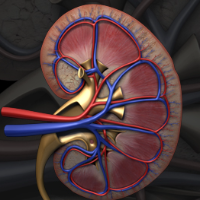
Stage 3b Chronic Kidney Disease (CKD)
Kidney Disease
Stage 3b Chronic Kidney Disease (CKD) About Stage 3b CKD Stage 3b CKD means you have moderate to severe loss of kidney function. People with stage 3b CKD have an estimated glomerular filtration rate (eGFR) between 30 and 44 for 3 months or more (confirmed with repeat testing to make sure you don’t have acute kidney injury ). Another way to think about these numbers is your kidneys are working at 30-44% of what the average two healthy kidneys in a young person can do. Although urine albumin-creatinine ratio (uACR) results are not needed to confirm CKD at this stage, getting your uACR checked is still important to gain a full picture of your kidney health, as shown in the graphic below. Although this is the third stage of CKD, stages 3a & 3b are when most people with CKD are first diagnosed. Health risks with stage 3b CKD In stage 3b CKD, you are at high risk for your CKD getting worse and you are at high risk for heart disease (even if your uACR is lower than 30). As your uACR number goes up, your risks of developing heart disease and CKD progression (worsening) both go up to the highest risk category (as seen in the figure below). CKD complications Stage 3b CKD is also when complications from kidney disease can start to appear, although the risk at this stage is low . These complications include: Anemia (low levels of red blood cells) Mineral and bone disorder (when blood levels of calcium and phosphorus are out of balance leading to bone and/or heart disease) Metabolic acidosis (buildup of acid in the blood) Although the risk of having these complications is low when you are in stage 3b CKD, guidelines recommend getting screened now to make sure everything is okay (if you haven’t been screened yet). Screening for each of these complications can be done with simple blood tests ordered by your healthcare professional. People with stage 3b CKD are also at increased risk of developing high blood pressure . So, it is important to have your blood pressure checked regularly. Signs and symptoms Stage 3b CKD is when symptoms may start to become more noticeable. Some of these symptoms may include: Urinating (peeing) more often or less often than usual Itchy and/or dry skin Feeling tired Trouble concentrating Numbness or swelling in your arms, legs, ankles, or feet Achy muscles or cramping Shortness of breath Nausea and/or vomiting Loss of appetite Your kidney health is unique. Your path should be too. Get Started Lifestyle recommendations Now is a great time to make healthier lifestyle choices: If you smoke and/or use tobacco products , stop. Smoking can speed up the kidney disease process and increase your risk of getting kidney failure. It also increases your risk for other serious health problems, including high blood pressure, heart disease, cancers, and stroke. Exercise regularly . Remember, it’s okay to start slowly – taking short walks is a great way to begin. Sleeping well is important, too. Try to get enough sleep so you are well-rested. If you are overweight , losing weight through a balanced diet and physical activity can help improve your health in many ways. Find ways to reduce and manage stress in your life. Nutrition With stage 3b CKD, you may need to start changing the kinds of foods you eat. If you have high blood pressure, it is important to limit your sodium (salt) intake to less than 2300 mg per day (about 1 teaspoon of salt from all the food and drinks you consume each day). Your healthcare professional may advise an even lower target depending on your other health conditions. This means a lot more than not using a saltshaker, but also limiting foods with high levels of sodium listed on their nutrition facts label . Some foods that don’t taste salty can have a surprising amount of sodium when you check their nutrition facts label. Based on the results of your blood tests, your healthcare professional or kidney dietitian may also advise you to change how much potassium , phosphorus , and/or calcium you might be getting through your diet. Recommendations are highly customized to your body’s specific needs and dietary preferences. So, ask your healthcare professional or kidney dietitian about potential dietary recommendations tailored to you. Meeting with a dietitian can be especially helpful if you also have other health conditions like diabetes or heart failure where it may be important to limit other types of foods. It can feel overwhelming to keep track of so many changes, and a dietitian can help you identify what works best for you. Additional information about eating healthy with kidney disease can be found on the Nutrition and Early Kidney Disease page. Medications In stage 3b CKD, some of your medications may start to build up in your body. This is because about half of all FDA-approved medications are removed from the blood by your kidneys. Ask your healthcare professional or pharmacist if any of your medication doses need to be lowered because of your stage 3b CKD. Some medications may be best avoided or limited in use as well. Your healthcare professional may prescribe one or more medicines to help slow down or stop your CKD from getting worse. These medicines include an ACE inhibitor/ARB , an SGLT2 inhibitor and/or an nsMRA . Your healthcare professional may also prescribe a statin (cholesterol medicine). Guidelines recommend a statin for people with stage 3b CKD who also have diabetes, a history of heart disease, or are age 50 or older. Even if you do not have high cholesterol, a statin can help lower your risk of having a heart attack or stroke. You may also need to take additional medications or supplements to manage any CKD complications you might have (if applicable). Always bring an updated list of any medications, vitamins, supplements, and herbal medicines you are taking to all your medical appointments and share it with your healthcare professional. Check with your healthcare professional or pharmacist before starting any supplements, herbal medicines, or other over-the-counter products Other ways to lower your risk In stage 3b CKD, lowering your risk for CKD progression is very important. This includes taking steps to manage other health conditions you may also have, including high blood pressure (hypertension) , diabetes , and high cholesterol . People with stage 3b CKD should also avoid certain pain medicines known as non-steroid anti-inflammatory drugs (NSAIDs) . These can be harmful to your kidneys, especially at higher doses and/or with long-term use. Some examples include: ibuprofen (Motrin, Advil) indomethacin (Indocin) naproxen (Aleve, Naprosyn) diclofenac tablets or capsules (Cataflam, Zipsor) celecoxib (Celebrex) meloxicam (Mobic) aspirin (only if more than 325 mg per day) Many of these medicines are available over the counter and may be sold under a different name or be mixed with other ingredients (like cough & cold medicines). Sometimes it may not be possible to avoid using these products depending on your other health conditions. Always ask your healthcare professional before using any products with these drug names or if the word “NSAID” is printed on the product’s label. In general, acetaminophen, also called Tylenol, is safe for your kidneys at recommended doses - but check with your healthcare professional first to determine the cause of your pain and the best way to treat it. If your healthcare professional says you have metabolic acidosis , increasing the amount of fruits and vegetables you eat everyday can help lower the level of acid in your blood. This can also help slow down your CKD progression (worsening). Additional considerations Predicting your risk of kidney failure In stage 3b CKD, it can be helpful to have a conversation with your healthcare professional about your specific risk for developing stage 5 CKD (kidney failure) . Not everyone with stage 3b will develop kidney failure. You can estimate your risk of kidney failure (needing dialysis or a kidney transplant) in the next 2-5 years by using the kidney failure risk calculator . This calculator helps predict your risk based on factors like your age, sex, eGFR number, and uACR level. Keep in mind there may be other factors that can increase your risk that are not included in this calculator – for example, having blood pressure or blood sugar levels above your target range. Remember - even if your risk score for kidney failure is low, having stage 3b CKD still puts you at high risk for cardiovascular disease (heart attack or stroke) . So, taking steps to slow down your CKD progression (worsening) and lower your cardiovascular risk are still very important, no matter what your kidney failure risk score is. If there is uncertainty about your risk or your kidney disease becomes difficult to manage, consider asking your healthcare professional for a referral to a nephrologist or kidney doctor. What if I’m at high risk for kidney failure? If you have stage 3b CKD and a high kidney failure risk score, it can be helpful to start learning about the different options available for treating stage 5 CKD (kidney failure) . Although you may never develop kidney failure, knowing more about your options can help you plan early. Many people who are on dialysis or waiting for a kidney transplant report wishing they had started researching options earlier. If you are thinking about getting a kidney transplant (even if you are not 100% sure), know that the entire process takes time. So, you may consider taking steps now to start the process. You’ll need to find the right transplant center for you, complete the transplant evaluation , and decide whether to find a living kidney donor or sign up for the kidney transplant waitlist . If you are able to be evaluated and find a living kidney donor soon enough, it may be possible to get the transplant before needing to start dialysis (also known as a preemptive transplant ). Questions to ask your Doctor Lowering risk Am I at a healthy weight? Is my blood pressure within the recommended goal range? Do I have diabetes or prediabetes? If so, is my A1C within the recommended goal range? Do I have albuminuria? How high is my level of risk for developing heart disease or a stroke? What can I do to lower my risk? Monitoring What are my eGFR and uACR numbers? When should I have my eGFR and uACR tested again? What is my bicarbonate level? If it is below the goal level, what can I do to bring it up? Medication safety Are the medications I am taking safe for me with stage 3b CKD? Should the dose of any of my medicines be lowered to prevent side effects or other problems? Steps to take Are there any changes I should make to my diet? Are there any ingredients or foods that I should eat less of or avoid? Should I take any medication(s) to help lower my risk for CKD getting worse? Can you refer me to a kidney dietitian to help me make healthier food choices? Have I been screened for CKD complications like anemia, metabolic acidosis, or mineral and bone disorder? If not, can you please order these tests for me? When should I start seeing a nephrologist (kidney specialist)? Should I start thinking about treatment options for stage 5 CKD (kidney failure), such as dialysis and kidney transplant? More resources Kidney Disease and Albuminuria/Proteinuria Kidney Numbers and the CKD Heat Map NKF Council on Renal Nutrition CKD Kidney Dietitian Directory Organ Procurement & Transplantation Network (OPTN) NKF Kidney Learning Center Back to Stages of Kidney Disease Main Page Stages of Kidney Disease Source: https://www.kidney.org/kidney-topics/stage-3b-chronic-kidney-disease-ckd
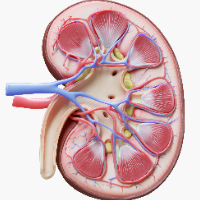
Stage 4 Chronic Kidney Disease (CKD)
Kidney Disease
Stage 4 Chronic Kidney Disease (CKD) About Stage 4 CKD Stage 4 CKD means you have severe loss of kidney function. People with stage 4 CKD have an estimated glomerular filtration rate (eGFR) between 15 and 29 for 3 months or more (confirmed with repeat testing to make sure you don’t have acute kidney injury ). Another way to think about these numbers is your kidneys are working at 15-29% of what the average two healthy kidneys in a young person can do. Although urine albumin-creatinine ratio (uACR) results are not needed to confirm CKD at this stage, getting your uACR checked is still important to gain a full picture of your kidney health, as shown in the graphic below. Health risks with stage 4 CKD In stage 4 CKD, you are at the highest risk for having kidney failure and you are at very high risk for heart disease (even if your uACR is lower than 30). As your uACR number goes up, your risks of developing heart disease and kidney failure both go up. Getting your uACR level down as low as possible can still help lower your risk, even if you are not able to get your uACR level into the goal range. CKD complications Stage 4 CKD is also when complications from kidney disease often appear. These complications include: Anemia (low levels of red blood cells) Metabolic acidosis (buildup of acid in the blood) Mineral and bone disorder (when blood levels of calcium and phosphorus are out of balance leading to bone and/or heart disease) Hyperkalemia (high levels of potassium in the blood) In stage 4 CKD, it is important to have regular check-ups with your healthcare professional to continue to monitor for these complications (usually 4 or more times per year). Each of these complications can be monitored with simple blood tests ordered by your healthcare professional. People with stage 4 CKD are also at increased risk of developing high blood pressure . So, it is important to have your blood pressure checked regularly. Signs and symptoms Symptoms are common in stage 4 CKD and can include: Urinating (peeing) more often or less often than usual Itchy and/or dry skin Feeling tired Trouble concentrating Numbness or swelling in your arms, legs, ankles, or feet Achy muscles or cramping Shortness of breath Nausea and/or vomiting Loss of appetite Trouble sleeping Breath smells like ammonia (also described as urine-like or “fishy”) There are many things you can do now to slow down or stop your CKD from getting worse. Sadly, even if you get treatment and are careful about your health, your kidneys may still fail. Still, any steps you take now to improve or maintain your health can still help you in the long term. Your kidney health is unique. Your path should be too. Get Started Lifestyle recommendations Now is a great time to make healthier lifestyle choices: If you smoke and/or use tobacco products , stop. Smoking can speed up the kidney disease process and increase your risk of getting kidney failure. It also increases your risk for other serious health problems, including high blood pressure, heart disease, cancers, and stroke. Exercise regularly . Remember, it’s okay to start slowly – taking short walks is a great way to begin. Sleeping well is important, too. Try to get enough sleep so you are well-rested. If you are overweight , losing weight through a balanced diet and physical activity can help improve your health in many ways. Find ways to reduce and manage stress in your life. Nutrition With stage 4 CKD, it is very likely that you will need to change the kinds of foods you eat. It will be important to limit your sodium (salt) intake to less than 2300 mg per day (about 1 teaspoon of salt from all the food and drinks you consume each day). Your healthcare professional may advise an even lower target depending on your other health conditions. This means a lot more than not using a saltshaker, but also limiting foods with high levels of sodium listed on their nutrition facts label . Some foods that don’t taste salty can have a surprising amount of sodium when you check their nutrition facts label. Based on the results of your blood tests, your healthcare professional or kidney dietitian may also advise you to change how much potassium , phosphorus , calcium, and/or protein you might be getting through your diet. Recommendations are highly customized to your body’s specific needs and dietary preferences. So, ask your healthcare professional or kidney dietitian for potential dietary recommendations tailored to you. Meeting with a dietitian can be especially helpful if you also have other health conditions like diabetes or heart failure where it may be important to limit other types of foods. It can feel overwhelming to keep track of so many changes, and a dietitian can help you identify what works best for you. Additional information about eating healthy with kidney disease can be found on the Nutrition and Early Kidney Disease page. Medications In stage 4 CKD, some of your medications may start to build up in your body. This is because about half of all FDA-approved medications are removed from the blood by your kidneys. Stage 4 CKD is also when it can become unsafe to take some medicines. Ask your healthcare professional or pharmacist if any of your medication doses need to be lowered or if any medicines need to be stopped because of your stage 4 CKD. Some medications may be best avoided or limited in use as well. Your healthcare professional may also prescribe one or more medicines to help slow down or stop your CKD from getting worse. These medicines include an ACE inhibitor/ARB , an SGLT2 inhibitor and/or an nsMRA . Your healthcare professional may also prescribe a statin (cholesterol medicine). Guidelines recommend statins for people with stage 4 CKD who also have diabetes, a history of heart disease, or are age 50 or older. Even if you do not have high cholesterol, a statin can help lower your risk of having a heart attack or stroke. You may also need to take additional medications or supplements to manage any CKD complications you might have (if applicable). Always bring an updated list of any medications, vitamins, supplements, and herbal medicines you are taking to all your medical appointments and share it with your healthcare professional. Check with your healthcare professional or pharmacist before starting any supplements, herbal medicines, or other over-the-counter products Other ways to lower your risk In stage 4 CKD, lowering your risk for CKD progression is very important. This includes taking steps to manage other health conditions you may also have, including high blood pressure (hypertension) , diabetes , and high cholesterol . People with stage 4 CKD should also avoid certain pain medicines known as non-steroid anti-inflammatory drugs (NSAIDs) . These can be harmful to your kidneys, especially at higher doses and/or with long-term use. Some examples include: ibuprofen (Motrin, Advil) indomethacin (Indocin) naproxen (Aleve, Naprosyn) diclofenac tablets or capsules (Cataflam, Zipsor) celecoxib (Celebrex) meloxicam (Mobic) aspirin (only if more than 325 mg per day) Many of these medicines are available over the counter and may be sold under a different name or be mixed with other ingredients (like cough & cold medicines). Sometimes it may not be possible to avoid using these products depending on your other health conditions. Always ask your healthcare professional before using any products with these drug names or if the word “NSAID” is printed on the product’s label. In general, acetaminophen, also called Tylenol, is safe for your kidneys at recommended doses - but check with your healthcare professional first to determine the cause of your pain and the best way to treat it. If your healthcare professional says you have metabolic acidosis , increasing the amount of fruits and vegetables you eat everyday can help lower the level of acid in your blood. This can also help slow down your CKD progression (worsening). Additional considerations In stage 4 CKD, it can be helpful to start learning about the different options available for treating stage 5 CKD (kidney failure) . Knowing more about your options can help you plan early. Many people who are on dialysis or waiting for a kidney transplant report wishing they had started researching options earlier. If you are thinking about getting a kidney transplant (even if you are not 100% sure), know that the entire process takes time. So, you may consider taking steps now to start the process. You’ll need to find the right transplant center for you, complete the transplant evaluation , and decide whether to find a living kidney donor or sign up for the kidney transplant waitlist . If you are able to be evaluated and find a living kidney donor soon enough, it may be possible to get the transplant before needing to start dialysis (also known as a preemptive transplant ). If you are thinking about signing up for the transplant waitlist and have an eGFR of 20 or less , contact a transplant center to get evaluated so you can begin building your “ wait time ” on the deceased donor transplant list. For more information about things to consider, visit the following resources: Choosing a Treatment for Kidney Failure The Kidney Transplant Waitlist – What You Need to Know Dialysis Living Well With Kidney Failure What kidney failure is and how it affects your body Treatment options for kidney failure Overcoming challenges that can come with kidney failure Watch Playlist First Steps to Transplant Free, self-paced online videos about the transplant evaluation and how to get on the waitlist. Get Started Are you coping with kidney disease? We can help! We can connect you with another kidney patient to talk about kidney disease, dialysis, transplant, or living kidney donation. Join NKF Peers Questions to ask your Doctor Lowering risk Am I at a healthy weight? Is my blood pressure within the recommended goal range? Do I have diabetes or prediabetes? If so, is my A1C within the recommended goal range? Do I have albuminuria? How high is my level of risk for developing heart disease or a stroke? What can I do to lower my risk? Monitoring What are my eGFR and uACR numbers? When should I have my eGFR and uACR tested again? What is my bicarbonate level? If it is below the goal level, what can I do to bring it up? Medication safety Are the medications I am taking safe for me with stage 4 CKD? Should the dose of any of my medicines be lowered to prevent side effects or other problems? Steps to take Are there any changes I should make to my diet? Are there any ingredients or foods that I should eat less of or avoid? Should I take any medication(s) to help lower my risk for CKD getting worse? Can you refer me to a kidney dietitian to help me make healthier food choices? Can you refer me to a nephrologist (kidney specialist)? Is there a kidney disease education program in the area that you can refer me to so I can learn more? Do I have any CKD complications like anemia, metabolic acidosis, or mineral and bone disorder? If so, is there anything I should be doing to help manage them? Planning ahead When do you think I will need to start kidney failure treatment, such as dialysis or kidney transplant? Where do I start with this process? What are my options, and can I decide not to have dialysis or a transplant? Can you share any information about the closest dialysis and transplant centers to me so I can start to research my options? More resources Kidney Disease and Albuminuria/Proteinuria NKF Council on Renal Nutrition CKD Kidney Dietitian Directory Organ Procurement & Transplantation Network (OPTN) NKF Kidney Learning Center Back to Stages of Kidney Disease Main Page Stages of Kidney Disease Source: https://www.kidney.org/kidney-topics/stage-4-chronic-kidney-disease-ckd
Stage 5 Chronic Kidney Disease (CKD)
Kidney Disease
Stage 5 Chronic Kidney Disease (CKD) About Stage 5 CKD Stage 5 CKD means you have kidney failure (also known as end-stage kidney disease or ESKD). People with stage 5 CKD have an estimated glomerular filtration rate (eGFR) less than 15 for 3 months or more (confirmed with repeat testing to make sure you don’t have acute kidney injury ) or they are on dialysis. Another way to think about these numbers is your kidneys are working less than 15% of what the average two healthy kidneys in a young person can do. For this reason, people with stage 5 CKD will need dialysis or a kidney transplant to survive. Health risks with stage 5 CKD In stage 5 CKD, you are at the highest risk for heart disease (even if your urine albumin-creatinine ratio (uACR) is lower than 30). As your uACR number goes up, your risk of developing heart disease also goes up. CKD complications Many people living with stage 5 CKD also have one or more complications from kidney disease. These complications include: Anemia (low levels of red blood cells) Metabolic acidosis (buildup of acid in the blood) Mineral and bone disorder (when blood levels of calcium and phosphorus are out of balance leading to bone and/or heart disease) Hyperkalemia (high levels of potassium in the blood) In stage 5 CKD, it is important to have regular check-ups with your healthcare professional to continue to monitor for these complications, especially if you are on dialysis. Each of these complications can be monitored with simple blood tests ordered by your healthcare professional. Signs and symptoms Symptoms are common in stage 5 CKD and can include: Urinating (peeing) less often than usual or not at all Itchy and/or dry skin Feeling tired Trouble concentrating Numbness or swelling in your arms, legs, ankles, or feet Achy muscles or cramping Shortness of breath Nausea and/or vomiting Loss of appetite Trouble sleeping Breath smells like ammonia (also described as urine-like or “fishy”) Your kidney health is unique. Your path should be too. Get Started Living Well With Kidney Failure Watch some short videos to learn more about: What kidney failure is and how it affects your body Treatment options for kidney failure Overcoming challenges that can come with kidney failure Watch Videos Lifestyle recommendations Now is still a great time to make healthier lifestyle choices: If you smoke and/or use tobacco products , stop. Smoking can limit your access to some treatment options for kidney failure, such as kidney transplant. It also increases your risk for other serious health problems, including high blood pressure, heart disease, cancers, and stroke. Exercise regularly . Remember, it’s okay to start slowly – taking short walks is a great way to begin. You will want to check with your healthcare professional first to make sure it is safe for you to exercise. Sleeping well is important, too. Try to get enough sleep so you are well-rested. If you are overweight , losing weight through a balanced diet and physical activity can help improve your health in many ways. Find ways to reduce and manage stress in your life. Treatments Dialysis and kidney transplant are the only two treatments for people with kidney failure. You also have the option to choose not to pursue either option, also known as “conservative management”. A brief overview of each option is available below. Dialysis Kidney Transplant Conservative Management No matter how you choose to treat your kidney failure, it will also be important for you to continue managing any other health conditions you may have, including high blood pressure and/or diabetes. Nutrition With stage 5 CKD, it is very likely that you will need to change the kinds of foods you eat. This is because your kidneys are not able to get rid of enough waste products and fluids from your body on their own. It is important that you are getting the right amounts of protein, calories, vitamins, and minerals in your diet. It is important to limit your sodium (salt) intake to less than 2300 mg per day (about 1 teaspoon of salt from all the food and drinks you consume each day). Your healthcare professional may advise an even lower target depending on your other health conditions. This means a lot more than not using a saltshaker, but also limiting foods with high levels of sodium listed on their nutrition facts label . Some foods that don’t taste salty can have a surprising amount of sodium when you check their nutrition facts label. Based on the results of your blood tests, your healthcare professional or kidney dietitian may also advise you to change how much potassium , phosphorus , calcium, and/or protein you might be getting through your diet. Depending on how little urine you make and how much fluid weight you may gain daily, you may also need to limit how many fluids you eat or drink in a day. This includes coffee, tea, water, and any food that is liquid at room temperature. Recommendations are highly customized to your body’s specific needs, dietary preferences, and which treatment option you choose for your kidney failure. So, ask your healthcare professional or kidney dietitian for dietary recommendations tailored to you. Meeting with a dietitian can be especially helpful if you also have other health conditions like diabetes or heart failure where it’s also important to limit certain types of foods. It can feel overwhelming to keep track of so many changes, and a dietitian can help you identify what works best for you. Additional information about eating healthy with kidney failure can be found on the following pages: Nutrition and Kidney Failure Nutrition and Hemodialysis Nutrition and Peritoneal Dialysis Nutrition for Children with Chronic Kidney Disease Fluid Overload in a Dialysis Patient Medications In Stage 5 CKD, it is important to work closely with your healthcare professional and pharmacist to make sure your medicines continue to be safe for you and to lower the risk of side effects. Many medications are removed from the blood by your kidneys. This does not apply to all medications. If you are on dialysis, review your medicine list with your healthcare professional or pharmacist to see if you need to change when you are taking your medications. Some medications are removed quickly from your body during dialysis, making them less effective if not taken at the right time. Specific recommendations depend on which medications you are taking and the type of dialysis treatment you receive. You may also need to take additional medications or supplements to manage any CKD complications you might have (if applicable). These products may include iron, calcium, vitamin D, sodium bicarbonate, or medicines that lower phosphorus or potassium levels in the blood. Do not start any of these products without consulting your healthcare professional first. To lower the number of pills you need to take each day, your healthcare professional may also stop some of the medicines you were taking to slow down or stop your CKD from getting worse. This may include the ACE inhibitor/ARB , SGLT2 inhibitor , nsMRA , and/or statin (cholesterol medicine) depending on your other health conditions and risk factors. Always bring an updated list of any medications, vitamins, supplements, and herbal medicines you are taking to all your medical appointments and share it with your healthcare professional. Check with your healthcare professional or pharmacist before starting any supplements, herbal medicines, or other over-the-counter products. Do not change your medicine dose or stop taking any medicines unless you talk with your healthcare team first. Other ways to lower your risk In Stage 5 CKD, it is still very important to continue taking steps to manage your other health conditions you may also have, including high blood pressure (hypertension) , diabetes , and high cholesterol . People with Stage 5 CKD should also avoid certain pain medicines known as non-steroid anti-inflammatory drugs (NSAIDs) . These can be harmful to your kidneys, especially at higher doses and/or with long-term use. Some examples include: ibuprofen (Motrin, Advil) indomethacin (Indocin) naproxen (Aleve, Naprosyn) diclofenac tablets or capsules (Cataflam, Zipsor) celecoxib (Celebrex) meloxicam (Mobic) aspirin (only if more than 325 mg per day) Many of these medicines are available over the counter and may be sold under a different name or be mixed with other ingredients (like cough & cold medicines). Sometimes it may not be possible to avoid using these products depending on your other health conditions. Always ask your healthcare professional before using any products with these drug names or if the word “NSAID” is printed on the product’s label. In general, acetaminophen, also called Tylenol, is safe for your kidneys at recommended doses - but check with your healthcare professional first to determine the cause of your pain and the best way to treat it. Learn More About the First Steps to Transplant A self-paced online guide to transplant evaluation and getting on the waitlist. Take Course Questions to ask your Doctor Lowering risk Am I at a healthy weight? Is my blood pressure within the recommended goal range? Do I have diabetes or prediabetes? If so, is my A1C within the recommended goal range? Monitoring When should I have my eGFR and uACR tested again? How often should I meet with a nephrologist (kidney specialist)? Medication safety Are the medications I am taking safe for me with stage 5 CKD? Should I stop any of my medications because of my stage 5 CKD? Should the dose of any of my medicines be lowered to prevent side effects or other problems? Steps to take Are there any changes I should make to my diet? Are there any ingredients or foods that I should eat less of or avoid? Can you refer me to a kidney dietitian to help me make healthier food choices? Do I need to limit the amount of fluid I consume? Should I change anything about how I am taking my medications to not interfere with my dialysis treatments? Who can I talk to for more help with deciding which treatment option I want? Planning ahead When do you think I will need to start kidney failure treatment, such as dialysis or kidney transplant? Where do I start with this process? How can I start the process to be evaluated for a kidney transplant and get placed on a kidney transplant list? How do I prepare for the type of dialysis that I choose? More resources NKF Council on Renal Nutrition CKD Kidney Dietitian Directory Choosing a Treatment for Kidney Failure Medicare Basics: End Stage Kidney Disease (ESKD) Organ Procurement & Transplantation Network (OPTN) The Kidney Transplant Waitlist – What You Need to Know NKF Transplants for All NKF Kidney Learning Center Back to Stages of Kidney Disease Main Page Stages of Kidney Disease Source: https://www.kidney.org/kidney-topics/stage-5-chronic-kidney-disease-ckd
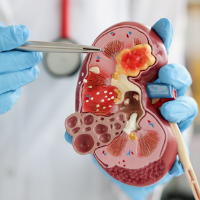
Tests to Check Your Kidney Health
Kidney Disease
Tests to Check Your Kidney Health About your kidneys Most people have two kidneys, each about the size of an adult fist, located on either side of the spine just below the rib cage. Although they are small, your kidneys do many important jobs . Some of the ways they keep your whole body in balance include: Removing natural waste products and extra water from your body Helping make red blood cells Balancing important minerals in your body Helping maintain your blood pressure Keeping your bones healthy Your healthcare provider will order tests every so often to check on your kidney health. The specific test(s) they order depends on any symptoms you may have and other factors. The information below serves as a quick guide to the different tests that your healthcare provider might order to check your kidney health. What are your Kidney Numbers? uACR and eGFR Explained Blood tests Serum creatinine Creatinine is a waste product that comes from the digestion of protein in your food and the normal breakdown of muscle tissue. It is removed from your body through the kidneys. A “normal” creatinine level in the blood is hard to define because it can change depending on your age, sex, body size, and other factors. For this test, a lower number is better. High creatinine levels can be a sign of acute kidney injury and/or chronic kidney disease . Cystatin C Cystatin C is a protein that is produced by the cells in your body. Like creatinine, it is also removed from the body through the kidneys. So, it is another option to use to calculate your eGFR, if needed. This test is not as common as the creatinine test and can be more expensive. For this test, a lower number is better. Estimated glomerular filtration rate (eGFR) The estimated glomerular filtration rate (eGFR) is an estimate of how well your kidneys are removing waste products from the blood. It is calculated using your serum creatinine level, age, and sex. It can also be calculated using your cystatin C level. A “normal” eGFR varies according to age – it decreases as you get older. For this test, a higher number is better. In general, an eGFR value lower than 60 is a sign that the kidneys may not be working properly. An eGFR lower than 15 is a marker of kidney failure. In less common situations where a more accurate measure of your kidney function is needed, your healthcare provider may order a measured GFR (mGFR) . Blood urea nitrogen (BUN) Urea nitrogen is a waste product in your blood that comes from the breakdown of protein in the foods you eat. It is removed from the body through the kidneys. A “normal” BUN level varies, and usually increases as you get older. Checking your BUN level is usually not very helpful by itself. So, your healthcare provider will likely compare your BUN level to your creatinine and eGFR levels when evaluating your kidney health. Urine tests Urinalysis A urinalysis is a simple test that checks a small sample of your urine for many different things. First, a visual exam is done to check for things like color and how cloudy the sample is. Next, a dipstick (chemically treated test strip) is dipped into the urine sample. The strip changes color in the presence of abnormalities – for example, high amounts of acid, albumin (protein), bacteria, blood, pus, or sugar. Last, the sample may be looked at under a microscope for a more detailed look, though not always. Urine albumin-creatinine ratio (uACR) The urine albumin-creatinine ratio (uACR) test measures the amount of two different substances in your urine – albumin (protein) and creatinine. Healthy kidneys keep the albumin in your blood while filtering the creatinine out into the urine. So, there should be very little or no albumin in your urine. The uACR is calculated by dividing the amount of urine albumin by the amount of urine creatinine to find the ratio. A “normal” uACR level is lower than 30 mg/g. For this test, a lower number is better. A uACR level of 30 mg/g or higher can be a sign of albuminuria . 24-hour urine collection A 24-hour urine collection test can be ordered for many reasons – kidney stones , glomerular disease , or to measure your kidney function. This test requires collecting all the urine you make over a 24-hour period in a special container. So, it is not as common as the other urine tests that only need a small sample given at one time. It is usually used as a next-step option if abnormal results are found using one of the other testing methods or in less common clinical situations. Imaging tests Ultrasound This test uses sound waves to get a general picture of your kidneys or other organs. It may be used to look for abnormalities in size or position of the kidneys, or look for obstructions such as stones or tumors. This test usually does not use intravenous contrast dye to be done. Computerized tomography (CT) scan This test uses x-rays to get many detailed pictures of the kidneys or other parts of the body. Like ultrasound, it can also be used to look for structural abnormalities or obstructions. This test may require the use of intravenous contrast dye which can be of concern for people living with kidney disease. Magnetic resonance imaging (MRI) This test uses strong magnets and radio waves to get many detailed pictures of the kidneys or other parts of the body. Like ultrasound, it can also be used to look for structural abnormalities or obstructions. This test may require the use of intravenous contrast dye which can be of concern for people living with kidney disease. An MRI scan can last about 20-90 minutes depending on which part of the body is being imaged. Other tests Kidney Biopsy A kidney biopsy is a test in which one or more tiny pieces (samples) of your kidney is removed and then looked at with a microscope. Your healthcare provider may order a kidney biopsy if they need more information after looking at your blood tests, urine tests, or medical imaging results. Some examples of when a biopsy may be needed include certain types of kidney disease such as nephrotic syndrome or glomerular disease . A biopsy may also be needed if you received a kidney transplant and it is not working well. Measured glomerular filtration rate (mGFR) The measured glomerular filtration rate (mGFR) directly measures how well your kidneys are removing waste products from the blood. It can be a complicated and lengthy process. So, it is not used as often as the estimated GFR (eGFR). Your healthcare provider may recommend this test if a more accurate measure of your kidney function is needed. There are many ways to complete this test – some involve a 24-hour urine collection while others involve multiple blood samples taken over several hours. More resources United States Food & Drug Administration – Medical Imaging Stages of chronic kidney disease (CKD) Source: https://www.kidney.org/kidney-topics/tests-to-check-your-kidney-health
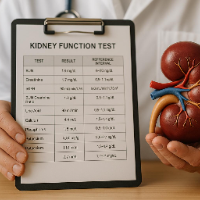
Understanding your lab values and other CKD health numbers
Kidney Disease
Understanding your lab values and other CKD health numbers About your lab values and other CKD health numbers It is normal to feel like living with chronic kidney disease (CKD) sometimes means you need to learn a new language. CKD is a complex condition that worsens over time. Early on, only a small number of tests may be needed. As CKD gets worse, your kidneys have a harder time doing all their jobs like helping make red blood cells, balancing important minerals, and keeping your bones healthy. So, you may notice more tests being checked and/or checked more often as your CKD gets worse. You may also need extra tests to monitor for other health conditions that are related to kidney disease. Having regular visits with your healthcare professionals and getting your recommended lab work done can help you stay up to date with your health. But you may not be familiar with why some of these measures of your kidney-related health and wellbeing are used. So, the information below serves as a quick guide to the different types of health information that you may see in your medical record that is important for people living with CKD. Some of these tests require a blood or urine sample (also called “lab tests” or “labs”) – these are usually sent to a laboratory for measurement. Other measures, like weight or blood pressure, are usually done in an exam room. If you have questions about your results, always talk with your healthcare professional first before taking any action. Everybody's situation is different - some of these tests may not apply to you. Similarly, your situation may need a test that is not included in this list. Also, having test results that are not in the "normal" range (as provided on your lab sheet) doesn't always mean there is a problem or concern. Measuring your general health Blood pressure A healthy blood pressure is very important for your kidneys and overall health. High blood pressure puts extra stress on your kidneys, heart, and blood vessels - increasing your risk for heart attack, stroke, and worsening kidney disease. Low blood pressure makes it hard for your blood to deliver oxygen and nutrients to all the different parts of your body. This increases your risk for acute kidney injury . It can also increase your risk for dizziness and falling. Your blood pressure is reported as 2 separate numbers – for example “120/80” or “120 over 80”. The first/top number (called “systolic pressure”) is the pressure in your blood vessels during each heartbeat - when blood is actively pumped out of your heart to the rest of your body. The second/bottom number (called “diastolic pressure”) is the pressure in your blood vessels when your heart is resting between each beat. The recommended blood pressure target may vary depending on factors like your age, other health conditions, risk of falling, and whether you are on dialysis . Ask your healthcare professional what your goal blood pressure should be. Weight Maintaining a healthy weight is important for your overall health. The definition of healthy weight depends on many other factors like your height, age, and other health conditions. So, ask your healthcare professional what a healthy body weight is for you. If you are underweight or losing weight without trying, you may not be getting the right nutrition to stay healthy. If you are overweight or slowly gaining weight, you may be getting too many calories and/or not enough physical activity. In either of these situations, working with a dietitian can help you find ways to safely add or remove extra calories to your diet and make sure you get the right nutrition. Sudden weight gain can also be a serious problem, especially if you are on dialysis and/or have heart failure. It may be a sign of too much fluid in your body, especially if it also comes with symptoms like swelling, shortness of breath, and/or a rise in blood pressure. If you are on dialysis and/or living with heart failure, it is important to ask your healthcare professional what your dry weight is – your “normal” weight without any extra fluid in your body. As part of your treatment plan, your healthcare professional may recommend weighing yourself at a certain time every day. After you check your weight, compare the number to your dry weight number. If your weight has gone up or down by too much (as defined by your healthcare professional’s directions), contact your dialysis center or clinic for further instructions. Measuring your kidney health Serum (blood) creatinine Creatinine is a waste product in your blood that comes from the digestion of protein in your food and the normal breakdown of muscle tissue. It is removed from your body through the kidneys. If you have kidney disease, the kidneys can have trouble removing creatinine from your blood. So, the level of creatinine in your blood starts to go up. High creatinine levels can be a sign of acute kidney injury and/or chronic kidney disease . A “normal” creatinine level in the blood is hard to define because it can change depending on your age, sex, body size, and other factors. Cystatin C Cystatin C is a protein that is produced by the cells in your body. Like creatinine, it is also removed from the body through the kidneys. If you have kidney disease, the kidneys can have trouble removing cystatin C from your blood. So, the level of cystatin C in your blood starts to go up. For some people, this blood test can be helpful to measure instead of (or in addition to) your serum creatinine to check your kidney health. This test is not as common as the creatinine test and can be more expensive. Estimated glomerular filtration rate (eGFR) The estimated glomerular filtration rate (eGFR) is an estimate of how well your kidneys are removing waste products from the blood. It is calculated using your serum (blood) creatinine level, age, and sex. It can also be calculated using your cystatin C level instead of, or in addition to, your serum (blood) creatinine level. A “normal” eGFR varies according to age – it naturally decreases as you get older. For this test, a higher number is better . If you have chronic kidney disease (CKD) , the eGFR is used to determine your CKD stage . In general, an eGFR value lower than 60 is a sign that the kidneys may not be working properly. An eGFR lower than 15 is a marker of kidney failure . Measured glomerular filtration rate (mGFR) In less common situations where a more accurate measure of your kidney function is needed, your healthcare provider may order a measured glomerular filtration rate (mGFR) . The mGFR is a direct measure of how well your kidneys are removing waste products from the blood. It can be a complicated and lengthy process. So, it is not used as often as the estimated GFR (eGFR). Your healthcare professional may recommend this test if a more accurate measure of your kidney function is needed. There are many ways to complete this test – some involve collecting all the urine you make in 24 hours; others involve multiple blood samples taken from your arm over several hours. The mGFR is sometimes called a different name - measured creatinine clearance (mCrCl). Blood urea nitrogen (BUN) Urea nitrogen is a waste product in your blood that comes from the breakdown of protein in the foods you eat. It is removed from the body through the kidneys. A “normal” BUN level varies, and usually increases as you get older. Checking your BUN level is usually not very helpful by itself. So, your healthcare provider will likely compare your BUN level to your creatinine and eGFR levels when evaluating your kidney health. Urine albumin-creatinine ratio (uACR) The urine albumin-creatinine ratio (uACR) test measures the amount of two different substances in your urine (pee) – albumin (protein) and creatinine. Healthy kidneys keep the albumin in your blood while filtering the creatinine out into the urine. So, this test checks to see how well your kidneys are keeping albumin in your body and sending creatinine out. The uACR is calculated by comparing the amount of albumin in your urine with the amount of creatinine in your urine to find the ratio. A “normal” uACR level is less than 30 mg/g. For this test, a lower number is better . A uACR level of 30 mg/g or more can be a sign of albuminuria . When you check the results from this test on your lab report, you may see many different numbers. Focus on the result that has the word ratio in the name. For example, the name on your report may be “alb/creat ratio”, “albumin/creat ratio”, or “albumin/creat ratio, random urine”. Urine protein-creatinine ratio (uPCR) This test is very similar to the uACR test described above. But instead of measuring only the amount of albumin in your urine (pee), it measures all the different proteins that may be present. In some forms of kidney disease (like IgA nephropathy , lupus nephritis , or glomerulonephritis ) or when testing children for protein in their urine , your healthcare professional may choose to measure your uPCR instead of uACR. A “normal” uPCR level is less than 150 mg/g. For this test, a lower number is better . A uPCR level of 150 mg/g or more can be a sign of proteinuria . Measuring your balance of important minerals and acidity Potassium Potassium is an important mineral found throughout your body. It is needed for many of your body’s functions – like keeping your heart beating regularly and muscles working properly. Your kidneys help keep the right amount of potassium in the blood. In more advanced stages of chronic kidney disease , your kidneys may have a hard time removing extra potassium from the blood, especially if you are on dialysis. People living with CKD can also be at risk for low potassium, especially during earlier stages of CKD. The recommended goal potassium level for most people is between 3.5 and 5. Sodium Sodium is an important mineral that helps balance the amount of fluid in your body. It also helps your nerves and muscles to work properly. Your kidneys play an active role in keeping your fluid levels balanced, partly by helping get rid of any extra sodium in your body through your urine. In more advanced stages of chronic kidney disease , your kidneys may have a hard time balancing your fluid and blood sodium levels. This can increase your risk of high blood pressure, edema (swelling), and/or heart failure. Having a sodium level higher or lower than the goal range can be a result of many things. So, your healthcare professional will likely compare your results from this test with your other test results (such as serum creatinine, glucose, potassium, carbon dioxide, and/or urine tests). When looked at together, your healthcare professional can provide you with custom guidance for resolving the issue (if applicable). However, it is also possible to have a normal sodium level while still consuming too much sodium (salt). When your blood sodium level goes up, your body tries to balance it out by holding on to extra water. This is what causes symptoms like thirst, swelling, high blood pressure, and/or shortness of breath. It is important to limit your sodium (salt) intake to less than 2300 mg per day. Your healthcare professional may advise an even lower target depending on your other health conditions. Serum (blood) bicarbonate / carbon dioxide (CO2) Bicarbonate is needed in your blood to stop it from getting too acidic. Most of the bicarbonate in your body is in the form of carbon dioxide (CO2), a waste product from when your body turns food into energy. So, another name for this blood test is your “serum carbon dioxide (CO2)” level. The kidneys work together with the lungs to keep your bicarbonate (carbon dioxide) level in your blood in the goal range. In more advanced stages of chronic kidney disease , your kidneys may have a hard time removing extra acidic waste products from the blood. This is also known as metabolic acidosis . A bicarbonate/CO2 level less than 22 mEq/L can be a sign your blood has too much acid – talk with your healthcare professional about a treatment plan if your labs show a CO2 (bicarbonate) level less than 22. Measuring CKD complications: nutrition & malnourishment Serum albumin Normalized protein nitrogen appearance (nPNA) Subjective global assessment (SGA) Measuring CKD complications: anemia Anemia happens when you have low levels of red blood cells in your blood. Red blood cells carry oxygen from your lungs to the rest of your body. The kidneys play a very active role in helping your body make these red blood cells. Also, people living with advanced CKD can have problems absorbing iron from food. They are also at high risk for repeated blood loss from frequent blood tests and during dialysis . This makes the kidneys try to make even more red blood cells when they are having trouble keeping up in the first place. So, having a more advanced stage of chronic kidney disease increases your risk of anemia, especially for people who are on dialysis . Keep in mind that anemia is not always caused by CKD and the descriptions below are general guides to the most common tests. If you have anemia, talk with your healthcare professional about what the primary cause may be and how you can treat it. Hemoglobin (Hgb) Hematocrit (Hct) Ferritin Transferrin saturation (TSAT) Mean corpuscular volume (MCV) Measuring CKD complications: mineral and bone disorder (CKD-MBD) Your kidneys play a very active role in balancing the ingredients needed for healthy bones – calcium, phosphorus, and vitamin D. In more advanced stages of chronic kidney disease , your kidneys may have a hard time activating vitamin D (which is needed to absorb calcium from your food) and removing extra phosphorus from the blood. This increases your risk of having calcium and phosphorus levels that are out of balance (also known as secondary hyperparathyroidism ). Without close monitoring and treatment, this can cause CKD-related bone disease (also known as CKD-mineral and bone disorder or CKD-MBD). Parathyroid hormone (PTH) Serum calcium Serum Phosphorus Vitamin D (25-hydroxyvitamin D; 25(OH)D; calcidiol) Measuring CKD complications: cardiovascular disease (CVD) People living with chronic kidney disease are at an increased risk of having cardiovascular disease (heart attack or stroke). This is especially true if you have an advanced stage of CKD and/or if you have albuminuria . Your risk of CVD (heart attack or stroke) is increased even more if you also have high cholesterol. Cholesterol is a fat-like substance found throughout your body and in your blood. It is important for keeping your cells and organs healthy. Your body gets cholesterol from two places – it is absorbed from food and made in your liver. Too much cholesterol in your blood can lead to it attaching to the walls of your blood vessels, making them narrow or blocking them altogether. A typical cholesterol test usually checks your blood for four different things: Total cholesterol (TC) HDL cholesterol (HDL-C) LDL cholesterol (LDL-C) Triglycerides (TG or “trigs”) Measuring CKD risk factors: diabetes High blood glucose (sugar) levels over a long period of time can damage the kidneys. So, diabetes is a very strong risk factor for developing chronic kidney disease. This is especially true if your blood sugar levels are higher than your goal range for long periods of time. Two of the most common tests used to diagnose and monitor diabetes are the hemoglobin A1C and serum (blood) glucose level. Hemoglobin A1C Serum (blood) glucose (sugar) Questions for your healthcare team Am I at a healthy weight? What is my recommended goal blood pressure? What is my goal A1C and/or blood glucose level? What is my “dry weight”? What should I do if my weight at home is much higher or lower than my “dry weight”? Are there any test results in my lab work that you are especially concerned about or that I should pay special attention to? Which of my results have a different goal level or range than the “normal” range that is shared with my lab results? More Resources Kidney Failure and the Kidney Failure Risk Equations (KFRE) Dining out with confidence Nutrition and Chronic Kidney Disease Source: https://www.kidney.org/kidney-topics/understanding-your-lab-values-and-other-ckd-health-numbers