
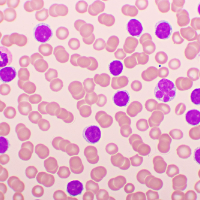
Acute Lymphocytic Leukemia (ALL) in Adults
Cancer Conditions
- 270 W Peachtree St NW #1300, Atlanta, GA 30303, USA(800) 227-2345https://www.cancer.org/cancer/types/acute-lymphocytic-leukemia.html
Acute Lymphocytic Leukemia (ALL) in Adults
Get an overview of acute lymphocytic leukemia (also known as acute lymphoblastic leukemia) and the latest key statistics in the US.
What Is Acute Lymphocytic Leukemia (ALL)?
Acute lymphocytic leukemia (ALL) is a cancer that starts in your bone marrow (the soft inner part of certain bones, where new blood cells are made).You might also hear it called acute lymphoblastic leukemia.
With this type of leukemia, the cancer cells usually invade your blood fairly quickly. They can also sometimes spread to other parts of your body, including your lymph nodes, liver, spleen, central nervous system (brain and spinal cord), testicles (in males), and other organs.
What Is Cancer?
Cancer starts when cells in the body begin to grow out of control. Cells in nearly any part of the body can become cancer cells. Learn more here.
What type of leukemia is ALL?
Leukemias are cancers that start in cells that would normally develop into different types of blood cells. Most often, leukemia starts in early forms of white blood cells, but some leukemias start in other blood cell types.There are several types of leukemia. They are divided based mainly on whether the leukemia is acute (fast growing) or chronic (slower growing), and whether it starts in myeloid cells or lymphoid cells.
ALL is an acute (fast-growing) leukemia that starts in lymphoid cells.
Key facts about ALL
- ALL is an acute leukemia; it can progress quickly and usually needs to be treated right away.
- It is more common in children and teens than in adults.
- It starts in early (immature) forms of lymphocytes, a type of white blood cell.
There are 2 main types of ALL:
- B-cell ALL starts in early forms of B lymphocytes (B cells).
- T-cell ALL starts in early forms of T lymphocytes (T cells).
ALL can start in early B cells or T cells at different stages of maturity. This is discussed in Acute Lymphocytic Leukemia (ALL) Subtypes and Prognostic Factors.
What is the difference between lymphocytic leukemia and lymphoma?
ALL isn’t the only cancer that starts in the lymphocytes. Other types of cancer, such as lymphomas, also start in these cells. (This is true of non-Hodgkin lymphoma and Hodgkin lymphoma.)
The main difference between lymphocytic (lymphoblastic) leukemias like ALL and lymphomas:
- Leukemias mainly affect the bone marrow and blood.
- Lymphomas mainly affect the lymph nodes or other organs, although they may also involve the bone marrow.
But there is often some overlap.
Sometimes it can be hard to tell if a cancer of lymphocytes is a leukemia or a lymphoma. In fact, the World Health Organization considers ALL and lymphoblastic lymphoma (LBL) to be different versions of the same disease (ALL/LBL).
- Usually, if at least 20% of the bone marrow is made up of early forms lymphocytes (called lymphoblasts or just blasts), the disease is called ALL.
- If the disease is in other parts of the body with fewer blasts in the bone marrow, it is labeled as LBL.
Dig deeper
- Anatomy Gallery —Blood Cells and Bone Marrow (includes more about lymphocytes)
- How Do Blood Cells Mature and What Happens When They Don’t Form Normally
Questions to Ask Your Doctor About Acute Lymphocytic Leukemia (ALL)
It's important to have open and honest discussions with your cancer care team about your acute lymphocytic leukemia (ALL). Ask about anything you don’t understand or want to know more about.
Below are questions to consider asking about your ALL.
When you're told you have ALL
- Can you explain what ALL is?
- How is it different from other types of leukemia?
- What subtype of ALL do I have? What does this mean?
- Are there other factors that might affect my prognosis?
- Do I need any other tests before we can decide on treatment?
- Do I need to see any other types of doctors?
When deciding on a treatment plan for ALL
- How much experience do you and this medical center have in treating ALL?
- What are my treatment choices?
- What do you recommend, and why?
- Should we consider a stem cell transplant? When?
- Should I get a second opinion before starting treatment? Can you suggest a doctor or medical center?
- How soon do I need to start treatment?
- What should I do to be ready?
- How long will treatment last? What will it be like? Where will it be done?
- What are the risks and side effects of the treatments that you recommend?
- Could treatment affect my ability to have children? If so, how?
- How will treatment affect my daily activities?
- What is my prognosis (outlook)?
During and after treatment for ALL
Once treatment begins, you’ll need to know what to expect and what to look for. Not all of these questions may apply to you, but getting answers to the ones that do can be helpful.
- How will we know if the treatment is working?
- What type of follow-up will I need after treatment?
- Is there anything I can do to manage side effects?
- What symptoms or side effects should I tell you about right away?
- How can I reach you on nights, holidays, or weekends?
- Do I need to change what I eat during treatment?
- Are there any limits on what I can do?
- Should I exercise? What should I do, and how often?
- What are my options if treatment isn’t working?
- Where can I find more information and support?
- Can you suggest a mental health professional I can see if I start to feel overwhelmed, depressed, or distressed?
Be sure to write down any questions you have that aren’t on this list. For example, you might want to ask about recovery times so you can plan your work or activity schedule. Or you might want to ask if you qualify for any clinical trials.
Remembering what the doctor says
It can be hard to remember everything you’re told at each doctor’s visit, especially if you’re anxious or afraid.
Even if the doctor carefully explains things, you might not hear or remember all that’s said or shown to you. Here are some ways to help you remember everything your doctor tells you.
- Take notes on what your doctor says.
- Ask if you can record your talks.
- Take a family member or friend with you.
- Ask them to take notes and remind you of questions you want to ask, so you can focus on listening and talking directly with the doctor.
Doctors aren’t the only ones who can give you information. Other health care professionals, such as nurses and social workers, can answer a lot of your questions.
To learn more about speaking with your health care team, see The Doctor-Patient Relationship.
Additional Information
- What Is Acute Lymphocytic Leukemia (ALL)?
- If you've been diagnosed with acute lymphocytic leukemia (ALL) or are worried about it, you likely have a lot of questions. Learning some basics is a good place to start.
- Key Statistics
- See the latest estimates for new cases of acute lymphocytic leukemia (ALL) and deaths in the US.
- What’s New in ALL Research?
- Research into causes, prevention, and treatment of acute lymphocytic leukemia is ongoing in many medical centers throughout the world. Find out what's new.
- About Acute Lymphocytic Leukemia (ALL)
- What’s New in Acute Lymphocytic Leukemia (ALL) Research?
- Key Statistics for Acute Lymphocytic Leukemia (ALL)
- What Is Acute Lymphocytic Leukemia (ALL)?
- Causes, Risk Factors, and Prevention
- Early Detection, Diagnosis, and Types
- Treating Acute Lymphocytic Leukemia (ALL)
- After Treatment
- Can Acute Lymphocytic Leukemia (ALL) Be Found Early?
- Signs and Symptoms of Acute Lymphocytic Leukemia (ALL)
- Tests for Acute Lymphocytic Leukemia (ALL)
- Acute Lymphocytic Leukemia (ALL) Subtypes and Prognostic Factors
- Chemotherapy for Acute Lymphocytic Leukemia (ALL)
- Targeted Therapy Drugs for Acute Lymphocytic Leukemia (ALL)
- Immunotherapy for Acute Lymphocytic Leukemia (ALL)
- Surgery for Acute Lymphocytic Leukemia (ALL)
- Radiation Therapy for Acute Lymphocytic Leukemia (ALL)
- Stem Cell Transplant for Acute Lymphocytic Leukemia (ALL)
- Health Professionals Who Are Part of a Cancer Care Team