
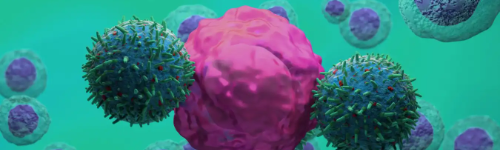
Adoptive Cell Therapies (Modified Stem Cells)
Stem Cell Therapy
Adoptive Cell Therapies (Modified Stem Cells)
This involves collecting a patient's immune cells, genetically modifying them to fight a specific disease (like CAR T-cell therapy), and infusing them back into the body.
- CAR T-Cell: Widely approved for various liquid cancers and currently being tested for severe autoimmune diseases.
- Gene-Edited HSCT: Newer therapies like Casgevy use CRISPR technology to fix genetic faults in a patient’s own blood-forming stem cells.
Questions to ask your Doctor - Adoptive Cell Therapies (Modified Stem Cells)
These therapies involve genetically modified immune cells and require vigilance for specific inflammatory reactions.
- CRS Risk: What is the clinic’s protocol for managing Cytokine Release Syndrome (CRS) or other serious allergic reactions during the infusion?
- Logistics: Will I need a dedicated caregiver during the process, and do I need to remain close to the treatment center for a specific period after infusion?
- Integration: How is this therapy different from a standard stem cell transplant in terms of how it will fight my specific cancer or disease?
- Post-Treatment Life: Will I be able to continue working, and what are the specific signs of "delayed" side effects I should look for months later?
Adoptive Cell Therapy (ACT) involving modified stem cells is a next-generation evolution of immunotherapy. While traditional ACT (like standard CAR-T) modifies mature immune cells, this approach intervenes at the "source"—genetically engineering stem cells to provide a long-lasting, self-renewing, or targeted defense against disease.
What is Modified Stem Cell Adoptive Therapy?
In this context, ACT refers to the process of harvesting a patient’s (autologous) or a donor's (allogeneic) stem cells, genetically modifying them outside the body (ex vivo), and then re-infusing them into the patient.
Primary Types of Modified Stem Cell ACT
- Modified Hematopoietic Stem Cells (HSCs): These are "blood-forming" cells. By engineering HSCs (e.g., using CRISPR or lentiviral vectors), scientists can create a permanent factory in the bone marrow that continuously produces "pre-armed" immune cells to fight cancer or blood disorders like Sickle Cell Disease.
- Modified Mesenchymal Stem Cells (MSCs): MSCs have a natural "homing" instinct for inflammation and tumors. Researchers engineer them to carry "payloads"—such as anti-cancer drugs, cytokines, or oncolytic viruses—acting as biological Trojan horses that deliver treatment directly to a tumor site.
- iPSC-Derived "Off-the-Shelf" Therapies: Induced Pluripotent Stem Cells (iPSCs) are modified to become universal, standardized CAR-T or CAR-NK cells. This removes the need to harvest cells from the patient, allowing for immediate, mass-produced treatment.
2026 Breakthroughs: "Stemness" and Persistence
As of early 2026, the biggest advancement in this field is engineering "stemness" into mature immune cells.
- Preventing Exhaustion: Researchers now overexpress specific genes (like c-Jun or BACH2) in CAR-T cells to make them behave more like stem cells. This allows the cells to survive longer in the harsh environment of solid tumors, where traditional therapies usually "burn out."
- In Vivo Engineering: Pioneering trials in 2026 have begun testing In Vivo HSC engineering, where a viral vector is injected directly into the patient to modify their stem cells inside the body, bypassing the expensive lab-based manufacturing process.
Top 3 Research Institutions for Modified Stem Cell ACT
As of 2026, these three institutions are the undisputed leaders in moving modified stem cell therapies from the lab into the clinic.
1. San Raffaele Telethon Institute for Gene Therapy (SR-Tiget)
Location: Milan, Italy
- Why they lead: SR-Tiget is the global pioneer in HSC-based gene therapy. They were the first to successfully treat several rare genetic disorders by modifying blood stem cells and are now applying those same platforms to "arm" the immune system against cancer.
- 2026 Focus: In May 2026, they launched a major collaboration with Cytiva to scale up the production of Lentiviral-modified HSCs, aiming to make these "living drugs" more affordable and accessible globally.
2. Fred Hutchinson Cancer Center (Fred Hutch)
Location: Seattle, WA, USA
- Why they lead: Fred Hutch is a world leader in the intersection of bone marrow transplantation and immunotherapy. They are famous for "rewiring" the biology of CAR-T cells to give them "portable pit crews"—internal genetic modifications that allow the cells to rejuvenate themselves without needing to return to the lymph nodes.
- 2026 Focus: Their 2026 research, published in Science Immunology, demonstrated how engineering "stem-like" qualities into immune cells could finally break the barrier for treating solid tumors like lung and breast cancer.
3. Center for iPS Cell Research and Application (CiRA), Kyoto University
Location: Kyoto, Japan
- Why they lead: Founded by Nobel laureate Shinya Yamanaka, CiRA is the world’s most advanced facility for iPSC-derived adoptive therapies. They have developed "master cell lines" that are genetically modified to be invisible to the human immune system.
- 2026 Focus: CiRA is currently leading the first large-scale clinical trials for iPSC-derived CAR-NK cells, which are designed to be "off-the-shelf" treatments for patients who are too sick to have their own cells harvested and modified.
This field is rapidly moving toward "off-the-shelf" solutions to lower the massive costs associated with personalized medicine.
Source: https://www.isscr.org/