
Alzheimer's Disease (AD)
FeaturedAlzheimers
Alzheimer’s Disease (AD)
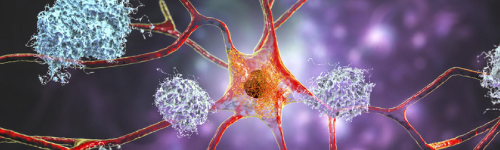
Condition Center — Neurodegenerative Disorders Affecting Memory, Cognition, and Brain Network IntegrityAlzheimer’s disease (AD) is the most common cause of dementia worldwide, characterized by progressive decline in memory, executive function, language, and daily functioning. It results from the accumulation of amyloid-beta plaques, tau neurofibrillary tangles, neuroinflammation, and eventual synaptic and neuronal loss—particularly in the hippocampus and association cortices.
Although Alzheimer’s is a chronic neurodegenerative disorder, early identification, precision diagnostics (including biomarkers and imaging), and evidence-based treatment strategies can meaningfully slow cognitive decline, improve quality of life, and support patient and caregiver wellbeing. Newly approved disease-modifying therapies targeting amyloid pathology have transformed the treatment landscape.
This Condition Center provides a comprehensive framework for recognizing, diagnosing, and managing Alzheimer’s disease with modern standards of care.
Questions to Ask Your Doctor
• Are my symptoms consistent with Alzheimer’s disease, mild cognitive impairment, or another neurological disorder?
• Do I need MRI, PET imaging, or biomarker testing to clarify the diagnosis?
• What stage of cognitive impairment am I in, and how will we monitor progression?
• Am I a candidate for anti-amyloid monoclonal antibody therapy (e.g., lecanemab, donanemab)?
• What non-pharmacologic strategies can support memory, sleep, mood, and brain health?
• How should we address driving safety, financial planning, and advance care decisions?
• What resources are available for caregiver support and long-term planning?
• How do we manage behavioral symptoms, agitation, or sleep disturbances safely?
Overview
Alzheimer’s disease is a progressive neurodegenerative condition affecting the brain’s memory and cognitive networks. Pathology begins years—sometimes decades—before symptoms appear. Early symptoms typically involve short-term memory deficits, difficulty organizing tasks, word-finding problems, and increased reliance on reminders.
As the disease advances, individuals experience greater cognitive impairment, changes in behavior, difficulty completing daily activities, and eventually significant functional dependence.
Biological Hallmarks
• Amyloid-beta plaques — extracellular protein accumulations
• Tau neurofibrillary tangles — intracellular misfolded tau
• Synaptic loss and cortical atrophy
• Neuroinflammation and microglial activation
• Network disconnection—default mode network disruption
What Makes Alzheimer’s More Likely?
Risk Factors
• Age (strongest predictor)
• APOE ε4 genotype
• Family history of Alzheimer’s
• Vascular risk factors (hypertension, diabetes, high cholesterol)
• Traumatic brain injury
• Low cognitive reserve
• Sleep disorders (especially untreated sleep apnea)
• Sedentary lifestyle
Protective Factors
• Higher education/cognitive engagement
• Regular exercise
• Mediterranean-style diet
• Optimal vascular health
• Social engagement
• Quality sleep
Signs and Symptoms
Early Stage
• Difficulty retaining new information
• Repeating questions or stories
• Misplacing items
• Slowed processing or organization
• Word-finding difficulty
• Subtle personality changes
• Navigation difficulty in unfamiliar places
Middle Stage
• Difficulty with instrumental activities (finances, medications, cooking)
• Impaired judgment
• Disorientation to time or place
• Language deficits
• Behavioral symptoms—irritability, apathy, anxiety
• Sleep disturbances
• Wandering risk
Late Stage
• Dependence for basic ADLs
• Marked language impairment
• Dysphagia
• Incontinence
• Behavioral disturbances
• Increased risk of infections and falls
Exams and Tests
A thorough diagnostic evaluation helps distinguish Alzheimer’s disease from other dementias (vascular, Lewy body, frontotemporal) and reversible causes of cognitive impairment.
1. Neurological and Cognitive Examination
• Montreal Cognitive Assessment (MoCA)
• Mini-Mental State Examination (MMSE)
• Detailed neuropsychological testing
2. Laboratory Evaluation
To rule out reversible contributors:
• Vitamin B12
• Thyroid function (TSH, Free T4)
• Folate
• Liver and kidney function
• HIV and syphilis (when clinically indicated)
• Thiamine deficiency (if malnutrition or alcohol history)
3. MRI Brain (3 Tesla)
Characteristic findings:
• Medial temporal lobe and hippocampal atrophy
• Parietal lobe volume loss
• Enlarged ventricles
• Cortical thinning in association cortices
• Relative sparing of motor and sensory cortices early
Advanced imaging may include:
• Volumetric MRI analysis
• Diffusion Tensor Imaging (DTI) — white matter tract integrity
• SWI — microhemorrhages (important for anti-amyloid therapy eligibility)
4. PET Imaging
Amyloid PET
Detects amyloid plaque burden.
Tau PET
Indicates tau tangle distribution—correlates strongly with clinical stage.
FDG-PET
Hypometabolism in temporoparietal and posterior cingulate regions.
5. CSF Biomarkers
Highly reliable indicators of Alzheimer’s pathology:
• Low Aβ42
• Elevated total tau
• Elevated phosphorylated tau (p-tau)
• Aβ42/Aβ40 ratio
6. Blood Biomarkers (rapidly emerging standard)
• Plasma p-tau181 / p-tau217
• Neurofilament light chain (NfL)
• GFAP (glial fibrillary acidic protein)
These are increasingly used for screening and monitoring.
Treatment
Alzheimer’s disease treatment involves disease-modifying therapy, symptom-targeted interventions, safety planning, and neurowellness strategies that optimize brain health.
1. Disease-Modifying Therapies (Anti-Amyloid Monoclonal Antibodies)
Lecanemab (Leqembi)
• FDA-approved for early Alzheimer’s disease
• Shown to slow cognitive and functional decline
• Requires amyloid confirmation via PET or CSF
• ARIA (amyloid-related imaging abnormalities) monitoring required
Donanemab (anticipated broader approval)
• Targets modified forms of amyloid
• Produces rapid amyloid clearance
• Strong clinical-trial data for slowing cognitive decline
Aducanumab (limited use)
Not widely used clinically due to reimbursement and efficacy controversies.
2. Symptomatic Therapies
Cognitive Symptoms
• Cholinesterase inhibitors — donepezil, rivastigmine, galantamine
• Memantine — NMDA receptor modulator
• Cognitive rehabilitation and structured brain training
Behavioral and Psychological Symptoms
• Non-pharmacologic strategies first
• Treat depression or anxiety with SSRIs when needed
• Avoid antipsychotics unless necessary—use lowest effective dose
Sleep Disturbances
• Treat sleep apnea
• Sleep hygiene optimization
• Melatonin
• Avoid sedatives when possible
Movement or Gait Impairment
• Physical therapy
• Fall-prevention strategies
3. Caregiver and Home Safety
• Medication supervision
• Financial and legal planning
• Driving safety evaluation
• Home safety modifications
• Wandering precautions (GPS trackers, door alarms)
4. Neurowellness, Longevity & Lifestyle Optimization
These strategies directly support brain function and slow decline:
Exercise
• Aerobic + strength training (≥150 minutes/week)
• Improves neuroplasticity and hippocampal volume
Nutrition
• Mediterranean, MIND, or anti-inflammatory diets
• Omega-3 supplementation
• Avoid ultra-processed foods
Sleep Optimization
• Treat apnea
• Structured sleep schedule
• Reduce nighttime awakenings
Cognitive Engagement
• Novel learning
• Problem-solving activities
• Social interaction
Vascular Risk Reduction
• Control blood pressure, diabetes, cholesterol
• Smoking cessation
Stress Reduction
• Mindfulness
• Yoga
• Breathing therapy
Living With Alzheimer’s Disease
Alzheimer’s is a progressive condition, but many individuals can maintain meaningful quality of life for years with early diagnosis, consistent treatment, caregiver support, and lifestyle optimization.
Keys to long-term success:
• Early identification and staging
• Appropriate use of disease-modifying therapies
• Sustainable, structured routines
• Physical activity
• Cognitive stimulation
• A strong care network
Did You Know?
• Alzheimer’s pathology begins up to 20 years before symptoms start.
• Amyloid PET and plasma biomarkers allow earlier detection than ever before.
• Exercise is the most powerful non-pharmacologic intervention for slowing decline.
• ARIA monitoring is essential for patients on anti-amyloid therapies.
• Vascular health strongly influences progression speed.
References
• Diagnostic Criteria & Biomarker Framework (4 references):
- Jack CR Jr, Bennett DA, Blennow K, et al. NIA-AA Research Framework: Toward a Biological Definition of Alzheimer's Disease. Alzheimers Dement. 2018;14(4):535-562.
https://pubmed.ncbi.nlm.nih.gov/29653606
- NIA-AA ATN framework: A (amyloid), T (tau), N (neurodegeneration); defines AD biologically using biomarkers regardless of clinical status; amyloid PET or CSF Aβ42/40; tau PET or CSF p-tau; neurodegeneration via MRI or FDG-PET
- Dubois B, Villain N, Frisoni GB, et al. Clinical Diagnosis of Alzheimer's Disease: Recommendations of the International Working Group. Lancet Neurol. 2021;20(6):484-496.
https://pubmed.ncbi.nlm.nih.gov/33946807
- IWG-2 criteria: specific cognitive phenotype + in vivo biomarker evidence (amyloid + tau); distinguishes AD from other dementias; emphasizes early detection at MCI stage
- McKhann GM, Knopman DS, Chertkow H, et al. The Diagnosis of Dementia Due to Alzheimer's Disease: Recommendations From the National Institute on Aging-Alzheimer's Association Workgroups on Diagnostic Guidelines for Alzheimer's Disease. Alzheimers Dement. 2011;7(3):263-269.
https://pubmed.ncbi.nlm.nih.gov/21514250
- Updated clinical diagnostic criteria: all-cause dementia framework + core AD features (memory-predominant); biomarkers increase diagnostic certainty; staged approach (possible, probable, definite)
- Hansson O, Edelmayer RM, Boxer AL, et al. The Alzheimer's Association Appropriate Use Recommendations for Blood Biomarkers in Alzheimer's Disease. Alzheimers Dement. 2022;18(12):2669-2686.
https://pubmed.ncbi.nlm.nih.gov/36117439
- Appropriate use criteria for plasma p-tau217, p-tau181, Aβ42/40; applications in diagnostic workup, clinical trial screening, disease monitoring; sensitivity/specificity >90% for AD pathology
Anti-Amyloid Therapies (4 references):
- van Dyck CH, Swanson CJ, Aisen P, et al. Lecanemab in Early Alzheimer's Disease. N Engl J Med. 2023;388(9):9-21.
https://www.nejm.org/doi/full/10.1056/NEJMoa2212948
- Clarity AD trial: lecanemab reduced clinical decline by 27% on CDR-SB at 18 months; reduced amyloid PET by 1.21 centiloids; ARIA-E 12.6%, ARIA-H 17.3%; FDA approved for early AD
- Sims JR, Zimmer JA, Evans CD, et al. Donanemab in Early Symptomatic Alzheimer Disease: The TRAILBLAZER-ALZ 2 Randomized Clinical Trial. JAMA. 2023;330(6):512-527.
- TRAILBLAZER-ALZ 2: donanemab slowed decline by 22-35% vs placebo (iADRS); tau-based stratification; 24% achieved amyloid clearance and stopped treatment; ARIA monitoring essential
- Sevigny J, Chiao P, Bussière T, et al. The Antibody Aducanumab Reduces Aβ Plaques in Alzheimer's Disease. Nature. 2016;537(7618):50-56.
https://pubmed.ncbi.nlm.nih.gov/27582220
- Aducanumab phase 1b trial: dose-dependent reduction in amyloid PET; slower decline in MMSE/CDR-SB at highest doses; established proof-of-concept for anti-amyloid immunotherapy
- Cummings J, Aisen P, Lemere C, et al. Alzheimer's Disease Drug Development Pipeline: 2022. Alzheimers Dement (N Y). 2022;8(1):e12295.
https://pubmed.ncbi.nlm.nih.gov/35798474
- Pipeline review: 143 agents in clinical trials; 32 in phase 3; anti-amyloid therapies (lecanemab, donanemab, gantenerumab); anti-tau, neuroprotective, metabolic, inflammation-targeting approaches
Blood Biomarkers (3 references):
- Palmqvist S, Janelidze S, Quiroz YT, et al. Discriminative Accuracy of Plasma Phospho-Tau217 for Alzheimer Disease vs Other Neurodegenerative Disorders. JAMA. 2020;324(8):772-781.
- Plasma p-tau217 discriminates AD from non-AD with AUC 0.89-0.98; correlates with amyloid and tau PET; detects pathology up to 20 years before symptoms; superior to p-tau181
- Hansson O, Lehmann S, Otto M, et al. Advantages and Disadvantages of the Use of the CSF Amyloid β (Aβ) 42/40 Ratio in the Diagnosis of Alzheimer's Disease. Alzheimers Res Ther. 2019;11(1):34.
https://pubmed.ncbi.nlm.nih.gov/30961663
- CSF Aβ42/40 ratio more accurate than Aβ42 alone; accounts for individual variation in total Aβ production; sensitivity 85-95%, specificity 80-90% for AD pathology
11. Nakamura A, Kaneko N, Villemagne VL, et al. High Performance Plasma Amyloid-β Biomarkers for Alzheimer's Disease. Nature. 2018;554(7691):249-254.
https://pubmed.ncbi.nlm.nih.gov/29420472
- Immunoprecipitation-mass spectrometry (IP-MS) measures plasma Aβ42/40; concordance with amyloid PET 90%; potential screening tool before expensive PET imaging
Imaging & Pathology (3 references):
- Jack CR Jr, Wiste HJ, Therneau TM, et al. Associations of Amyloid, Tau, and Neurodegeneration Biomarker Profiles With Rates of Memory Decline Among Individuals Without Dementia. JAMA. 2019;321(23):2316-2325.
- Mayo Clinic Study of Aging: A+T+N+ individuals (all biomarkers abnormal) show steepest memory decline; tau in presence of amyloid drives cognitive decline; staging implications
13. Ossenkoppele R, Schonhaut DR, Schöll M, et al. Tau PET Patterns Mirror Clinical and Neuroanatomical Variability in Alzheimer's Disease. Brain. 2016;139(Pt 5):1551-1567.
https://pubmed.ncbi.nlm.nih.gov/26962052
- Tau PET tracer (flortaucipir) shows topographic distribution correlating with clinical phenotypes; temporal predominance in typical AD; posterior cortical atrophy shows occipitoparietal tau
14. Scheltens P, De Strooper B, Kivipelto M, et al. Alzheimer's Disease. Lancet. 2021;397(10284):1577-1590.
https://pubmed.ncbi.nlm.nih.gov/33667416
- Comprehensive 2021 review: pathophysiology (amyloid cascade, tau propagation, neuroinflammation), clinical stages, biomarker validation, approved and investigational therapies, prevention strategies
Symptomatic Treatments & Interventions (3 references):
- Schneider LS, Mangialasche F, Andreasen N, et al. Clinical Trials and Late-Stage Drug Development for Alzheimer's Disease: An Appraisal From 1984 to 2014. J Intern Med. 2014;275(3):251-283.
https://pubmed.ncbi.nlm.nih.gov/24605808
- Cholinesterase inhibitors (donepezil, rivastigmine, galantamine) show modest symptomatic benefit (2-4 points ADAS-Cog); memantine (NMDA antagonist) benefits moderate-severe AD; combination therapy rationale
16. Livingston G, Huntley J, Sommerlad A, et al. Dementia Prevention, Intervention, and Care: 2020 Report of the Lancet Commission. Lancet. 2020;396(10248):413-446.
https://pubmed.ncbi.nlm.nih.gov/32738937
- Lancet Commission: 12 modifiable risk factors account for ~40% of dementia cases; less education, hypertension, hearing loss, smoking, obesity, depression, physical inactivity, diabetes, social isolation, excessive alcohol, TBI, air pollution
17. Ngandu T, Lehtisalo J, Solomon A, et al. A 2 Year Multidomain Intervention of Diet, Exercise, Cognitive Training, and Vascular Risk Monitoring Versus Control to Prevent Cognitive Decline in At-Risk Elderly People (FINGER): A Randomised Controlled Trial. Lancet. 2015;385(9984):2255-2263.
https://pubmed.ncbi.nlm.nih.gov/25771249
- FINGER trial: multidomain lifestyle intervention (diet, exercise, cognitive training, vascular monitoring) improved or maintained cognition in at-risk elderly; 25% improvement on neuropsychological test battery vs control
Genetics & Risk Factors (3 references):
- Belloy ME, Napolioni V, Greicius MD. A Quarter Century of APOE and Alzheimer's Disease: Progress to Date and the Path Forward. Neuron. 2019;101(5):820-838.
https://pubmed.ncbi.nlm.nih.gov/30790539
- APOE ε4: strongest genetic risk factor for sporadic AD; ε4/ε4 ~10-fold increased risk; influences amyloid deposition, tau pathology, neuroinflammation, lipid metabolism; potential therapeutic target
19. Jansen IE, Savage JE, Watanabe K, et al. Genome-Wide Meta-Analysis Identifies New Loci and Functional Pathways Influencing Alzheimer's Disease Risk. Nat Genet. 2019;51(3):404-413.
https://pubmed.ncbi.nlm.nih.gov/30617256
- GWAS meta-analysis: 29 genome-wide significant loci; pathways include immune response, lipid metabolism, tau binding proteins, endocytosis, protein degradation; polygenic risk score development
20. Barnes DE, Yaffe K. The Projected Effect of Risk Factor Reduction on Alzheimer's Disease Prevalence. Lancet Neurol. 2011;10(9):819-828.
https://pubmed.ncbi.nlm.nih.gov/21775213
Source: https://www.premierneurohealth.com/