
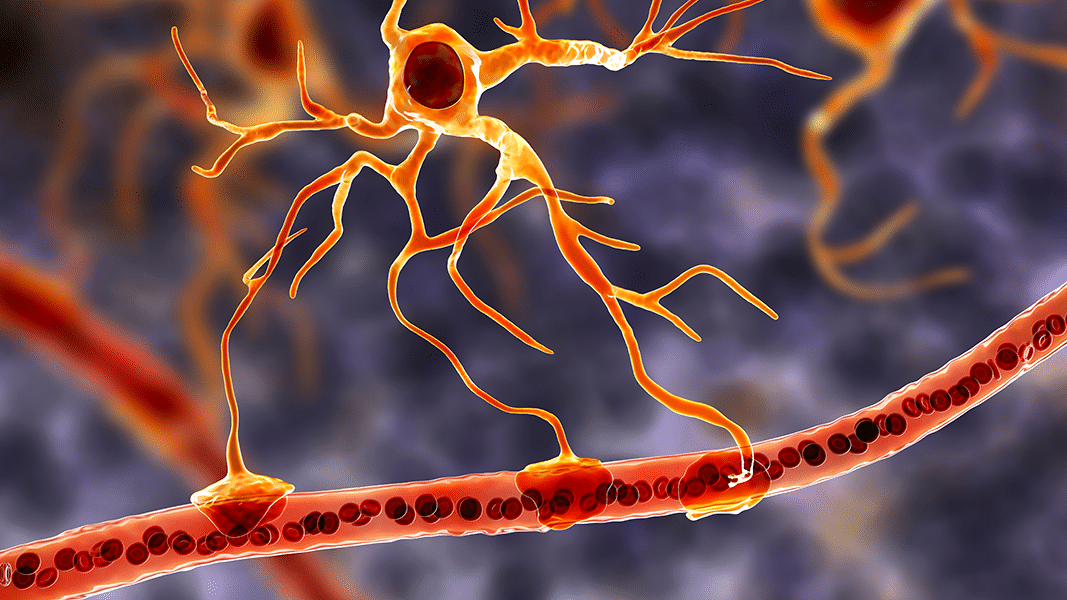
Amyotrophic Lateral Sclerosis (ALS)
Neurological Conditions
Amyotrophic Lateral Sclerosis (ALS)
Your nervous system is the body’s high-speed command network. Motor neurons—specialized nerve cells in the brain and spinal cord—carry signals that let you speak, swallow, breathe, and move. In amyotrophic lateral sclerosis (ALS), also called Lou Gehrig’s disease, these motor neurons gradually stop working and die. As communication between brain and muscle fails, weakness spreads, daily tasks become harder, and—without the right support—breathing can become difficult.ALS is considered a rare disease, yet its impact is anything but rare in the lives it touches. While ALS remains a serious, life-limiting condition, earlier recognition, modern multidisciplinary care, assistive technologies, and several FDA-approved therapies can meaningfully slow decline, extend life, and—crucially—protect quality of life. Many people living with ALS continue to work, parent, create, and advocate for years after diagnosis.
Use this condition center to learn what ALS is, how it’s diagnosed and treated, what to expect, and how to partner with your care team.
Questions to Ask Your Doctor
If you’ve been diagnosed with ALS—or you’re being evaluated for it—bring these questions to your next visit. They’ll help you and your clinicians align on priorities and plan the next steps.
- What exactly is ALS, and how is it affecting my body right now?
- Is my ALS limb-onset or bulbar-onset? What does that mean for symptoms and progression?
- What tests support my diagnosis (EMG, nerve conduction, MRI, labs)? Are there mimicking conditions we should rule out?
- Should I have genetic testing? If so, which panel, and what would the results change for me or my family?
- Which medications are appropriate for me now (for example, riluzole, edaravone, or others)? What benefits and side effects should I expect?
- Am I a candidate for disease-specific therapies such as tofersen (for SOD1-related ALS) or a clinical trial?
- How do we build my multidisciplinary care team (neurology, respiratory therapy, speech, nutrition, physical/occupational therapy, social work, palliative care)?
- When should we discuss non-invasive ventilation (BiPAP) and options for communication or mobility devices?
- What can I do today—exercise, nutrition, sleep, respiratory exercises—to maintain function?
- How frequently should I have follow-up, and which measures (FVC, SNIP, ALSFRS-R, weight) will we track?
- Where can I find reliable support groups, home-care resources, and financial/insurance guidance?
Overview
ALS is a progressive disorder of upper motor neurons (in the brain) and lower motor neurons (in the brainstem and spinal cord). “Amyotrophic” means “no muscle nourishment,” and “lateral sclerosis” refers to scarring on the sides of the spinal cord. As motor neurons fail, muscles weaken and shrink (atrophy). Early symptoms may be subtle—hand clumsiness, foot drop, cramps, or speech changes—and often start in one region before spreading.
Although ALS has no cure yet, outcomes are better when care is proactive. Evidence supports:
- Timely diagnosis and referral to an ALS specialty clinic.
- Disease-modifying medicines (e.g., riluzole; intravenous or oral edaravone) that can slow progression in selected patients.
- Targeted therapies for specific genetic forms (e.g., tofersen for SOD1-ALS).
- Non-invasive ventilation to support breathing, which can prolong survival and improve alertness and comfort.
- Nutrition optimization, including early gastrostomy when needed to maintain weight and reduce aspiration.
- Communication and mobility technologies to preserve independence and connection.
What Is ALS?
ALS is a “motor neuron disease.” Two pathways are affected:
- Upper motor neurons (brain): damage causes stiffness (spasticity), slowed movement, and brisk reflexes.
- Lower motor neurons (spinal cord/brainstem): damage causes weakness, cramps, fasciculations (muscle twitches), and muscle wasting.
Clinicians often describe the initial pattern:
- Limb-onset ALS: starts with arm or leg weakness, trouble with tasks like buttoning, writing, or walking.
- Bulbar-onset ALS: begins with speech/swallowing changes—slurred or nasal speech, coughing when eating, weight loss.
- Less commonly, breathing may be the first symptom.
Cognition is usually preserved early, but up to half of people have mild changes in thinking or behavior, and a smaller group develop a related condition called frontotemporal dementia (FTD). It’s important to screen for these changes because they influence planning and support.
What Makes ALS More Likely?
Most ALS is sporadic (no clear family history). About 5–10% is familial, linked to inherited gene variants (e.g., C9orf72, SOD1, TARDBP, FUS). Risk can be influenced by many factors, but having a relative with ALS or FTD is the strongest known predictor. Other observations include:
- Age: risk rises after age 50.
- Sex: slightly more common in men before age 65; differences narrow later.
- Genetics: certain variants increase risk or shape disease features.
- Environmental/occupational factors: research is ongoing into head trauma, toxins, intense physical activity, and military service; none alone “cause” ALS.
Because ALS is complex, risk reduction strategies remain general: protect head/neck, avoid toxins where possible, don’t smoke, and maintain cardiovascular/metabolic health.
Early Recognition Matters
ALS typically progresses over months to years. Early recognition helps you get ahead of predictable challenges:
- Safety (falls, aspiration) can be addressed with therapy and home changes.
- Respiratory support can begin before fatigue and morning headaches worsen.
- Nutrition can be optimized early to stabilize weight and energy.
- Clinical trials often require early enrollment.
- Advance care planning becomes a calm, thoughtful process rather than a crisis decision.
Seek urgent evaluation for rapidly advancing weakness, choking/aspiration, or worsening shortness of breath, especially when lying flat or during sleep.
Signs and Symptoms
Symptoms vary by onset site and rate of progression, but may include:
- Limb symptoms: hand weakness, dropping objects, tripping, foot drop; muscle cramps and fasciculations.
- Bulbar symptoms: slurred or nasal speech, trouble projecting voice, choking on liquids/solids, prolonged meals, weight loss.
- Upper motor neuron signs: stiffness, spasticity, brisk reflexes, clonus.
- Breathing symptoms: shortness of breath with exertion or at night, restless sleep, morning headaches, daytime sleepiness.
- Cognitive/behavioral changes: apathy, impulsivity, language difficulties (screened in clinic).
Pain is not a direct feature of motor neuron loss, but cramps, spasticity, immobility, and poor posture can cause discomfort—and are treatable.
Exams and Tests
There’s no single “ALS blood test.” Diagnosis is clinical and supported by testing to confirm motor neuron involvement and rule out mimics.
- Neurological exam: checks strength, reflexes, tone, speech/swallowing, and gait.
- Electromyography (EMG) and nerve conduction studies (NCS): detect active and chronic denervation and reinnervation—electrical footprints of lower motor neuron loss.
- MRI of brain/spine: excludes structural causes (disc disease, cord compression, stroke, tumor).
- Laboratory tests: screen for mimics (thyroid, B12, autoimmune, infections, heavy metals).
- Genetic testing: recommended for familial ALS and increasingly considered in sporadic cases; requires counseling for personal and family implications.
- Respiratory measures: forced vital capacity (FVC), sniff nasal inspiratory pressure (SNIP), nocturnal oximetry or capnography to guide ventilation timing.
- Swallowing assessments: speech-language evaluation or videofluoroscopy to tailor nutrition strategies.
Treatment
While there is no cure yet, care plans combine disease-modifying therapy, symptom management, and supportive technologies.
Disease-modifying therapies
- Riluzole (oral): modestly extends survival by slowing glutamate-mediated toxicity.
- Edaravone (intravenous or oral): may slow functional decline in selected patients.
- Tofersen (intrathecal): for SOD1-related ALS; reduces SOD1 protein and neurofilament biomarkers in many recipients.
Your team will discuss benefits, side effects, monitoring, and insurance access.
Symptom-targeted care
- Spasticity/cramps: stretching, physical therapy, baclofen or tizanidine; magnesium, quinine alternatives, or mexiletine may be considered for cramps.
- Sialorrhea (drooling): posture, anticholinergic meds, botulinum toxin to salivary glands, or radiotherapy in refractory cases.
- Speech/communication: early voice banking; low-tech boards to high-tech eye-gaze devices.
- Swallowing/nutrition: dietary modifications, thickened liquids; feeding tube (PEG) when weight loss or aspiration risk rises—earlier is safer and better tolerated.
- Breathing support: non-invasive ventilation (BiPAP) at first signs of nocturnal hypoventilation; cough-assist devices and suction help clear secretions. In advanced stages, some choose tracheostomy ventilation; this is a personal decision best discussed early.
- Mobility and safety: braces, canes, walkers, wheelchairs (including power chairs), home modifications.
- Mood, sleep, and pain: treat depression/anxiety, optimize sleep, manage pain from immobility.
Multidisciplinary clinics (neurology, respiratory therapy, PT/OT, speech, nutrition, social work, mental health, palliative care) improve survival and quality of life. Palliative care focuses on symptom relief and aligning care with your values—from diagnosis onward, not only at end of life.
Clinical trials are vital. Ask your team about eligibility for investigational drugs, cell therapies, or biomarker-guided studies.
References & Public Resources
National Institute of Neurological Disorders and Stroke (NINDS) – ALS OverviewComprehensive summary of ALS causes, symptoms, diagnosis, and current research.
Source: https://www.premierneurohealth.com/