
Blood Cancer
Cancer Conditions
- 270 W Peachtree St NW #1300, Atlanta, GA 30303, USA(800) 227-2345https://www.cancer.org/cancer/types/blood-cancer.html
Blood Cancer
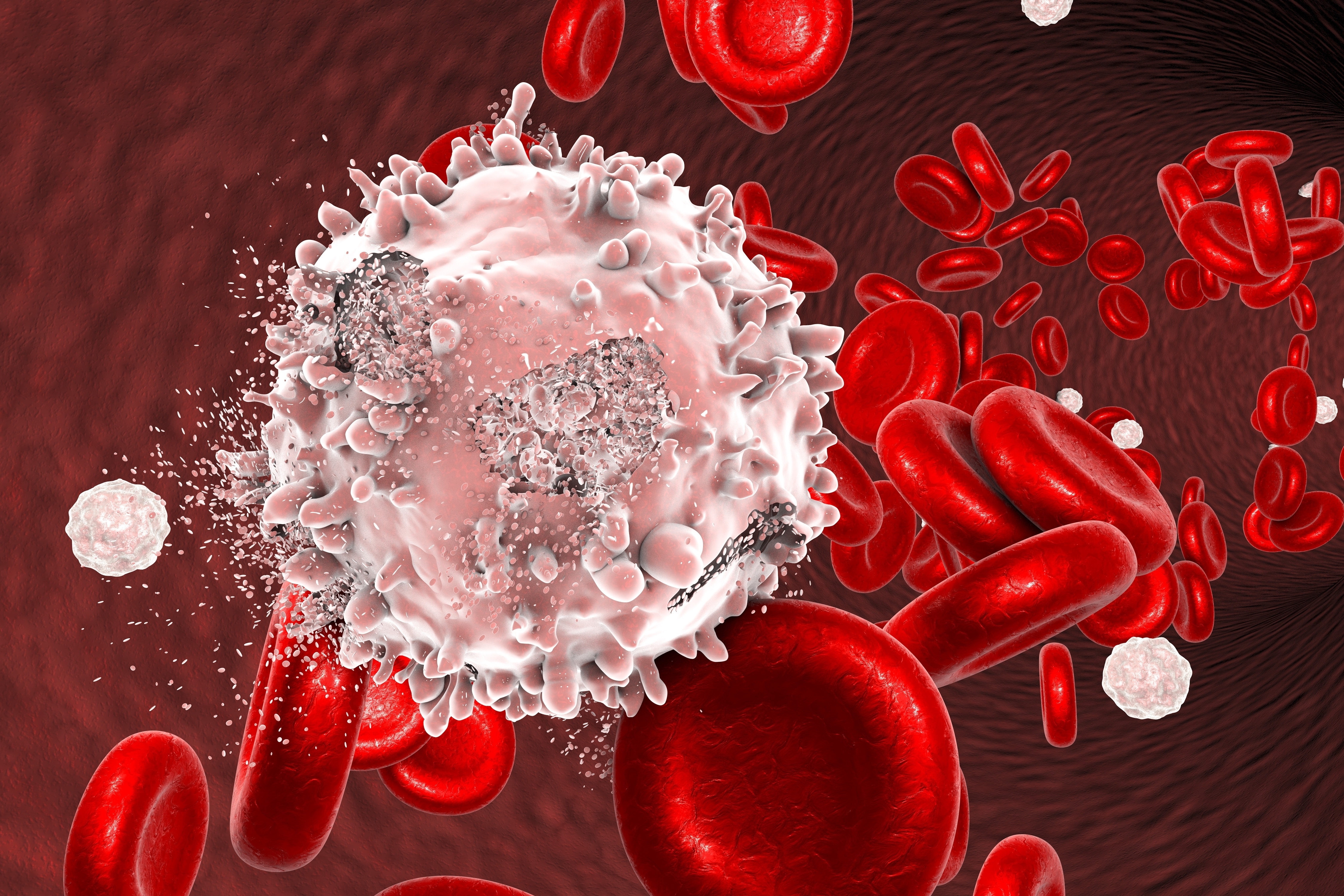
Blood cancers are cancers in which different types of blood cells start to grow out of control. They can start in the bone marrow, where new blood cells are made, or in the lymphatic system, which helps the body fight infections. There are many kinds of blood cancer, including different types of leukemia and lymphoma, as well as multiple myeloma. Some grow quickly, while others develop more slowly. Some types of blood cancer affect both children and adults, especially certain types of leukemia and lymphoma.
Leukemia
Acute Lymphocytic Leukemia (ALL) in AdultsNavigate our resources on ALL (acute lymphocytic leukemia or acute lymphoblastic leukemia) from risk and prevention information to treatment guidance.
Acute Myeloid Leukemia (AML) in Adults
Acute myeloid leukemia is also called acute myelocytic leukemia, acute myelogenous leukemia, acute granulocytic leukemia, acute non-lymphocytic leukemia, or sometimes just AML. It is most common in older people.
Childhood Leukemia
Leukemia is the most common type of cancer in children and teens. Among children and teens diagnosed with cancer, 1 in 3 will have a type of leukemia.
Chronic Lymphocytic Leukemia (CLL)
Navigate our extensive resources on chronic lymphocytic leukemia, from risk and prevention information to treatment guidance.
Chronic Myeloid Leukemia (CML)
Navigate our extensive resources on CML, from risk and prevention information to treatment guidance.
Chronic Myelomonocytic Leukemia (CMML)
Navigate our extensive resources on CMML, from risk and prevention information to treatment guidance.
Lymphoma
Hodgkin LymphomaHodgkin lymphoma (also called Hodgkin disease) is a cancer of the lymph system that starts in white blood cells called lymphocytes. It often causes swollen lymph nodes, fatigue, fever, and weight loss. It is one of the most treatable cancers, especially when found early. Treatment usually includes chemotherapy, radiation, or targeted therapy.
Non-Hodgkin Lymphoma
Non-Hodgkin lymphoma (NHL) is a cancer that starts in white blood cells called lymphocytes, which help fight infections. It can develop in lymph nodes or other parts of the body and has many subtypes, ranging from slow-growing to aggressive forms. Symptoms may include swollen lymph nodes, fever, night sweats, and weight loss. Treatment depends on the type and stage and may include chemotherapy, targeted therapy, immunotherapy, or radiation.
Non-Hodgkin Lymphoma in Children
Non-Hodgkin lymphoma (NHL) is one of the most common childhood cancers (though less common than leukemia). It tends to grow quickly, but often responds well to treatment. Many children with NHL can be cured with proper treatment.
Lymphoma of the Skin
Lymphoma of the skin is a rare type of non-Hodgkin lymphoma that starts in the skin. It can cause red, scaly patches, lumps, or tumors on the skin. Some types grow slowly, while others spread more quickly. Treatment may include topical therapies, phototherapy, radiation, or systemic treatments like targeted therapy or chemotherapy.
Waldenstrom Macroglobulinemia
Waldenstrom macroglobulinemia is a rare blood cancer that affects white blood cells called B cells. These cells produce too much of a protein called macroglobulin, which can thicken the blood and cause symptoms like fatigue, bleeding, vision problems, and nerve damage. Treatment may include targeted therapy, chemotherapy, or plasma exchange to reduce thickened blood.
Myeloma and Other Blood Cancers
Multiple MyelomaMultiple myeloma is a cancer that starts in plasma cells, a type of white blood cell that helps fight infections. Abnormal plasma cells build up in the bone marrow, crowding out healthy cells and causing weak bones, kidney problems, and a weakened immune system.
Myelodysplastic Syndromes
Myelodysplastic syndromes (MDS) are a group of blood disorders where the bone marrow doesn’t make enough healthy blood cells. This can lead to anemia, infections, and bleeding problems. MDS can sometimes turn into leukemia. Treatment may include medications, blood transfusions, or a bone marrow transplant.
Tools & Resources
Quick Guide: After a Leukemia DiagnosisWhat to expect before, during, and after treatment for leukemia.
Quick Guide: After a Lymphoma Diagnosis
What to expect before, during, and after treatment for lymphoma.
Anatomy Gallery: Lymphatic System
Explore our 3D interactive tour of the lymphatic system.
Cancer Care Toolkit
Organize your cancer journey with the American Cancer Society Cancer Care Toolkit.
Caregiver Resource Guide
A helpful tool for people who are caring for someone with cancer. View the complete guide here.
Additional Blood Cancer Information, By Type:
- Blood Cancer
- Leukemia
- Acute Lymphocytic Leukemia (ALL) in Adults
- Acute Myeloid Leukemia (AML) in Adults
- Chronic Lymphocytic Leukemia (CLL)
- Chronic Myeloid Leukemia (CML)
- Chronic Myelomonocytic Leukemia (CMML)
- Childhood Leukemia
- Lymphoma
- Non-Hodgkin Lymphoma
- Non-Hodgkin Lymphoma in Children
- Hodgkin Lymphoma
- Multiple Myeloma
- Myelodysplastic Syndromes
- Waldenstrom Macroglobulinemia