
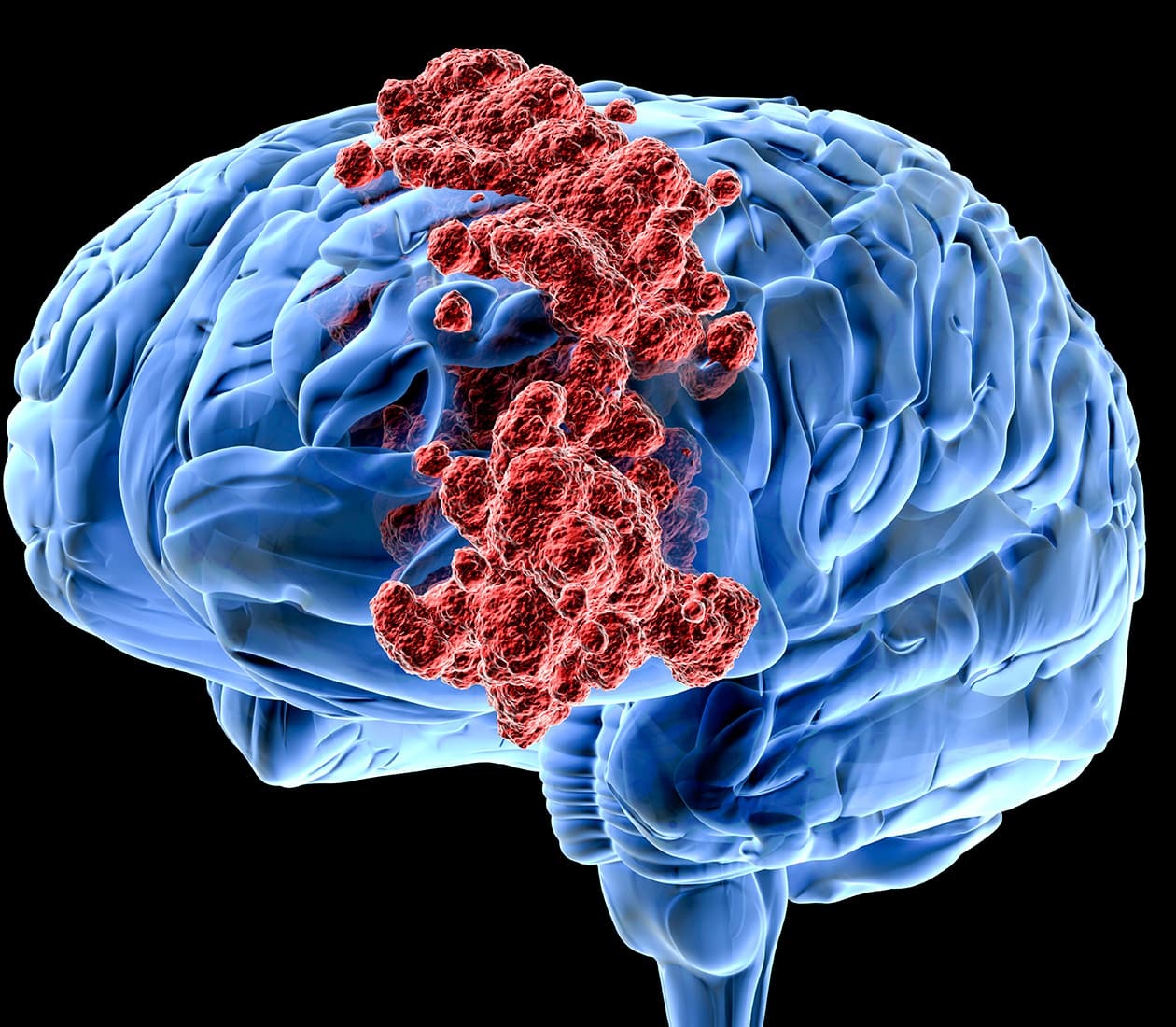
Brain and Spinal Cord Tumors in Adults
Cancer Conditions
- 270 W Peachtree St NW #1300, Atlanta, GA 30303, USA(800) 227-2345https://www.cancer.org/cancer/types/brain-spinal-cord-tumors-adults.html
Brain and Spinal Cord Tumors in Adults
What Are Adult Brain and Spinal Cord Tumors?
Brain and spinal cord tumors are masses of abnormal cells in the brain or spinal cord that have grown out of control.In most other parts of the body, it is very important to distinguish between benign (non-cancerous) tumors and malignant tumors (cancers). Benign tumors do not grow into nearby tissues or spread to distant areas, so benign tumors in other parts of the body are almost never life-threatening. One of the main reasons malignant tumors are so dangerous is because they can spread throughout the body.
Brain tumors rarely spread to other parts of the body, but most of them can spread through the brain tissue. Even so-called benign brain tumors can, as they grow, press on and destroy normal brain tissue, which can lead to serious or sometimes even life-threatening damage . For this reason, doctors usually speak of brain tumors rather than brain cancers. The main concerns with brain and spinal cord tumors are:
- How fast they grow
- How readily they spread through the rest of the brain or spinal cord
- Where they are located
- If they can be removed (or destroyed) and not come back
Brain and spinal cord tumors tend to be different in adults and children. They often form in different areas, develop from different cell types, and may have a different outlooks and treatments.
Information on these types of tumors in children is covered in Brain and Spinal Cord Tumors in Children.
The central nervous system
To understand brain and spinal cord tumors, it helps to know about the normal structure and function of the central nervous system (CNS), which is the medical name for the brain and spinal cord.The brain is the center of thought, feeling, memory, speech, vision, hearing, movement, breathing, and much more. The spinal cord and special nerves in the head called cranial nerves help carry messages between the brain and the rest of the body. These messages tell our muscles how to move, transmit information gathered by our senses, and help coordinate the functions of our internal organs.
The brain is protected by the skull. Likewise, the spinal cord is protected by the bones (vertebrae) of the spinal column.
The brain and spinal cord are surrounded and cushioned by a special liquid, called cerebrospinal fluid (CSF). Cerebrospinal fluid is made by the choroid plexus, which is found in spaces within the brain called ventricles. The ventricles and the spaces around the brain and spinal cord are filled with CSF.
Parts of the brain and spinal cord
The main areas of the brain include the cerebrum, cerebellum, and brain stem. Each part has a special function.
Cerebrum: The cerebrum is the large, outer part of the brain. It is divided into left and right hemispheres (halves) and controls reasoning, thought, emotion, and language. It is also responsible for planned (voluntary) muscle movements (throwing a ball, walking, chewing, etc.) and for taking in and interpreting sensory information such as vision, hearing, smell, touch, and pain.
Cerebellum: The cerebellum lies under the cerebrum at the back part of the brain. It helps coordinate movement.
Brain stem: The brain stem is the lower part of the brain that connects to the spinal cord. It contains bundles of very long nerve fibers that carry signals controlling muscles and sensation or feeling between the cerebrum and the rest the body. Special centers in the brain stem also help control breathing and the beating of the heart. Also, most cranial nerves (described below) start in the brain stem.
The brain stem is divided into 3 main parts: the midbrain, pons, and medulla oblongata.
Because the brain stem is a small area that is so essential for life, it might not be possible to surgically remove tumors in this area.
Cranial nerves: The cranial nerves extend directly out of the base of the brain (as opposed to coming out of the spinal cord). These nerves carry signals directly between the brain and the face, eyes, ears, tongue, mouth, and some other areas.
Spinal cord: The spinal cord is made up of bundles of very long nerve fibers that carry signals related to muscle control, sensation or feeling, and bladder and bowel control.
Pituitary gland and hypothalamus: The pituitary is a small gland at the base of the brain. It is connected to a part of the brain called the hypothalamus. They work together to make hormones that help regulate the activity of several other glands in the body. For example:
- They control the amount of thyroid hormone made by the thyroid gland.
- They affect breast milk production and release.
- They control the amount of male or female hormones made by the testicles or ovaries.
- They make growth hormone, which stimulates body growth.
- They make vasopressin, which regulates water balance by the kidneys.
Pineal gland: The pineal gland is not really part of the brain. It is a small endocrine gland that sits between the cerebral hemispheres. It makes melatonin, a hormone that regulates sleep, in response to changes in light. The most common tumors of the pineal gland are called pineoblastomas.
Blood-brain barrier: The inner lining of the small blood vessels (capillaries) in the brain and spinal cord creates a very selective barrier between the blood and the tissues of the central nervous system. This barrier normally helps maintain the brain’s metabolic balance and keeps harmful toxins from getting into the brain. Unfortunately, it also keeps out most chemotherapy drugs that are used to kill cancer cells, which in some cases limits their usefulness.
Choroid plexus: The choroid plexus is the area of the brain within the ventricles that makes CSF, which nourishes and protects the brain.
Types of cells and body tissues in the brain and spinal cord
The brain and spinal cord have many kinds of tissues and cells, which can develop into different types of tumors.Neurons (nerve cells): These are the cells in the brain that help determine thought, memory, emotion, speech, muscle movement, sensation, and just about everything else that the brain and spinal cord do.
Unlike many other types of cells that can grow and divide to repair damage from injury or disease, neurons in the brain and spinal cord largely stop dividing about a year after birth (with a few exceptions). Neurons do not usually form tumors, but they are often damaged by tumors that start nearby.
Glial cells: Glial cells are the supporting cells of the brain. Most brain and spinal cord tumors develop from glial cells. These tumors are sometimes referred to as gliomas.
There are 3 main types of glial cells:
- Astrocytes help support and nourish neurons. When the brain is injured, astrocytes form scar tissue that helps repair the damage. The main tumors starting in these cells are called astrocytomas or glioblastomas.
- Oligodendrocytes make myelin, a fatty substance that surrounds and insulates the nerve cell axons of the brain and spinal cord. This helps neurons send electric signals through the axons. Tumors starting in these cells are called oligodendrogliomas.
- Ependymal cells line the ventricles (fluid-filled areas) within the brain and form part of the pathway through which CSF flows. Tumors starting in these cells are called ependymomas.
Neuroectodermal cells: These are very early forms of nervous system cells that are probably involved in brain cell development. They are found throughout the brain, although they are not often seen in the adult central nervous system. The most common tumors that come from these cells develop in the cerebellum and are called medulloblastomas.
Meninges: These are layers of tissue that line and protect the brain and spinal cord. CSF travels through spaces formed by the meninges. The most common tumors that start in these tissues are called meningiomas.
Questions to Ask Your Doctor About Adult Brain and Spinal Cord Tumors
It’s important for you to be able to have honest, open discussions with your cancer care team. Ask any question, no matter how small it might seem. Here are some you might want to ask, but be sure to add your own questions as you think of them.
When you're told you have a brain or spinal cord tumor
- What kind of tumor do I have?
- Is the tumor benign or malignant? What does this mean?
- Where in the brain or spinal cord is the tumor? Has it grown into nearby areas?
- Will I need any other tests before we can decide on treatment?
- Will I need to see any other types of doctors?
When deciding on a treatment plan
- How much experience do you have treating this type of tumor?
- What are my treatment choices? What do you recommend? Why?
- Should I get a second opinion? Can you recommend a doctor or treatment center?
- How soon do we need to start treatment?
- What’s the goal of treatment (cure, prolonging life, relieving symptoms, etc.)?
- How likely is it that the tumor can be removed (or destroyed) completely?
- Will treatment relieve any of the symptoms I now have?
- What are the possible risks or side effects of treatment? What disabilities might I develop?
- What should I do to be ready for treatment?
- How long will treatment take? What will it be like? Where will it be given?
- What is my expected prognosis (outlook)?
- If I'm concerned about costs and insurance coverage for my diagnosis and treatment, who can help me?
During treatment
Once treatment begins, you’ll need to know what to expect and what to look for. Not all of these questions might apply to you, but getting answers to the ones that do may be helpful.
- How will we know if the treatment is working (or has worked)?
- Is there anything I can do to help manage side effects?
- What symptoms or side effects should I tell you about right away?
- How can I reach you or someone from your office on nights, holidays, or weekends?
- Are there any limits on what I can do?
- Can you suggest a mental health professional I can see if I start to feel overwhelmed, depressed, or distressed?
After treatment
- Are there any limits on what I can do?
- What symptoms should I watch for?
- What type of follow-up will I need after treatment?
- How often will I need to have follow-up exams and tests?
- How will we know if the tumor has come back? What should I watch for?
- Where can I find more information and support?
Along with these sample questions, be sure to write down any others you want to ask. For instance, you might want information about recovery times so that you can plan your work or activity schedule. Or you might want to ask about clinical trials that might be right for you.
Keep in mind that doctors aren’t the only ones who can give you information. Other health care professionals, such as nurses and social workers, can answer some of your questions. To learn more about speaking with your health care team, see Talking With Your Doctor.
Additional Information
- About Brain and Spinal Cord Tumors in Adults
- What Are Adult Brain and Spinal Cord Tumors?
- Types of Brain and Spinal Cord Tumors in Adults
- Key Statistics for Brain and Spinal Cord Tumors
- What’s New in Adult Brain and Spinal Cord Tumor Research?
- Causes, Risk Factors, and Prevention
- Early Detection, Diagnosis, and Staging
- Treating Brain and Spinal Cord Tumors in Adults
- After Treatment
- If You're an Adult with a Brain or Spinal Cord Tumor
- Surgery for Adult Brain and Spinal Cord Tumors
- Radiation Therapy for Adult Brain and Spinal Cord Tumors
- Chemotherapy for Adult Brain and Spinal Cord Tumors
- Targeted Drug Therapy for Adult Brain and Spinal Cord Tumors
- Other Drug Treatments for Adult Brain and Spinal Cord Tumors
- Tumor Treating Fields (TTF) Therapy for Adult Brain and Spinal Cord Tumors
- Treatment of Adult Brain and Spinal Cord Tumors, by Type
- Health Professionals Who Are Part of a Cancer Care Team