
Breast Cancer
Cancer Conditions
- 270 W Peachtree St NW #1300, Atlanta, GA 30303, USA(800) 227-2345https://www.cancer.org/cancer/types/breast-cancer.html
Breast Cancer
Whether you or a loved one are worried about developing breast cancer, have just been diagnosed, are going through breast cancer treatment, or are trying to stay well after treatment, this detailed information can help you find the answers you need. Get the most up-to-date facts about breast cancer, plus tools and resources for every step of your journey.
(For information on breast cancer in men, see Breast Cancer in Men.)
What Is Breast Cancer?
Breast cancer is a type of cancer that starts in the breast. It can start in one or both breasts.
How breast cancer starts
Breast cancer occurs almost entirely in women, but men can get breast cancer, too.Cancer starts when cells begin to grow out of control. (To learn more about how cancers start and spread, see What Is Cancer?)
It’s important to understand that most breast lumps are benign and not cancer (malignant). Non-cancer breast tumors are abnormal growths, but they do not spread outside of the breast. They are not life threatening, but some types of benign breast lumps can increase a woman's risk of getting breast cancer.
Any breast lump or change needs to be checked by a health care professional to find out if it is benign or malignant (cancer) and if it might affect your future cancer risk. See Non-cancerous Breast Conditions to learn more.
Where breast cancer starts
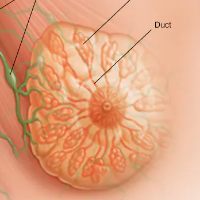
Breast cancers can start from different parts of the breast. The breast is an organ that sits on top of the upper ribs and chest muscles. There is a left and right breast and each one has mainly glands, ducts, and fatty tissue. In women, the breast makes and delivers milk to feed newborns and infants. The amount of fatty tissue in the breast determines the size of each breast.
The breast has different parts:
- Lobules are the glands that make breast milk. Cancers that start here are called lobular cancers.
- Ducts are small canals that come out from the lobules and carry the milk to the nipple. This is the most common place for breast cancer to start. Cancers that start here are called ductal cancers.
- The nipple is the opening in the skin of the breast where the ducts come together and turn into larger ducts so the milk can leave the breast. The nipple is surrounded by slightly darker thicker skin called the areola. A less common type of breast cancer called Paget disease of the breast can start in the nipple.
- The fat and connective tissue (stroma) surround the ducts and lobules and help keep them in place. A less common type of breast cancer called phyllodes tumor can start in the stroma.
- Blood vessels and lymph vessels are also found in each breast. Angiosarcoma is a less common type of breast cancer that can start in the lining of these vessels. The lymph system is described below.
To learn more, see Types of Breast Cancer.
How breast cancer spreads
Breast cancer can spread when the cancer cells get into the blood or lymph system and then are carried to other parts of the body.The lymph (or lymphatic) system is a part of your body's immune system. It is a network of lymph nodes (small, bean-sized glands), ducts or vessels, and organs that work together to collect and carry clear lymph fluid through the body tissues to the blood. The clear lymph fluid inside the lymph vessels contains tissue by-products and waste material, as well as immune system cells.
The lymph vessels carry lymph fluid away from the breast. In the case of breast cancer, cancer cells can enter those lymph vessels and start to grow in lymph nodes. Most of the lymph vessels of the breast drain into:
- Lymph nodes under the arm (axillary lymph nodes)
- Lymph nodes inside the chest near the breastbone (internal mammary lymph nodes)
- Lymph nodes around the collar bone (supraclavicular [above the collar bone] and infraclavicular [below the collar bone] lymph nodes)
If cancer cells have spread to your lymph nodes, there is a higher chance that the cells could have traveled through the lymph system and spread (metastasized) to other parts of your body. Still, not all women with cancer cells in their lymph nodes develop metastases, and some women with no cancer cells in their lymph nodes might develop metastases later.
Types of breast cancer
There are many different types of breast cancer. The type is determined by the specific kind of cells in the breast that are affected. Most breast cancers are carcinomas. The most common breast cancers such as ductal carcinoma in situ (DCIS) and invasive carcinoma are adenocarcinomas, since the cancers start in the gland cells in the milk ducts or the lobules (milk-producing glands). Other kinds of cancers can grow in the breast, like angiosarcoma or sarcoma, but are not considered breast cancer since they start in different cells of the breast.Breast cancers are also classified by certain types of proteins or genes each cancer might make. After a biopsy is done, breast cancer cells are tested for proteins called estrogen receptors and progesterone receptors, and the HER2 gene or protein. The tumor cells are also closely looked at in the lab to find out what grade it is. The specific proteins found and the tumor grade can help decide the stage of the cancer and treatment options.
To learn more about the specific tests done on breast cancer cells, see Understanding a Breast Cancer Diagnosis.
Questions to Ask Your Doctor About Breast Cancer
It’s important to be able to have frank, open discussions with your cancer care team. They want to answer all of your questions so that you can make informed treatment and life decisions. Here are some questions that you can use to help better understand your cancer and your treatment options.
When you’re told you have breast cancer
- Exactly what type of breast cancer do I have?
- How big is the cancer? Where exactly is it?
- Has the cancer spread to my lymph nodes or other organs?
- What is the stage of my cancer? What does it mean?
- Will I need any other tests before we can decide on treatment?
- Do I need to see any other doctors or health professionals?
- What is the hormone receptor status of my cancer? What does this mean?
- What is the HER2 status of my cancer? What does this mean?
- What is the grade of my cancer? What does this mean?
- How do these factors affect my treatment options and long-term outlook (prognosis)?
- What are my chances of survival, based on my cancer as you see it?
- Should I think about genetic testing? What are my testing options? Should I take a home-based genetic test? What would be the reasons for and against testing?
- How do I get a copy of my pathology report?
- If I’m worried about the costs and insurance coverage for my diagnosis and treatment, who can help me?
When deciding on a treatment plan
- How much experience do you have treating this type of cancer?
- Should I get a second opinion? How do I do that? Will getting a second opinion delay my treatment and can that affect my outcome?
- What are my treatment choices?
- What treatment do you recommend and why?
- Should I think about taking part in a clinical trial?
- What would the goal of the treatment be?
- How soon do I need to start treatment?
- How long will treatment last? What will it be like? Where will it be done?
- Should my biopsy tissue be sent for a gene expression test to help decide if chemotherapy might be helpful for me?
- Are there other molecular or protein tests that need to be done on my cancer tissue to help decide my treatment options?
- What should I do to get ready for treatment?
- What risks or side effects are there to the treatments you suggest? Are there things I can do to reduce these side effects?
- How will treatment affect my daily activities? Can I still work fulltime?
- Will I lose my hair? If so, what can I do about it?
- Will I go through menopause as a result of the treatment? Will I be able to have children after treatment? Would I be able to breastfeed?
- Do I have time to freeze my eggs before starting treatment? What are my options?
- What are the chances the cancer will come back (recur) after this treatment?
- What would we do if the treatment doesn’t work or if the cancer comes back?
- What if I have transportation problems getting to and from treatment?
If you need surgery
- Is breast-conserving surgery (lumpectomy) an option for me? Why or why not?
- What are the positive and negative sides of breast-conserving surgery versus mastectomy?
- How many surgeries like mine have you done?
- Will you have to take out lymph nodes? If so, would you advise a sentinel lymph node biopsy? Why or why not?
- What side effects might lymph node removal cause?
- How long will I be in the hospital?
- Will I have stitches or staples at the surgery site? Will there be a drain (tube) coming out of the site?
- How do I care for the surgery site? Will I need someone to help me?
- What will my breasts look and feel like after my surgery? Will I have normal feeling in them?
- What will the scar look like?
- Is breast reconstruction surgery an option if I want it? What would it mean in my case?
- Can I have reconstruction at the same time as the surgery to remove the cancer? What are the reasons for and against having it done right away or waiting until later?
- What types of reconstruction might be options for me?
- Could you recommend a plastic surgeon I could speak to about reconstruction options?
- Will I need a breast form (prosthesis), and if so, where can I get one?
- Do I need to stop taking any medications or supplements before surgery?
- When should I call your office if I’m having side effects or concerns?
During treatment
Once treatment begins, you’ll need to know what to expect and what to look for. Not all of these questions may apply to you, but asking the ones that do may be helpful.
- How will we know if the treatment is working?
- Is there anything I can do to help manage side effects?
- What symptoms or side effects should I tell you about right away?
- How can I reach you on nights, holidays, or weekends?
- Will I need to change what I eat during treatment?
- Are there any limits on what I can do?
- Can I exercise during treatment? If so, what kind of exercise should I do, and how often?
- Can you suggest a mental health professional I can see if I start to feel overwhelmed, depressed, or distressed?
- Will I need special tests, such as imaging scans or blood tests during treatment? If so, how often?
After treatment
- Will I need a special diet after treatment?
- Are there any limits on what I can do?
- Am I at risk for lymphedema?
- What can I do to reduce my risk for lymphedema?
- What should I do if I notice swelling in my arm?
- What other symptoms should I watch for? What kind of exercise should I do now?
- What type of follow-up will I need after treatment?
- How often will I need to have follow-up exams, blood tests, or imaging tests?
- How will we know if the cancer has come back? What should I watch for?
- What will my options be if the cancer comes back?
Preparing your list of questions
It’s important to be able to have frank, open discussions with your cancer care team. They want to answer all of your questions, so that you can make informed treatment and life decisions.Not all of these questions will apply to you, but they should help get you started. Be sure to write down some questions of your own. For instance, you might want more information about recovery times or you may want to ask about nearby or online support groups where you can talk with other women going through similar situations. You may also want to ask if you qualify for any clinical trials.
Don’t be afraid to take notes and tell the doctors or nurses when you don’t understand what they’re saying. You might want to bring another person with you when you see your doctor and have them take notes to help you remember what was said.
Keep in mind that doctors aren’t the only ones who can give you information. Other health care professionals, such as nurses and social workers, can answer some of your questions.
To find out more about speaking with your health care team, see The Doctor-Patient Relationship.
Additional Information
- About Breast Cancer
- What Is Breast Cancer?
- What Causes Breast Cancer?
- Types of Breast Cancer
- Key Statistics for Breast Cancer
- What’s New in Breast Cancer Research?
- Breast Cancer Risk and Prevention
- Breast Cancer Early Detection and Diagnosis
- Understanding a Breast Cancer Diagnosis
- Treating Breast Cancer
- Breast Reconstruction Surgery
- Living as a Breast Cancer Survivor
- Non-cancerous Breast Conditions
- Breast Cancer Videos
- Infographic: 7 Things to Know About Getting a Mammogram
- Breast Cancer Quiz
- Frequently Asked Questions About the American Cancer Society’s Breast Cancer Screening Guideline
- Breast Cancer Grades
- Breast Cancer Ploidy and Cell Proliferation
- Breast Cancer Hormone Receptor Status
- Breast Cancer HER2 Status
- Breast Cancer Gene Expression Tests
- Other Breast Cancer Gene, Protein, and Blood Tests
- Understanding Your Pathology Report
- Imaging Tests to Find Out if Breast Cancer Has Spread
- Breast Cancer Stages
- Breast Cancer Survival Rates
- Breast Reconstruction Surgery
- Living as a Breast Cancer Survivor