
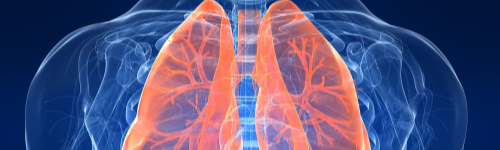
Bronchiolitis Obliterans (Popcorn Lung)
Lung Diseases
- 55 W Wacker Dr, Suite 1150, Chicago, IL 60601-1796, USA(800) 586-4872https://www.lung.org/lung-health-diseases/lung-disease-lookup/popcorn-lung
Bronchiolitis Obliterans (Popcorn Lung)
Bronchiolitis obliterans is a chronic lung disease that also goes by the nickname “popcorn lung.” The condition damages the tiniest airways in your lungs (bronchioles), causing coughing and shortness of breath.Learn About Bronchiolitis Obliterans - Key Facts:
- Bronchiolitis obliterans is a rare chronic lung disease that worsens over time.
- This disease was first discovered in workers at a microwave popcorn plant who had inhaled the flavoring chemical diacetyl. That is how bronchiolitis obliterans became known as ‘popcorn lung’.
- Exposure to other chemicals, some lung infections, autoimmune diseases and complications from lung transplants can also cause bronchiolitis obliterans.
- It is important to note that the similarly named bronchiolitis obliterans organizing pneumonia (BOOP), now referred to as Cryptogenic Organizing Pneumonia (COP), is a completely different disease.
How it Affects Your Body
The very small airways of the lungs are called bronchioles. Bronchioles can become injured as a result of inhaling a harmful substance, due to an infection, from an autoimmune response or as a complication to a lung transplant. Most of the time, the injury heals normally. Occasionally the body’s repair process becomes overactive, causing the build-up of scar tissue. The thick scar tissue blocks the bronchioles and prevents air from passing through to the alveoli, also called air sacs. This makes it harder for the body to absorb oxygen. The scarring and narrowing of the bronchioles may continue to worsen over time. If left untreated, it could result in irreversible lung damage and respiratory failure.
What Causes Bronchiolitis Obliterans
Bronchiolitis obliterans is most commonly caused by breathing in toxicants over time. Diacetyl is a frequent cause of exposure that and can be found in artificial butter flavoring and odor products such as popcorn, cake mixes and candy. It also is found in tobacco smoke, flavored tobacco products and vaping products. Some other toxicants linked to causing bronchiolitis obliterans are:
- Acetaldehyde, found in cannabis and e-cigarette smoke
- Formaldehyde, a highly irritating chemical used in adhesives and building materials and emitted from e-cigarette smoke
- Metal oxide fumes, a byproduct of welding
- Sulfur dioxide, released by burning fossil fuels
- Ammonia
- Chlorine
- Nitrogen oxides
- Hydrochloric acid
- Mustard gas, or sulfur mustard
Besides environmental exposure, bronchiolitis obliterans can be caused by severe respiratory infections, such as RSV, and some forms of pneumonia or bronchitis. If you have been diagnosed with an autoimmune disease, such as rheumatoid arthritis, you are also at a higher risk of developing bronchiolitis obliterans. If you have had a lung transplant, you are at risk of developing the condition if your body rejects the new organ. About 50% of recipients of a lung transplant develop the condition within five years. This is called bronchiolitis obliterans syndrome. Some people who have a bone marrow transplant from a donor may also develop this condition. This occurs in about 10% of people receiving a bone marrow transplant and typically develops within five years of their transplant.
Bronchiolitis Obliterans Symptoms and Diagnosis - What Are the Symptoms of Bronchiolitis Obliterans?
Not everyone with bronchiolitis obliterans will have symptoms. When symptoms are present the most common symptoms include:
- Shortness of breath,
- Dry cough
- Wheezing
- Fatigue
Symptoms will normally develop over a few weeks or months and can flare up while exercising or doing manual labor. Depending on the exposure, other parts of the body may experience irritation. For example, a skin rash may develop in addition to respiratory problems. As the condition progresses, symptoms will worsen.
How Bronchiolitis Obliterans Is Diagnosed
Symptoms of bronchiolitis obliterans are similar to other lung diseases which is why your healthcare provider will need a detailed medical history, including the mention of any possible environmental exposure, to determine if bronchiolitis obliterans is likely. Additionally, your provider will need to do a physical exam and listen to your breathing. They will order diagnostic tests such as a chest X-ray or CT scan of the chest, as well as non-invasive lung function tests to measure the amount of air you can breathe in and out. If the diagnosis is still unclear, a lung biopsy may be necessary.
Treating and Managing Bronchiolitis Obliterans - How Bronchiolitis Obliterans Is Treated
Bronchiolitis obliterans is an irreversible and chronic condition, with available treatments that can slow progression and reduce the severity of your symptoms. It is important to catch the disease early when treatment is more likely to keep the disease from worsening. If the disease was caused by breathing in a harmful chemical, it is essential to reduce your exposure to that chemical and any other toxin. Your healthcare provider may recommend the following treatment options.
- Corticosteroids, specifically prednisone, are the most common treatment of bronchiolitis obliterans. Corticosteroids work by reducing inflammation through suppressing the immune system.
- Bronchodilators relax the muscles around the airways or breathing tubes which work to help open the airways. When the airways are more open, it helps you breathe easier.
- Steroids are strong medications used to fight inflammation. They work by suppressing the immune system. Steroids may be prescribed when your symptoms are more severe.
- Supplemental oxygen may be prescribed to increase low blood oxygen levels.
- If your condition worsens, is life threatening and does not respond to other treatment options, your provider may recommend a lung transplant.
How to Manage Bronchiolitis Obliterans
Bronchiolitis obliterans is a chronic condition, meaning it will not go away. It is important to follow the treatment plan established by your healthcare provider. You should also work closely with your healthcare provider to determine healthy habits that will help manage your symptoms and decrease the risk of flare-ups. Some suggestions include:
- If the disease was caused by breathing in a harmful chemical, reduce or eliminate your exposure to that chemical and any other toxin
- Quit smoking, e-cigarettes, vaping
- Avoid secondhand smoke and air pollution
- Stay healthy by avoiding people who are sick and if you do get sick, let your healthcare provider know so you can get timely treatment
- Stay up to date on recommended vaccinations.
Finding Support
The Lung Association recommends chronic disease patients and caregivers seek support from their community. Learn better ways to cope with your lung condition by joining a Better Breather’s Club. You can also call the Lung Association's Lung HelpLine at 1-800-LUNGUSA to talk to a trained respiratory professional who can help answer your questions and connect you with support. Learn More
Newly Diagnosed with Bronchiolitis Obliterans - Find Out More About Bronchiolitis Obliterans
- If you are newly diagnosed, it is helpful to learn about bronchiolitis obliterans, what your treatment options are and how it is managed.
- Talk to your healthcare provider about your diagnosis to better understand how it will impact your life and what steps you can take to ensure you have the best quality of life.
Take Care of Yourself
Staying healthy when you are living with a chronic lung disease is important so that you avoid flare ups, your condition doesn’t worsen and you decrease the risk of damaging your lungs. You can take these steps to following a healthy lifestyle:
- Quit smoking, e-cigarettes, and vaping
- Avoid exposure to unhealthy air, both indoors and outdoors
- Avoid infections through hand washing, staying away from others who are sick, and getting vaccinations that are recommended by your healthcare provider
- Choose healthy foods and stay active; talk to your healthcare provider about what activity is right for you
Connect with Others
No person facing a chronic lung disease should go through it alone. There are online and in-person support groups available. Finding a group early in your journey will provide you with more opportunities to get information about your disease, empower you to better manage your disease, and give you the support you need.
- Living with Lung Disease Community (online support community)
- Better Breathers Clubs (in-person or virtual support groups)
You can also call the Lung Association's Lung Helpline at 1-800-LUNGUSA to talk to a trained respiratory professional who can help answer your questions about bronchiolitis obliterans and they can help connect you with support.
Source: https://www.lung.org/lung-health-diseases/lung-disease-lookup/popcorn-lung