
Cervical Cancer
Cancer Conditions
- 270 W Peachtree St NW #1300, Atlanta, GA 30303, USA(800) 227-2345https://www.cancer.org/cancer/types/cervical-cancer.html
Cervical Cancer
What Is Cervical Cancer?
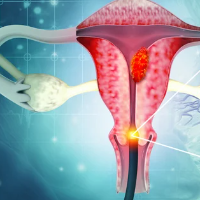
Cervical cancer starts in the cells lining the cervix -- the lower part of the uterus (womb). The cervix connects the body of the uterus (the upper part where a fetus grows) to the vagina (birth canal). Cancer starts when cells in the body begin to grow out of control. To learn more about how cancers start and spread, see What Is Cancer?
What Is Cancer?Cancer starts when cells in the body begin to grow out of control. Cells in nearly any part of the body can become cancer cells. Learn more here.
Anatomy Gallery: Female Genitourinary System
Explore our 3D interactive tour of the female genitourinary system.
The cervix is made of two parts and is covered with two different types of cells.
- The endocervix is the opening of the cervix that leads into the uterus. It is covered with glandular cells.
- The exocervix (or ectocervix) is the outer part of the cervix that can be seen by the doctor during a speculum exam. It is covered in squamous cells.
Abnormal changes in the cells of the cervix
Cells in the transformation zone do not suddenly change into cancer. Instead, the normal cells of the cervix first gradually develop abnormal changes that can turn into cancer. Doctors use several terms to describe these cell changes, including cervical intraepithelial neoplasia (CIN), squamous intraepithelial lesion (SIL), and dysplasia. You might hear these abnormal changes referred to as precancers or precancerous changes.When these abnormal changes in the cervix are found, they are graded on a scale of 1 to 3 based on how much of the cervical tissue looks abnormal.
- In CIN1 (also called mild dysplasia or low grade SIL), not much of the tissue looks abnormal. Most often, these cells will change back to normal cells.
- In CIN2 or CIN3 (also called moderate/severe dysplasia or high-grade SIL) more of the tissue looks abnormal. With these cell changes, there is a higher risk that the cells can become cancer cells and will need to be watched closely or removed.
Cervical cancer screening looks for abnormal cells in the cervix or cervical cancer early, when treatment is more likely to be successful. Regular screening can prevent cervical cancer and save lives.
The HPV test and the Pap test are used to screen for cervical cancer:
- The Pap test can detect and treat precancerous changes to prevent cancer from developing.
- The HPV test looks for infection by high-risk types of HPV that are more likely to cause precancers and cancers of the cervix. There is no treatment for HPV infection, but a vaccine can help prevent it.
Types of cervical cancer
Cervical cancers and cervical precancers are classified by how they look in the lab under a microscope. The main types of cervical cancers are squamous cell carcinoma and adenocarcinoma.
- Most (up to 9 out of 10) cervical cancers are squamous cell carcinomas. These cancers develop from cells in the exocervix. Squamous cell carcinomas most often begin in the transformation zone (where the exocervix joins the endocervix).
- Most other cervical cancers are adenocarcinomas. Adenocarcinomas are cancers that develop from glandular cells. Cervical adenocarcinoma develops from the mucus-producing gland cells of the endocervix.
- Less commonly, cervical cancers have features of both squamous cell carcinomas and adenocarcinomas. These are called adenosquamous carcinomas or mixed carcinomas.
Although almost all cervical cancers are either squamous cell carcinomas or adenocarcinomas, other types of cancer also can develop in the cervix. These other types, such as melanoma, sarcoma, and lymphoma, occur more commonly in other parts of the body. Only the more common cervical cancer types are covered here.
Questions to Ask Your Doctor About Cervical Cancer
It is important for you to have frank, open discussions with your cancer care team. They want to answer all your questions to help you make informed treatment and life decisions. Here are some questions to consider.
When you're told you have cervical cancer
- What type of cervical cancer do I have?
- Has my cancer spread outside the cervix?
- Can the stage of my cancer be determined and what does that mean?
- Will I need other tests before we can decide on treatment?
- Do I need to see any other doctors or health professionals?
- If I’m concerned about the costs and insurance coverage for my diagnosis and treatment, who can help me?
When deciding on a treatment plan
- What are my treatment choices?
- What treatment do you recommend and why?
- How much experience do you have treating this type of cancer?
- Should I get a second opinion? How do I do that? Can you recommend someone?
- What would the goal of the treatment be?
- How quickly do we need to decide on treatment?
- What should I do to be ready for treatment?
- How long will treatment last? What will it be like? Where will it be done?
- What risks or side effects are there to the treatments you suggest? Are there things I can do to reduce these side effects?
- How might treatment affect my daily activities?
- Will the treatment put me into menopause early?
- Will I need hormone replacement therapy after treatment? If so, is it safe?
- What are the chances my cancer will recur (come back) with these treatment plans?
- What will we do if the treatment doesn’t work or if the cancer recurs?
- Will I be able to have children after my treatment?
- What are my treatment options if I want to have children in the future?
During treatment
Once treatment begins, you’ll need to know what to expect and what to look for. Not all these questions may apply to you, but asking the ones that do may be helpful.
- How will we know if the treatment is working?
- Is there anything I can do to help manage side effects?
- What symptoms or side effects should I tell you about right away?
- How can I reach you on nights, holidays, or weekends?
- Do I need to change what I eat during treatment?
- Are there any limits on what I can do?
- Can I have sex during treatment? Will my sex life change after treatment?
- What kind of exercise should I do, and how often?
- Can you suggest a mental health professional I can see if I start to feel overwhelmed, depressed, or distressed?
After treatment
- Will I need a special diet after treatment?
- Are there any limits on what I can do?
- What other symptoms should I watch for?
- What kind of exercise should I do now?
- What type of follow-up will I need after treatment?
- How often will I need to have follow-up exams and imaging tests?
- Will I need any blood tests?
- How will we know if the cancer has come back? What should I watch for?
- What will my options be if the cancer comes back?
Along with these examples, be sure to write down some of your own. For instance, you might want more information about recovery times. You might also ask if you qualify for a clinical trial.
Keep in mind that doctors aren’t the only ones who can give you information. Other health care professionals, such as nurses and social workers, can answer some of your questions. To find out more about speaking with your health care team, see The Doctor-Patient Relationship.
Additional Information
- About Cervical Cancer
- Key Statistics for Cervical Cancer
- What's New in Cervical Cancer Research?
- What Is Cervical Cancer?
- Causes, Risk Factors, and Prevention
- Early Detection, Diagnosis, and Staging
- Treating Cervical Cancer
- After Treatment
- Cervical Cancer Quiz
- Surgery for Cervical Cancer
- Radiation Therapy for Cervical Cancer
- Chemotherapy for Cervical Cancer
- Targeted Drug Therapy for Cervical Cancer
- Immunotherapy for Cervical Cancer
- Treatment Options for Cervical Cancer, by Stage
- Questions to Ask About Cervical Cancer
- Fertility
- Seeking a Second Opinion
- Health Professionals Who Are Part of a Cancer Care Team