
Childhood Leukemia
Cancer Conditions
- 270 W Peachtree St NW #1300, Atlanta, GA 30303, USA(800) 227-2345https://www.cancer.org/cancer/types/leukemia-in-children.html
Childhood Leukemia
Leukemia is the most common type of cancer in children and teens. Among children and teens diagnosed with cancer, 1 in 3 will have a type of leukemia.About childhood leukemia
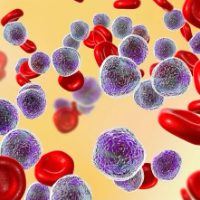
Leukemias are cancers of the blood cells. Leukemia most often occurs in the earliest forms of white blood cells.The center of our bones, called the bone marrow, makes our red blood cells, white blood cells, and platelets. When leukemia occurs, cancer cells multiply in the bone marrow. As the cancer cells build up, they crowd out the normal cells. When this happens, leukemia cells can spill into the bloodstream and the bone marrow can have a tough time making enough normal cells. This can cause people with leukemia to have symptoms like low energy, bone pain, infections, easy bleeding, or bruising.
Sometimes leukemia can spread to other parts of the body such as the lymph nodes, spleen, liver, central nervous system (the brain and spinal cord), testicles, or other organs.
Some other childhood cancers, such as neuroblastoma or rhabdomyosarcoma, start in other organs and can spread to the bone marrow, but these cancers are not leukemia.
Types of leukemia in children
There are a few types of leukemia that affect children. The type of leukemia a child has plays a key role in how it is treated and the child’s outlook (prognosis). To diagnose leukemia, testing on samples of the blood, bone marrow, cerebrospinal fluid (CSF), and sometimes lymph nodes may be needed.Be sure to ask the health care team if you have any questions about your child’s leukemia diagnosis.
The different types of leukemia are based on:
- If the leukemia is acute (fast growing) or chronic (slower growing)
- If the leukemia starts in lymphoid cells or myeloid cells, both of which are types of immune cells that are made in the bone marrow
Acute leukemias
Most childhood leukemias are acute. These leukemias grow quickly and often need treatment right away. The main types of acute leukemia are acute lymphoblastic leukemia (ALL) and acute myeloid leukemia (AML). In rare cases, acute leukemia can have features of both ALL and AML. When this happens, it is called a mixed phenotype acute leukemia (MPAL).Acute lymphoblastic (lymphocytic) leukemia (ALL)
Acute myeloid leukemia (AML)
Chronic leukemias
Chronic leukemias are rare in children. These leukemias tend to grow more slowly than acute leukemias. There are two main types of chronic leukemias in children, chronic lymphocytic leukemia (CLL) and chronic myeloid leukemia (CML).
Chronic lymphocytic leukemia (CLL)
Chronic myeloid leukemia (CML)
Juvenile myelomonocytic leukemia (JMML)
JMML is a rare type of leukemia that is neither chronic nor acute. It usually does not grow as fast as AML or as slowly as CML. It occurs most often in young children (average age of 2 years).
Symptoms can include pale skin, fever, cough, easy bruising or bleeding, trouble breathing (from too many white blood cells in the lungs), rash, and enlarged spleen, liver, and/or lymph nodes.
JMML is often caused by gene changes that affect the RAS/MAPK pathway. It can also be associated with Neurofibromatosis type 1, a family cancer syndrome, and Noonan syndrome, a rare inherited condition that affects how children grow and develop.
For more detailed information, see Prognostic Factors and Survival Rates for Childhood Leukemia.
For more detailed information on the treatment of JMML in children, see Juvenile Myelomonocytic Leukemia Treatment.
Questions To Ask Your Child’s Cancer Care Team
Cancer care for children is complex. Many healthcare professionals will be involved in caring for your child, so open, honest, and clear communication is crucial.
Children with cancer and their families often build strong bonds with the cancer care team. But there still might be times when communication is challenging. Knowing who to talk to about specific issues and how to communicate your frustrations or concerns will help the cancer care team understand your needs.
Who is on the cancer care team?
Your child’s cancer care team includes experts who understand the differences between adult and childhood cancers, as well as the unique needs of children with cancer and their families. They work together to give support and care throughout the cancer journey.
This team usually includes:
- Pediatric oncologists: Doctors who use medicines to treat children with cancer
- Pediatric surgeons: Doctors who perform surgery in children
- Radiation oncologists: Doctors who use radiation to treat cancer
- Pediatric oncology nurses: Nurses who specialize in caring for children with cancer.
- Certified Pediatric Oncology Nurses (CPON): Nurses who specialize in working with pediatric cancer patients and has passed a certification exam.
- Nurse practitioners (NPs) and physician assistants (PAs): Health professionals who are specially trained and licensed to practice medicine alongside doctors.
- Recreational therapists or child life specialists: Health care team members who help kids with activities to stay healthy and happy.
The team can also include many other health professionals. Children’s cancer centers often have psychologists, social workers, nutritionists, rehabilitation and physical therapists, and educators who can support and care for the entire family.
Building trust through family meetings
Building trust takes time, especially when it involves your child. Tell the cancer care team how much information you want and how you would like updates to be given. Having a family meeting can be another way to build trust. In a family meeting, you can sit down with core members of the cancer care team. This way, you can make sure everyone has the same information, ask questions, and tell them what you need extra help with.
Taking an active role
As a parent or caregiver, you are an invaluable member of the care team. You know your child better than anyone. When you bring your experience and knowledge and the cancer care team brings their expertise and skills, together you can create a plan that is best for your child.
These tips can help you communicate effectively and take an active role in your child’s care:
- Give clear, direct, and honest information about your child.
- Keep a notebook or log of hospitalizations, tests, and treatments.
- Keep a list of questions in your notebook and bring it to appointments or the hospital.
- Take notes or bring someone with you to take notes when having important talks with your child’s cancer team.
- Sign a release of information if you want your child’s cancer care team to be able to share medical information with other family members or care facilities.
If communication is difficult
Most of the time, children with cancer and their families develop a bond with the doctors, nurses, and other members of their cancer care team. But sometimes, personalities and styles may clash, and things may not always go smoothly.
- If you have any worries or doubts about your child’s cancer care or plans, ask if you can discuss them more or how to get a second opinion.
- Ask for a family meeting.
- If you are feeling frustrated or disagree with a certain person on the cancer care team, try speaking with them. There might be a misunderstanding on both sides that can be resolved just by having a conversation.
- If you’ve spoken to them and still have concerns, ask another team member how to report your concerns.
- Written by
- References
Additional Information
- Key Statistics for Childhood Leukemia
- The American Cancer Society's most recent estimates and statistics for childhood leukemia in the United States are located here.
- Causes, Risk Factors, and Prevention of Childhood Leukemia
- Learn about the risk factors for childhood leukemia and if there are things that can be done to help lower the risk.
- Early Detection, Diagnosis, and Prognosis of Childhood Leukemia
- Learn about the signs and symptoms of childhood leukemia, the tests that may be done for it, and the outlook for those with a diagnosis.
- Treating Childhood Leukemia
- If your child is facing childhood leukemia, we can help you learn about the treatment options and possible side effects and point you to information and services to help.
- After Treatment for Childhood Leukemia
- Get information about how to live well after childhood leukemia treatment and make decisions about next steps.
- Childhood cancer factsheet
- Chemotherapy for Childhood Leukemia
- Chemotherapy (chemo) is a treatment of cancer-killing drugs used to kill childhood leukemia cells. Learn more about chemotherapy here.
- Targeted Therapy Drugs for Childhood Leukemia
- Targeted drugs work differently than standard chemotherapy drugs. These drugs can be helpful in treating some types of childhood leukemia. Learn more here.
- Immunotherapy for Childhood Leukemia
- Immunotherapy drugs work by stimulating the child's immune system to fight leukemia. Learn more here.
- High-dose Chemotherapy and Stem Cell Transplant for Childhood Leukemia
- A stem cell transplant (SCT) allows doctors to use higher doses of chemo to kill childhood leukemia cells.
- Surgery for Childhood Leukemia
- Surgery has a very limited role in the treatment of childhood leukemia. Learn about when surgery might be used here.
- Radiation Therapy for Childhood Leukemia
- Radiation therapy is a treatment that uses high-energy rays or particles to destroy childhood leukemia cells. Learn more here.