
Chronic Inflammatory Demyelinating Polyneuropathy (CIDP)
Neurological Conditions
Chronic Inflammatory Demyelinating Polyneuropathy (CIDP)
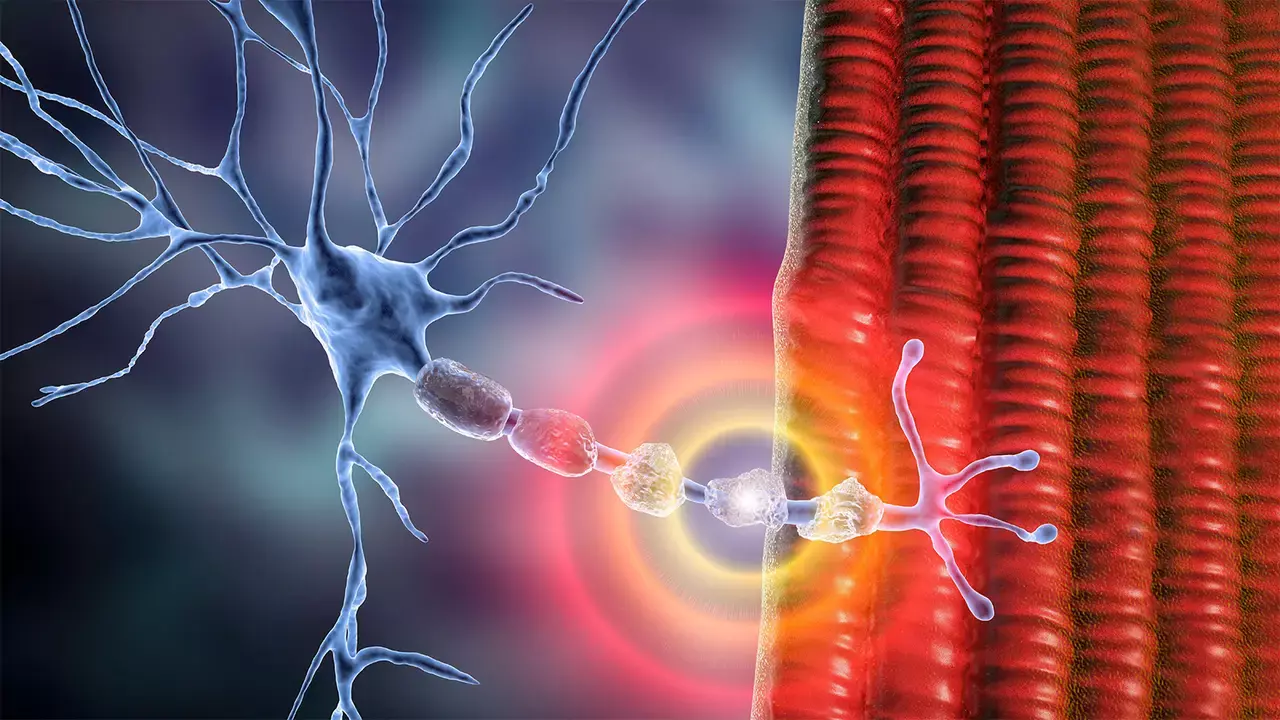
Your peripheral nerves are the electrical highways connecting your brain and spinal cord to every muscle, joint, and sensation in the body. They send commands that let you walk, talk, feel, and move. When the protective coating on these nerves—called myelin—is damaged by the body’s own immune system, communication slows or stops. This chronic process is known as Chronic Inflammatory Demyelinating Polyneuropathy (CIDP).CIDP is a long-term, autoimmune neuropathy that causes weakness, numbness, imbalance, and fatigue. Unlike Guillain-Barré Syndrome (GBS), which develops rapidly over days or weeks, CIDP evolves slowly over months and can fluctuate between relapse and remission. The good news is that CIDP is treatable—and often highly responsive—when recognized early and managed with appropriate therapy.
Questions to Ask Your Doctor
If you’ve been diagnosed with CIDP or are under evaluation for it, consider asking:
- What type of CIDP do I have—typical, sensory, multifocal, or motor-predominant?
- What did my EMG and nerve conduction studies show?
- Are there antibodies or immune markers that might change my treatment plan?
- What treatment is best for me right now—IVIG, steroids, plasma exchange, or a newer biologic therapy?
- How will we track my response to therapy?
- Are FcRn inhibitors or complement inhibitors available to me?
- What side effects should I watch for with my medication?
- Can I switch from IV infusions to a home-based or subcutaneous option?
- Are there clinical trials or patient registries for CIDP I could join?
- What physical or lifestyle changes will help protect my nerves long term?
Overview
CIDP is an autoimmune condition in which the immune system mistakenly attacks myelin in the peripheral nerves. The resulting inflammation and demyelination disrupt signal transmission, causing weakness, sensory loss, and diminished reflexes. Over time, untreated inflammation can lead to secondary axonal injury—permanent nerve fiber damage.
CIDP is classified as an acquired immune-mediated demyelinating neuropathy, not an inherited one. It can affect anyone, at any age, and is slightly more common in men. Prevalence is estimated between 1 and 8 per 100,000 people, making it rare—but it remains one of the most treatable chronic neuropathies when detected early.
Causes and Mechanism
CIDP arises when immune cells—especially T cells, macrophages, and antibodies—mistakenly identify myelin proteins as foreign. This triggers inflammation, complement activation, and segmental demyelination along peripheral nerves. Some patients develop antibodies against specific “nodal” proteins (e.g., neurofascin-155, contactin-1, CASPR1), which may define unique CIDP subtypes and responses to treatment.
Researchers continue to study environmental and genetic triggers, but most cases appear idiopathic—without a single clear cause.
Symptoms
CIDP typically develops slowly over at least 8 weeks and can present in symmetrical or patchy patterns.
Common symptoms include:
- Gradual muscle weakness in arms and legs
- Numbness, tingling, or burning in hands and feet
- Loss of reflexes
- Balance problems and unsteady gait
- Fatigue or heaviness in limbs
- Pain or hypersensitivity to touch
- In rare cases, cranial nerve involvement leading to facial weakness or swallowing difficulty
Because CIDP shares features with other conditions (such as diabetic neuropathy or spinal stenosis), precise diagnosis by a neuromuscular specialist is essential.
Diagnosis and Tests
CIDP is diagnosed through a combination of clinical examination, electrophysiological studies, and supportive laboratory tests.
Key tools include:
- Electromyography (EMG) and Nerve Conduction Studies (NCS): reveal demyelination through slowed conduction velocity, conduction block, or prolonged distal latency.
- Lumbar Puncture: often shows elevated protein with normal white cell count (albuminocytologic dissociation).
- MRI of nerve roots or plexus: can show nerve enlargement or enhancement due to inflammation.
- Blood tests: check for diabetes, thyroid disease, vitamin deficiency, paraproteins, and autoimmune markers.
- Antibody testing: identifies specific nodal/paranodal antibodies that may guide targeted therapy.
- Nerve biopsy: occasionally performed to confirm demyelination and rule out vasculitic or infiltrative neuropathies.
Treatment
The central goal of CIDP treatment is to halt immune attack, allow myelin repair, and restore strength and function. The last few years have transformed therapy—from broad immune suppression to targeted precision biologics that address specific immune pathways.
1. First-Line Immunotherapy
These are standard and remain highly effective for most patients:
- Intravenous Immunoglobulin (IVIG): pooled antibodies that neutralize harmful immune activity. Typically leads to improvement within 2–6 weeks.
- Subcutaneous Immunoglobulin (SCIG): a home-administered alternative used for maintenance once stability is achieved. It provides steady immunoglobulin levels with fewer infusion side effects.
- Corticosteroids: such as prednisone or high-dose methylprednisolone, suppress inflammation. They are effective but require monitoring for long-term side effects (weight gain, diabetes, osteoporosis).
- Plasma Exchange (Plasmapheresis): removes circulating antibodies directly from the bloodstream. It works rapidly and can be lifesaving in severe or refractory cases.
Most patients respond to one of these within weeks, and combination therapy may be used to achieve stability before transitioning to long-term maintenance.
2. Advanced and Emerging Therapies
New therapies are reshaping the landscape of CIDP care. These treatments aim to modulate specific immune pathways rather than suppress the entire immune system.
a. FcRn Inhibitors (Neonatal Fc Receptor Blockade)
The neonatal Fc receptor (FcRn) helps recycle IgG antibodies, prolonging their half-life. Blocking FcRn causes harmful antibodies to be broken down faster, reducing inflammation at the nerve.
- Efgartigimod alfa (Vyvgart Hytrulo) was FDA-approved in 2024 for adults with CIDP after demonstrating reduced relapse risk in the ADHERE Phase III trial.
- Other investigational FcRn inhibitors—nipocalimab, rozanolixizumab, and batoclimab—are in advanced clinical trials.
These agents act within days, are well tolerated, and offer a new option for patients who relapse on IVIG or wish to avoid infusions.
b. Complement Inhibitors
In some forms of CIDP, complement proteins—part of the body’s immune defense—damage the myelin sheath. Complement inhibitors block this cascade at its origin.
- Riliprubart, a C1s inhibitor, and ravulizumab, a C5 blocker, are under investigation for antibody-mediated CIDP.
- These biologics have already changed outcomes in diseases like myasthenia gravis and hold promise for treatment-resistant CIDP.
Complement inhibition represents the next frontier of precision immunotherapy, especially for nodal/paranodal antibody-positive patients.
c. B-cell and Plasma-cell Depletion
Certain CIDP variants involve long-lived B-cells and plasma cells that continuously produce damaging antibodies.
- Rituximab (anti-CD20) is used off-label in refractory CIDP, particularly for those with anti-neurofascin or contactin antibodies.
- Obinutuzumab and daratumumab (anti-CD38) are being studied as next-generation agents to target resistant antibody-producing cells more effectively.
These drugs can induce remission but require careful infection monitoring and specialist oversight.
d. Cellular and Regenerative Therapies
Experimental research is exploring immune “reset” and nerve repair through cell-based approaches:
- Autologous Hematopoietic Stem Cell Transplantation (HSCT): reboots the immune system, potentially inducing long-term remission in severe, treatment-resistant cases.
- Mesenchymal Stem Cell Therapy: may modulate inflammation and support nerve regeneration, though still in clinical trials.
- Regenerative medicine and Schwann-cell replacement therapies aim to promote remyelination after inflammation resolves.
These strategies remain investigational but point to a future where nerve repair, not just immune suppression, becomes central to care.
Maintenance and Long-Term Management
Once symptoms are controlled, treatment focuses on maintaining remission and minimizing relapse.
- SCIG is often favored for long-term therapy due to convenience and stable antibody levels.
- Periodic reassessment ensures patients are not over- or undertreated; many can taper therapy over time.
- Physical and occupational therapy preserve muscle tone and balance.
- Pain management may include gabapentin, pregabalin, duloxetine, or topical lidocaine.
- Lifestyle measures—adequate rest, nutrition, hydration, and avoiding overexertion—help sustain nerve recovery.
Research Horizons
CIDP treatment is moving rapidly toward individualized, mechanism-based medicine. Areas of active research include:
- Biomarker-driven therapy: tailoring biologics to antibody status and complement activation.
- Digital and AI-driven monitoring: wearable devices that track gait and strength changes.
- Neuroregenerative therapeutics: cell-based and gene-editing technologies to promote remyelination.
- Combination biologics: FcRn plus complement inhibition to provide deeper, sustained disease control.
For many patients, the outlook has never been brighter. Early recognition and multidisciplinary management can now lead not only to remission, but to meaningful functional recovery.
Living With CIDP
Most people with CIDP can live active, fulfilling lives. Regular follow-up, physical therapy, and strong communication with the care team are vital. Emotional support—from patient groups or counseling—can ease uncertainty and isolation.
Practical strategies include pacing activities, using braces or assistive devices when needed, and celebrating small improvements as signs of nerve repair.
Did You Know?
- CIDP is the most treatable chronic neuropathy and often reversible if addressed early.
- FcRn inhibitors are the first new class of CIDP drugs approved in over 30 years.
- Some CIDP variants do not respond well to IVIG but improve dramatically with targeted biologics.
- Exercise, good sleep, and nutrition support nerve health and recovery.
References & Public Resources
NINDS – Chronic Inflammatory Demyelinating Polyneuropathy (CIDP)
https://www.ninds.nih.gov/health-information/disorders/chronic-inflammatory-demyelinating-polyneuropathy-cidp- GARD (NIH) – CIDP Overview
https://rarediseases.info.nih.gov/diseases/6668/chronic-inflammatory-demyelinating-polyneuropathy - Muscular Dystrophy Association – CIDP Resource Page
https://www.mda.org/disease/chronic-inflammatory-demyelinating-polyneuropathy - American Academy of Neurology (AAN) CIDP Guideline Summary (2021)
https://www.aan.com/Guidelines/home/GetGuidelineContent/956 - FDA – Approval of Efgartigimod Alfa (Vyvgart Hytrulo) for CIDP (2024)
https://www.fda.gov/news-events/press-announcements/fda-approves-efgartigimod-alfa-and-hyaluronidase-cidp - Sanofi Press Release – Riliprubart Complement Inhibitor Trial in CIDP (2024)
https://www.sanofi.com/en/media-room/press-releases/2024/2024-06-25-20-30-00-2904145 - BMJ JNNP – “Evolving Immunopathogenesis of CIDP” (2024 Review)
https://jnnp.bmj.com/content/early/2024/10/01/jnnp-2024-334165.full.pdf - Hematology Advisor – Stem Cell Therapy in CIDP
https://www.hematologyadvisor.com/news/stem-cell-hsct-cidp-polyradiculoneuropathy-patients-benefit-treatment/ - ClinicalTrials.gov – CIDP Active Studies
https://clinicaltrials.gov/search?cond=chronic%20inflammatory%20demyelinating%20polyneuropathy