
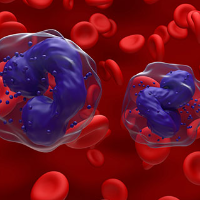
Chronic Myeloid Leukemia (CML)
Cancer Conditions
- 270 W Peachtree St NW #1300, Atlanta, GA 30303, USA(800) 227-2345https://www.cancer.org/cancer/types/chronic-myeloid-leukemia.html
Chronic Myeloid Leukemia (CML)
Chronic myeloid leukemia (CML) is also known as chronic myelogenous leukemia. It's a type of cancer that starts in the blood-forming cells of the bone marrow and invades the blood. About 15% of leukemias in adults are CML.What Is Chronic Myeloid Leukemia (CML)?
Chronic myeloid leukemia (CML) is a type of cancer that starts in certain blood-forming cells of the bone marrow (the soft, spongy tissue in the middle of certain bones). It is also known as chronic myelogenous leukemia.
CML happens mostly in adults, but very rarely it happens in children, too. In general, treatment for CML in children is the same as for adults.
How CML starts
CML starts in early forms of white blood cells, which normally help your body fight infections.In CML, the leukemia cells have an abnormal gene called BCR::ABL1, which causes them to grow out of control. (See What Causes Chronic Myeloid Leukemia.)
The leukemia cells in CML build up in your bone marrow (where new blood cells are made) and then enter your blood. In time, the cells can also settle in other parts of your body, including your spleen.
CML tends to be a fairly slow-growing leukemia, but sometimes it changes into a fast-growing acute leukemia that can be hard to treat.
What is leukemia?
All leukemias, including CML, start in the blood-forming cells of the bone marrow. Normally, these blood-forming cells mature, do their jobs, and then die off. But when one of these cells develops mutations (changes) in its DNA and becomes a leukemia cell, it no longer matures the way it should.Leukemia cells also don't die when they should. They build up in your bone marrow and crowd out normal cells.
At some point, leukemia cells leave the bone marrow and spill into your bloodstream. This increases the number of white blood cells in your blood. Once they are in your blood, leukemia cells can spread to other organs, where they can keep other cells in your body from working normally.
Knowing the exact type of leukemia you have will help your cancer care team better predict your prognosis (outlook) and plan the best treatment.
What is a chronic leukemia?
Leukemia is either chronic or acute. Chronic leukemia is slower growing. Acute leukemia grows more quickly.
CML is a chronic (slower growing) leukemia.
In a chronic leukemia, the cells mature partly, but they don't mature completely. They are more like normal white blood cells than the cells of acute leukemias.These cells may look fairly normal, but they're not. They generally don’t fight infection as well as normal white blood cells. The leukemia cells also live longer than normal cells. They build up over time, crowding out normal cells in the bone marrow.
It can take a long time before chronic leukemia causes problems. Most people can live with it for many years. But chronic leukemias tend to be harder to cure than acute leukemias.
What is a myeloid leukemia?
Leukemia is also either lymphocytic or myeloid, depending on which bone marrow cells the cancer starts in.
- Lymphocytic leukemias start in cells that would normally become white blood cells called lymphocytes. These leukemias are also known as lymphoid or lymphoblastic leukemias.
- Myeloid leukemias start in early myeloid cells — the cells that become white blood cells (other than lymphocytes), red blood cells, or platelet-making cells (megakaryocytes). These leukemias are also known as myelocytic, myelogenous, or non-lymphocytic leukemias.
CML is a myeloid leukemia. It starts in early forms of myeloid cells.
To learn more about myeloid cells and how they mature, see Bone Marrow and Blood Cells.
Questions To Ask Your Doctor About Chronic Myeloid Leukemia (CML)
As you cope with chronic myeloid leukemia (CML) and treatment, it’s important to have honest, open discussions with your cancer care team. You should feel comfortable asking about anything, no matter how small it might seem.
Below are some questions to consider asking about your CML.
Questions to ask when you're told you have CML
- How do you know I have CML?
- Will I need other tests before we can decide on treatment?
- What is the phase of my CML, and what does that mean for me?
- Are there other factors that might affect my outlook or my treatment options?
- How much experience do you have treating this type of leukemia?
- Should I get a second opinion? Can you recommend a doctor or cancer center?
Questions to ask when deciding on a treatment plan for CML
- What are my treatment choices?
- What do you recommend, and why?
- How is the treatment given?
- What are the risks and side effects of treatment?
- Can I continue to work, travel, or do other daily activities during treatment?
- What should I do to be ready for treatment?
- What is the outlook for my survival?
Questions to ask during treatment for CML
Once treatment begins, you’ll need to know what to expect and what to look for. Not all of these questions may apply to you, but getting answers to the ones that do can be helpful.
- How often will you test my blood or bone marrow to see how well treatment is working?
- Is there anything I can do to help manage side effects?
- What symptoms or side effects should I tell you about right away?
- How can I reach your office on nights, holidays, or weekends?
- Is there a chance I could come off treatment at some point? How will we know if this is possible?
- What would our options be if the treatment doesn't work, or if it stops working at some point?
- Are there any limits on what I can do?
- Can you suggest a mental health professional I can see if I start to feel overwhelmed, depressed, or distressed?
Questions to ask after treatment for CML
Most people need to stay on treatment for their CML indefinitely. But some people might be able to try stopping treatment for a time while being watched closely to see if the CML comes back.
- What symptoms should I watch for?
- What type of follow-up will I need after treatment?
- What will we do if the leukemia comes back?
Be sure to write down any questions you have that aren’t on this list. For example, you might ask how treatment will make you feel, so you can plan your work or activity schedule. Or you may want to ask about clinical trials.
Remembering what the doctor says
It can be hard to remember everything you’re told at each doctor’s visit, especially when you’re anxious or afraid.
Even if the doctor carefully explains things, you might not hear or remember it all. Here are some ways to help you remember everything your doctor tells you.
- Take notes on what your doctor says.
- Ask if you can record your talks.
- Take a family member or friend with you. Ask them to take notes and remind you of questions you want to ask so you can focus on listening and talking directly with the doctor.
Doctors aren’t the only ones who can give you information. Other health care professionals, such as nurses and social workers, can answer a lot of your questions. To find out more about speaking with your health care team, see The Doctor-Patient Relationship.
Additional Information
- About Chronic Myeloid Leukemia (CML)
- What Is Chronic Myeloid Leukemia?
- Normal Bone Marrow and Blood
- Key Statistics for Chronic Myeloid Leukemia
- What's New in Chronic Myeloid Leukemia Research?
- Causes, Risk Factors, and Prevention
- Early Detection, Diagnosis, and Staging
- Treating Chronic Myeloid Leukemia
- After Treatment
- Can Chronic Myeloid Leukemia (CML) Be Found Early?
- Signs and Symptoms of Chronic Myeloid Leukemia
- Tests for Chronic Myeloid Leukemia
- Phases and Risk Scores for Chronic Myeloid Leukemia
- Targeted Therapy Drugs for Chronic Myeloid Leukemia
- Interferon Therapy for Chronic Myeloid Leukemia
- Radiation Therapy for Chronic Myeloid Leukemia
- Surgery for Chronic Myeloid Leukemia
- Stem Cell Transplant for Chronic Myeloid Leukemia
- Treating Chronic Myeloid Leukemia by Phase
- How Do You Know If Treatment for Chronic Myeloid Leukemia Is Working?
- Health Professionals Who Are Part of a Cancer Care Team