
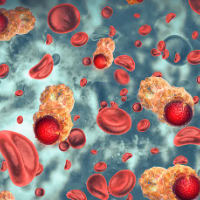
Chronic Myelomonocytic Leukemia
Cancer Conditions
- 270 W Peachtree St NW #1300, Atlanta, GA 30303, USA(800) 227-2345https://www.cancer.org/cancer/types/chronic-myelomonocytic-leukemia.html
Chronic Myelomonocytic Leukemia
Chronic myelomonocytic leukemia (CMML) is a type of cancer that starts in blood-forming cells of the bone marrow and invades the blood. It affects mainly older adults.What Is Chronic Myelomonocytic Leukemia (CMML)?
Chronic myelomonocytic leukemia (CMML) is a rare type of blood cancer. It starts in blood-forming cells in the bone marrow. CMML is slow growing, but over time the leukemia cells can spill out into the blood and reach other parts of the body, such as the spleen.
About 15% to 30% of people with CMML go on to develop acute myeloid leukemia (AML).
How CMML starts
CMML starts when blood-forming cells (known as blood stem cells) mutate and stop working correctly.
New blood cells are formed in your bone marrow. A small fraction of these blood-forming cells are blood stem cells. These stem cells are needed to make new cells. When a stem cell divides, it makes 2 cells: one that stays as a stem cell and another that keeps changing and dividing to make blood cells.
Blood cells that might be affected by CMML
There are 3 main types of blood cells: red blood cells, white blood cells, and platelets.Red blood cells
Red blood cells pick up oxygen in the lungs and carry it to the rest of the body. These cells also bring carbon dioxide back to the lungs.
White blood cells
White blood cells, (also called leukocytes) help the body fight infection. There are several different types of white blood cells.
- Lymphocytes are immune cells in the bone marrow, blood, and lymph nodes. Some kinds of lymphocytes make antibodies that help your body fight germs. Other kinds kill invading germs by making toxic substances that damage them.
- Granulocytes are white blood cells that destroy bacteria. They contain granules that are made up of enzymes and other substances that can destroy germs. Types of granulocytes include neutrophils, basophils, and eosinophils.
- Monocytes also help protect the body against germs. The early cells in the bone marrow that turn into monocytes are called monoblasts. When monocytes leave your bloodstream and go into body tissues, they become macrophages, which can destroy germs by surrounding and digesting them. Monocytes are the type of blood cell most affected in people with CMML.
Platelets
Platelets are small pieces that break off from a large cell in the bone marrow called a megakaryocyte. Platelets help your blood to clot by plugging up damaged areas of blood vessels.
Features of chronic myelomonocytic leukemia
CMML belongs to a group of blood disorders known as myelodysplastic/myeloproliferative neoplasms (MDS/MPNs). MDS/MPNs have 2 types of features:
- Myelodysplastic: The blood stem cells in these conditions don’t mature into healthy, mature blood cells (red blood cells, white blood cells, or platelets). The immature blood cells (blasts) don’t work the way they should, and they tend to die quickly.
- Myeloproliferative: Too many blood stem cells become one or more type of blood cell, resulting in too many of these types of cells. The number of these blood cells goes up slowly over time.
CMML is often divided into 2 subtypes, based on whether myelodysplastic or myeloproliferative features are more prominent. To learn more, see Chronic Myelomonocytic Leukemia (CMML) Subtypes, Stages, and Risk Groups.
The main problem in people with CMML is having too many monocytes (at least 500 per mm3 or per uL of blood). Often, the monocyte count is much higher, causing a person’s total white blood cell count to become very high as well.People with CMML also tend to have too few of at least one other type of blood cell. This is known as a cytopenia. They might have too few red blood cells (anemia), too few neutrophils (neutropenia), and/or too few platelets (thrombocytopenia).
Very early forms of blood cells, called blasts, make up no more than 20% of the cells in the blood and bone marrow in people with CMML.
Many people with CMML have an enlarged spleen (an organ that lies just below the left rib cage).
The DNA inside the CMML cells does not have certain gene changes that are typically seen in other blood disorders, such as the BCR/ABL1 gene change (Philadelphia chromosome) that is seen in the cells of chronic myeloid leukemia (CML).
For more about these gene changes, see Tests for Chronic Myelomonocytic Leukemia.
Questions to Ask Your Doctor About Chronic Myelomonocytic Leukemia (CMML)
If you’ve been diagnosed with chronic myelomonocytic leukemia (CMML), it is important to have frank, open, and honest discussions with your doctor about your condition. Your doctor and the rest of your cancer care team want to answer all of your questions.
Below is a list of questions to consider asking about your CMML.
When you’re told you have CMML
- How sure are you about the diagnosis of CMML?
- Can you explain what CMML is?
- Do I need any other tests before we can decide on treatment?
- Do I need to see any other types of doctors?
- Which risk group does my CMML fall into? How might this affect my prognosis and treatment options?
- Are there other factors that could affect my outlook or treatment options?
- If I’m concerned about the costs and insurance coverage for my diagnosis and treatment, who can help me?
When deciding on a treatment plan
- How much experience do you have treating CMML?
- What treatment choices do I have?
- Do we need to start treatment right away?
- Which treatment, if any, do you recommend? Why?
- What is the goal of this treatment?
- Should I get a second opinion before starting treatment? Can you suggest a doctor or cancer center?
- What should I do to be ready for treatment?
- How long will treatment last? What will it be like? Where will it be done?
- What are the risks or side effects of the treatments that you recommend?
- How long are these side effects likely to last?
- Will treatment affect my daily activities?
- What is the outlook for my survival?
During and after treatment
Once treatment begins, you’ll need to know what to expect and what to look for. Not all of these questions may apply to you, but getting answers to the ones that do could be helpful.
- How will we know if the treatment is working?
- What type of follow-up will I need during and after treatment?
- Is there anything I can do to help manage side effects?
- What symptoms or side effects should I tell you about right away?
- How can I reach you on nights, holidays, or weekends?
- Do I need to change what I eat during treatment?
- Are there any limits on what I can do?
- Should I exercise? What should I do, and how often?
- Can you suggest a mental health professional I can see if I start to feel overwhelmed, depressed, or distressed?
- What would my options be if the treatment isn’t working?
- Where can I find more information and support?
Along with these sample questions, be sure to write down any others you want to ask. For example, you might want to ask if any clinical trials might be right for you.
Keep in mind that doctors aren’t the only ones who can give you information. Other health care professionals, such as nurses and social workers, can answer some of your questions.
To learn more about speaking with your health care team, see The Doctor-Patient Relationship.
Additional Information
- About Chronic Myelomonocytic Leukemia
- What Is Chronic Myelomonocytic Leukemia (CMML)?
- Key Statistics About Chronic Myelomonocytic Leukemia
- What's New in Chronic Myelomonocytic Leukemia (CMML) Research and Treatment?
- Causes, Risk Factors, and Prevention
- Early Detection, Diagnosis, and Staging
- Treating Chronic Myelomonocytic Leukemia (CMML)
- After Treatment
- Supportive Therapy for People with Chronic Myelomonocytic Leukemia (CMML)
- Chemotherapy for Chronic Myelomonocytic Leukemia (CMML)
- Radiation Therapy for Chronic Myelomonocytic Leukemia (CMML)
- Surgery for Chronic Myelomonocytic Leukemia (CMML)
- Stem Cell Transplant for Chronic Myelomonocytic Leukemia (CMML)
- General Approach to Treating Chronic Myelomonocytic Leukemia (CMML)
- Health Professionals Who Are Part of a Cancer Care Team