
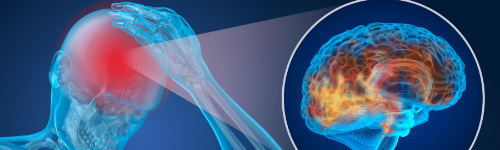
Concussion, TBI Spectrum, and Post-Concussive Syndromes
Neurological Conditions
Concussion, TBI Spectrum, and Post-Concussive Syndromes
Condition Center — Brain Injury, Cognitive Function, Neurorecovery & Long-Term NeurowellnessConcussion and traumatic brain injury (TBI) represent a spectrum of acute and chronic neurological conditions resulting from biomechanical forces applied to the head or body. Even when brain imaging appears normal, disruptions in neuronal signaling, metabolic balance, autonomic regulation, and network connectivity can lead to persistent symptoms including headache, fatigue, dizziness, cognitive slowing, memory deficits, emotional lability, and sensory hypersensitivity.
While many individuals recover fully within days to weeks, others experience prolonged impairments affecting function, mood, sleep, and quality of life. Understanding the TBI spectrum—from mild concussion to moderate and severe brain injury—allows clinicians and patients to anticipate recovery trajectories, identify red flags, and implement evidence-based strategies for neurorehabilitation.
Questions to Ask Your Doctor
• Was this injury classified as mild, moderate, or severe TBI?
• What symptoms suggest ongoing functional disruption despite normal imaging?
• Do I need neuroimaging, neuropsychological testing, or vestibular/ocular motor evaluation?
• What is my expected recovery timeline, and what factors may prolong it?
• When is it safe to return to work, driving, school, or athletics?
• Which symptoms indicate a post-concussive syndrome requiring specialized care?
• Should I limit screen time, physical exertion, or sensory exposure?
• What treatments improve cognitive function, sleep, headache, or mood?
• Are supplements, exercise programs, or autonomic rehabilitation appropriate for me?
• What warning signs require urgent reassessment?
Overview
The TBI spectrum includes:
• Concussion (mild TBI) – brief neuronal dysfunction with or without loss of consciousness, normal structural imaging.
• Moderate TBI – prolonged loss of consciousness, structural abnormalities, or persistent confusion.
• Severe TBI – prolonged coma, major imaging abnormalities, long-term deficits.
A subset of individuals develop Post-Concussive Syndrome (PCS), involving symptoms beyond 4–12 weeks.
Mechanisms include:
• Axonal stretch injury (diffuse axonal injury, DAI)
• Metabolic dysfunction and ATP depletion
• Neuroinflammation
• Autonomic dysregulation
• Vestibular/ocular motor circuit disruption
• Sleep and circadian dysregulation
• Emotional stress responses
Early recognition and targeted rehabilitation dramatically improve recovery.
Concussion (Mild TBI)
What It Is
A mild traumatic brain injury affecting neuronal signaling and metabolic activity.
Imaging is usually normal; symptoms are functional, not structural.
Common Causes
• Falls
• Motor vehicle accidents
• Sports injuries
• Assault
• Blast injuries
• Rapid acceleration–deceleration forces
Symptoms
Cognitive:
• Brain fog
• Slow processing
• Difficulty concentrating
• Memory lapses
Physical:
• Headache
• Nausea
• Dizziness
• Light/noise sensitivity
• Fatigue
• Visual strain
Emotional:
• Anxiety
• Irritability
• Mood changes
Sleep:
• Insomnia
• Fragmented sleep
• Hypersomnia
Red Flags (Emergency Evaluation Needed)
• Worsening headache
• Vomiting
• Repeated confusion
• Seizure
• Weakness or numbness
• Vision changes
• Loss of consciousness longer than 1 minute
• Behavior change or slurred speech
Traumatic Brain Injury (Moderate–Severe)
Signs & Symptoms
• Prolonged unconsciousness
• Memory gaps >24 hours
• Confusion lasting days
• Skull fracture
• Brain bleeding or contusion
• Focal deficits (weakness, aphasia)
• Severe headache
• Behavioral changes
Complications
• Diffuse axonal injury
• Intracranial hemorrhage
• Hydrocephalus
• Seizures (early or late post-traumatic epilepsy)
• Agitation and emotional dysregulation
Diagnosis
• CT head for acute triage
• MRI (especially SWI, DTI, volumetrics) for subtle injury
• Neuropsychological testing
• Vestibular/ocular motor screening
Treatment
• ICU monitoring (moderate–severe)
• Control ICP
• Manage seizures
• Early rehabilitation
• Neuroprotective management (nutrition, sleep, oxygenation)
Post-Concussive Syndrome (PCS)
What It Is
Persistent symptoms >4–12 weeks after concussion or mild TBI.
Symptoms
Cognitive:
• Concentration difficulty
• Short-term memory impairment
• Executive dysfunction
Physical:
• Chronic headaches
• Dizziness
• Photophobia/phonophobia
• Visual motion sensitivity
Autonomic:
• Heart rate variability changes
• Orthostatic intolerance
• Temperature dysregulation
Emotional:
• Anxiety
• Irritability
• Depression
• Stress intolerance
Sleep:
• Insomnia
• Non-restorative sleep
• Circadian shift
Risk Factors
• Female sex
• Prior concussion
• Migraine history
• Mood disorders
• High-stress environments
• Vestibular or ocular motor injury
Treatment Approach
PCS is multidimensional, requiring:
• Cognitive rehabilitation
• Vestibular therapy
• Vision therapy
• Migraine-directed treatments
• Autonomic rehabilitation
• Sleep optimization
• Graded aerobic exercise
• Nutritional and anti-inflammatory strategies
• Behavioral therapy (CBT, mindfulness)
Exams and Tests
Imaging
• MRI Brain
– SWI – microhemorrhages
– DTI – white matter microstructural injury
– Volumetric analysis – hippocampus, frontal lobes, cerebellum
• CT Head for acute concerns
Neurophysiological Testing
• EEG (if seizure concern)
• Balance testing
• Vestibular assessments
• Ocular motor tracking
Cognitive Evaluation
• Neuropsychological battery
• Computerized cognitive tracking
Autonomic Testing (if indicated)
• Tilt-table
• Heart rate variability
• QSART (sweat function)
Treatment
Concussion and PCS require a personalized, stage-dependent plan:
1. Acute Phase (first 72 hours)
• Relative rest
• Limit cognitive & sensory load
• Hydration, sleep optimization
• Headache control (acetaminophen)
2. Subacute Phase (days to weeks)
• Graded return to activity
• Light aerobic exercise
• Screen-time management
• Migraine-directed therapy if needed
3. Persistent or PCS Phase
Targeted Rehabilitation
• Vestibular therapy
• Ocular motor therapy
• Cervical spine rehabilitation
• Balance and proprioception training
Cognitive Rehabilitation
• Attention, processing speed, working memory programs
• Executive function retraining
Sleep & Autonomic Optimization
• Melatonin, CBT-I
• Autonomic conditioning (recumbent exercise, hydration, salt, compression garments)
Medications (symptom-based)
• Migraine prophylaxis (e.g., topiramate, CGRP inhibitors)
• SSRIs/SNRIs for anxiety and mood
• Amantadine for cognitive activation (selected cases)
• Stimulants when appropriate (specialist oversight)
Adjunctive Therapies
• Omega-3 fatty acids
• Vitamin D
• Magnesium
• B-vitamins
• Curcumin (anti-inflammatory)
Neurowellness & Longevity After Concussion or TBI
A structured neurowellness program promotes long-term brain resilience:
Cognitive Health
• Executive function training
• Memory strategies
• Neuroplasticity programs
Lifestyle Strategies
• Aerobic fitness
• Resistance training
• Sleep optimization
• Mediterranean or anti-inflammatory diet
Biomarker Tracking (optional advanced panel)
• Neurofilament Light (NfL)
• GFAP
• BDNF
• Omega-3 index
• hs-CRP and inflammatory cytokines
High-Risk Populations
• Repetitive head trauma (athletes)
• Military populations
• Individuals with prior concussions
Long-term follow-up reduces risk of chronic traumatic encephalopathy (CTE) pathways and supports cognitive longevity.
Living With Concussion, TBI, or PCS
Recovery is highly individualized. Most symptoms improve within weeks, while PCS may require months of rehabilitation. Supportive care, reassurance, and a structured return-to-activity plan are essential.
Did You Know?
• Up to 20–30% of concussions progress to PCS.
• DTI MRI can detect abnormalities invisible on CT or standard MRI.
• Aerobic exercise is one of the most effective treatments for PCS.
• Sleep disruption is one of the strongest predictors of prolonged recovery.
• Cognitive symptoms often improve faster than emotional or autonomic symptoms.
References (Harvard Style, Past 5 Years)
- Lumba-Brown A, et al. Concussion and mild TBI management updates. JAMA Neurology. 2020–2024.
- McCrory P, et al. International Consensus on Concussion in Sport. British Journal of Sports Medicine. 2022.
- Silverberg ND, et al. Clinical guidelines for PCS. Lancet Neurology. 2021–2024.
- Bailes JE, et al. Long-term effects of repetitive head trauma. NEJM. 2020–2023.
- Iverson GL, et al. Persistent post-concussive symptoms: mechanisms and management. Nature Reviews Neurology. 2021–2024.
- Giza CC, et al. Metabolic cascade after concussion. J Neuroscience. 2021.
- Ellis MJ, et al. Autonomic dysfunction in concussion. J Head Trauma Rehabil. 2020–2024.
- Master CL, et al. Vision and vestibular dysfunction post-TBI. Pediatrics. 2020–2023.
- Meehan WP. Sports concussion management. NEJM. 2021.
- Wang Y, et al. Cognitive rehabilitation in PCS. Frontiers in Neurology. 2021–2024.