
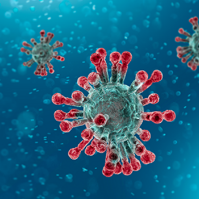
Coronavirus disease (COVID-19)
Other Disease Conditions
Coronavirus disease (COVID-19)
Coronavirus disease (COVID-19) is an infectious disease caused by the SARS-CoV-2 virus.Most people infected with the virus will experience mild to moderate respiratory illness and recover without requiring special treatment. However, some will become seriously ill and require medical attention. Older people and those with underlying medical conditions like cardiovascular disease, diabetes, chronic respiratory disease, or cancer are more likely to develop serious illness. Anyone can get sick with COVID-19 and become seriously ill or die at any age.
The best way to prevent and slow down transmission is to be well informed about the disease and how the virus spreads. Protect yourself and others from infection by staying at least 1 metre apart from others, wearing a properly fitted mask, and washing your hands or using an alcohol-based rub frequently. Get vaccinated when it’s your turn and follow local guidance.
The virus can spread from an infected person’s mouth or nose in small liquid particles when they cough, sneeze, speak, sing or breathe. These particles range from larger respiratory droplets to smaller aerosols. It is important to practice respiratory etiquette, for example by coughing into a flexed elbow, and to stay home and self-isolate until you recover if you feel unwell.
Stay informed:
- Advice for the public
- Myth busters
- Questions and answers
- Situation reports
- All information on the COVID-19 outbreak
Therapeutics and COVID-19
WHO develops the most up-to-date clinical practice guidelines for the use of therapeutics for patients with COVID-19 based on ongoing assessment of new evidence generated by the international medical research community and first responders.
Guidelines and resources on this page include:- Information on COVID-19 therapeutics under assessment by WHO and current timelines for the development of clinical practice guidelines.
- The most recent WHO guideline for therapeutics to treat COVID-19 and associated online interactive publication platform.
- Open-access journal publications for the current therapeutic recommendations.
- Resources and tools for health care workers to support prescribing and administering therapeutics and monitoring patients.
- Resources for patients, caregivers and families.
Therapeutics and COVID-19 Guideline Development
The WHO steering committee meets regularly to review new evidence for therapeutics and prioritize when a new guideline update will be triggered.WHO Guideline Development Group (GDG) is made up of an expert panel of global experts, frontline providers and patient partners developing transparent and trustworthy quality COVID-19 clinical practice guidelines. – Biographies of experts: WHO Guideline Development Group Living Guidelines for COVID-19.
The GDG convenes regularly to prepare for and review evidence summaries from international clinical trials with the support of an expert team of methodologists; and then develops clinical practice recommendations for the use of therapeutics to treat patients with COVID-19 of any disease severity. Guidelines undergo peer review by a further set of clinicians and the Guideline Review Committee prior to publication.
Rapid adaptation and implementation of WHO-recommended therapeutics into the COVID-19 clinical care pathways is essential at national and local levels to impact patient outcomes.
Current list of therapeutics under review by the GDG with tentative timelines for the publication of recommendations and upcoming meetings.
Source: https://www.who.int/health-topics/coronavirus#tab=tab_1
COVID-19: Long-term effects
Some people continue to experience health problems long after having COVID-19. Understand the possible symptoms and risk factors for post-COVID-19 syndrome.
Most people who get coronavirus disease 2019 (COVID-19) recover within a few weeks. But some people — even those who had mild versions of the disease — might have symptoms that last a long time afterward. These ongoing health problems are sometimes called post-COVID-19 syndrome, post-COVID conditions, long COVID-19, long-haul COVID-19, and post acute sequelae of SARS COV-2 infection (PASC).What is post-COVID-19 syndrome and how common is it?
Post-COVID-19 syndrome involves a variety of new, returning or ongoing symptoms that people experience more than four weeks after getting COVID-19. In some people, post-COVID-19 syndrome lasts months or years or causes disability.Research suggests that between one month and one year after having COVID-19, 1 in 5 people ages 18 to 64 has at least one medical condition that might be due to COVID-19. Among people age 65 and older, 1 in 4 has at least one medical condition that might be due to COVID-19.
What are the symptoms of post-COVID-19 syndrome?
The most commonly reported symptoms of post-COVID-19 syndrome include:- Fatigue
- Symptoms that get worse after physical or mental effort
- Fever
- Lung (respiratory) symptoms, including difficulty breathing or shortness of breath and cough
Other possible symptoms include:
- Neurological symptoms or mental health conditions, including difficulty thinking or concentrating, headache, sleep problems, dizziness when you stand, pins-and-needles feeling, loss of smell or taste, and depression or anxiety
- Joint or muscle pain
- Heart symptoms or conditions, including chest pain and fast or pounding heartbeat
- Digestive symptoms, including diarrhea and stomach pain
- Blood clots and blood vessel (vascular) issues, including a blood clot that travels to the lungs from deep veins in the legs and blocks blood flow to the lungs (pulmonary embolism)
- Other symptoms, such as a rash and changes in the menstrual cycle
It's also not clear if post-COVID-19 syndrome is new and unique to COVID-19. Some symptoms are similar to those caused by chronic fatigue syndrome and other chronic illnesses that develop after infections. Chronic fatigue syndrome involves extreme fatigue that worsens with physical or mental activity, but doesn't improve with rest.
Why does COVID-19 cause ongoing health problems?
Organ damage could play a role. People who had severe illness with COVID-19 might experience organ damage affecting the heart, kidneys, skin and brain. Inflammation and problems with the immune system can also happen. It isn't clear how long these effects might last. The effects also could lead to the development of new conditions, such as diabetes or a heart or nervous system condition.The experience of having severe COVID-19 might be another factor. People with severe symptoms of COVID-19 often need to be treated in a hospital intensive care unit. This can result in extreme weakness and post-traumatic stress disorder, a mental health condition triggered by a terrifying event.
What are the risk factors for post-COVID-19 syndrome?
You might be more likely to have post-COVID-19 syndrome if:- You had severe illness with COVID-19, especially if you were hospitalized or needed intensive care.
- You had certain medical conditions before getting the COVID-19 virus.
- You had a condition affecting your organs and tissues (multisystem inflammatory syndrome) while sick with COVID-19 or afterward.
What should you do if you have post-COVID-19 syndrome symptoms?
If you're having symptoms of post-COVID-19 syndrome, talk to your health care provider. To prepare for your appointment, write down:- When your symptoms started
- What makes your symptoms worse
- How often you experience symptoms
- How your symptoms affect your activities
In addition, you might benefit from connecting with others in a support group and sharing resources.
Source: https://www.mayoclinic.org/diseases-conditions/coronavirus/in-depth/coronavirus-long-term-effects/art-20490351