
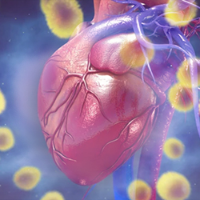
Flu Shots and Your Heart
Heart Conditions
Flu Shots and Your Heart
If you've ever had influenza – commonly known as the flu – you know it can hit fast and leave you feeling miserable, achy and barely able to get out of bed. For most of us, the flu is only a nuisance. It might make us miss a few days of work and put plans on hold.But if you have heart disease or have suffered a stroke, getting the flu can be much more serious. That’s because you are more likely to develop flu-related complications, including sinus and ear infections, pneumonia, or a heart attack. In rare cases, you could develop inflammation of the heart muscle (myocarditis) or the protective sac around the heart (pericarditis).
In fact, many people with heart disease and other chronic health conditions die from the flu each year. Infections like the flu or pneumonia can place added strain on the heart and other organs.
Getting a flu shot every year is the best way to protect yourself and your loved ones from the flu. It can help keep you from getting sick, suffering from complications, or even dying from the flu. Use this resource to learn more about flu shots and your heart health.
Did You Know? Compared with people who don’t have heart disease, those who do:
– Have a 10X higher risk of heart attack within 3 days of getting the flu
– Are more likely to have a heart attack even weeks after the flu
Source: National Foundation for Infection Diseases
Questions to Ask Your Doctor
- What’s the difference between the types of flu vaccines I can receive?
- Which flu vaccine is best for me?
- Does your office offer flu shots? Do I need to make an appointment?
- Why is the nasal spray vaccine only recommended for those 2 to 49 years old?
- How can the flu make my heart condition worse?
- How long does the vaccine take to start working?
- How will I know if I have the flu, even a mild version?
- What are antiviral medicines and when are they used?
- How will I be able to tell if I have a cold or the flu?
- What other, if any, vaccines do I need?
Overview
Each year, the flu strikes up to 1 out of 5 Americans, according to the Centers for Disease Control and Prevention (CDC). The infection spreads easily through tiny droplets in the air when someone coughs or sneezes. More than 200,000 people on average go to the hospital for flu-related complications each year.Getting a flu shot is your best protection. According to the CDC, during the 2017 flu season, vaccination prevented:
- 7 million flu illnesses
- Over 100,000 flu-related hospitalizations
- 8,000 flu deaths
Get Your Flu Shot
Be sure to get a flu shot this season, ideally before people start getting the flu in your area. Check out the weekly flu activity in your state.
Flu Complications
If you have heart disease, you’re more likely to become seriously ill from the flu or other respiratory infections – those that affect your nose, throat or lungs.Complications from the flu include:
- Severe illness, including pneumonia and inflammation – or swelling – of the heart muscle (myocarditis) or the protective sac around the heart (pericarditis)
- Worsening heart disease or other health problems
- Greater chance of having a heart attack
- Hospitalization
- Death
It’s important to remember that complications from the flu can occur even when conditions such as heart disease or diabetes are well controlled. That’s why experts urge that everyone 6 months of age and older get a flu shot each year.
If you need more convincing, the flu vaccine carries more heart benefits, too. Annual flu shots are:
- Linked to lower rates of cardiovascular events, especially among those who’ve had a recent heart attack
- Shown to cut the risk of death in people with heart failure and lower the likelihood of going to the hospital for cardiovascular problems
- Associated with about 20% reduction in death (from cardiovascular disease or any cause) in patients with heart failure when compared with no vaccination
How Do Flu Shots Work?
Flu viruses change from year to year. Labs make a new flu vaccine (shot) to match the three-to-four strains, or types, of flu viruses that researchers predict will be the most common for the upcoming season. That’s why you need to get a flu shot every year.A health care professional will give you the vaccine. It is most often given as a shot, or injection, into the muscle in your upper arm. After you get it, your body will develop antibodies to help you fight off the strains of the virus that the vaccine targets. It takes about two weeks for you to become protected.
If you are older than 65, you can get a flu shot that guards against four strains of flu or one that guards against three strains of flu. Ask your doctor about which one is best for you and your condition.
There also is a nasal flu vaccine that is sprayed into your nose. Unlike the flu shot, the nasal flu vaccine contains live, but weakened virus, and may not be a good option for people with heart disease or other conditions.
More Information
Centers for Disease Control and Prevention (CDC)Flu & People with Heart Disease or History of Stroke
People at Higher Risk of Flu Complications
What You Need to Know for 2021-2022
Similarities and Difference Between Flu and COVID-19
National Foundation for Infectious Diseases
Flu (Influenza)
Source: https://www.cardiosmart.org/topics/flu-shots-and-your-heart