
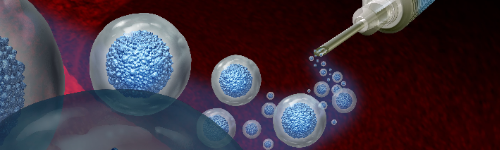
Hematopoietic Stem Cell Transplantation (HSCT)
Stem Cell Therapy
Hematopoietic Stem Cell Transplantation (HSCT)
This is the most established type of stem cell therapy, commonly known as a bone marrow transplant. It is primarily used to treat blood cancers (leukemia, lymphoma), bone marrow failure, and inherited blood diseases like sickle cell anemia.
- Autologous: Uses the patient's own stem cells, often collected before intensive chemotherapy.
- Allogeneic: Uses cells from a donor (related or unrelated) whose tissue type closely matches the patient.
- Cord Blood: Stem cells are harvested from the umbilical cord after birth. By 2026, innovations allow doctors to "expand" these cells in a lab to increase success rates.
- Haploidentical: A "half-match" transplant, usually from a parent or child, which has become significantly safer due to better complication prevention.
Questions to ask your Doctor - Hematopoietic Stem Cell Transplantation (HSCT)
These questions focus on the established protocols for bone marrow and blood-forming stem cell transplants.
- Goal and Type: What is the primary goal of this transplant (cure vs. remission), and will I be undergoing an autologous (own cells) or allogeneic (donor) procedure?
- Success Rates: Based on my specific disease and age, what are the expected survival and quality-of-life outcomes?
- Process and Side Effects: What kind of mobilization regimen will I undergo to collect cells, and what short-term side effects (like hair loss or infection) should I expect?
- Engraftment: How long will it take for the infused cells to mature and produce healthy new blood cells (engraftment), and how will we monitor this?
Hematopoietic Stem Cell Transplantation (HSCT) is a complex and potentially life-saving medical procedure. Here is a comprehensive explanation followed by the three leading research institutions.
What Is Hematopoietic Stem Cell Transplantation (HSCT)?
Hematopoietic stem cell transplantation is a medical procedure in which a patient receives healthy blood-forming stem cells to replace a diseased, damaged, or destroyed blood and immune system. The term "hematopoietic" comes from the Greek for "blood-making" — these stem cells live primarily in bone marrow and are the origin of every type of blood cell in the body, including red blood cells, white blood cells and platelets.HSCT is used to treat a wide range of diseases, including cancers of the blood and lymphatic system, inherited immune deficiencies, bone marrow failure syndromes, and increasingly, severe autoimmune diseases. More than one million transplants have now been performed worldwide since the first successful procedure in 1968.
The Biology: How It Works
Hematopoietic stem cells (HSCs) are rare, self-renewing cells found primarily in the bone marrow, with smaller numbers circulating in peripheral (venous) blood and present in umbilical cord blood. Each HSC has two critical properties: it can replicate itself indefinitely (self-renewal), and it can differentiate into every type of mature blood and immune cell (multipotency). A single HSC is capable of reconstituting an entire blood system.
When disease destroys or corrupts the bone marrow — whether through leukemia, an inherited genetic defect, or the toxic effects of cancer treatment — transplanting healthy HSCs can rebuild the entire hematopoietic system from scratch. Once infused into the bloodstream, donor stem cells migrate naturally to the bone marrow, engraft, and begin producing new, healthy blood and immune cells within two to four weeks.
Sources of Stem Cells
There are three main sources from which HSCs can be collected for transplantation:Bone Marrow is the original and traditional source. Stem cells are harvested directly from the donor's hip bones (iliac crest) under general anaesthesia using multiple needle aspirations. This process is safe for the donor and produces a rich graft. Bone marrow transplantation tends to produce a lower risk of a serious complication called graft-versus-host disease (GvHD), making it preferred in certain patient populations, particularly children.
Peripheral Blood Stem Cells (PBSC) are now the most commonly used source for adult transplants. Donors receive injections of a growth factor (typically granulocyte colony-stimulating factor, or G-CSF) for four to five days prior to collection, which stimulates the bone marrow to release large numbers of HSCs into the bloodstream. The cells are then collected via a process called apheresis — a non-surgical procedure in which blood is drawn, stem cells are filtered out, and the remaining blood is returned to the donor. PBSC grafts lead to faster engraftment than bone marrow but carry a higher risk of chronic GvHD.
Umbilical Cord Blood is collected from the placenta and umbilical cord immediately after birth and stored in public or private cord blood banks. Cord blood is rich in primitive, highly adaptable HSCs and carries a significantly lower risk of GvHD, largely because cord blood T-cells are immunologically naive. The main limitation is cell dose — because the volume of cord blood is small, cord blood transplants are better suited to children and smaller adults. Double cord blood transplants (using two cord blood units) have been developed to overcome this limitation in larger patients. Cord blood also offers a major practical advantage: it is immediately available from banks without waiting for a matched donor.
Types of Transplant
The distinction between the two fundamental types of HSCT is among the most important in transplant medicine.Autologous HSCT (auto-transplant) uses the patient's own stem cells. Before high-dose chemotherapy or radiation, stem cells are harvested from the patient and frozen (cryopreserved). After treatment — which destroys the cancer along with the bone marrow — the patient's own cells are thawed and reinfused to rescue the marrow. Because the cells are the patient's own, there is no risk of graft rejection or GvHD. Autologous transplants are most commonly used for multiple myeloma, lymphoma (Hodgkin's and non-Hodgkin's), and certain solid tumours. The limitation is that the reinfused cells may still carry malignant cells, and there is no graft-versus-tumour (GvT) immune effect.
Allogeneic HSCT (allo-transplant) uses stem cells from a donor — either a related family member or an unrelated volunteer matched through national and international registries such as the NMDP/Be The Match in the United States or the Anthony Nolan registry in the UK. Allogeneic transplants are more complex and carry higher risks, but they offer a powerful therapeutic advantage: the donor's immune system recognises and attacks any remaining cancer cells in the recipient's body. This is called the graft-versus-tumour (GvT) or graft-versus-leukaemia (GvL) effect, and it is one of the most potent forms of immunotherapy known to medicine. Allogeneic HSCT is the treatment of choice for acute myeloid leukaemia (AML), myelodysplastic syndrome (MDS), aplastic anaemia, and many inherited immune disorders.
Within allogeneic transplantation, donor matching is critical. Compatibility is determined by Human Leukocyte Antigen (HLA) typing — proteins on the surface of cells that the immune system uses to distinguish self from non-self. The closer the HLA match between donor and recipient, the lower the risk of rejection and GvHD. A matched sibling donor (a brother or sister with identical HLA type) is ideal. When no matched sibling is available, a matched unrelated donor (MUD) can often be found through registries. Haploidentical transplants — using a half-matched parent, child, or sibling — have expanded the donor pool significantly in recent years through techniques that manipulate the graft to reduce GvHD risk.
The Transplant Process
The transplant journey is divided into several distinct phases.The pre-transplant evaluation involves extensive testing to assess the patient's fitness for the procedure, confirm diagnosis, determine the best transplant type, identify a suitable donor, and harvest or source the stem cells.
The conditioning regimen (also called preparative regimen) is the high-dose chemotherapy and/or radiation therapy given in the days immediately before the stem cell infusion. It serves two purposes: to destroy any remaining cancer or diseased cells, and to suppress the recipient's immune system sufficiently to prevent rejection of the incoming donor cells. Conditioning regimens are classified as myeloablative (full-intensity, completely destroying the bone marrow) or reduced-intensity/non-myeloablative — so-called "mini-transplants" — which use lower doses to make the procedure tolerable for older or less fit patients who cannot withstand full myeloablation while still allowing the GvT effect to work.
Day Zero is the day of stem cell infusion — the transplant itself. For the patient, the infusion resembles a blood transfusion through a central line and typically takes one to several hours.
Engraftment is the critical period of two to four weeks after transplant when the new stem cells travel to the bone marrow and begin producing blood cells. Until engraftment is confirmed (typically when white blood cell, red blood cell, and platelet counts begin rising), the patient is profoundly immunocompromised and vulnerable to infection, bleeding and organ damage. Patients are cared for in isolation with intensive supportive care, including antimicrobial prophylaxis, blood product transfusions and growth factor support.
The post-transplant phase in allogeneic transplants requires long-term immunosuppressive medication to prevent and manage GvHD, regular monitoring for relapse, infection surveillance, and in some cases donor lymphocyte infusions (DLIs) to boost the GvT effect.
Key Complications
Graft-Versus-Host Disease (GvHD) is the most significant complication of allogeneic HSCT. It occurs when the donor's immune cells (T-cells) recognise the recipient's tissues as foreign and mount an immune attack. Acute GvHD (occurring within the first 100 days) can affect the skin, gut and liver, causing rashes, severe diarrhoea and liver inflammation. Chronic GvHD (after 100 days) can affect virtually any organ, resembling an autoimmune disease and potentially causing permanent disability. Management involves immunosuppressive drugs, and research into better prevention and treatment of GvHD is one of the most active areas in transplant medicine. Importantly, some degree of GvHD is associated with a lower risk of relapse due to the GvT effect — making the management of GvHD a careful balance rather than simple elimination.Primary Graft Failure occurs when the donor cells fail to engraft and the patient's own bone marrow does not recover — a life-threatening emergency.
Infections are a major cause of morbidity and mortality in the immunocompromised post-transplant period, particularly bacterial infections early on and fungal or viral infections (especially cytomegalovirus, CMV) later.
Organ Toxicity from high-dose conditioning can affect the liver (sinusoidal obstruction syndrome), lungs (idiopathic pneumonia syndrome), kidneys and heart.
Relapse of the underlying disease remains the leading cause of treatment failure, particularly in high-risk malignancies.
Applications Beyond Blood Cancer
HSCT was pioneered as a cancer treatment, but its applications have expanded considerably. It is now an established curative therapy for severe aplastic anaemia, sickle cell disease, thalassaemia, and inherited immune deficiencies such as severe combined immunodeficiency (SCID). Perhaps most strikingly, HSCT is gaining increasing attention as a treatment for severe autoimmune diseases — including multiple sclerosis (MS), systemic sclerosis, Crohn's disease and systemic lupus erythematosus — where the goal is to "reset" a misfiring immune system. Several cases of HIV remission following allogeneic HSCT from donors carrying a natural CCR5 mutation have also generated intense research interest.
The Three Leading HSCT Research Institutions
Identifying the "top three" institutions for Hematopoietic Stem Cell Transplantation (HSCT) research can vary slightly depending on the metric used—such as total publications, "centrality" (influence within the research network), or clinical volume. However, based on bibliometric analyses and historical clinical leadership, the following three institutions consistently emerge as global leaders in the field.1. Fred Hutchinson Cancer Center (USA)
Often cited as the premier institution for HSCT research, Fred Hutchinson (commonly known as "Fred Hutch") is widely regarded as the birthplace of modern bone marrow transplantation.- Historical Significance: It was here that Dr. E. Donnall Thomas performed the first successful human allogeneic bone marrow transplants, an achievement for which he received the Nobel Prize in 1990 (RGA, 2026).
- Research Leadership: Recent bibliometric studies rank Fred Hutch #1 globally in both the number of publications and "centrality scores," which measure the institution’s role as a collaborative hub for HSCT advancements (Annals of Palliative Medicine, 2022).
- Current Focus: The institution remains at the forefront of researching Graft-versus-Host Disease (GVHD), infectious disease management (particularly CMV), and expanding the safety of haploidentical (half-matched) transplants.
2. Karolinska Institute / University Hospital (Sweden)
The Karolinska Institute and its associated university hospital are the leading European centers for HSCT research and clinical practice.- Research Output: Bibliometric data frequently place Karolinska among the top five institutions worldwide for HSCT-related publications (Annals of Palliative Medicine, 2022).
- Global Collaboration: It serves as a critical node for the European Group for Blood and Marrow Transplantation (EBMT) and leads international efforts in mesenchymal stem cell research and pediatric HSCT protocols (Haematologica, 2026).
3. University of Washington (USA)
Working in close partnership with Fred Hutch, the University of Washington (UW) is a powerhouse in the genetic and immunological foundations of transplantation.
- High Performance: UW consistently ranks #2 globally for the volume of HSCT research papers produced (Annals of Palliative Medicine, 2022).
- Specialization: Their research is heavily focused on Human Leukocyte Antigen (HLA) typing, the development of conditioning regimens, and the integration of cellular therapy (like CAR-T) with traditional HSCT.
Honorable Mentions & Regional Leaders
While the three above are often the most cited in research output, other institutions are essential to the global HSCT landscape:
- Dana-Farber Cancer Institute (USA): A dominant leader in clinical trials and the development of new drug therapies to mitigate transplant complications (NCBI Bookshelf, 2016).
- Peking University (China): Ranked in the top five for publication volume, it has pioneered the "Beijing Protocol," which has revolutionized the use of haploidentical transplants without the need for intensive in vitro T-cell depletion (Annals of Palliative Medicine, 2022).
- University of Minnesota (USA): Famous for its work in umbilical cord blood transplantation and treating rare metabolic disorders through HSCT.
References
- Annals of Palliative Medicine. (2022). Current research status of cytomegalovirus infection after hematopoietic stem cell transplantation: a bibliometric analysis.
- Cited by: 1,476 documents analyzed.
- NCBI Bookshelf. (2016). Hematopoietic Stem Cell Transplantation - StatPearls.
- RGA. (2026). The Rise of Hematopoietic Stem Cell Transplantation.
- Haematologica. (2026). Quantitative and qualitative differences in use and trends of hematopoietic stem cell transplantation: a Global Observational Study.