
Liver Disease
Liver Disease
Liver Disease
What Does Your Liver Do?
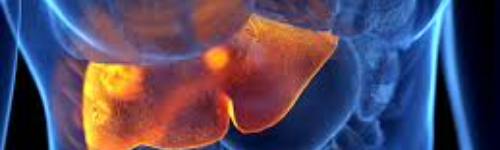
Your liver is essential to your life. It is the largest solid internal organ in the body. It is about the size of a football and weighs about 3 to 3.5 pounds (1.36–1.59kg). It is located on your right side, just under your rib cage.The liver performs many vital functions, including filtering toxins from your blood, managing blood clotting, making bile to digest fat, storing sugar for energy, turning extra glucose into glycogen, making protein for blood plasma, and helping with digestion. What is Liver Disease?
There are many kinds of liver diseases and conditions, the most common are hepatitis viruses, nonalcoholic fatty liver disease (NAFLD), autoimmune diseases, genetic conditions, cancer, and others. Liver disease has many causes such as:
- Infections: Viruses and parasites can infect the liver. The most common infections are hepatitis viruses. Liver-damaging viruses can be spread through contaminated food or water, unscreened blood transfusions, sexual contact, exposure to blood/body fluids, and other ways.
- Immune system abnormalities: Your immune system protects your body from germs and toxins. But that system can attack certain parts of your body (autoimmune), including your liver. Examples of autoimmune liver diseases include: autoimmune hepatitis; primary biliary cholangitis; primary sclerosing cholangitis.
- Genetics: An abnormal gene inherited from one or both of your parents can cause liver damage. Genetic liver diseases include: hemochromatosis; Wilson's disease; alpha-1 antitrypsin deficiency.
- Cancer and other growths: Examples include: liver cancer; bile duct cancer; liver adenoma.
- Other causes of liver disease: long-term alcohol use; fat accumulation in the liver (NAFLD; nonalcoholic fatty liver disease); obesity; some prescription or over-the-counter medications; some herbal compounds.
Learn about the different kinds of liver diseases and conditions, along with information on its causes. How Many People Have Liver Disease? More than 100 million people in the U.S. have some form of liver disease. Find more statistics about the different forms of liver disease. Find a Doctor
How is Liver Disease Diagnosed?
Diagnosing liver disease may involve liver function tests, a liver biopsy and more advanced forms of imaging. Read more.
What is Viral Hepatitis?
Hepatitis is inflammation of the liver. It can cause liver damage, affecting its vital functions. It is often caused by various forms of hepatitis viruses; the most common in the U.S. are hepatitis A, B, and C. People can also get inflammation of the liver from heavy alcohol use, toxins, some medications, and some medical conditions, such as diabetes and obesity. Learn more about the different types of Hepatitis:
What is Fatty Liver Disease?
Fatty liver disease is a condition in which excess fat is stored inside liver cells, making it harder for the liver to function. One cause of fat buildup in the liver is heavy alcohol use, referred to as alcoholic fatty liver disease. This is a common, but preventable disease and is the earliest stage of alcohol-related liver disease. Read more about the different stages of alcohol-related liver disease.
When the buildup of fat in the liver is not related to significant alcohol consumption, the condition is called nonalcoholic fatty liver disease (NAFLD).
What Should I Know About Liver Transplantation?
Liver transplantation is a surgical procedure performed to remove a diseased or injured liver from one person and replace it with a whole or a portion of a healthy liver from another person, called the donor.
Where can I find a clinical trial?
Helpful resources to find a clinical trial can be found:
- ALF Resource Center
- National Cancer Institutes (NCI) – Educational resources on all types of cancer including liver cancer. 800-422-6237
- Clinical Trials Registry – National Institutes of Health (NIH)
- Clinical trial locator in the U.S. and other countries
- Comprehensive for clinical trials in the U.S.
- Advance search available by condition (e.g., HCV, NAFLD, HCC etc.), recruitment (open studies vs. closed studies) and other criteria
- World Health Organization (WHO) International Clinical Trials Registry Platform – World-wide clinical trial locator
Is There a Special Diet for Liver Disease?
Eating well is a great lifestyle change that can help your liver function at its fullest potential. Making changes in your diet include limiting fats and sugars while increasing consumption of fruits, vegetables, lean meats and whole grains. Learn more about:
Additional Information
Health & WellnessHealthy Lifestyle Source: https://liverfoundation.org/
30-Day Liver Healthy Meal Pla
nBest Practices for Food Safety and Important Information
Tips on How to Take Care of Your Liver
10 Healthy Supermarket Tips
Webinars on Health and Wellness
Movement and Mindfulness
Medications
Managing Your Medications
Read the Label
Know Your Medicine
How to Use Medications Responsibly
Talk With Your Doctor
Acetaminophen Awareness
Educational Materials
Related Links
Resources
Educational Materials
Wellness Webinars
Nutrition VideosLiver Resource Center
Blog
Caregiver Resources
Clinical Trials
Educational Materials
Find a Liver Transplant Center
Find a Physician
Help Center
Online Support Groups
Organ Donation
Our Inspiration
Palliative Care
Peer Support Program
Related Links
State Resources
Video Library