
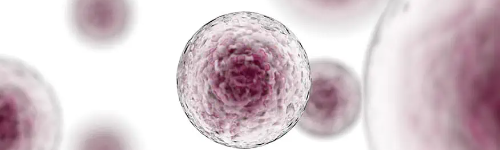
Mesenchymal Stem Cell (MSC) Therapy
Stem Cell Therapy
Mesenchymal Stem Cell (MSC) Therapy
MSCs are adult stem cells found in various tissues, including bone marrow, fat, and dental pulp. They are the leading cells in regenerative medicine due to their immune-modulating properties.
- Applications: Actively used for orthopedic joint degeneration, autoimmune disorders, and neurodegenerative conditions.
- Mechanism: They provide repair support for bone, cartilage, and nerve tissue while creating a favorable healing environment.
Questions to ask your Doctor - Mesenchymal Stem Cell (MSC) Therapy
MSC therapies often target orthopedic or inflammatory conditions and require clarity on the source of the biological material.
- Regulatory Status: Is this therapy reviewed or approved by the FDA, or is it part of an IRB-approved clinical trial?
- Cell Source: What is the specific source of these MSCs (e.g., fat tissue, bone marrow, or donor material), and what exactly is being injected?
- Evidence: Are there peer-reviewed results or publications specifically for this procedure and my condition, rather than just general claims?
- Protocol: Does this procedure require repeat treatments, and is immunosuppression or hospitalization necessary?
Mesenchymal Stem Cell (MSC) therapy is one of the most dynamic frontiers in regenerative medicine. Unlike many other treatments that simply manage symptoms, MSC therapy aims to repair or replace damaged tissue by leveraging the body's own biological signaling mechanisms.
Understanding Mesenchymal Stem Cells (MSCs)
MSCs are multipotent stromal cells. This means they have the ability to differentiate into a variety of cell types, primarily those belonging to the skeletal system, such as bone (osteoblasts), cartilage (chondrocytes), and fat (adipocytes).
They are commonly harvested from:
- Bone Marrow: The traditional source.
- Adipose Tissue: Fat cells, which are often easier to access.
- Umbilical Cord Tissue: Often considered "younger" cells with high proliferative potential.
Mechanisms of Action
The "magic" of MSCs isn't just their ability to turn into new tissue; it’s their role as biological "drug stores." They function through three primary pillars:
- Homing: MSCs possess the unique ability to migrate to sites of inflammation or tissue injury in response to chemical signals.
- Immunomodulation: They can "quiet" an overactive immune system. This makes them highly effective for autoimmune conditions or preventing Graft-versus-Host Disease (GvHD).
- Paracrine Signaling: MSCs secrete growth factors and cytokines that stimulate other cells to begin the repair process, reduce cell death (apoptosis), and encourage the growth of new blood vessels (angiogenesis).
Current Clinical Applications
While research is ongoing, MSC therapy is currently utilized or heavily trialed in the following areas:
- Orthopedics: Treating osteoarthritis, tendon ruptures, and non-union bone fractures.
- Autoimmune Diseases: Managing Lupus, Multiple Sclerosis, and Crohn’s Disease.
- Cardiovascular Repair: Attempting to repair heart tissue following a myocardial infarction (heart attack).
- Neurology: Investigating treatments for spinal cord injuries and neurodegenerative diseases.
Top 3 Research Institutions for MSC Therapy
As of 2026, these three institutions lead the world in clinical trials, peer-reviewed publications, and the development of "off-the-shelf" stem cell products.
1. Mayo Clinic (Center for Regenerative Medicine)
Mayo Clinic remains the gold standard for translating MSC research into clinical practice.
Focus: They have pioneered the use of bone marrow-derived MSCs for treating degenerative disc disease and amyotrophic lateral sclerosis (ALS).
Distinction: Their "Biotrust" and advanced manufacturing facilities allow them to produce high-quality, standardized MSCs for large-scale clinical trials.
2. Stanford University (Institute for Stem Cell Biology and Regenerative Medicine)
Stanford is a global powerhouse in the basic science and genetic engineering of MSCs.
Focus: Much of their current work focuses on "priming" MSCs—using genetic modifications to make the cells more resilient or better at targeting specific tumors (using MSCs as delivery vehicles for anti-cancer drugs).
Distinction: They lead the field in understanding the molecular markers that define a "true" MSC, using specific surface proteins such as:
$$CD73^+, CD90^+, CD105^+ \text{ and } CD45^-$$
3. Wake Forest Institute for Regenerative Medicine (WFIRM)
WFIRM is renowned for its work in bioengineering and "organ-on-a-chip" technology.
Focus: They specialize in using MSCs in combination with 3D bioprinting. Their researchers are working on printing skin, cartilage, and even functional organ structures using an MSC-based bio-ink.
Distinction: They are a primary hub for the Federated Advanced Regenerative Manufacturing (RegenMed Development Organization), which aims to standardize stem cell therapies for the mass market.