
Cancer Treatments
All Cancer Treatments
Blood and Bone Marrow Transplants (BMT)
Cancer Treatment Options
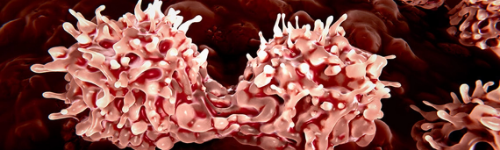
Blood and Bone Marrow Transplants (BMT) Blood and bone marrow transplants (BMT) offer treatment options for diseases once thought incurable. BMT is commonly used for patients diagnosed with leukemia , aplastic anemia , lymphoma , multiple myeloma , immune deficiency disorders, and some solid tumors. There are multiple types of transplants. The specific type of transplant depends on your diagnosis and condition. With all transplants, immature blood-forming cells called hematopoietic stem cells are infused into your body to help it build new healthy cells that repopulate your body with healthy, non-diseased cells. Hematopoietic stem cells build white blood cells, red blood cells, and platelets in your bone marrow and blood stream. Types of Blood and Bone Marrow Transplants There are three types of blood and bone marrow transplants: Autologous stem cell transplants use your own bone marrow, which is extracted and stored for future use. Allogeneic stem cell transplants use bone marrow or stem cells from a donor source. Donor sources may include family members, unrelated people, or umbilical cord blood. Testing is conducted to match the genetic makeup of the donor and the patient. Syngeneic BMT uses bone marrow or stem cells from a twin. The Transplant Procedure The first step in a blood and bone marrow transplant procedure is apheresis. During apheresis, stem cells are extracted from the donor or patient (depending on the type of transplant), while the blood is returned to your body. During the BMT process, your diseased bone marrow is destroyed with high doses of chemotherapy and/or radiation. The healthy harvested cells are then infused back into your bloodstream. Infusion of the stem cells may last 10 minutes to three hours, depending on the quantity and source of the cells. While the bone marrow transplant procedure itself only takes a few hours, it can take several months for the complete marrow transition. Many transplant patients require hospitalization at some point during the procedure, although the length of the hospital stay will vary based on the type of transplantation and your condition. Here are locations for patients to receive blood and bone marrow transplants: Texas Oncology-Baylor Charles A. Sammons Cancer Center Blood & Marrow Program has performed more than 5,000 transplants since the program’s inception in 1983. The program is accredited by the Foundation for the Accreditation of Cellular Therapy (F.A.C.T.), placing it among an elite group of BMT centers nationwide. Texas Oncology-Medical City Dallas Blood & Marrow Transplant and Texas Oncology-Medical City Dallas Pediatric Hematology-Oncology are accredited as a combined program for both adult and pediatric patients by the Foundation for the Accreditation of Cellular Therapy (F.A.C.T.) and American Association of Blood Banks (A.A.B.B.). This center also is designated by Be the Match as a transplant center and collection site. These designations place this program among an elite group of BMT centers nationwide. Texas Oncology, in cooperation with St. David’s HealthCare , the Texas Transplant Institute at Methodist Hospital in San Antonio, and the Sarah Cannon Blood Cancer Network, provides treatment for adult patients in the Central Texas region Telemedicine Patients who need blood and marrow transplants but who do not live near one of our locations offering the treatment may be able to receive initial consultations and some follow-up care from Texas Oncology via Telemedicine. While patients would need to travel for blood and marrow transplant treatment, in some cases, remote patient/physician interactions may be available, providing greater convenience and less travel for care. Texas Oncology currently offers Telemedicine to provide patients access to highly specialized care, in conjunction with a local Texas Oncology physician. Learn more about Telemedicine . BMT Clinical Trials Texas Oncology is a leader in ground-breaking cancer research and clinical trials in Texas paving the way for new breakthroughs in cancer care. You may be eligible to participate in a stem cell transplant clinical trial, depending on your age, sex, cancer type, stage of cancer, previous treatments, and general medical history. Click here to find a stem cell transplant clinical trial and talk with your doctor to determine if a trial is right for you. Myths and Facts Learn about the myths and facts of donation: Myth: There is only one type of blood and marrow transplant. Fact: Several types of blood and marrow transplants are available. With allogeneic BMT, donor sources can be a relative, unrelated donor, or umbilical cord blood. Syngeneic BMT uses a recipient’s twin as the donor. With autologous BMT, bone marrow is extracted from the patient prior to transplant and is transplanted back into the patient. Myth: BMT only treats leukemia. Fact: A BMT can treat many types of cancer, including multiple types of leukemia , Hodgkin lymphoma , non-Hodgkin lymphoma , and multiple myeloma . BMTs can also treat several syndromes that are inherited or developed after birth, such as sickle cell disease. Myth: Donating marrow is really painful. Fact: Registering as a donor is completely painless – many registries require only a cheek swab – and can help save a life. With advancements in technology, the stigma of a painful bone marrow transplant is slowly fading. Donors feel little to no pain during the procedure, and usually feel no more than aches or pains similar to a pulled muscle. Since most BMTs use adult stem cells collected from a donor’s blood, many donors feel nothing afterward. Myth: If I’m a woman, then my donor will need to be one, too. Fact: A good match is determined more by the specific proteins in a donor’s blood, not by gender. These markers are inherited from both parents. Myth: If I’m a woman and my donor is a man, I’ll receive more than his blood and marrow – I’ll develop masculine traits. Fact: A BMT from the opposite sex will affect only the recipient’s blood and marrow cells and immune system. Much like getting blood donated from the opposite gender, a BMT will not give the recipient any of the donor’s gender traits. Myth: Since mothers are related so closely to their children, they will be the best match. Fact: Most people – 70 percent of patients – do not have a close enough match in their family. Each person inherits blood markers from both parents, so the closest match within a family would be an identical twin, a brother, or a sister from the same parents. Myth: Getting a BMT means you’ll stay in the hospital for several months. Fact: With today’s technology and advanced treatments, some BMT patients can receive the treatment without staying overnight at a hospital. The actual transplant is usually conducted in a hospital, but much of the follow-up care can be done on an outpatient basis. The donation process is done on an outpatient basis, without the need of an overnight hospital stay. Locations and Specialists Texas Oncology-Baylor Charles A. Sammons Cancer Center Blood and Marrow Transplant 3410 Worth St. Dallas, TX 75246 T: 214-370-1500 Blood & Marrow Transplant Specialists: Robert Brian Berryman, M.D. Carolina Escobar, M.D. Nebu Verghese Koshy, M.D., FACP Luis Pineiro, M.D. Jana Reynolds, M.D. Texas Oncology-Medical City Dallas Blood and Marrow Transplant 7777 Forest Lane Dallas, TX 75230 T: 972-566-7790 Blood & Marrow Transplant Specialists: Vikas Bhushan, M.D. John Mathews, M.D. Estil Vance, M.D. Texas Oncology-Midland Allison Cancer Center 400 Rosalind Redfern Grover Pkwy. Midland, TX 79701 T: 432-687-1949 Blood & Marrow Transplant Specialists: Robert Brian Berryman, M.D. Source: https://www.texasoncology.com/services-and-treatments/treatments/blood-and-marrow-transplant

Cancer Surgery
Cancer Treatment Options
Cancer Surgery Surgery can be useful to diagnose cancer, determine its stage of development, and to treat it. One common type of surgery that may be used to help with cancer diagnosis is a biopsy. A biopsy involves removing a tissue sample from your body. This sample is sent for examination by a specialist in a laboratory. A positive biopsy indicates the presence of cancer; a negative biopsy may indicate that no cancer is present in the sample. In addition to helping in the diagnosis of cancer, surgery can provide other benefits: Cure Sometimes surgery involves completely removing cancer cells. Surgery alone may be effective, or your doctor may recommend combining it with other treatments, such as chemotherapy and/or radiation therapy, for the best results. Symptom relief Your doctor may determine that surgery can help treat possible side effects of cancer, such as pain. Reconstruction When necessary, surgery can help minimize deformities caused by cancer and, as a result, improve your quality of life. Talk with your doctor about whether surgery is right for you. If, together, you determine that it is, be sure to discuss the specific goals of your surgery. Ask what to expect, and how to prepare for the surgical procedure and recovery. Source: https://www.texasoncology.com/services-and-treatments/treatments/surgery

Chemotherapy
Cancer Treatment Options
Chemotherapy Depending on the type of cancer you have, your medical oncologist may recommend chemotherapy as part of your treatment plan. Chemotherapy is a group of medicines used to treat cancer. While surgery and radiation therapy target specific areas of the body, chemotherapy works systemically (throughout the body). Chemotherapy can also destroy cancer cells that have metastasized to parts of the body away from the original tumor site. There are many variables to chemotherapy: More than 100 different drugs are used in chemotherapy. You may receive a single drug or a combination of drugs. Depending on your combination of drugs, your chemotherapy treatment session may last a few minutes to a few hours. You may receive chemotherapy as an injection, a pill, or an IV infusion. Chemotherapy is administered by nursing professionals under the direction of your medical oncologist. Our pharmacists and nurses are highly trained in the preparation and management of chemotherapy–related drugs. Your oncology team will closely monitor your progress and manage your care. Our community-based cancer treatment centers are designed to make your treatment sessions as comfortable as possible. Mediport Placement A mediport is a small medical appliance that is surgically installed beneath the skin. A plastic tube (catheter) connects the port to a vein to deliver medicine, blood products, nutrients, or fluids into the bloodstream. The catheter can also remove blood for testing. Chemotherapy is typically given using a mediport. During a mediport placement, a doctor surgically inserts the device under the skin in the upper chest. The port appears as a bump or raised area under the skin, and is roughly the diameter of a quarter. It is completely internal. The surgeon also surgically inserts the catheter from the port into a nearby vein. The position enables medicine or other fluids to be spread throughout the body quickly and efficiently. The mediport placement procedure may be necessary for cancer treatment and is minimally invasive under local anesthesia. Chemoterapy Frequesntly Asked Questions Many of our most frequently asked questions and answers can provide you with more detailed information about chemotherapy. How do I address concerns about my diagnosis and chemotherapy? How do I know my chemotherapy is working? How does chemotherapy work? How is chemotherapy administered? How often will I take chemotherapy? What are the chemotherapy side effects? What questions should I ask about my chemotherapy treatment? Which chemotherapy drugs will I receive? Q: How do I address concerns about my diagnosis and chemotherapy? Learning that you have cancer can be very emotionally upsetting – not only to you, but also to your family and friends. It is important to seek emotional support. Always talk with your Texas Oncology care team about your feelings and concerns, and ask for resources that may support your emotional well-being. In addition, your local American Cancer Society chapter offers free programs for those diagnosed with cancer. Other local support groups may provide the opportunity for you and your loved ones to talk with others who understand what you are experiencing. Talk openly about your needs. Supporting each other will help all of you keep a positive outlook. Q: How do I know my chemotherapy is working? Each person responds differently to treatment. Your doctor will monitor you closely and schedule appropriate tests to evaluate the effectiveness of your treatment. Your doctor may keep your treatment the same or adjust your treatment depending on the results of your tests. Q: How does chemotherapy work? Chemotherapy is designed to destroy cancer cells. Some cancer cells grow slowly, others rapidly. As a result, different types of chemotherapy drugs are designed to target the growth patterns of specific types of cancer cells. Each drug has a different way of working and is effective at a specific time in the life cycle of the cell targets. Your doctor will develop a treatment plan specifically for you, based on your type of cancer, its stage of advancement, and your overall health. Depending on your individual condition, your chemotherapy may be designed to achieve one or more of three goals: Eliminate the cancer Control the cancer Symptom relief Q: How is chemotherapy administered? Your doctor will choose the chemotherapy method that will be most effective against your particular type of cancer and cause the fewest side effects. You may receive chemotherapy drugs in one or more of the following ways: Pill (also referred to as “oral” or PO [per os] medication) Shot (injection) IV (also known as “intravenous” – delivering liquid medicine through a tube into a vein) Some types of chemotherapy can be given at home. Through instruction, you and your family members can learn how to administer chemotherapy in pill form or by injection with a small syringe and needle similar to those people with diabetes use to administer insulin. In some cases, a nurse will administer chemotherapy in our clinic. In other situations, it may be necessary to go to the hospital to receive treatment. Q: How often will I take chemotherapy? How often you take chemotherapy depends on the type of cancer and which drug or combination of drugs you receive. Different drugs work at varying times in the process of cancer cell growth. Your treatment schedule will take all of these factors into consideration. Chemotherapy is usually structured in cycles with rest periods between. Generally, treatments are given daily, weekly, every other week, every third week, or monthly. Your doctor will help you determine the most effective treatment schedule for you. Q: What are the chemotherapy side effects? We mentioned earlier that chemotherapy works by destroying cancer cells. Unfortunately, chemotherapy cannot tell the difference between a cancer cell and a healthy cell. Therefore, chemotherapy can cause side effects. Among the most common are nausea, vomiting, hair loss, fatigue, and low blood counts. Some side effects may be temporary and merely annoying. Others, however, can be life threatening. For example, one of the most serious potential side effects of chemotherapy is low white blood cell count – a condition called neutropenia (new-tro-pee-neeuh) – which can put you at risk for severe infection or treatment interruptions. In most cases, you can successfully manage side effects by working with your healthcare team and by staying in close communication throughout your treatment cycles. Remember, when you experience side effects, it is important to contact Texas Oncology first before going to an emergency room or urgent care clinic. Q: What questions should I ask about my chemotherapy treatment? Gather all the information you can to make informed decisions about your cancer treatment and about how to protect yourself against possible side effects. Your Texas Oncology care team is always your best source of information. Talk with them about your chemotherapy, possible risks, and your best protection. Take notes to help you remember questions you want to ask. Questions to ask might include: What are my treatment options? Which do you consider the best for my condition? What are the names and doses of all the drugs I will be taking? Is the goal of my chemotherapy to get rid of my cancer or to control it for as long as possible? What personal goal should I have: Eliminating my cancer? Controlling my cancer? Being comfortable? How long will I receive chemotherapy? How often? Where? How will my chemotherapy be administered? How will I know if my chemotherapy is working? How might a disruption in my chemotherapy dose or schedule affect my results? Can I talk with other patients who have received the treatment you recommend? Also, be sure to discuss the possible side effects of your chemotherapy by addressing questions such as the following: What possible side effects should I prepare for? When might side effects start? Will side effects get better or worse as my treatment goes along? How can I lessen the impact of side effects? Are any treatments available to help relieve the side effects? Which side effects are most serious? How can I best monitor myself for side effects or complications related to my disease or chemotherapy? Q: Which chemotherapy drugs will I receive? Not everyone receives the same type of chemotherapy. There are many drugs designed specifically to treat cancer. Your doctor will decide which drug(s), dose, and schedule are best for you. This decision is based on the following important factors: Type of cancer Location of cancer Stage of development of cancer How normal body functions are affected General health How chemotherapy affects your other medical conditions Chemotherapy Side Effects Some of the most common side effects of chemotherapy are nausea and vomiting, hair loss, fatigue, infections, and increased bruising and bleeding. The form and intensity of side effects depend on the drugs used for your cancer treatment, your age, and your general health. We encourage you to talk with your medical team about possible side effects and their recommendations for managing them, both before and during treatment. Nausea Some chemotherapy drugs can cause a queasy, upset stomach. Severe nausea may cause vomiting, and your doctor can prescribe medications to help. You might also: Drink lemon or ginger tea. Avoid spicy or foods with strong aromas. Eat smaller, more frequent meals. For detailed advice on dealing with nausea and vomiting, visit: American Cancer Society, What Can I Do About Nausea and Vomiting? National Cancer Institute, Nausea and Vomiting Mouth Sores Tell your medical team immediately if you develop mouth sores during chemotherapy treatments. Though a common side effect, treatment will be more effective at the first signs of sores. For safe, easy treatment of mouth sores: Avoid citrus fruits and juices as well as spicy foods. Replace spicy, rough, or crunchy foods with foods that are soft and easy to swallow. A baking soda mouthwash can be used as often as desired. Your doctor may prescribe other medications if necessary. Hair Loss Your chemotherapy may cause partial or complete hair loss. Your hair will usually grow back after treatment, within approximately three to six months. Please ask your physician or nurse about programs to help you look and feel your best. To help cope with hair loss: Use mild shampoos. Use soft hairbrushes. Use low heat if you must use a dryer. Don't use brush rollers to set your hair. Don't dye your hair or get a permanent. A shorter hair style makes your hair look thicker and fuller, and is easier to manage. Use a sunscreen, sun block, hat, scarf, or wig to protect your scalp from the sun. Use a satin pillowcase. Consider wearing a wig or a hairpiece, or perhaps a scarf, cap, or turban. Skin Irritations You may develop rashes; itchy, dry, or flaky skin; or notice changes in the color of your skin or nails. These are all temporary side effects that should disappear after treatment. If you develop acne, keep your face clean and dry. For itching skin, apply cornstarch. Take quick, warm showers rather than long, hot baths to help avoid dryness. Apply creams and lotions while your skin is still moist. Avoid perfumes, colognes, or after-shave lotions. They often contain alcohol, which can make your skin dry. Kidney or Bladder Problems Some chemotherapy drugs irritate your bladder or cause permanent kidney damage. You may notice a strong or medicine-like odor or a change in the color of your urine (orange, red, or yellow). Be sure to let your medical team know if you develop any of these symptoms: Pain or burning when you urinate Frequent urination A feeling that you must urinate right away Reddish or bloody urine Fever Chills To avoid or treat kidney or bladder problems, drink plenty of fluids, especially water. Avoid adding excessive sugar to drinks and limit caffeine. Sexuality or Fertility Problems Some chemotherapy drugs can affect sexual organs and performance. Visit our Intimacy and Cancer page for more information. Paxman Scalp Cooling System Many patients who undergo chemotherapy experience hair loss. This can be an upsetting side effect of the treatment. As part of Texas Oncology’s commitment to supporting patients through every aspect of the cancer journey, the practice is piloting a program in select locations to allow patients the option of using a “cooling cap” during treatment, provided by the Paxman Scalp Cooling System. How It Works The Paxman Scalp Cooling System is a simple treatment that can help prevent chemotherapy-induced hair loss. The cooling cap reduces the temperature of the scalp a few degrees immediately before, during, and after the administration of chemotherapy, reducing the blood flow to the hair follicles to prevent chemotherapy from damaging them. Patients undergo scalp cooling each time they have a chemotherapy infusion. The average cooling time is two and a half hours, including 30 minutes of pre-infusion cooling, cooling during infusion, and 90 minutes of post-infusion cooling. Side Effects Visit ColdCap.com for detailed information on potential side effects. Eligibility Patients receiving chemotherapy for solid tumor cancers are eligible to use the cooling system. Availability The program is available at 21 Texas Oncology sites . For interested patients who are not seen at one of the 21 participating sites, please speak with your physician to discuss options. Patients may be eligible to receive chemotherapy at a participating location. Registration and Cost Please speak with your provider about enrolling on to the program or for more information visit www.Coldcap.com . Pricing will depend on how many treatments you will have. More Information More detailed information about the scalp cooling system is available: Tutorial Videos Paxman Scalp Cooling FAQs Source: https://www.texasoncology.com/services-and-treatments/treatments/chemotherapy

Hyperthermic Chemotherapy (HIPEC)
Cancer Treatment Options
Hyperthermic Intraperitoneal Chemotherapy (HIPEC) What is hyperthermic intraperitoneal chemotherapy (HIPEC) with cytoreductive surgery (CRS)? Hyperthermic intraperitoneal chemotherapy with cytoreductive surgery is a type of cancer treatment that involves the surgeon filling the abdominal cavity with heated chemotherapy drugs after the removal of tumors or lesions, also known as “hot chemotherapy,” or HIPEC. The chemotherapy is heated to 103 degrees Fahrenheit and pumped throughout the abdominal cavity ensuring that the drug reaches all areas within the abdomen, killing any cancer cells that remain after surgery. What are the benefits of HIPEC with cytoreductive surgery? HIPEC is a focused regional treatment that is directed towards a patient’s specific site of cancer spread Can improve overall survival and quality of life for certain types of cancers involving the peritoneal cavity Allows direct treatment to an area that can be difficult to treat with intravenous chemotherapy Can offer an added treatment option for stage IV cancer patients, depending on the tumor type and biology May allow patients to tolerate systemic chemotherapy better after the bulk of disease is removed and may offer a break from systemic chemotherapy May offer relief of abdominal symptoms and abdominal ascites Who is a good candidate for HIPEC? There are multiple factors that make a patient a good candidate for HIPEC. These factors are dependent upon the following: tumor type, cancer stage and how quickly it is growing, and the patient’s overall medical condition . Patients should consult with their oncology care team or schedule an appointment with a surgical oncologist to evaluate if this treatment is appropriate for their condition. Cancer Types that are most frequently treated with HIPEC: Pseudomyxoma peritonei Primary Peritoneal Mesothelioma Colorectal Cancer Appendiceal Cancer Adrenal Cancer Gastric Cancer Ovarian Cancer that has not spread to the abdomen In patients diagnosed with a gastrointestinal tumor, our care team will carefully consider the type of tumor before any recommendations for treatment options are made. Texas Oncology Surgical Oncologists will assess your tumor histology to determine if the HIPEC procedure is an appropriate treatment. Texas Oncology Surgical Specialists will decide whether the use of surgery with HIPEC is the first approach to treating your cancer or whether other steps in your treatment are needed before this combined therapy. If surgery is not feasible, unlikely to improve outcomes, or if you have other medical conditions preventing your ability to undergo a lengthy surgical procedure, this option may not be right for you. What happens during a HIPEC procedure? One of our surgeons will surgically remove your tumor while you are under general anesthesia. The procedure can last between 6 to 9 hours. Every case is different, and a longer treatment time may be needed. After our surgeons remove the tumor(s) from your abdominal cavity, the HIPEC treatment begins. Our surgeons heat the chemotherapy drug and then circulate the drug throughout your abdomen which typically lasts about 90 minutes. What is recovery like after HIPEC? After HIPEC treatment, patients generally stay in the hospital for an average of 7 to 10 days. This hospital stay is to help your digestive system recover from the targeted chemotherapy. Since this procedure involves a one-time, targeted dose of chemotherapy, there is minimal chemotherapy exposure to the rest of your body. Therefore, typical side effects from chemotherapy treatments like hair loss can be avoided. Locations Texas Oncology Surgical Specialists-Austin Central 6204 Balcones Dr. Austin, TX 78731 T: 512-421-4250 CDR Christopher R. Oxner, M.D., FACS, USN Rebecca L. Wiatrek, M.D., FACS Texas Oncology Surgical Specialists-Cedar Park 1401 Medical Parkway, Building C Suite 200 Cedar Park, TX 78613 T: 512-421-4250 CDR Christopher R. Oxner, M.D., FACS, USN Texas Oncology Surgical Specialists-Round Rock 2410 Round Rock Ave., Suite 250, Medical Oaks Plaza Round Rock, TX 78681 T: 512-421-4250 Rebecca L. Wiatrek, M.D., FACS Texas Oncology Surgical Specialists-San Antonio Medical Center 5206 Research Dr. San Antonio, TX 78240 T: 210-595-5300 Alfredo A. Santillan, M.D., MPH Texas Oncology Surgical Specialists-San Antonio Stone Oak 18707 Hardy Oak Blvd., Suite 320 San Antonio, TX 78258 T: 210-545-6972 Alfredo A. Santillan, M.D., MPH Texas Oncology Surgical Specialists-San Antonio Westover Hills 11130 Christus Hills, Plaza III, Suite 210 San Antonio, TX 78251 T: 210-245-2000 Alfredo A. Santillan, M.D., MPH Texas Oncology Surgical Specialists-South Austin 4101 James Casey St., Suite 100 Austin, TX 78745 T: 512-421-4250 CDR Christopher R. Oxner, M.D., FACS, USN Source: https://www.texasoncology.com/services-and-treatments/treatments/hipec-with-cytoreductive-surgery

Immunotherapy
Cancer Treatment Options
Immunotherapy Immunotherapy is an innovative and advanced form of targeted cancer therapy that boosts your body’s own immune system and defense mechanisms to fight cancer at the cellular level. Unlike traditional cancer treatments that target the cells in tumors, immunotherapy drugs boost the body’s immune system to attack cancer cells to stop or slow their growth or limit the cancer’s ability to spread. Immunotherapy drugs are used to treat many different types of cancer. While chemotherapy works by killing cancer cells, it cannot tell the difference between cancer cells and normal cells. Immunotherapy is treatment that uses certain parts of a person’s immune system to fight diseases such as cancer. This can be done in two ways: Stimulating your own immune system to work harder or smarter to attack cancer cells. Giving your immune system components, such as man-made immune system proteins. Immunotherapy may be used alone or in combination with other types of treatments, such as chemotherapy, radiation, or surgery. Immunotherapy is usually administered as an IV, oral, or topical application. Types of Immunotherapies Most immunotherapy treatments fall into five primary categories. Monoclonal antibodies Cancer cells have proteins on the surface of the cell called antigens. In the lab, an antibody can be created which attaches directly to that protein which may be specific for that tumor. This attachment can do many things to disrupt the ability of the cell to grow or spread, or it may make the cell more vulnerable to attack by the immune system. Immune check point inhibitors are a type of monoclonal antibody that disrupts the cancer cell defense against the immune system and, in many cases, allows the immune system to destroy these cancer cells. Adoptive cell therapy Adoptive cell therapy differs from monoclonal antibodies in that the lymphocytes are directly harvested from the patient and multiplied in a lab. These cells can be modified, augmented, and then administered to the patient as a form of immune cellular therapy against the cancer. Chimeric antigen cell therapy (CAR-T) is a personalized therapy in which a patient’s own immune cells are removed from the patient’s body, genetically reprogrammed, then infused back into the patient to identify and attack their cancer as a one-time treatment. Cancer vaccines Most vaccines are given to prevent a disease (including some viruses that can cause cancer), but cancer treatment vaccines are given after a person has been diagnosed with cancer to help increase the body’s ability to fight tumor growth, limit the spread of cancer cells, and reduce the risk of recurrence. Vaccines are another form of immunotherapy, and many are in development. Peptide vaccines are based on stimulating an immune response against a protein commonly present on certain cancer cells. Dendritic cell vaccines are a type of cell-based therapy and require removal of the cells that present proteins to the immune system (called dendritic cells). These extracted dendritic cells can then be activated and programmed to recognize cancer cells based on common cancer proteins. Vaccines may be personalized, using tissue from a person’s individual cancer and combined with substances in a lab to develop a vaccine tailored to their immune system. Non-specific immunotherapies (cytokines) Some immunotherapy drugs and proteins don’t target cancer cells specifically, but instead boost the immune system, leading it to a better response to cancer cells. The cytokines (interleukins and interferons) are capable of activating a broad array of immune cells with the potential benefit of fighting infections or cancer. Cytokines are given most often in combination with other treatments such as chemotherapy or radiation therapy, but they can be administered as the primary treatment. T-cell promoters Some drugs restore or promote T-cell activity by blocking the defenses of tumor cells. These include PD-1 and PD-L1 inhibitors and ipilimumab, which uses a different mechanism, but enhances the tumor killing activity of T-cells. Not every cancer type is receptive to targeted therapies. Researchers recently made several promising discoveries about cancer types previously thought unresponsive to immunotherapies. Talk with your doctor about whether immunotherapies are available for your cancer. You may be eligible to take part in a clinical trial . Immunotherapy Resources Additional resources help you learn more about immunotherapy: Immunotherapy Fact Sheet Immunotherapy: The Next Frontier American Society of Clinical Oncologists American Cancer Society National Cancer Institute Chemo Care Source: https://www.texasoncology.com/services-and-treatments/treatments/immunotherapy

Precision Medicine
Cancer Treatment Options
Precision Medicine Precision medicine in cancer treatment, or precision oncology, is also called “personalized medicine” and is a rapidly evolving approach to cancer treatment and prevention that allows physicians to select treatments that are most likely to help patients based on a genetic understanding of their disease. Precision medicine is a type of targeted therapy that uses information about genetic changes in the tumor, also known as molecular profile of the tumor, to help decide which treatment will work best for an individual with cancer. Precision medicine is an exciting additional tool that may offer treatment solutions for rare and pediatric diseases with historically limited options. For example, the same cancer-causing genetic changes may be found in different types of cancer. As a result, patients with tumors that share the same genetic change receive the drug that targets that change, regardless of the type of cancer. With the rapid evolution in technology, genetic changes in the tumor are being identified in tumor samples (tissue biopsy), and in blood samples (liquid biopsy) of individuals with cancer. Special labs with equipment to sequence the DNA perform what are called genomic testing, molecular profiling, or tumor profiling. Some people have inherited gene mutations, such as BRCA, that give them a higher risk for developing certain types of cancer, but these gene mutations are not necessarily indicative of cancer itself. Texas Oncology’s Genetic Risk Evaluation and Testing Program can help determine if this type of genetic testing, germline testing, is appropriate. While all genetic changes that can cause cancer to develop, grow, and spread have not yet been discovered, significant progress is being made every day. As specific genetic changes are discovered, new drugs are being developed and treatments are being designed to target these genetic changes in tumors. Many new cancer treatments include biomarker inclusion/exclusion criteria as do many clinical trials. Precision oncology is now standard of care for most community oncology practices and academic medical centers. With more research into genetic changes that drive cancer cells to divide and grow, more patients in the future will be able to receive personalized cancer treatments based upon the genetics of their tumor. Latest News Tempus and Precision Health Informatics Announce Precision Medicine Collaboration Source: https://www.texasoncology.com/services-and-treatments/treatments/precision-medicine
Proton Beam Therapy
Cancer Treatment Options
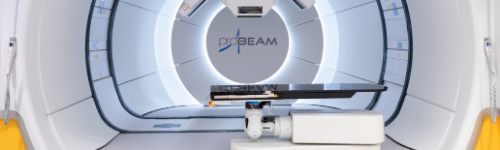
Proton Beam Therapy Proton beam therapy is an advanced type of radiation therapy aimed at destroying cancerous cells using protons. The treatment offers pinpoint precision that delivers high-energy proton beams directly to tumors, minimizing damage to surrounding healthy tissue. Texas Center for Proton Therapy offers latest-generation proton technology and a patient-centered approach to care. All three treatment rooms feature latest-generation pencil-beam scanning. Small proton beams, measuring only millimeters wide, are rapidly scanned across the tumor to precisely match the shape of the tumor. It allows treatment to conform to complex shaped or even moving tumors, and reduces excess radiation to healthy tissues. Physicians also use cone beam computed tomography (cone beam CT), which uses 3-D volumetric imaging (vs. 2-D X-ray images) to provide improved visualization, better patient positioning, and more precise treatment of cancerous tumors. Advanced diagnostic imaging, including PET/CT and a 3-Tesla MRI are used to update your treatment plan as therapy reduces the size of your tumor. Proton therapy: Is especially effective in treating cancers in sensitive areas and for children whose bodies are still growing. Uses high-energy, precisely targeted proton beams to destroy cancerous cells, leading to a lower recurrence rate for many patients. Reduces exposure and damage to surrounding healthy tissue and vital organs. Is non-invasive and may reduce side effects. Sometimes increases patients’ tolerance of chemotherapy. Patients can maintain their current quality of life during and after treatment. Is sometimes effective in treating areas already treated with radiation. Telemedicine Patients who live outside of the Dallas-Fort Worth area may access highly specialized care from Texas Center for Proton Therapy via Texas Oncology’s Telemedicine capability. While patients would need to travel to the center to receive treatment, in some cases, initial consultations and some follow-up care can be conducted via Telemedicine – and always in close coordination with a local Texas Oncology physician. Learn more about Telemedicine . Source: https://www.texasoncology.com/services-and-treatments/treatments/proton-therapy

Radiation Therapy
Cancer Treatment Options
Radiation Therapy Radiation therapy is the use of high-energy X-rays to stop cancer cells from growing and multiplying. About half of all people with cancer receive radiation treatment, and for many individuals, radiation is the only cancer treatment they need. The goal of radiation therapy depends on your specific type of cancer and your overall health. Generally, radiation therapy is designed to achieve one or both of the following results: Stop the growth of cancer cells by reducing the size of cancer cells before surgery or by stopping their growth after surgery. Improve your quality of life. Even if it is not possible to cure certain cancer cases, radiation therapy may still offer improvement in symptoms and provide relief from pain and discomfort. The broad term “radiation therapy” covers many different treatments. For example, you may hear radiation therapy referred to as radiation oncology, X-ray, cobalt, or irradiation therapy. The therapy is given in doses measured in grays or centigrays via treatments over a period of several weeks. As always, your doctor will coordinate your care. You will also work closely with the specialists – such as radiation oncologists or radiation therapists – who administer the treatment. Prior to your treatment, your team will take precise measurements of where the radiation therapy will be given. For radiation therapy given to the outside of your body, the specialist may even draw special, temporary markings on your skin to guide them and the instruments they use. Generally, you will not feel anything during the treatment, and many people are able to arrange their treatment around their work schedule or other daily commitments. Some people who receive radiation treatment recommend getting the procedure early in the morning, leaving the rest of the day for other activities. Texas Oncology offers patients an arsenal of the most effective, leading-edge radiation therapies; see a snapshot of the technologies available. EXTERNAL BEAM RADIATION THERAPY External radiation therapy focuses a high-energy X-ray or electron beams at specific points on your body where the tumor is located. LEARN MORE INTERNAL RADIATION THERAPY Internal radiation therapy (brachytherapy) is a type of radiation therapy that uses sealed containers of radioactive material placed close to or inside the tumor. LEARN MORE RADIATION THERAPY SIDE EFFECTS Side effects related to radiation therapy are generally limited to the specific area of the body receiving treatment. LEARN Source: https://www.texasoncology.com/services-and-treatments/treatments/radiation-therapy

Surveillance
Cancer Treatment Options
Surveillance Some forms of cancer do not require immediate treatment. There are occasions when the side effects of cancer treatment outweigh the benefits. Surveillance, or watchful waiting, is a common option for prostate cancer , but also can be an option for other forms of cancer if the tumor is small, slow-growing, and completely contained. Surveillance for Cancer Patients You and your doctor may opt for active surveillance. Your cancer will be closely monitored, but you will not have any active treatment until it is needed. This conservative approach potentially allows you to avoid the side effects of treatment. However, this option is not appropriate for all cancers. Your cancer may grow during active surveillance, limiting your treatment options. Your physician will discuss a plan for testing and monitoring you on a regular basis. If you have any concerns, do not feel you can adhere to a regular schedule of testing and appointments, or find yourself often worrying about your cancer, active surveillance may not be a good option for you. Surveillance After Genetic Testing Heightened surveillance may be recommended for you if the results of genetic testing show you to be at higher risk for developing cancer. This means you’ll receive screenings more frequently, start screenings at a younger age than usual, or have a different kind of screening, for the type of cancer for which you have high risk. Not every type of cancer has a widely-used screening method, but the most prevalent cancers do, and doctors are constantly investigating new screening methods. Source: https://www.texasoncology.com/services-and-treatments/treatments/surveillance

Targeted Therapies
Cancer Treatment Options
Targeted Therapies Targeted therapies are an advanced form of cancer treatments that more precisely fight your cancer. Chemotherapy takes a broad-based approach and focuses on all rapidly dividing cells. Targeted therapies are focused on specific genetic mutations that make cancer cells different from healthy cells. Chemotherapy can damage healthy cells if they divide rapidly. Targeted therapies concentrate only on cells with the specific gene mutation. Targeted therapies attack the genes, proteins, or tissue environment that contributes to your cancer’s growth and survival. Chemotherapy kills tumor cells; targeted therapies block the reproduction of cancerous cells. Targeted therapies are often used in conjunction with other treatments including chemotherapy radiation , and surgery . Just like there are many cancer types, there are multiple targeted therapies. Some therapies attack a single trait of the cancerous cell, while others attack several mutations within the cancer cells. You may receive multiple targeted therapies as part of your treatment plan. Targeted therapies can cause side effects, depending on the type of therapy. Cancer cells can also adapt to the targeted therapy rendering them ineffective. Not every cancer type is receptive to targeted therapies. Targeted Therapy Resources Several resources help you learn more about targeted therapies: American Society of Clinical Oncologists American Cancer Society National Cancer Institute Source: https://www.texasoncology.com/services-and-treatments/treatments/targeted-therapies

T Cell (CAR-T) Therapy
Cancer Treatment Options
Chimeric Antigen Receptor - (CAR-T) Therapy Chimeric Antigen Receptor – T cell (CAR-T) therapy is one of the most exciting, promising treatment breakthroughs in recent years. Texas Oncology is one of the very few authorized centers in the country to initially provide CAR-T therapy. Learn more about how CAR-T therapy works in this video: A type of immunotherapy, CAR-T therapy galvanizes the body’s immune system to fight cancer. It uses genetically engineered immune T cells to recognize specific proteins on tumor cells. Some of a patient’s white blood cells are extracted, modified, and replicated so that they recognize and attack cancer cells. View an infographic from The Leukemia & Lymphoma Society that explains CAR-T therapy here. Car T-cell Therapy Eligible Patients CAR-T provides another treatment option when standard treatments are not effective. Adult patients who have been diagnosed with either relapsed or refractory large B-cell lymphoma, a type of non-Hodgkin lymphoma, or acute lymphocytic leukemia, and who have failed two or more types of therapy may be eligible. CAR-T clinical trials may be available for other hematologic malignancies or solid tumors, including non-Hodgkin lymphoma, acute lymphocytic leukemia, multiple myeloma, chronic lymphocytic leukemia, pancreatic cancer, and others. Texas Oncology offers CAR-T therapy at two Dallas area locations, through collaborations with Baylor University Medical Center and Medical City Dallas Hospital. Request an Appointment or More Information Patients interested in CAR-T therapy should contact: Texas Oncology-Baylor Charles A. Sammons Cancer Center at 214-370-1999 Texas Oncology-Baylor Charles A. Sammons Cancer Center Blood and Marrow Transplant at 214-370-1500 Texas Oncology-Medical City Dallas Blood and Marrow Transplant at 972-566-8141 (Chris Nelson, BSN, RN - CAR-T Coordinator). Texas Oncology-Medical City Dallas Building D at 972-566-7790 Telemedicine Patients who are eligible for CAR-T treatment and who live outside the Dallas area may be able to access CAR-T treatment experts via telemedicine, in conjunction with a local Texas Oncology physician in the patient’s community. In some cases, patients could receive initial consultations and assistance with managing aspects of follow-up care via telemedicine. While this may provide added convenience for out-of-town patients, patients will need to travel to Dallas for treatment. Learn more about telemedicine . Latest News New Cancer Therapy Could be Game Changer in Cancer Care CAR-T Therapy Frequently Asked Questions CAR-T therapy, a type of immunotherapy, galvanizes the body’s immune system to fight cancer. Texas Oncology is one of the very few authorized centers in the country to initially provide CAR-T therapy. Following are some frequently asked questions: How does CAR-T therapy work? Who is eligible for CAR-T therapy? Why is CAR-T therapy only available to non-Hodgkin lymphoma and acute lymphocytic leukemia patients at Texas Oncology? When will CAR-T therapy be available to treat other cancer types at Texas Oncology? Are telemedicine consults available for CAR-T therapy? Where is CAR-T therapy available? Why doesn’t my oncologist provide CAR-T therapy? How can I enroll in a CAR-T clinical trial? Will insurance cover CAR-T therapy? How can I learn more about CAR-T therapy? Q: How does CAR-T therapy work? A type of immunotherapy, CAR-T therapy galvanizes the body’s immune system to fight cancer. It uses genetically engineered immune T cells to recognize specific proteins on tumor cells. Some of a patient’s white blood cells are extracted, modified, and replicated so that they recognize and attack cancer cells. View an infographic that explains CAR-T therapy here . Q: Who is eligible for CAR-T therapy? CAR-T therapy is offered to adult patients who have been diagnosed with either relapsed or refractory large B-cell lymphoma, a type of non-Hodgkin lymphoma, or acute lymphocytic leukemia, and who have failed two or more types of therapy as another treatment option. CAR-T clinical trials may be available for other hematologic malignancies or solid tumors, including non-Hodgkin lymphoma, acute lymphocytic leukemia, multiple myeloma, chronic lymphocytic leukemia, pancreatic cancer, and others. Q: Why is CAR-T therapy only available to non-Hodgkin lymphoma and acute lymphocytic leukemia patients at Texas Oncology? To date, the U.S. Food and Drug Administration (FDA) has approved two forms of CAR-T cell therapy for patients with diffuse large B-cell lymphoma or acute lymphocytic leukemia. Texas Oncology–Baylor Charles A. Sammons Cancer Center is conducting multiple clinical trials to test CAR-T therapies for several types of cancer, including non-Hodgkin lymphoma, acute lymphocytic leukemia, multiple myeloma, chronic lymphocytic leukemia, pancreatic cancer, and others, through a collaboration with Baylor University Medical Center. Q: When will CAR-T therapy be available to treat other cancer types at Texas Oncology? Texas Oncology–Baylor Charles A. Sammons Cancer Center is conducting multiple clinical trials to test CAR-T therapies for several types of cancer, including non-Hodgkin lymphoma, acute lymphocytic leukemia, multiple myeloma, chronic lymphocytic leukemia, pancreatic cancer, and others, through a collaboration with Baylor University Medical Center. Q: Are telemedicine consults available for CAR-T therapy? Yes, in some cases, patients could receive initial consultations and assistance with managing aspects of follow-up care via telemedicine . While this may provide added convenience for out-of-town patients, patients will need to travel to Dallas for treatment. Q: Where is CAR-T therapy available? Texas Oncology offers CAR-T therapy at two Dallas area locations, including Texas Oncology–Baylor Charles A. Sammons Cancer Center and Texas Oncology–Medical City Dallas , through collaborations with Baylor University Medical Center and Medical City Dallas Hospital. Patients who are eligible for CAR-T treatment and who live outside the Dallas area may be able to access CAR-T treatment experts via telemedicine , in conjunction with a local Texas Oncology physician in the patient’s community. Q: Why doesn’t my oncologist provide CAR-T therapy? Texas Oncology, in collaboration with Baylor University Medical Center and Medical City Dallas Hospital, is one of a select group of sites nationally that has been certified to provide this leading-edge treatment. Q: How can I enroll in a CAR-T clinical trial? A multidisciplinary selection committee guides the process for determining eligible patients for this new therapy, which takes into consideration clinical testing based on past clinical trial criteria and FDA guidelines. Patients interested in a CAR-T therapy clinical trial should contact Texas Oncology–Baylor Charles A. Sammons Cancer Center at 214-370-1999. Q: Will insurance cover CAR-T therapy? Texas Oncology participates in most health insurance plans, Medicare, Medicaid, and selected Health Insurance Marketplace plans. Not all plans are available at all of our cancer centers, so it's important to call your insurance company to confirm if your plan is available at Texas Oncology centers in your area. Regarding CAR-T therapy, health insurers are preparing their coverage policies for the FDA-approved CAR-T therapies. In the meantime, coverage is reviewed on a case-by-case basis, as is typical when new therapies are first approved. Our patient benefits representatives can help verify coverage for clinically-eligible patients. Q: How can I learn more about CAR-T therapy? Patients interested in CAR-T therapy should contact: Texas Oncology-Baylor Charles A. Sammons Cancer Center at 214-370-1999, or Texas Oncology-Medical City Dallas Blood and Marrow Transplant at 972-566-8141 (Chris Nelson, BSN, RN - CAR-T Coordinator). CAR-T Therapy Oncologists and Locations The following Texas Oncology oncologists and locations specialize in Car-T Therapy. Locations and Specialists Texas Oncology-Baylor Charles A. Sammons Cancer Center 3410 Worth St., Suite 400 Dallas, TX 75246 T: 214-370-1000 Micah Burch, M.D. Houston Holmes, M.D. M. Yair Levy, M.D. Christopher Maisel, M.D. Edward James Pearson, M.D. Andrew Robert Whiteley, M.D. Texas Oncology-Baylor Charles A. Sammons Cancer Center Blood and Marrow Transplant 3410 Worth St., Suite 300 Dallas, TX 75246 T: 214-370-1500 Robert Brian Berryman, M.D. Carolina Escobar, M.D. Nebu Verghese Koshy, M.D., FACP Luis Pineiro, M.D. Jana Reynolds, M.D. Texas Oncology-Medical City Dallas Blood and Marrow Transplant 7777 Forest Lane, Suite D220 Dallas, TX 75230 T: 972-566-7790 Vikas Bhushan, M.D. John Mathews, M.D. Estil Vance, M.D. Texas Oncology-Medical City Dallas Building D 7777 Forest Lane, Suite D400 Dallas, TX 75230 T: 972-566-7790 Source: https://www.texasoncology.com/services-and-treatments/treatments/car-t-therapy