
Heart Conditions
All Heart Conditions
Angina
Heart Conditions
Overview Angina is a type of pain that occurs when not enough blood flows to the heart muscle. Angina may feel like pressure in the chest, jaw or arm. It frequently may occur with exercise or stress. Some people with angina also report feeling lightheaded, overly tired, short of breath or nauseated. As the heart pumps harder to keep up with what you are doing, it needs more oxygen-rich blood. If this demand is not met, you may feel pain or discomfort in your chest. If you have what is called stable angina , this pain or tightness is often triggered by a consistent high level of activity, such as during stressful times or walking upstairs after an emotional discussion. In fact, you usually know when it might happen, perhaps during a specific exercise. Cold weather or eating large meals—both of which can make the heart work harder—can result in chest pain if you have heart disease. In contrast, if you have unstable angina , your chest pain suddenly worsens, either being more severe or occurring with less exertion or at rest. The good news is that the symptoms of stable angina are usually short-lived and generally stop with rest or medicine. Because chest pain can be a sign of a heart attack, it is always best to tell your doctor about it and any other concerning symptoms. Keep in mind that there are other reasons why you might have chest pain, like eating too quickly, acid reflux, muscle spasms or breathing issues. The best way to prevent angina is to adopt heart-healthy habits. You should also keep track of when your chest pain occurs, where you feel it, for how long and what seems to make it better or worse. Use this condition center to learn more about angina. You can keep up with the latest research, find questions to ask your doctor, and get tips to help you feel your best. Questions to Ask Your Doctor If you've been diagnosed with angina, there are several key questions that you should ask your cardiologist during your next visit. These questions will ensure that you and your doctor have discussed your major risk factors so that you can become or stay as healthy as possible. What distinguishes chronic angina from a heart attack? Does having angina mean that I have blockages in the arteries that supply my heart with blood? What medications are available to treat angina? What changes in my symptoms should alert me to notify my physician? What are the side-effects of medications used to treat angina (particularly beta-blockers and calcium channel blockers)? I have tried many medications for angina but I continue to have symptoms. Is there a role for ranolizine? Other therapies? What risk factors are associated with angina? Can I continue to exercise if I have angina? What lifestyle changes can I make to reduce my symptoms? Should I have a stress test for angina? Should I undergo an elective cardiac catheterization to look for blockages in my arteries? Signs and Symptoms Typically, symptoms of angina are chest pain or pressure, which may extend to the neck, jaw or arm. However, some people experience angina as shortness of breath, upper belly pain, indigestion, lightheadedness, extreme weakness or tiredness, or general discomfort. Women and diabetics frequently have symptoms that are different from chest pain or pressure symptoms. When Should I Call My Doctor or Go to the Emergency Room? Know what your angina feels like and what is typical for you so you know when to call for help. Do not wait to call 911 if your angina is worse than normal, for example more severe, more frequent or lasting longer. If any of these occur, call your health care professional right away. Call 911 immediately if your symptoms: are very severe occur while at rest (not exerting yourself) do not go away 10 minutes after taking nitroglycerin under your tongue Getting help fast can save your life. Even if you are not sure your chest pain is a heart attack, have it checked out. Exams and Tests Chest pain can occur for a variety of reasons, some that are serious and some that are harmless. Separating angina from other causes of chest pain is not always easy. Your health care professional should take a thorough history and physical exam . He or she should ask you about the quality of the pain in your chest. Where is it located? Are there any associated symptoms? When does it occur? How long does it last? What makes it better or worse? An electrocardiogram (ECG) , which shows how fast or evenly the heart is beating, may be done to look for signs of past heart attacks or decreased blood flow to the heart muscle, called ischemia. It also helps to determine what type of stress test you may need. If your health care professional is concerned that your chest pain may be caused by coronary artery disease, he or she may order a stress test with or without pictures. During a stress test, a clinician tries to challenge your heart to see if the supply of blood to your heart muscle is enough to meet the demands of increased activity. A stress test can tell us if there are further signs of decreased blood flow to the heart muscle. The pictures can tell us if parts of your heart muscle do not get enough blood flow. Other tests, such as coronary calcium score and coronary computed tomography , can look for atherosclerosis (plaque buildup) or narrowing of the coronary arteries. Sometime a stress cardiac MRI can be used to assess blood flow to the heart. Treatment Staying active, not smoking, and adopting healthy eating habits are important ways to manage stable angina. Your health care professional may also prescribe medicine to help. Some of the medications help reduce the risk factors that lead to angina and coronary artery disease, while others help manage the symptoms. Your health care professional will help you find the best combination of medications and treatments to manage your condition. What medications are used to manage angina symptoms? Beta blockers help ease the work the heart has to do by slowing down your heart rate and lowering your blood pressure. If you have had a heart attack, these medications will help prevent another one and help you live longer. Nitroglycerin increases the blood flow to the heart by opening up, or dilating, the blood vessels in the body. This allows blood to flow to the heart muscle more easily when coronary arteries are narrowed. It also decreases the workload on the heart to supply blood to the body. Calcium channel blockers , like beta blockers, help ease the work the heart has to do by slowing down your heart rate and lowering your blood pressure. Not all medications of this type will slow down heart rate as well as others, but they are all useful for reducing high blood pressure. Ranolazine works directly at the heart to help it relax better. It helps to slow down the heart muscle so that it does not have to work as hard. Unlike other medications used in angina, it is able to do this without changing your blood pressure or your heart rate. What other interventions can help? Angioplasty and Bypass Surgery Opening up narrowed coronary arteries to restore blood flow to the area of the heart muscles that is not getting enough can relieve the symptoms of angina. There are two main ways to restore blood flow to the heart: Angioplasty , also called percutaneous coronary intervention (PCI), with a stent or a balloon procedure Coronary artery bypass graft (CABG) surgery , or open heart surgery These treatments can significantly improve quality of life for patients with advanced coronary artery disease. The treatment recommended by your health care professional will depend on your symptoms and preferences, the number and locations of narrowed arteries, your age, overall health, and other risk factors. You should discuss these options with your cardiologist. Cardiac Rehab Cardiac rehabilitation is typically a 12-week, medically supervised program. It includes counseling on exercise, nutrition, stress management and smoking cessation. It also educates individuals about how to take better control of your health. Cardiac rehab can decrease angina, reduce heart risk factors and improve quality of life. Enhanced External Counterpulsation Therapy Enhanced external counterpulsation (EECP) therapy may be recommended in some patients if you have angina that limits you from your daily activities and that has not improved with standard treatments. During EECP, inflatable cuffs (similar to blood pressure cuffs) are placed on the calves, thighs and buttocks. The cuffs inflate and deflate in rhythm with your heart, improving blood flow to the heart. EECP may generate the formation of new small blood vessels in the heart to create a natural bypass around blocked or narrowed arteries. EECP may increase exercise duration and decrease angina. Prevention In order to prevent angina caused by atherosclerosis, it is important to try to decrease the risk factors that lead to coronary artery disease. What Medications Help Lower Heart Risk Factors? Aspirin Your health professional may recommend a “baby” aspirin daily because it helps blood flow through blood vessels. In addition, if you have had a heart attack or stroke, aspirin will help prevent another one and potentially help you live longer. Statins Statins help reduce levels of low density lipoprotein (LDL), also called the “bad” cholesterol, in your blood. Too much LDL cholesterol in your blood means that there is a greater chance of it being inside the blood vessels in the heart or in the brain. This can lead to a heart attack or stroke. If you have had a heart attack or stroke, statins will help prevent another one and help you live longer. Even if you have not had a heart attack or stroke, statins may decrease the chances of a cardiac event in certain people, including those with angina. What Else Can I Do to Prevent Angina? Lifestyle modifications are also extremely important in preventing heart disease and angina. These include: Control blood pressure: Keep your blood pressure readings within a healthy range using medications and lifestyle changes. Smoking cessation: Smoking is the No. 1 cause of preventable death in the U.S. Quitting smoking also is one of the most effective changes anyone can make to prevent a second heart attack. Exercise: Staying active is important for your heart. You should try to get 10,000 steps in a day or try to exercise (brisk walking, running, or biking) for 30 minutes at least five times a week. This can reduce blood pressure, increase HDL (healthy) cholesterol, and improve glucose control. Healthy diet: Anyone who has heart disease or who is at increased risk of developing heart disease should eat a well-balanced diet high in fruits, vegetables, whole grains, fish and lean meats. You should avoid sugary beverages, refined grains, and processed or red meats. Stress reduction: Stress is physical, mental, or emotional strain or tension. Low to moderate levels of stress can be healthy by increasing motivation and productivity. However, chronic high levels of stress can be dangerous and increase the rate of cholesterol plaque buildup and narrowing in the coronary arteries, leading to heart disease and angina. Leading a well-balanced life is vital to heart health. If you experience stress that causes or worsens your symptoms of angina, discuss these symptoms with your health care professional Source: https://www.cardiosmart.org/topics/angina
Aortic Aneurysm
Heart Conditions
Aortic Aneurysm Your heart pumps blood into your aorta—the largest artery in your body. The aorta carries oxygen-rich blood from the heart to your entire body. Sometimes the wall of the aorta can weaken. If this happens, the wall expands because of the constant pressure of blood flowing against it and may bulge or balloon out. This condition is called an aortic aneurysm. It can happen in your chest (thoracic aortic aneurysm) or abdomen (abdominal aortic aneurysm). If you’ve been told you have an aortic aneurysm, it probably took you by surprise. Usually there are no symptoms. The aneurysm is often found by chance on imaging tests that were ordered to rule out other problems. Still, it can be a scary diagnosis. As the aneurysm gets bigger, it can burst, causing internal bleeding that is nearly always fatal. But through careful monitoring, you and your health care team can keep close tabs on the aneurysm to figure out the best course of action—one that helps you live a long, active life. Treatment depends on the location, size and cause of the aneurysm and how fast it is growing. Treatment may include careful monitoring, surgery, medications, and/or lifestyle changes. Use this condition center to learn more about living with aortic aneurysm. You can also read about the latest research, create a list of questions to ask your doctor and much more. Questions to Ask Your Doctor If you've been diagnosed with aortic aneurysm, there are several key questions that you should ask your cardiologist during your next visit. These questions will ensure that you and your doctor have discussed your major risk factors so that you can become or stay as healthy as possible. What risk factors are associated with the development of an aortic aneurysm? What symptoms of aortic aneurysm should prompt me to seek medical attention? When should an aortic aneurysm be repaired? Who should be screened for aortic aneurysms? How often should my doctor order tests to monitor the size of my aortic aneurysm? Are aortic aneurysms hereditary? Are aortic aneurysms associated with other medical conditions? If I need to have my aortic aneurysm repaired, should I undergo an open-repair or an endovascular repair? Should I be screened for aneurysms in other parts of my body? Are there any restrictions to my exercise program because of aortic aneurysm? Overview An aortic aneurysm occurs when a section of the aorta, the body's main artery, becomes enlarged. The aorta carries blood and nutrients (fuel) from the heart (the engine of the body) to the rest of the body. Because the aneurysm can stretch and weaken like a balloon, it can burst. If the aorta bursts, it can cause serious internal bleeding that can be fatal. The aorta looks like a walking cane. The first part is the ascending aorta. The second portion is the arch. The third portion is the descending aorta. Aneurysms can form in any section of the aorta. When one forms in the belly area—the most common location—it is called an abdominal aortic aneurysm. When one forms in the upper body, it is called a thoracic aortic aneurysm. Causes The wall of a normal aorta stretches like a balloon. It can expand and contract depending on blood flow. The wall of your aorta can become stiff because of hardening of the arteries (atherosclerosis) often caused by high blood pressure, cholesterol, or age. These conditions also can weaken the aorta wall and cause it to bulge. Other less common causes of aortic aneurysm include: People who have problems with the structure of the aortic wall that are inherited (for example Marfan syndrome and other less common diseases) People born with a bicuspid aortic valve (they have two aortic valve leaflets instead of the normal three), which is associated with aortic aneurysms Syphilis Turner syndrome (genetic disease) Inflammation of the wall of the aorta (aortic arteritis) Aortic dissection Trauma, such as a hard hit to the chest that damages the aorta Signs and Symptoms Most people with aortic aneurysms do not show signs or feel an aortic aneurysm. Usually, the aneurysms are found when exams or tests, such as a CT scan or echocardiogram, are done for other reasons. For example, if a murmur is heard on exam, your health care professional may order an echocardiogram for the murmur and discover an ascending thoracic aortic aneurysm. Patients with an aortic aneurysm also may show signs of congestive heart failure. In the rare cases people do report symptoms, the issues are often related to the aneurysm pushing against: Windpipe (trachea) causing trouble breathing, wheezing coughing or recurrent pneumonia Nerve to the vocal cord (laryngeal nerve) causing a hoarse voice Esophagus making it difficult to swallow The symptoms may occur once in a while or stay constant. Belly, chest or back pain is less common but may indicate an emergency. The feared result is a tear in the aortic wall (dissection) or rupture, which can cause severe pain, internal bleeding and can lead quickly to death. Other problems can occur when clots form because of the abnormal blood flow in the bulge of the aneurysm. These clots can break off and travel to the brain (causing a stroke) or to other organs in the belly, arms or legs. What Increases Your Risk? Several factors can increase your risk of developing an aortic aneurysm, rupture, or dissection: High blood pressure: Blood pressure applies force to the wall of the aorta. Smoking: Tobacco use is linked with a higher risk of developing an aneurysm. Family history: If any of your first-degree relatives (mother, brother, father, sister or child) has a history of aneurysm, you are at a greater risk of the condition. If you have an aortic aneurysm, multiple factors increase the risk of it bursting (rupture) or tearing (dissection). These include the size, type, and overall cause of the aneurysm as well as your blood pressure. The size of the aneurysm is the best predictor of risk. Larger aneurysms are more likely to burst or tear. Aneurysm size relative to patient size may be an even more useful measure. Thus for the same size aneurysm, a smaller patient has a greater chance for rupture or dissection than a bigger patient. Specific types of aneurysms may be at increased risk for rupture depending on the cause, shape, size, and patient factors. The cause of the aneurysm plays a large role in risk. Aneurysms caused by certain genetic conditions, such as Marfan Syndrome or Ehlers Danlos Syndrome, are more likely to rupture due to the weakened aortic wall. In these patients, surgery often may be recommended when the aneurysm is at smaller sizes. When to Call a Doctor If you have an aortic aneurysm, the symptoms may feel like those of a heart attack or stroke. The most common symptom is pain. If you know you have an aortic aneurysm, or if you have a family history of aortic aneurysm, you should call 911 if you develop chest, back, or belly pain. Exams and Tests What exams or tests may be used to detect an aortic aneurysm? The U.S. Public Health Service recommends a one-time screening exam of the belly, an abdominal ultrasound, in some patients. These include men older than 65 or women older than 75 who have a history of smoking. However, there is no recommendation to test for thoracic aortic aneurysm for the general population. If you have first-degree relatives (mother, brother, father, sister or child) with a history of aneurysm, you should talk to your doctor about whether you need a screening. If you have symptoms, such as severe chest or abdominal discomfort (see Section 1: Overview), you should seek immediate medical attention. Your health care professional likely will do some basic tests including: Blood pressure evaluation Listening to your heart Chest X-ray Electrocardiogram (ECG) These tests are almost always done but are not enough to fully identify an aortic aneurysm or dissection (tear). The most common emergency test for aortic aneurysm involves a computed tomography (CT) scan of the chest, and possibly abdomen and pelvis, depending on the case. A CT scan is considered a very safe procedure and generally involves only a small amount of X-ray radiation exposure. Also, an imaging contrast agent is given to the patient through a vein. Another test may include a transthoracic echocardiogram (TTE) , which is an ultrasound placed on the chest to view the heart, similar to an ultrasound of a baby. A TTE can identify an aneurysm in the abdominal aorta and the beginning of the thoracic aorta. However, it may not be able to see important sections of the aortic arch and further along the thoracic aorta. A TTE is more limited than a CT scan. However, a TTE can detect complications related to an aneurysm dissection, including problems with heart valves, fluid around the heart, or a heart attack from a tear of important blood vessels or loss of blood. Another test you may have is a transesophageal echocardiogram (TEE) . This test can evaluate the entire aorta as effectively as a CT scan. A TTE may, however, miss certain sections of the aorta. This test also requires the patient to be sedated and may cause a patient's blood pressure to drop lower, which is not desirable. However, a TEE may be useful for certain patients, including those who are on a breathing machine or in the intensive care unit. Finally, a magnetic resonance imaging (MRI) scan may be performed. For patients with long-term, stable aneurysm, an MRI may be useful. However, MRI is not commonly used for emergency cases. Treatment If you have an aortic aneurysm, treatment depends on the location, size and cause of the aneurysm, and how fast it is growing. Treatment may include careful monitoring, surgery, medications, and/or lifestyle changes. If your doctor has recommended watching the progression of your aneurysm, read Living With an Aortic Aneurysm to learn more. In some cases, your aorta may need to be repaired. Depending on the section of the aorta that needs to be fixed, this may be done through: Open surgery: Repairing the aorta with surgery involves opening the chest, usually through the sternum (called a sternotomy). The aorta is the source of blood for the heart, so repair requires the heart to be stopped and protected using a heart-lung bypass machine. If the section needing to be fixed is the ascending aorta, then open surgery is the only option. The extent of the repair affects the approach of the operation. Two main approaches are ascending or hemi-arch replacement. Procedure called stenting: In this procedure, metal support stents are inserted through a blood vessel without open surgery. Stenting often can be done for the abdominal aorta and the descending thoracic aorta. The structure of the ascending aorta makes it difficult to use a stent. Living With Aortic Aneurysm Once an aortic aneurysm develops, it is at risk of growing bigger. If you are diagnosed with an aortic aneurysm, your physician will want to see you regularly for imaging tests to ensure that the aneurysm is not growing too fast. It is very important for you to keep up with these health visits. You can help slow the growth of the aneurysm and prevent complications by paying close attention to other health problems you may have and living a healthy lifestyle. The most important way you can slow the progress of an aneurysm is to control your blood pressure. If you have high blood pressure, the extra force pushes against the walls of the aneurysm causing it to expand. If you have been given medicine for your blood pressure, it is very important to take it exactly as instructed. Your doctor may also advise you not to lift heavy weights, which may cause sudden increases in your blood pressure. Smoking, obesity, drinking too much alcohol, and a sedentary lifestyle all contribute to high blood pressure. At the same time, these are all bad for your overall health. If you need to have surgery or a procedure to repair your aorta, your overall health would factor into your recovery. Therefore, it is important to: Keep a healthy weight or have a body-mass index (BMI) of less than 30. (Calculate your BMI). Keep your blood pressure controlled. Quit smoking, if you do. There are medications and counseling options available to help you stop; 1-800-QUIT-NOW is a great resource. Be physically active. Prevention An aortic aneurysm can be caused by atherosclerosis, hardening of blood vessels from the buildup of plaque (cholesterol and fat). It is important to understand the risk factors you can control—called modifiable risk factors—that contribute to the development of the disease. You can keep track of your modifiable risk factors if you "Know Your Numbers." These numbers refer to key markers of health such as blood pressure, cholesterol, blood sugar, body mass index (BMI) and waist circumference. Although health care professionals check most of these numbers at annual checkups, it's important for you to know your numbers and understand what they mean. That way, you can prevent heart disease before doctors are needed to cure it. By keeping your numbers within a healthy range, you can do a lot to improve any disease caused by atherosclerosis. Here are some steps you can take: Follow a healthy diet. A healthy diet is a good way to prevent heart disease from the buildup of plaque (cholesterol and fat deposits), including an aortic aneurysm. This includes: three to five servings of vegetables and two servings of fruit per day; two servings of fish high in omega-3-fatty acids per week; four handfuls of almonds or walnuts per week; use of healthy oils like olive and canola; and picking whole grains over refined grains. Be active and maintain a healthy weight. Be physically active and keep a healthy weight. The American Heart Association recommends 40 minutes of aerobic exercise of moderate to vigorous intensity three to four times a week. Healthy weight is based on Body Mass Index (BMI), a numerical value of your weight in relation to your height. A BMI between 18.5 and 24.9 indicates a normal weight. Stop smoking. If you smoke tobacco, please consult with your health care professional about ways to quit. Use of any tobacco product increases your blood pressure and promotes plaque buildup within the blood vessels. There are many aids, and even apps, now available to help you quit. Avoid secondhand smoke. Limit alcohol. If you drink, drink in moderation. That means no more than one drink per day if you're a woman and no more than two drinks per day if you're a man. Control diabetes. If you are unsure whether you have diabetes, speak with your health care professional about how to find out. And, if you have diabetes, it is important to take steps to control your blood sugar. Over time, high blood sugars can damage the inside of your blood vessels and lead to atherosclerosis. Manage high cholesterol. Consult with your doctor to find out whether you need a lipid panel, a blood test to check your cholesterol levels. If you don't reach your goal cholesterol number despite eating a healthy diet and exercising regularly, your doctor may prescribe lipid-lowering medicine, such as statins. Keep your blood pressure controlled. Source: https://www.cardiosmart.org/topics/aortic-aneurysm
Aortic Stenosis
Heart Conditions
Aortic Stenosis The aortic valve is one of four heart valves in the heart. It opens to allow blood to flow into the aorta—the main artery that carries blood out of the heart to your body. If you have aortic valve stenosis, more commonly known as aortic stenosis, the valve does not open fully. This abnormal narrowing of the valve (stenosis) makes it difficult for blood to flow from the heart to the body and can weaken the heart. Blood can then back up into your lungs. In severe cases, not enough blood reaches the brain and the rest of your body. Aortic stenosis is one of the most common valve diseases and usually develops later in life. It often results from a buildup of calcium on the valve. You may also develop aortic stenosis after having rheumatic fever, a condition that can result from untreated strep throat, or other infections that can damage the valve. Some people are born with a damaged valve. If you have aortic stenosis, you may not notice anything different at first. Symptoms can take a long time to develop. These may include fainting; chest pain; or feeling short of breath, weak or overly tired, especially with activity. Your doctor may also notice you have a heart murmur. Treatment will depend on how severe your condition and symptoms are, but may include medications or surgery. You may also be told to avoid competitive sports or other vigorous activities. Use this condition center to learn more about living with aortic stenosis. Questions to Ask Your Doctor If you've been diagnosed with aortic valve stenosis, there are several key questions that you should ask your cardiologist during your next visit. These questions will ensure that you and your doctor have discussed your major risk factors so that you can become or stay as healthy as possible. I feel lightheaded at times; can this be associated with aortic stenosis? How often should my physician monitor my aortic valve for changes in its area? What is the appropriate timing for cardiac surgery to treat aortic valve stenosis? What symptoms of aortic valve stenosis would push me towards having my valve repaired? Am I a good candidate for less invasive treatment approaches for aortic valve stenosis, such as a TranscatheterAortic Valve Replacement (TAVR)? Are there any medications that I should stop taking after being diagnosed with aortic stenosis? Should I limit my physical activity because of aortic valve stenosis? Is my valve bicuspid (meaning it has two leaflets)? If so, how does this predispose me to aortic stenosis? What changes happen to the heart after having aortic stenosis over time? Can aortic valve stenosis lead to chest pain? What symptoms of aortic valve stenosis should prompt me to seek immediate medical care? Overview Aortic valve stenosis (more commonly known as aortic stenosis) is a narrowing of the aortic valve. The aortic valve controls the blood flow between the heart's main pumping chamber and main artery (aorta). Aortic stenosis occurs when the aortic valve becomes narrow and obstructs the flow of blood from the heart to rest of the body. When the aortic valve gets very narrow, the heart has to work harder to pump the blood around the body. As a result, the heart muscle gets thicker, stiffer and, over time, weaker. This weakness of the heart muscle is called heart failure. When symptoms occur, they often start with exertion and include: Shortness of breath Chest pain (angina) Passing out (syncope) Fatigue Reduced ability to exercise or be active Sudden death Once symptoms develop, they often progress and, if not diagnosed and treated, can cause severe heart problems. Over time, if the heart muscle gets very weak and there is heart failure, symptoms can also include swelling in the ankles, shortness of breath when resting, and an inability to lie flat. What Increases Your Risk? Certain factors increase the risk of developing aortic stenosis. These include: Age: As people get older, calcium collects on the aortic valve because of years of wear and tear on the valve. Over time, the aortic valve leaflets become rigid and prevent the valve from opening fully. Heart risk factors: Calcium buildup on the aortic valve is also linked with other risk factors for heart disease, such as smoking, diabetes, high blood pressure, high cholesterol and kidney problems. Congenital heart defects: A normal aortic valve has three leaflets. Some people are born with a valve with two leaflets (bicuspid aortic valve). This type of valve can develop calcium buildup faster than the valve with three leaflets. Because of this, if you are born with a two-leaflet valve, you may develop aortic stenosis at an earlier age than those with a normal valve. Infection: If you have a history of rheumatic fever, you can have increased buildup of calcium along the edges of the aortic valve leaflets. If the calcium buildup increases, this can lead to narrowing of the aortic valve. Exams and Tests Aortic stenosis is often found during an exam when the doctor listens to the heart and hears a heart murmur. But the loudness of the murmur doesn't reflect the severity of stenosis. In fact when the murmur gets quieter, it may be more severely narrowed. Other tests will be ordered to confirm the diagnosis and to determine the type of damage or issue with your heart valve. Tests include: Electrocardiogram (ECG): Calcium buildup linked to this condition may cause issues with the electrical system of the heart. This test also can reveal whether your heart muscle has grown thicker by showing changes in the electrical activity of the heart. Chest X-ray: The heart size often is normal, but other physical changes may be seen. For example, there might be a rounding of the heart border and tip of the heart (apex) because of a thickened heart muscle. Often, an enlarged aorta is seen just above the aortic valve. Echocardiogram (heart ultrasound): A heart ultrasound is used to look at the structure and function of the heart. It is a fast and painless study that uses ultrasound waves to produce heart images. Your doctor may be able to identify the cause of aortic stenosis and look for other conditions you may have. He or she also can find out how narrow your aortic valve is and look for narrowing or leaks of the other valves. Cardiac Computed tomography (CAT scan): This test takes multiple X-rays to make detailed pictures of the heart. It is sometimes used to look for calcium deposits on the aortic valves and to guide certain procedures such as TAVR (a minimally invasive surgical procedure to repair an aortic valve). Cardiac Catheterization (heart catheterization or coronary angiogram): A heart catheterization is done to find out if you have disease of the heart muscle, valves or coronary (heart) arteries. During the procedure, the pressure and blood flow in your heart can be measured. A contrast dye visible in X-rays is injected through a catheter that is threaded from a blood vessel in your wrist or groin. X-ray images show the dye as it flows through the heart arteries and can show whether they are blocked. A coronary angiogram can be used to identify patients who also might benefit from surgery on the blood vessels around the heart along with an aortic valve replacement procedure. Treatment Patients with aortic stenosis can do well over many years without symptoms or limitations at rest or when active. At some point, however, the aortic valve obstruction will overwhelm the heart's pumping. This is usually when the aortic stenosis has advanced from mild or moderate to severe. If you have severe aortic stenosis, you may feel: More tired and exhausted Be short of breath with activities Develop chest discomfort with activities Lightheaded or even pass out "Watchful observation" is recommended as long as patients have no symptoms. Once symptoms are present, replacing the valve may be considered. The valve can be replaced either through surgery or using a less invasive procedure called transcatheter aortic valve replacement (TAVR). Both approaches reduce symptoms and help patients live longer. At present, no medical therapy can "unclog" an obstructed aortic valve. During a surgical aortic valve replacement (SAVR), you would be put under general anesthesia, and you would be placed on a ventilator while on a heart-lung bypass machine. A surgeon would then cut open your breastbone (called a sternotomy) to get to the heart. In some patients, less invasive approaches can be used. The aortic stenosis valve is cut out, and replaced by the new valve. Recovery in the hospital usually takes about five days. More recently, transcatheter aortic valve replacement has emerged as an alternative approach to treat certain patients with aortic stenosis. TAVR does not require sternotomy and heart-lung bypass machine. The replacement valve is usually inserted using a catheter into an artery in the leg, then threaded through arteries to the heart. Once correctly positioned within the diseased aortic valve, the folded TAVR valve is opened up with a balloon and the old valve pushed to the side. Recovery in the hospital is usually about one to two days. Overall, TAVR has been an exciting development in treating patients with aortic stenosis, but there are limitations: There is almost always a leak between the old and the new TAVR valve; however, this is usually not a major concern. Pushing the old aortic valve to the side can damage the electrical wiring of the heart and may require a pacemaker. Most important, the durability of TAVR valves compared with surgical valves is unclear. The TAVR valves may not last as long. It is important to talk with your heart doctor and heart surgeon to weigh the options for treatment of your aortic stenosis and decide what is right for you. Prevention There are steps you can take to strengthen your heart and guard against developing aortic stenosis. These include: Make heart-healthy choices: Although not proved, factors that can cause calcium buildup in the arteries of the heart (called atherosclerosis) also can cause calcium buildup on the aortic valve. For general health, it is always a good idea to exercise on a daily basis. Also if you have high blood pressure, high cholesterol, diabetes, or kidney problems, you should speak to your doctor to get these conditions treated. If you smoke, you should quit smoking and talk to your doctor about ways to help you stop. Keep up with dental checkups: Infection in your gums can sometimes cause an infection of the heart valves and cause aortic stenosis. Bacteria can hide in your gums, and you can make sure your gums are healthy by going to the dentist regularly. Treat infections: The bacteria that cause strep throat can sometimes cause rheumatic fever if left untreated. Rheumatic fever often happens in children and young adults and can be easily treated with antibiotics. If rheumatic fever is not treated, it can cause aortic stenosis years later. Living With Aortic Stenosis Patients with aortic stenosis can live full and rewarding lives. However, they may need to be monitored by a heart specialist with office visits and periodic testing. In many cases, aortic stenosis is discovered in patients before they develop any symptoms. These patients are told to watch for certain symptoms such as chest pain or discomfort, difficulty breathing, or lightheadedness or fainting spells. These symptoms could indicate a worsening of the condition, but they can occur for other reasons as well. Any of these symptoms should be reported at once to your family doctor or heart specialist. Based on the severity of your condition, your doctor may limit your activity, but many patients can exercise and do most activities without restriction. However, you should increase activity or start an exercise or walking program only under the guidance of your doctor. Because aortic stenosis tends to progress over time, even patients without symptoms will require routine testing to monitor their condition. This would typically include an ultrasound of the heart (called an echocardiogram) and other tests, such as an exercise stress test. On occasion, more invasive testing such as heart catheterization may be needed. Your heart specialist will work with you to set a schedule for monitoring and testing. Together, you will decide when and if treatment is needed. Source: https://www.cardiosmart.org/topics/aortic-stenosis
Atherosclerosis
Heart Conditions
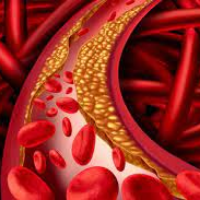
Atherosclerosis Think of a garden hose. It’s fairly flexible and, if it’s clear of dirt, the water passes through it easily. But what happens if gunk starts to stick to the inside of the hose? Water wouldn’t be able to flow through as well. This is similar to what happens when our arteries, which carry oxygen-rich blood to the heart and other parts of the body, become hardened or narrowed. This hardening and narrowing of the arteries – called atherosclerosis – makes it tough for blood to flow through them freely. Atherosclerosis is fairly common, especially as we age. It happens when fats and cholesterol in the blood form plaque. This plaque can build up along the inner lining of the artery walls. If it begins to block the arteries (called Atherosclerotic Cardiovascular Disease , or ASCVD ), it can slow and limit the flow of blood to your organs. When this happens, it can lead to serious problems, including heart attack , stroke , peripheral artery disease , and kidney disease. Many people don’t know they have atherosclerosis until it starts causing health problems. That’s why it’s so important to make healthy choices every day and get regular cholesterol screenings. Doing so can help you prevent problems down the line. Questions to Ask Your Doctor You care team knows what’s best to help support your heart health. Be sure to ask questions about how to prevent or lessen the chance that you will develop a narrowing or hardening of your arteries. Consider asking: What blood vessels can be affected by atherosclerosis? How does it lead to heart attack or stroke? What are the early signs of narrowed or hardened arteries? How can we tell if my arteries are narrowed? Are there changes I can make to live healthier and protect my heart health or slow atherosclerosis? How much do high cholesterol or high blood pressure play a role? Are there medications that can help limit more damage to my arteries? Will I need a procedure to open blocked arteries? Can stress or lack of sleep play a role in the health of my arteries? Understanding Atherosclerosis Atherosclerosis (pronounced a·thr·ow·sklr·ow·suhs) is a thickening or hardening of the arteries that carry oxygen-rich blood to different parts of the body. It happens when fat, cholesterol, calcium and other substances build up along the inside of the artery walls. Over time, atherosclerosis can block or disrupt blood flow through the affected arteries. This can lead to serious problems, including heart attack and stroke. Why Does It Happen? While we don’t have all the answers, when the inner lining of the blood vessels are injured, swelling (inflammation) can occur. Usually a thin layer of cells coat the inside of the arteries to keep the lining smooth (endothelium) so that blood can flow easily throughout the body. But researchers believe that repeated damage to the lining of the blood vessels over time can cause narrowing of the walls of the blood vessels. This may eventually clog arteries. Damage the lining of blood vessels may happen from: Smoking High blood pressure High levels of fats and cholesterol in the blood Diabetes What Increases Your Risk? The exact cause of atherosclerosis isn’t known. But certain traits, habits or conditions (called risk factors) have been linked to a narrowing or hardening of the arteries. These may include: High cholesterol or high triglycerides (a type of fat in the blood) High blood pressure Smoking Lack of exercise Diabetes Being overweight or obese Chronic kidney disease Eating foods high in sodium, sugar, saturated or trans fats Older age Family history: If you have a parent or a sibling with early onset of heart disease (before 55 years old for male relatives and before 65 years old for female relatives) History of early menopause (before age 40) Inflammatory diseases Sleep apnea Signs and Symptoms People don’t usually feel atherosclerosis early on. That’s because it takes time for the arteries to become narrowed enough to cause poor or disrupted blood flow. As plaque builds up in the arteries, symptoms may develop gradually. If an artery – especially a major artery – becomes narrowed or blocked suddenly, you may have symptoms such as chest pain or a heart attack or stroke . Symptoms Vary The symptoms you experience will depend on which arteries are affected. If there is narrowing in the arteries supplying blood to your… You might have: Heart (coronary arteries) · Chest or arm pain, pressure or tightness (angina) · Shortness of breath · Abnormal heartbeat (arrhythmias) · Feeling that you might faint · Stomach upset or vomiting This is also called atherosclerotic coronary artery disease . Without treatment, it might lead to a heart attack . Brain (carotid arteries in your neck) · Weakness or fainting · Numbness in the face, arms or legs · Confusion · Dizziness · Sudden and severe headache · Trouble speaking Without treatment, this might lead to a stroke or mini stroke (transient ischemic attack) Legs, arms or pelvis (peripheral) · Pain in the calves or buttock after walking · Numbness in the feet or toes This is also called peripheral artery disease . Without treatment, it might lead to poor circulation, slow healing of wounds or skin injuries and internal bleeding (abdominal aneurysm). Kidneys · Loss of appetite · Swelling (edema) in your hands or feet · Nausea · Fatigue Without treatment, this might lead to kidney disease or kidney failure. Exams and Tests In addition to your medical history and a complete physical exam, your health care team may perform other tests, order blood work or imaging tests or recommend procedures to look for any narrowing or blockages in your arteries. For example: Electrocardiogram – records the electrical activity of the heart. When hearts are having issues, the electrical signals may get changed or altered which may be an early warning sign. Ultrasound – a type of imaging test that uses sound waves to show how the heart is squeezing and how well the different heart valves are working. Computed tomography (CT) scan – can look for calcium and other deposits in the blood vessels (also called coronary artery calcium scoring or a coronary calcium scan) that can be an early sign of disease in the arteries. Stress test, also called an exercise stress test – shows how your heart works during physical activity Coronary angiogram or Heart Cath – A procedure where a doctor places a catheter (thin flexible tube) in the artery of your wrist or groin and uses X-ray to look at your heart’s arteries to see if they are blocked or narrowed, where and by how much. This test uses a special dye, called contrast. It can help your care team determine if you might need treatment to open an artery. Ankle brachial index (ABI test) – a test to check the circulation or blood flow in your legs (this is to see if you may have a blockage in the blood vessels in your legs that might point to PAD); it involves taking blood pressure in your ankle and arms and comparing them Treatment Your clinician will help you decide on the right treatment for you. Treatments will depend on: Your age Your overall health and other health conditions Which artery (or arteries) are affected, where in the body, and the extent of disease or how much of the artery is blocked (this is often reported as a percentage – for example, 50% or 90% blocked) Your signs and symptoms – how it’s affecting your quality of life Your preferences Making healthy choices every day is the best way to prevent atherosclerosis or slow it down if you already have some narrowing in your arteries. For example: Being more active or getting regular exercise , which can help you feel more fit and control blood sugar, cholesterol and blood pressure levels Eating heart-healthy foods that are low in saturated fats and high in fiber, including fresh fruits and vegetables, whole grains, nuts and seeds Getting to and maintaining a healthy weight Avoiding tobacco Checking and maintaining a healthy blood pressure and cholesterol levels Focus on one change at a time so you don’t feel overwhelmed. Set small goals that are realistic so that you can celebrate successes. For example, if you don’t exercise, challenge yourself to walk for 10 minutes most days; then increase that to 15-minute walks the next week. Treatment may also include: Medications – for example, to lower cholesterol, blood sugar or blood pressure levels; prevent blood clots from forming Procedures or surgery to help improve or restore blood flow to the heart . For example: Percutaneous coronary intervention (PCI) or “stents”, a non-surgical procedure that uses a catheter (a thin flexible tube) to thread and place a small structure called a stent to prop open the affected blood vessel(s) in the heart Coronary artery bypass surgery , also called CABG, is open heart surgery to redirect blood to flow around a section of the narrowed or blocked artery to the heart Source: https://www.cardiosmart.org/topics/atherosclerosis
Atrial Fibrillation (Afib)
Heart Conditions
Atrial Fibrillation (also known as AFib) Under normal circumstances, the human heart pumps to a strong and steady beat—in fact, more than 100,000 heartbeats each day!But if you have atrial fibrillation, or AFib, the heart doesn’t always beat or keep pace the way it should. Many people with AFib say they can feel their heart racing, fluttering or skipping beats.AFib is the most common heart rhythm disorder (arrhythmia). A major concern with AFib is that it also makes blood clots in the heart that can travel and cause strokes or block flow to other critical organs. In fact, people with this condition are 5 times more likely to have a stroke than people without the condition. It can also lead to heart failure. But finding and treating AFib early on can help you avoid these problems. Living With Atrial Fibrillation Living with AFib can affect many different aspects of your life, including your stamina, relationships and emotional health. But taking an active role in your care can help you feel better and more in control. Questions to Ask Your Doctor If you've been diagnosed with atrial fibrillation, there are several key questions that you should ask your heart doctor during your next visit. These questions will ensure that you and your doctor have discussed your major risk factors so that you can become or stay as healthy as possible. Are there any foods I should avoid because of atrial fibrillation? What is causing my atrial fibrillation? What type of atrial fibrillation do I have (e.g., paroxysmal, persistent, permanent)? What kind of activities can I perform and what should I avoid? Is my atrial fibrillation hereditary? Has my heart been weakened by the atrial fibrillation? What medicines should I take to control my heart rate? What medicines can I take to control my heart rhythm? If my heart returns to the normal rhythm, can I stop my blood thinners? Should I have a procedure to restore a normal heartbeat? Do I need blood thinners to avoid a stroke? What kind (e.g., aspirin, warfarin, dabigatran, rivaroxaban)? Will I still feel symptoms even if I am taking medicines for atrial fibrillation? If I take a medicine or have a procedure, what are the odds that it will work? The shock treatment (cardioversion) returned my heart to the normal rhythm but the atrial fibrillation is back. Is there anything I can do? My heartbeat is no longer fast but I still feel tired and short of breath. Is there a next step? Overview Your heart’s electrical system tells your heart when to contract and pump blood to the rest of your body. With AFib, these electrical impulses don’t work the way they should, short-circuiting in a sense. As a result, the heart beats too quickly and irregularly. AFib is sometimes called a quivering heart. That’s because the two upper parts of the heart (called the atria) quiver. When this happens, the normal communication between the upper and lower chambers of the heart is disrupted and becomes very disorganized. Because of this, many people with AFib feel zapped of energy fairly quickly or notice being out of breath simply walking up one flight of stairs. That’s because you may not be getting enough oxygen; the heart isn’t able to squeeze enough nutrient-rich blood out to the body. There are 3 types of AFib: • Paroxysmal: Comes and goes and generally stops on its own. • Persistent: Lasts more than a week and can become permanent. • Permanent: The heart’s normal rhythm can’t be restored. Some cases of AFib are due to a heart valve problem, while some are not. If you have AFib, you’re not alone. It’s the most common type of irregular heartbeat, affecting more than 3 million Americans. If untreated, it can lead to blood clots, stroke and heart failure. Because your heart beat is out of sync, blood can collect in the chambers of the heart. When this happens, blood clots can form and can travel to the brain causing a stroke. Strokes related to AFib tend to be more severe and deadly. Signs and Symptoms Some people with AFib don’t have any symptoms. Those who do may report: Heart palpitation—a thumping or racing heart, fluttering or skipping beats Feeling unusually tired or fatigued Unexplained shortness of breath Dizziness or fainting spells Chest pain (angina) What Increases Your Risk? Several factors make AFib more likely. Older age, although it can happen at any age Conditions that place added strain on the heart including high blood pressure, a previous heart attack, heart surgery, valve disease, heart failure Other illnesses such as obesity, sleep apnea or hyperthyroidism Family history Drinking too much alcohol (routinely having 3 or more drinks a day or binge drinking) Episodes of AFib are often triggered by certain activities. These may include: Heavy alcohol use Too much caffeine or other stimulants Periods of severe stress the stress of the body fighting infection the stress of recent surgery Pay attention to what might make symptoms of AFib worse, so that you can share this information with your health care team. Treatment The good news is that with the right treatment, you can live a good life with AFib. But you need to be in tune with your heart and body. Untreated, atrial fibrillation can lead to blood clots, stroke and other heart-related problems, including heart failure. Your treatment will likely depend on: Your age Your symptoms and the frequency of episodes Whether your heart rate is under control Your risk for stroke (see the CHADS2VASC score to determine your risk and need for anticoagulation) Other medical conditions, including if you already have heart disease Treatment of AFib focuses on lifestyle changes and either rate control or rhythm control . Therapies to prevent blood clots and stroke are also important. Lifestyle changes may include: Eating a heart-healthy diet full of fresh fruits and vegetables, fiber-rich foods, lean meats and fish and unsaturated fats like olive oil Limiting alcohol and caffeine Exercising regularly—aim to get 30 minutes of physical activity most days Managing stress levels Not smoking Taking your medication(s) as directed and managing other conditions In addition to lifestyle changes, treatments often include medications and/or procedures. Medications are used to: Prevent clots from forming or to dissolve an existing clot Restore your heart’s rate or rhythm Medications to prevent or treat blood clots and stroke include: Aspirin Blood thinners/anticoagulants such as warfarin (brand name: Coumadin, Jantoven) , dabigitran (brand: Pradaxa) , rivaroxaban (brand: xarelto) , and apixaban (brand:Eliquis) Talk with your doctor about which blood thinner is right for you. Keep in mind that if you take a blood thinner, you must be very cautious about falls and other accidents that might cause bleeding. There are medicines or antidotes that can reverse the blood-thinning power of warfarin, but no reversal agents exist yet for the newer medications. Read More: Understanding Risks of Stroke and Blood Thinners There may also be dietary restrictions. For example, foods like spinach, kale and other vegetables are rich in vitamin K, which can disrupt the way warfarin works. That’s why you have to be careful to consume the same amount every day if you take warfarin. You also need to have your blood checked frequently when taking this medicine (called your INR/PT ). Heart rhythm controlling medications Rate controlling medications Used to slow the heart rate during AFib May relieve symptoms caused by a fast heart rate Examples include: Beta-blockers Calcium channel blockers Digoxin (brand: Lanoxin) Your treatment may also involve medical procedures such as: Electrical cardioversion —uses low-voltage electrical shock applied to the chest with paddles to restore a normal rhythm Catheter-based ablation —a tube is inserted into a vein in the leg and threaded to the heart to fix the faulty electrical signals Surgical maze —small scar lines are made on the heart, creating a “maze” to prevent or redirect the abnormal beats from controlling the heart. This is done through open heart surgery. Pacemakers or atrial defibrillators—implantable devices that help restore and maintain regular heart rhythm Understanding Risks of Stroke and Blood Thinners If you have atrial fibrillation (AFib), your heart beats irregularly. As a result, your heart has a harder time pumping blood out and to the body. When this happens, blood can pool in the heart and form clots. If a blood clot travels through the bloodstream, it can block a blood vessel in the brain and cause a stroke. Choosing Blood Thinners or Left Atrial Appendage (LAA) Closure For most people with atrial fibrillation, blood thinners lower the risk of stroke. However, blood thinners (also called anticoagulants) can cause bleeding. Some people with a very high risk might consider a procedure called left atrial appendage closure that places a device in the heart to prevent strokes. If you have atrial fibrillation, use this Stroke and Bleeding Risk Calculator together with the decision aids below to help you decide with your care team what treatment is right for you. If you are living with atrial fibrillation and a very high, high, moderate, or low risk of stroke, use the tools in the sections below. Living With Atrial Fibrillation If you have atrial fibrillation (often called AFib), you’re not alone. AFib is the most common type of heart arrhythmia—a problem with the heart’s rhythm. It happens when the electrical signals that help the heart function become chaotic and misfire. You may feel a fluttering sensation in your chest, or your heart might be racing or skipping beats, which can be worrying; although not all people have these signs. Living with AFib can affect many different aspects of your life, including your stamina, relationships and emotional health. But taking an active role in your care can help you feel better and more in control. Source: https://www.cardiosmart.org/topics/atrial-fibrillation
Bradycardia
Heart Conditions
Bradycardia Bradycardia is a medical term for a slow heart rate. Most adult hearts beat between 50 and 100 times per minute at rest. If you have bradycardia, your resting heart rate is slower than usual—beating fewer than 50 times per minute. Bradycardia can be harmless, but in some cases it can be life-threatening. For certain people — mostly young adults and trained athletes—a slow heart rate is normal and doesn’t cause any symptoms or health problems. For others, bradycardia can cause symptoms, such as dizziness or fainting, which should be looked into and treated. That’s when the body isn’t getting the oxygen it needs because the heart’s pumping action is slowed. Keep reading to learn more about bradycardia, how to manage it, and questions to ask your doctor. Questions to Ask Your Doctor Talk with your health care team about your heart's rate, especially if you already have heart disease or you are having symptoms. Here are some questions to help get you started. What are the symptoms of bradycardia? What's causing my slow heart rate? How will we know if bradycardia is affecting my heart's ability to pump enough blood to my body? What treatment would you recommend? What symptoms should I watch out for? If I notice them, when and whom should I call? Do we need to adjust any of my medications? Should we be concerned about sleep apnea? I often feel unrested during the day. Can bradycardia lead to other heart problems? What can I do to protect my heart and prevent further problems? What is Bradycardia? Bradycardia is a type of heart rhythm disorder. It happens when someone's heart rate falls below 50 beats per minute, which is slower than normal. The heart's electrical system controls when the heart contracts and pumps blood out to the body. If you have bradycardia, these signals are sluggish, or they become blocked in some way. Bradycardia can be caused by: Sinus node dysfunction: The heart's natural pacemaker isn't working properly. Heart block: The electrical connection between the upper and the lower chambers of the heart doesn't work as it's supposed to. This causes the lower chamber that pumps blood out of the heart to beat slowly. In some instances, a slow heart rate is normal. For example, being very athletic and physically fit can lead to the heart pumping more efficiently so it doesn't need to beat as many times a minute to meet the body's needs. Your heart also tends to naturally beat more slowly during sleep. Signs and Symptoms For some people, a slow heart rate is normal and never causes any symptoms. But if your heart beats slowly enough that your brain and other organs don't get enough oxygen and nutrients, your body may quickly tell you something is awry. Symptoms may include: Feeling dizzy, weak or lightheaded Fainting Tiring easily Being short of breath, especially with exertion Confusion or difficulty focusing Heart palpitations or flutters Limited ability to exercise Chest pain, which may signal reduced blood flow to the heart Call 911 if you experience: Shortness of breath Pain or pressure in the chest Feeling lightheaded, dizzy or faint It's very important to tell your doctor how you're feeling — even if symptoms are mild. The way a slow heart rate affects your ability to do things will help determine if and when you need a pacemaker or other advanced treatment. These symptoms could also be caused by aging or other medical conditions such as anemia or hypothyroidism (a thyroid that doesn't produce enough thyroid hormone). If untreated, bradycardia can lead to complications, including congestive heart failure, stroke and, in some cases, sudden death. So if you have concerns, speak up. What Increases Your Risk? Many factors can affect how fast or slow your heart beats. For example, your: Age Activity level Sleep (the heart beats slowly during sleep) Imbalance of electrolytes, such as low potassium levels (minerals need to be at the right levels for the body to work properly) You are at greater risk for developing bradycardia if you: Are 65 or older. The heart's electrical system can become damaged as we age, making older people especially prone to slower heart rates. Have some heart disease or heart damage. For example: Coronary artery disease Previous heart attack Issues with how your heart's electrical system is working (left bundle branch block causes a delay in how electrical signals are sent from the upper to lower chambers of the heart) Congenital heart disease (for example, being born with a hole in the heart) Infection (myocarditis) An inflammatory disease that affects cells (sarcoidosis) Have had heart surgery. It can be a complication of some heart procedures (for example, bypass, valve replacement, TAVR and others). Have untreated high blood pressure. Take certain medications. For example, beta-blockers, calcium channel blockers, certain antidepressants. Have other medical conditions. For example, sleep apnea, low thyroid function (hypothyroidism), certain neurologic disorders (epilepsy) or excessive alcohol or recreational drug use. Have family history of a slow heart rate. Research shows that Lyme disease can also affect the heart's electrical system and cause heart block, which may make bradycardia more likely. Talk with your doctor if you: Are over age 65 Know of someone in your family with heart rhythm problems Notice any of these symptoms, even if mild Have noticed a change in your heart rate Suspect you had a tick bite or may have Lyme disease Exams and Tests Bradycardia is most often suspected based on a report of symptoms, by taking your pulse, or both. Your health care provider may recommend additional tests to confirm that you, in fact, have bradycardia. Further tests also can help determine its cause. These tests may include: Electrocardiogram to measure and produce tracings of your heart's electrical activity. However, this test is limited in that you would have to be having an episode of a slow heart rate while the test is being done. Holter monitor (a portable wearable monitor) to record your activity level and heart rhythm, usually worn for 24 to 72 hours. Heart rate monitors on certain wearable smart watches, but talk with your clinician first. Your health team will also consider and try to rule out other conditions that might be contributing to a slower heart rate. For example, sleep apnea — a sleep disorder that results in shallow or pauses in breathing — can cause bradycardia due to a lack of oxygen. Treatment Treatment will depend on how slow your heart rate is, what might be causing it and any complications. In some cases, bradycardia can result in fainting episodes, dangerous falls or even seizures and sudden death due to long pauses between heartbeats. Some people may not need to do anything for their slow heart rate. For others, treatments may include: Treating an underlying condition(s) Adjusting or changing medications that may be causing dips in heart rate. Pacemaker (usually if there is irreversible damage to the heart's electrical system and in older people) Lifestyle changes are key for managing any heart condition. Your goals for treatment matter, too. Be sure to tell your doctor about your values and what you prefer for treatment. Simple Steps to Take Your Pulse It's a good idea to be able to check how many times your heart beats each minute. Here are some quick tips on taking your own pulse. You can also ask your clinician to show you how to take it. Extend one arm with the palm of your hand facing up. Use your first (index) and middle fingers on your other hand to press the inside of your wrist near the base of your thumb (just below the palm of your hand). Press lightly until you can feel the beating of your pulse. If you have trouble finding it, try pressing a little harder or adjust where you are pressing. Once you can feel your pulse consistently, look at a clock and count the number of pulses you feel in 10 seconds. Take that number and multiply it by 6. Remember that your heart rate is affected by what you're doing (for example, resting or exercising). You should ideally rest before taking your pulse. Treatment will depend on how slow your heart rate is, what might be causing it and any complications. In some cases, bradycardia can result in fainting episodes, dangerous falls or even seizures and sudden death due to long pauses between heartbeats. Some people may not need to do anything for their slow heart rate. For others, treatments may include: Treating an underlying condition(s) Adjusting or changing medications that may be causing dips in heart rate. Pacemaker (usually if there is irreversible damage to the heart's electrical system and in older people) Lifestyle changes are key for managing any heart condition. Your goals for treatment matter, too. Be sure to tell your doctor about your values and what you prefer for treatment. Simple Steps to Take Your Pulse It's a good idea to be able to check how many times your heart beats each minute. Here are some quick tips on taking your own pulse. You can also ask your clinician to show you how to take it. Extend one arm with the palm of your hand facing up. Use your first (index) and middle fingers on your other hand to press the inside of your wrist near the base of your thumb (just below the palm of your hand). Press lightly until you can feel the beating of your pulse. If you have trouble finding it, try pressing a little harder or adjust where you are pressing. Once you can feel your pulse consistently, look at a clock and count the number of pulses you feel in 10 seconds. Take that number and multiply it by 6. Remember that your heart rate is affected by what you're doing (for example, resting or exercising). You should ideally rest before taking your pulse. Protect Your Heart Bradycardia is a heart rhythm disorder. In many cases, it can stem from another heart issue or damage to the heart. While there are no specific steps to prevent bradycardia, it's a good idea to keep your heart healthy by: Eating a heart-healthy diet Getting regular exercise Knowing your cholesterol and blood pressure numbers and keep them under control Avoiding smoking and secondhand smoke Limiting alcohol intake Keeping stress levels in check Reporting any changes to your health care providers Bradycardia Bradycardia, or slow heart rate, can be a red flag that the heart's electrical system isn't working as it should. But for some, a slower heart rate is normal. Download the file to view the full infographic. For more information, visit CardioSmart.org/Bradycardia . Download Source: https://www.cardiosmart.org/topics/bradycardia
Cancer Treatment and Your Heart
Heart Conditions
Cancer Treatment and Your Heart Cardio-oncology is a term that describes the efforts to prevent or treat patients with cancer who face heart problems caused by cancer treatments. Although many cancer patients also have health conditions related to lung disease, infections or kidney disease, the rise of cardiac diseases in these patients has led to the growth of this new field. Cardio-oncology involves cancer doctors (oncologists), cardiologists and researchers. Thanks to advances in treatment, the number of cancer survivors has never been greater and is expected to reach more than 20 million in the U.S. by 2026. New therapies are helping patients live longer, but that means they also need ongoing cancer treatments that may damage their hearts. Many of these survivors are at risk for heart disease and now will live long enough after their cancer treatments to develop heart disease. In addition, some cancer medications may damage the heart. New approaches to prevent or manage these side effects are needed, such as: Team-based care from cardiologists and oncologists. Improved methods developed by radiation oncologists to reduce the cardiac side effects of radiation therapy. Drugs to treat cancer are being developed and released at faster rates. Some may damage the heart in new or unexpected ways. Whether due to research limitations or a process to fast-track drugs for life-threatening conditions, it is hard to detect all possible cardiac side effects before the drugs are released. Oncologists and cardiologists familiar with these real-world issues are the ones best suited to find these problems and protect patients. Cardiologists and other specialists in imaging of the heart and blood vessels are developing techniques to catch damage to the heart from cancer treatments earlier. For now, there is no certification of health professionals who have special skill in managing these cardio-oncology problems, but efforts are underway to create a certified training program for the field. Questions to Ask Your Doctor If you've been diagnosed with cancer, there are several key questions about cancer treatment and your heart that you should ask your health care professional during your next visit. These questions will ensure that you and your doctor have talked about major risk factors so that you can stay as healthy as possible. Am I receiving any cancer treatment that could affect my heart either now or in the future? What are my risk factors for developing cardiac side effects from treatment? Is it safe for me to exercise during cancer treatment? How can I quit smoking? How much alcohol is safe for me to drink during or after cancer treatment? Do I need to see a cardiologist or cardio-oncologist during or after cancer treatment? Do you know of any cardio-oncologists in the area? If my cancer treatment could damage my heart, how will my heart be monitored during cancer treatment? I already have heart problems. Do I take all of my heart medication during cancer treatment? What symptoms should I be aware of that could be related to my heart? What You Should Know With nearly 17 million cancer survivors in the United States thanks, in large part, to advances in cancer therapies, there are many reasons to be hopeful. Cancer treatments save lives. But sometimes these same lifesaving treatments can damage your heart and might increase the risk of heart disease—or worsen any heart issues you might have already. Certain cancer treatments can weaken the heart, disrupt the normal heart rhythm, or injure blood vessels or heart valves. They also may make risk factors for heart disease, such as high blood pressure or high cholesterol, more likely. For some people, these heart issues may develop soon after starting cancer treatment. In other cases, they can go undetected for years—perhaps even decades—after being cancer-free. Many cancer survivors are living long enough to experience the effects on their heart health. That’s why it’s so important to think about your heart health before, during and after undergoing cancer therapy. And while there is much excitement about newer cancer therapies, we don’t fully know how they might affect the heart or other organs. The good news? There is more awareness of the heart harms that may be triggered by many cancer therapies than ever before. Research is underway to find ways to lessen or prevent this heart damage Many heart doctors (called cardiologists) are now working alongside cancer doctors (called oncologists) to help keep patients’ hearts healthy during and after cancer treatments Many hospitals and cancer centers have opened cardio-oncology clinics that focus on integrating cardiovascular health as a part of cancer care Ask your oncologist or primary care doctor whether you should see a cardiologist. What is a Cardio-Oncologist? Cardio-oncology is a new field in cardiology. Cardio-oncologists are typically cardiologists who see cancer survivors or patients getting cancer treatment who develop side effects that affect the heart. Cardio-oncologists have a special interest in and knowledge about cardiac side effects of chemotherapy, targeted therapy and radiation to treat cancer. Since it is a fairly new field in cardiology, many U.S. cities do not yet have cardio-oncologists. If you are having symptoms that you think could involve your heart, talk to your cancer doctor (oncologist) or primary care doctor. If your doctors are concerned, they can refer you to a cardiologist or a cardio-oncologist. Make sure to learn about what side effects can be caused by your cancer treatment. That way you can help to inform your health care team. How Do I Find a Cardio-Oncologist? You may find a cardio-oncologist at many academic medical centers and other centers across the United States. Searching the department of cardiology website of the medical school nearest you can help you find a cardio-oncologist. Also, ask your cancer doctor as he or she may know a cardio-oncologist in the area. Your Heart Matters Too If you or a loved one has faced cancer, you know it can be very overwhelming. Frequent cancer treatments can be grueling, and cancer can take a serious emotional and financial toll. There’s a lot to consider, and managing your heart health during and after cancer treatment is very important, too. Keep in mind that not all cancer treatments cause heart problems, and not everyone who receives cancer therapies will end up having heart troubles. Still, you should: Discuss your heart health with your care team Ask whether the cancer treatments you’ve had—or expect to receive—can affect your heart and in what ways Keep a record of what cancer treatments you have received and when Live a heart-healthy lifestyle by keeping an eye on your diet, physical activity and blood pressure and cholesterol levels Ask if you need regular heart checkups after treatment, and how often It's important to learn more about how cancer treatments can affect the heart and strategies to stay on top of your heart health before, during and after undergoing cancer therapy. “Not every person who has been treated with cancer therapies that can affect the heart is going to develop heart disease. But whether you have heart disease when you find out you have cancer or not, it’s good to be aware of possible effects on your heart. That will help you ask the right questions.”— Martha Gulati, MD, FACC, and CardioSmart editor-in-chief Cancer and Heart Health Not everyone who undergoes cancer treatment will develop a heart problem. Still, if you or a loved one has cancer or a history or cancer, it’s important to be aware of the connection and to ask questions about your heart health, too. Here’s why. People with cancer need lifesaving cancer treatments, some of which can damage the heart and blood vessels. It’s important to remember that these heart diseases can be managed with the help of the right health care team. Be sure to discuss specific cancer therapies or combinations of therapies with your care team so that you understand the potential side effects and work with your doctor to make informed decisions. Many people already have risk factors for heart or blood vessel disease when they find out they have cancer. These can make treatment-related heart problems even more likely. Risk factors are conditions or behaviors that increase your chance of heart problems. For example, type 2 diabetes, high cholesterol, high blood pressure, smoking, or being overweight are considered risk factors for heart disease. Heart issues may appear years—even decades—after cancer treatment ends. Some cancer therapies set the stage for heart disease to develop later in life. This is potentially because of earlier injury or scarring to the heart muscle, lining of the blood vessels or valves. When undergoing cancer treatment, physical and emotional health can decline too. Coping with cancer can be overwhelming. Treatments, including surgery and cancer-fighting medicines, coupled with prolonged recovery times can mean lost muscle mass and decreased fitness. These effects can tax your body and heart. Ask what you can do to get back to some level of activity when you are ready. It may also help brighten your spirits. Cancer itself can also make certain heart problems more likely. There is overlap between the risk factors for cancer and the risk factors for heart disease. For example, smoking is a risk factor for both diseases. Moreover, cancer can increase one’s risk of blood clots, which can lead to stroke and other complications Researchers are also discovering many cancers and heart problems may be more connected than previously thought. Whether your heart will be harmed depends on how healthy your heart is going into treatment, your age and which cancer therapies you receive. However, even people who are young and fit can have heart issues with some of the treatments that are used, so be sure to talk with your care team. Your doctor may want to measure your heart function before you start cancer therapy. This is done with an echocardiogram, an imaging test that shows moving pictures of your heart and how it is working. Echocardiograms, other heart tests and bloodwork can also be used during and after treatment to check for early signs of heart failure, injury to the heart or both. Cancer Treatments Linked to Heart Problems Only certain cancer therapies are linked to heart troubles. These may include: Radiation therapy, especially when given to the chest because it’s so close to the heart Certain chemotherapy medicines, particularly anthracycline-based chemotherapy, though the amount used today is less than that used in previous decades Certain targeted therapies or newer immunotherapy drugs Other factors can play a role in how likely someone is to develop heart troubles as a side effect of their cancer treatments. For example, if you: Already have heart disease—that is, before finding out you have cancer Have risk factors for heart disease—such as high cholesterol, high blood pressure, diabetes, being overweight or smoking Older age Receive higher doses of chemotherapy or radiation therapy Are on more than one treatment known to have damaging effects on the heart (for example, chest radiation therapy in addition to an anthracycline-based chemotherapy and trastuzumab) What You Can Do Taking charge of your heart health during and after cancer treatment is an important part of your cancer survivorship journey. Know and write down any cancer treatments you receive. Record the name of the therapy, amount (dose) and how long the treatment lasted. Ask which, if any, have been linked to heart issues. Keep a health binder or folder so you won’t forget. Your personal history of cancer should be part of any discussions you have with your care team about your cardiovascular health. That means sharing which cancer treatments you’ve had and listing these along with things like high blood pressure, cholesterol, diabetes, smoking and family history. Ask about heart checks and go to follow-up visits. For some people, routine monitoring with bloodwork, echocardiograms or other tests may be needed to help pick up on changes in heart function or early signs of damage. Noticing these changes, if any, will help signal whether you need to act. Know what signs to watch for to catch any heart problems early on. Trust your gut. You know your body best, so if you feel something just isn't right—if you have trouble breathing or feel unusually tired or sluggish—tell your doctor and remind your care team about your cancer history, too. Some people don’t develop heart problems for many years after finishing cancer treatment. Manage other conditions known to lead to heart disease. For example, high cholesterol, high blood pressure, diabetes, and tobacco use. Make lifestyle changes that support your heart health. Find ways to: Your needs and concerns may change over time. Talk about your concerns and feelings related to surviving cancer and also making sure your heart stays as healthy as possible, too. Radiation and Heart Disease Being told you have cancer is a life-changing experience for most patients and leads to many new concerns such as: What is my prognosis ? What are my treatment options? How will my life be different with cancer? How am I going to share this news with my loved ones? Typically, concerns about the potential impact of cancer treatment on the heart are not among the first that come to mind. However, some patients with cancer may receive radiation therapy to the chest area, and these patients should be aware of the side effects that radiation therapy may cause to the heart. These potential adverse effects are known as radiation cardiotoxicity . Radiation cardiotoxicity may affect the heart in various ways and at any time. Some conditions develop during or soon after treatment. Others become apparent years, or even decades, after treatment. The specific adverse effects depend on which area of the heart is affected, such as injury to the heart muscle, the heart lining, or blood vessels. Examples of the conditions that may develop include cardiomyopathy, coronary artery disease, and heart rhythm problems. Radiation treatment can be delivered using several methods. The specifics of your treatment will influence your risk of developing radiation cardiotoxicity. In addition, many other factors may increase or decrease your risk, including age, additional cancer treatments, and other heart risk factors. Your oncologist (cancer doctor), radiation oncologist (radiation doctor), or cardiologist (heart doctor) will help you understand your unique risk from radiation. Use this condition center to learn more about radiation cardiotoxicity, radiation techniques, and tips for healthy living after cancer treatment. Fluoropyrimidine Chemotherapy Treatment with 5-fluorouracil (5FU) or capecitabine Treatment using drugs to kill cancer cells is called chemotherapy. More than 100 chemotherapy drugs are used in cancer treatments. If you have cancer, your treatment will depend on the type of cancer you have and how far it has progressed. While your treatment will target the cancer cells, sometimes it also may cause heart problems. Although these heart side effects are rare, it’s important to understand and be aware of them. Chemotherapy with fluoropyrimidine, which includes 5-fluorouracil (5FU) and capecitabine, may be used to treat solid tumors such as those involving your stomach and intestine (gastrointestinal), breast, or head and neck. These medicines belong to a type of chemotherapy called antineoplastic or antimetabolite, which describes how they work on cancer cells. The drugs stop cancer cells from forming DNA—which contains genetic information—and growing. This chemotherapy is often well tolerated, but you can have side effects depending on other medications you are taking. Your health history including age, risk factors for heart disease, and other chemotherapy treatments can also play a role in whether you develop complications. The most common side effects with this chemotherapy are fatigue, nausea, diarrhea and lab abnormalities. It also can cause heart side effects including chest pain, spasm of the heart arteries or irregular heart rhythms, which can be felt as palpitations. Use this condition center to learn more about damage to your heart, also called cardiotoxicity, from chemotherapy using 5-fluorouracil or capecitabine. Breast Cancer and Your Heart Finding out that you have breast cancer can be overwhelming. As a person newly diagnosed with the condition, you may have several questions. A common concern relates to cancer treatments and their side effects: How will they impact your life over the following days, months and years? Breast cancer treatment depends on the type of breast cancer you have as well as the stage, or progression, of the disease. Often, breast cancer treatment will involve a combination of different therapies: Surgery Radiation therapy Chemotherapy Hormonal therapy Targeted therapies About 20% of patients diagnosed with breast cancer will have a specific type of tumor called HER2-positive breast cancer (breast tumors with high levels of a protein called human epidermal growth factor 2, or HER2). Treatment of HER2-positive breast cancer involves medications that target HER2, also called HER2-targeted therapies. Ask your provider about the HER2 status of your tumor and whether HER2-targeted therapy is an option for you. Use this condition center to learn more about targeted therapy for breast cancer and how it can affect your heart. Prostate Cancer and Your Heart If you have prostate cancer , hormone therapy may be part of your treatment. Stopping some hormones can prevent the growth of cancer cells. Androgen deprivation therapy (ADT) includes surgery or medicines that aim to block the effects of male hormones such as testosterone—called androgens—that can cause cancer cells to grow and spread. This therapy can make developing cardiovascular disease (heart and blood vessel problems) more likely. It also can make existing heart disease worse. Use this resource to learn how hormone therapy can affect your heart, how to prevent heart disease, and questions to ask your doctor. Anti-Angiogenic Therapies To survive and grow, cancer tumors depend on blood vessels supplying oxygen and nutrition. The growth of blood vessels, which is called angiogenesis, also helps cancer tumors spread to other areas of the body. That is why cancer treatment often includes therapies to block the growth of blood vessels. These agents are also known as anti-angiogenic therapies. Targeted therapies to block growth of new blood vessels include: Monoclonal antibodies (mAbs): These drugs attach and block those proteins that help blood vessels grow. Tyrosine kinase inhibitors (TKIs): These drugs block the action of enzymes known as tyrosine kinases, which help cells grow, divide, and send and receive signals. Monoclonal antibodies and certain tyrosine kinase inhibitors that block the growth of blood vessels are called vascular endothelial growth factor inhibitors (VEGF inhibitors) . VEGF inhibitors block the signals causing abnormal growth of blood vessels and to prevent oxygen and nutrients from reaching the cancer cells. At the same time, it is important to know that VEGF inhibitors also can affect healthy cells. Use this condition center to learn how anti-angiogenic therapies can affect your heart and what you can do to prevent developing heart disease. Cancer Treatment and Exercise You may have been given medicine or therapies that target your cancer cells, but did you know that some cancer treatments also can damage your heart and blood vessels? This is called cardiotoxicity. The most common forms of cardiotoxicity include: Cardiomyopathy and heart failure (heart muscle is damaged so that it can’t pump or receive blood normally) Coronary artery disease (major sources of blood supply to the heart are damaged) Your risk of cardiotoxicity depends on the treatments you receive (type and dosage). It also depends on certain risk factors — some of which you can’t control, and some you can. Risk factors that can’t be controlled include your sex, age, and family history. Some examples of controllable risk factors are inactivity, obesity, and smoking. You are more likely to develop cardiotoxicity after a cancer diagnosis if you: Are overweight Smoke Have diabetes, high blood pressure or high cholesterol Don’t exercise regularly Already have heart disease The good news is that exercise can help control your risks. Use this condition center to learn about the benefits of exercise for patients with cancer, what questions you should ask your care team, and how to get started. Source: https://www.cardiosmart.org/topics/cancer-treatment-and-your-heart
Cardiac Rehabilitation
Heart Conditions
Cardiac Rehabilitation Have you ever wondered what it might be like to have your own personal coach and cheerleader—someone to help you live a more active and healthful life, and make it a priority? In many ways, this is what cardiac rehabilitation (cardiac rehab) programs do for people recovering from certain heart-related conditions and procedures. How? Among other things, cardiac rehab offers one-on-one supervised exercise regimens, practical advice for heart-healthy eating and reducing stress, and support for managing medications, smoking cessation and other heart risk factors. Studies of this three-month medically supervised program consistently show the advantages. Cardiac rehab helps participants feel better, live a heart-healthier lifestyle and regain strength. It can also help prevent future cardiac events—even death. Yet many people who could benefit don’t. Why? First, patients may not be referred to a cardiac rehab program. Second, even when they are referred, they may not go. A recent study found that 1 in 3 patients who are eligible don’t receive a referral to cardiac rehab from their doctor, and only 1 in 4 patients referred actually went. So there is a big gap in accessing cardiac rehab programs. Be sure to ask about cardiac rehab and take advantage of it if you can. Read on to find out more about this program, who should enroll and what to expect. Questions to Ask Your Doctor Ask your care team about cardiac rehab, whether you might benefit and how it fits with your overall treatment plan. Below are some questions that may help: Do I qualify for cardiac rehab? Which program would you recommend based on my condition/recovery? What will I get out of this program? Are there any things about my medical history that I should share with the rehab team? How is the progress I make in cardiac rehab relayed to my cardiologist or primary care doctor? What’s the most important change I can make in my diet? Should I lose weight? How much? Will the rehab team help me set initial goals for weight-loss? What’s the right type and amount of exercise for me? What is my exercise prescription during cardiac rehab and when I leave cardiac rehab? When might I notice an improvement in my ability to exercise? Is there a counselor or social worker I can talk to about managing stress and how to live well with my condition? How can I build on the progress I make in cardiac rehab after I complete the program? What is Cardiac Rehabilitation Cardiac rehab is a supervised exercise program that also provides education about nutrition, medication use and general lifestyle choices to help patients strengthen their hearts and lead healthier lives. Your therapy team will work with you to tailor a program that fits your life and needs. The main goal of any cardiac rehabilitation program is to lower the likelihood of future heart problems or related death. And as many people who’ve participated these programs can attest, it can help you feel better physically and emotionally and give you greater control over your health. Through the program, you will learn how to: Improve your physical fitness and exercise safely Adopt a heart-healthy diet Manage other cardiovascular risk factors Keep up with and follow your treatment plan Focus on your emotional health and the importance of staying engaged socially “Cardiac rehab helps you make heart-healthy changes in your daily life and the rehab team gives guidance and encouragement to help you stay on course.” —Dr. Kameswari Maganti, Director of Cardiac Rehabilitation, Feinberg Pavilion, Northwestern University How Can Cardiac Rehab Help? Cardiac rehab can be lifesaving for many people. It can help to prevent future heart problems, cardiac events and related deaths. According to studies, people who go to cardiac rehab have up to 30% fewer fatal heart events, and are 25% less likely to die compared with people who get standard therapy alone. They also can lower their chance of a second heart attack or heart surgery. People who enroll in this program typically have more success when it comes to controlling other cardiovascular risk factors (for example, high blood pressure or cholesterol). That’s because cardiac rehab programs are comprehensive, focusing on the whole patient and equipping him or her with the tools and information needed to make long-term health changes possible. Other benefits include: Less chest pain and, in some cases, less need for medications to treat it Preventing future hospital stays Weight loss Better nutrition and the know-how to make heart-healthy choices Reduced stress and greater emotional well-being Tips to Get the Most Out of Cardiac Rehab Ask for a referral. Find out if you are eligible for cardiac rehab and if it is recommended for you. Enroll . If your doctor gives you a prescription to participate in cardiac rehab, make sure you go. It’s one of the best ways to improve your heart health and make the most gains after a cardiac event. Make it a standing date with yourself . Cardiac rehab is an investment in your future health, so make it a priority. Adding two or three appointments to an already busy week can be hard, especially if you have to keep up with demands at work and home. Try to schedule your sessions when you know you can get there, and at times when it will be the least disruptive. Learn all you can . The old adage “knowledge is power” is especially true when managing a chronic health issue. Your rehab team can help you understand your condition, your limits and what medications and lifestyle changes you need to keep you feeling good and hopefully prevent a future problem or hospital visit. Lean on them as a resource and ask questions. Set goals together. Work with your rehab team to set goals that are realistic for you and that you feel good about. It’s easier to stick with an exercise program if you find activities you enjoy and that are safe for you. Express your concerns. Let your doctor or rehab team know if there is something that is hindering your ability to get the most from your rehabilitation. This will help you reach your goals. Keep at it. After you complete the program, you may choose to continue cardiac rehab on your own or with your peers. This is called Phase 3 Cardiac Rehabilitation and more often than not, will not be covered by your insurance. But it may cost less than a gym membership and many cardiac rehabilitation programs offer this as an option to continue your exercise program lifelong. Remember, this is meant to help support positive, lifelong changes. Cardiac rehab is a supervised exercise program that also provides education about nutrition, medication use and general lifestyle choices to help patients strengthen their hearts and lead healthier lives. Your therapy team will work with you to tailor a program that fits your life and needs. The main goal of any cardiac rehabilitation program is to lower the likelihood of future heart problems or related death. And as many people who’ve participated these programs can attest, it can help you feel better physically and emotionally and give you greater control over your health. Through the program, you will learn how to: Improve your physical fitness and exercise safely Adopt a heart-healthy diet Manage other cardiovascular risk factors Keep up with and follow your treatment plan Focus on your emotional health and the importance of staying engaged socially “Cardiac rehab helps you make heart-healthy changes in your daily life and the rehab team gives guidance and encouragement to help you stay on course.” —Dr. Kameswari Maganti, Director of Cardiac Rehabilitation, Feinberg Pavilion, Northwestern University More Information WomenHeart.org http://www.womenheart.org/?page=support_rehab Million Hearts http://millionhearts.hhs.gov National Heart, Lung and Blood Institute www.nhlbi.nih.gov Source: https://www.cardiosmart.org/topics/cardiac-rehabilitation
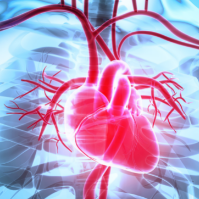
Cardio Oncology
Heart Conditions
Cardio-Oncology Cardio-oncology is a term that describes the efforts to prevent or treat patients with cancer who face heart problems caused by cancer treatments. Although many cancer patients also have health conditions related to lung disease, infections or kidney disease, the rise of cardiac diseases in these patients has led to the growth of this new field. Cardio-oncology involves cancer doctors (oncologists), cardiologists and researchers. Thanks to advances in treatment, the number of cancer survivors has never been greater and is expected to reach more than 20 million in the U.S. by 2026. New therapies are helping patients live longer, but that means they also need ongoing cancer treatments that may damage their hearts. Many of these survivors are at risk for heart disease and now will live long enough after their cancer treatments to develop heart disease. In addition, some cancer medications may damage the heart. New approaches to prevent or manage these side effects are needed, such as: Team-based care from cardiologists and oncologists. Improved methods developed by radiation oncologists to reduce the cardiac side effects of radiation therapy. Drugs to treat cancer are being developed and released at faster rates. Some may damage the heart in new or unexpected ways. Whether due to research limitations or a process to fast-track drugs for life-threatening conditions, it is hard to detect all possible cardiac side effects before the drugs are released. Oncologists and cardiologists familiar with these real-world issues are the ones best suited to find these problems and protect patients. Cardiologists and other specialists in imaging of the heart and blood vessels are developing techniques to catch damage to the heart from cancer treatments earlier. For now, there is no certification of health professionals who have special skill in managing these cardio-oncology problems, but efforts are underway to create a certified training program for the field. Questions to Ask Your Doctor If you've been diagnosed with cancer, there are several key questions about cancer treatment and your heart that you should ask your health care professional during your next visit. These questions will ensure that you and your doctor have talked about major risk factors so that you can stay as healthy as possible. Am I receiving any cancer treatment that could affect my heart either now or in the future? What are my risk factors for developing cardiac side effects from treatment? Is it safe for me to exercise during cancer treatment? How can I quit smoking? How much alcohol is safe for me to drink during or after cancer treatment? Do I need to see a cardiologist or cardio-oncologist during or after cancer treatment? Do you know of any cardio-oncologists in the area? If my cancer treatment could damage my heart, how will my heart be monitored during cancer treatment? I already have heart problems. Do I take all of my heart medication during cancer treatment? What symptoms should I be aware of that could be related to my heart? What You Should Know With nearly 17 million cancer survivors in the United States thanks, in large part, to advances in cancer therapies, there are many reasons to be hopeful. Cancer treatments save lives. But sometimes these same lifesaving treatments can damage your heart and might increase the risk of heart disease—or worsen any heart issues you might have already. Certain cancer treatments can weaken the heart, disrupt the normal heart rhythm, or injure blood vessels or heart valves. They also may make risk factors for heart disease, such as high blood pressure or high cholesterol, more likely. For some people, these heart issues may develop soon after starting cancer treatment. In other cases, they can go undetected for years—perhaps even decades—after being cancer-free. Many cancer survivors are living long enough to experience the effects on their heart health. That’s why it’s so important to think about your heart health before, during and after undergoing cancer therapy. And while there is much excitement about newer cancer therapies, we don’t fully know how they might affect the heart or other organs. The good news? There is more awareness of the heart harms that may be triggered by many cancer therapies than ever before. Research is underway to find ways to lessen or prevent this heart damage Many heart doctors (called cardiologists) are now working alongside cancer doctors (called oncologists) to help keep patients’ hearts healthy during and after cancer treatments Many hospitals and cancer centers have opened cardio-oncology clinics that focus on integrating cardiovascular health as a part of cancer care Ask your oncologist or primary care doctor whether you should see a cardiologist. Your Heart Matters Too If you or a loved one has faced cancer, you know it can be very overwhelming. Frequent cancer treatments can be grueling, and cancer can take a serious emotional and financial toll. There’s a lot to consider, and managing your heart health during and after cancer treatment is very important, too. Keep in mind that not all cancer treatments cause heart problems, and not everyone who receives cancer therapies will end up having heart troubles. Still, you should: Discuss your heart health with your care team Ask whether the cancer treatments you’ve had—or expect to receive—can affect your heart and in what ways Keep a record of what cancer treatments you have received and when Live a heart-healthy lifestyle by keeping an eye on your diet, physical activity and blood pressure and cholesterol levels Ask if you need regular heart checkups after treatment, and how often It's important to learn more about how cancer treatments can affect the heart and strategies to stay on top of your heart health before, during and after undergoing cancer therapy. “Not every person who has been treated with cancer therapies that can affect the heart is going to develop heart disease. But whether you have heart disease when you find out you have cancer or not, it’s good to be aware of possible effects on your heart. That will help you ask the right questions.”— Martha Gulati, MD, FACC, and CardioSmart editor-in-chief. Cancer and Heart Health Not everyone who undergoes cancer treatment will develop a heart problem. Still, if you or a loved one has cancer or a history or cancer, it’s important to be aware of the connection and to ask questions about your heart health, too. Here’s why. People with cancer need lifesaving cancer treatments, some of which can damage the heart and blood vessels. It’s important to remember that these heart diseases can be managed with the help of the right health care team. Be sure to discuss specific cancer therapies or combinations of therapies with your care team so that you understand the potential side effects and work with your doctor to make informed decisions. Many people already have risk factors for heart or blood vessel disease when they find out they have cancer. These can make treatment-related heart problems even more likely. Risk factors are conditions or behaviors that increase your chance of heart problems. For example, type 2 diabetes, high cholesterol, high blood pressure, smoking, or being overweight are considered risk factors for heart disease. Heart issues may appear years—even decades—after cancer treatment ends. Some cancer therapies set the stage for heart disease to develop later in life. This is potentially because of earlier injury or scarring to the heart muscle, lining of the blood vessels or valves. When undergoing cancer treatment, physical and emotional health can decline too. Coping with cancer can be overwhelming. Treatments, including surgery and cancer-fighting medicines, coupled with prolonged recovery times can mean lost muscle mass and decreased fitness. These effects can tax your body and heart. Ask what you can do to get back to some level of activity when you are ready. It may also help brighten your spirits. Cancer itself can also make certain heart problems more likely. There is overlap between the risk factors for cancer and the risk factors for heart disease. For example, smoking is a risk factor for both diseases. Moreover, cancer can increase one’s risk of blood clots, which can lead to stroke and other complications Researchers are also discovering many cancers and heart problems may be more connected than previously thought. Whether your heart will be harmed depends on how healthy your heart is going into treatment, your age and which cancer therapies you receive. However, even people who are young and fit can have heart issues with some of the treatments that are used, so be sure to talk with your care team. Your doctor may want to measure your heart function before you start cancer therapy. This is done with an echocardiogram, an imaging test that shows moving pictures of your heart and how it is working. Echocardiograms, other heart tests and bloodwork can also be used during and after treatment to check for early signs of heart failure, injury to the heart or both. Cancer Treatments Linked to Heart Problems Only certain cancer therapies are linked to heart troubles. These may include: Radiation therapy, especially when given to the chest because it’s so close to the heart Certain chemotherapy medicines, particularly anthracycline-based chemotherapy, though the amount used today is less than that used in previous decades Certain targeted therapies or newer immunotherapy drugs Other factors can play a role in how likely someone is to develop heart troubles as a side effect of their cancer treatments. For example, if you: Already have heart disease—that is, before finding out you have cancer Have risk factors for heart disease—such as high cholesterol, high blood pressure, diabetes, being overweight or smoking Older age Receive higher doses of chemotherapy or radiation therapy Are on more than one treatment known to have damaging effects on the heart (for example, chest radiation therapy in addition to an anthracycline-based chemotherapy and trastuzumab). What You Can Do Taking charge of your heart health during and after cancer treatment is an important part of your cancer survivorship journey. Know and write down any cancer treatments you receive. Record the name of the therapy, amount (dose) and how long the treatment lasted. Ask which, if any, have been linked to heart issues. Keep a health binder or folder so you won’t forget. Your personal history of cancer should be part of any discussions you have with your care team about your cardiovascular health. That means sharing which cancer treatments you’ve had and listing these along with things like high blood pressure, cholesterol, diabetes, smoking and family history. Ask about heart checks and go to follow-up visits. For some people, routine monitoring with bloodwork, echocardiograms or other tests may be needed to help pick up on changes in heart function or early signs of damage. Noticing these changes, if any, will help signal whether you need to act. Know what signs to watch for to catch any heart problems early on. Trust your gut. You know your body best, so if you feel something just isn't right—if you have trouble breathing or feel unusually tired or sluggish—tell your doctor and remind your care team about your cancer history, too. Some people don’t develop heart problems for many years after finishing cancer treatment. Manage other conditions known to lead to heart disease. For example, high cholesterol, high blood pressure, diabetes, and tobacco use. Make lifestyle changes that support your heart health. Find ways to: Your needs and concerns may change over time. Talk about your concerns and feelings related to surviving cancer and also making sure your heart stays as healthy as possible, too. Additional Questions to Ask It is important to talk with your health care team about how you are feeling and share concerns along the way. Questions to ask: Will any cancer treatments I receive harm my heart? What types of heart problems should we be watching for during or after cancer treatment? Are there certain signs and symptoms I need to report? What steps can be taken to lower the chance that these treatments will do lasting damage to my heart? Should I be seeing a cardiologist or cardio-oncologist? Do we need to be more aggressive in trying to control other risk factors I have for heart disease? Are there heart medications I should be taking? How will my heart function be checked over time? Does the damage from certain cancer treatments improve over time? How? Should I discuss my cancer history when talking about my general heart health with my doctors in the future? Can you provide a complete list of treatments I received for my cancer? Radiation and Heart Disease Being told you have cancer is a life-changing experience for most patients and leads to many new concerns such as: What is my prognosis ? What are my treatment options? How will my life be different with cancer? How am I going to share this news with my loved ones? Typically, concerns about the potential impact of cancer treatment on the heart are not among the first that come to mind. However, some patients with cancer may receive radiation therapy to the chest area, and these patients should be aware of the side effects that radiation therapy may cause to the heart. These potential adverse effects are known as radiation cardiotoxicity . Radiation cardiotoxicity may affect the heart in various ways and at any time. Some conditions develop during or soon after treatment. Others become apparent years, or even decades, after treatment. The specific adverse effects depend on which area of the heart is affected, such as injury to the heart muscle, the heart lining, or blood vessels. Examples of the conditions that may develop include cardiomyopathy, coronary artery disease, and heart rhythm problems. Radiation treatment can be delivered using several methods. The specifics of your treatment will influence your risk of developing radiation cardiotoxicity. In addition, many other factors may increase or decrease your risk, including age, additional cancer treatments, and other heart risk factors. Your oncologist (cancer doctor), radiation oncologist (radiation doctor), or cardiologist (heart doctor) will help you understand your unique risk from radiation. Use this condition center to learn more about radiation cardiotoxicity, radiation techniques, and tips for healthy living after cancer treatment. Fluoropyrimidine Chemotherapy Treatment with 5-fluorouracil (5FU) or capecitabine Treatment using drugs to kill cancer cells is called chemotherapy. More than 100 chemotherapy drugs are used in cancer treatments. If you have cancer, your treatment will depend on the type of cancer you have and how far it has progressed. While your treatment will target the cancer cells, sometimes it also may cause heart problems. Although these heart side effects are rare, it’s important to understand and be aware of them. Chemotherapy with fluoropyrimidine, which includes 5-fluorouracil (5FU) and capecitabine, may be used to treat solid tumors such as those involving your stomach and intestine (gastrointestinal), breast, or head and neck. These medicines belong to a type of chemotherapy called antineoplastic or antimetabolite, which describes how they work on cancer cells. The drugs stop cancer cells from forming DNA—which contains genetic information—and growing. This chemotherapy is often well tolerated, but you can have side effects depending on other medications you are taking. Your health history including age, risk factors for heart disease, and other chemotherapy treatments can also play a role in whether you develop complications. The most common side effects with this chemotherapy are fatigue, nausea, diarrhea and lab abnormalities. It also can cause heart side effects including chest pain, spasm of the heart arteries or irregular heart rhythms, which can be felt as palpitations. Use this condition center to learn more about damage to your heart, also called cardiotoxicity, from chemotherapy using 5-fluorouracil or capecitabine. Breast Cancer and Your Heart Finding out that you have breast cancer can be overwhelming. As a person newly diagnosed with the condition, you may have several questions. A common concern relates to cancer treatments and their side effects: How will they impact your life over the following days, months and years? Breast cancer treatment depends on the type of breast cancer you have as well as the stage, or progression, of the disease. Often, breast cancer treatment will involve a combination of different therapies: Surgery Radiation therapy Chemotherapy Hormonal therapy Targeted therapies About 20% of patients diagnosed with breast cancer will have a specific type of tumor called HER2-positive breast cancer (breast tumors with high levels of a protein called human epidermal growth factor 2, or HER2). Treatment of HER2-positive breast cancer involves medications that target HER2, also called HER2-targeted therapies. Ask your provider about the HER2 status of your tumor and whether HER2-targeted therapy is an option for you. Use this condition center to learn more about targeted therapy for breast cancer and how it can affect your heart. Prostate Cancer and Your Heart If you have prostate cancer , hormone therapy may be part of your treatment. Stopping some hormones can prevent the growth of cancer cells. Androgen deprivation therapy (ADT) includes surgery or medicines that aim to block the effects of male hormones such as testosterone—called androgens—that can cause cancer cells to grow and spread. This therapy can make developing cardiovascular disease (heart and blood vessel problems) more likely. It also can make existing heart disease worse. Use this resource to learn how hormone therapy can affect your heart, how to prevent heart disease, and questions to ask your doctor. Anti-Angiogenic Therapies To survive and grow, cancer tumors depend on blood vessels supplying oxygen and nutrition. The growth of blood vessels, which is called angiogenesis, also helps cancer tumors spread to other areas of the body. That is why cancer treatment often includes therapies to block the growth of blood vessels. These agents are also known as anti-angiogenic therapies. Targeted therapies to block growth of new blood vessels include: Monoclonal antibodies (mAbs): These drugs attach and block those proteins that help blood vessels grow. Tyrosine kinase inhibitors (TKIs): These drugs block the action of enzymes known as tyrosine kinases, which help cells grow, divide, and send and receive signals. Monoclonal antibodies and certain tyrosine kinase inhibitors that block the growth of blood vessels are called vascular endothelial growth factor inhibitors (VEGF inhibitors) . VEGF inhibitors block the signals causing abnormal growth of blood vessels and to prevent oxygen and nutrients from reaching the cancer cells. At the same time, it is important to know that VEGF inhibitors also can affect healthy cells. Use this condition center to learn how anti-angiogenic therapies can affect your heart and what you can do to prevent developing heart disease. Cancer Treatment and Exercise You may have been given medicine or therapies that target your cancer cells, but did you know that some cancer treatments also can damage your heart and blood vessels? This is called cardiotoxicity. The most common forms of cardiotoxicity include: Cardiomyopathy and heart failure (heart muscle is damaged so that it can’t pump or receive blood normally) Coronary artery disease (major sources of blood supply to the heart are damaged) Your risk of cardiotoxicity depends on the treatments you receive (type and dosage). It also depends on certain risk factors — some of which you can’t control, and some you can. Risk factors that can’t be controlled include your sex, age, and family history. Some examples of controllable risk factors are inactivity, obesity, and smoking. You are more likely to develop cardiotoxicity after a cancer diagnosis if you: Are overweight Smoke Have diabetes, high blood pressure or high cholesterol Don’t exercise regularly Already have heart disease The good news is that exercise can help control your risks. Use this condition center to learn about the benefits of exercise for patients with cancer, what questions you should ask your care team, and how to get started. What is a Cardio-Oncologist? Cardio-oncology is a new field in cardiology. Cardio-oncologists are typically cardiologists who see cancer survivors or patients getting cancer treatment who develop side effects that affect the heart. Cardio-oncologists have a special interest in and knowledge about cardiac side effects of chemotherapy, targeted therapy and radiation to treat cancer. Since it is a fairly new field in cardiology, many U.S. cities do not yet have cardio-oncologists. If you are having symptoms that you think could involve your heart, talk to your cancer doctor (oncologist) or primary care doctor. If your doctors are concerned, they can refer you to a cardiologist or a cardio-oncologist. Make sure to learn about what side effects can be caused by your cancer treatment. That way you can help to inform your health care team. How Do I Find a Cardio-Oncologist? You may find a cardio-oncologist at many academic medical centers and other centers across the United States. Searching the department of cardiology website of the medical school nearest you can help you find a cardio-oncologist. Also, ask your cancer doctor as he or she may know a cardio-oncologist in the area. Exams and Tests What types of heart tests might you receive before beginning your cancer treatment? Tests may include: Electrocardiogram (ECG) An electrocardiogram (ECG) is a picture of your heart's electrical activity. Some cancer treatment makes certain measurements on an ECG change so you may have more than one ECG during treatment. An ECG can detect abnormal heart rhythms, called arrhythmias. Studies to Measure Ejection Fraction In many ways, your heart is a muscle like those in your arms or legs. The muscle of your heart is in the left ventricle. Every time your heart beats, it is expected that a certain amount of blood is pushed out of your left ventricle to the rest of your body with each heartbeat: This is known as your ejection fraction. In general, an ejection fraction of greater than or equal to about 55% is considered normal. Some cancer treatments can lower your ejection fraction. If you have had chemotherapy or radiation in the area of the heart, you may receive several echocardiograms during treatment, for years after treatment or both. Studies for ejection fraction: Echocardiogram Multigated acquisition (MUGA) scan (involves your receiving a radioactive solution given through a vein using an intravenous (IV) line and then having an X-ray taken) Cardiac MRI Cardiac Catheterization During a cardiac catheterization, a thin tube or catheter is guided into an artery, usually in the wrist or leg, and up to the heart. The test goes into the body to directly evaluate the arteries of the heart Source: https://www.cardiosmart.org/topics/cancer-treatment-and-your-heart
Congenital Heart Disease
Heart Conditions
Congenital Heart Disease Congenital means present from birth. So, congenital heart defects refers to a number of different conditions that can occur when a baby's heart is forming or at birth. As a result, the heart—or the major vessels in and around the heart—may not develop or work the way they should. Congenital heart disease is the most common type of birth defect. Nearly 1 out of 100 babies are born with some sort of structural heart defect, affecting about 40,000 infants a year, according to the Centers for Disease Control and Prevention. These problems cause more deaths in the first year of life than any other birth defects. Some examples of congenital heart disease are atrial septal defect, coarctation of the aorta, and aortic stenosis. But, there is good news. More babies are surviving thanks to advances in treating many of these problems. Although most defects are found during pregnancy by ultrasound or in early childhood, some defects aren't discovered until adulthood. More than 1 million adults in the United States are living with congenital heart disease today. If you or your child have a heart defect, it can be very scary. But there are a number of treatment options depending on the type of defect and the symptoms. It's important to find a cardiologist who specializes in congenital heart defects and get support. Use this condition center to learn more about congenital heart defects. You can also chat online with others like you and keep up with the latest research. Questions to Ask Your Doctor Can you tell me about my congenital heart disease? How often do I need to be seen for follow-up appointments? What about echocardiograms and other testing? What is my risk for heart problems over time? What symptoms should I watch for? Will I need another procedure or repair? What types of exercise are best? What else can I do to stay healthy? Is it safe for me to get pregnant? What resources do you recommend for people living with congenital heart defects? Do my children need to be worried or more closely screened for heart problems? What about genetic testing and counseling? Is there someone who has this condition who I can speak with, or perhaps a support group that might help? Are there resources to help me pay for ongoing care? Overview It's amazing to think that a baby's heart starts developing within a few weeks into pregnancy. For expectant moms and dads, hearing the "thump, thump" of the baby's heartbeat is a sure sign of the life that is growing inside. The heart is a complex organ. It's actually a muscle about the size of your child's fist. The heart is made up of four chambers and four valves, and it works like a pump pushing nutrient- and oxygen-rich blood out to the body. If something goes awry — even ever so slightly — when the heart is forming, it can lead to congenital heart disease: a defect in the heart that is present at birth. There are more than 35 known types of congenital heart disease, ranging from simple to complex problems. Simple defects may involve one heart valve or a hole inside the heart. Complex issues may affect several parts of the heart and how blood is circulated. Even so-called simple conditions can sometimes be complicated. If you or your child has congenital heart disease, it means one or more parts of the heart didn't form normally. Congenital heart disease can affect: the heart's shape (structure) how it works or both Most heart defects disrupt how blood flows through the heart and to the rest of the body, which can cause other changes in the developing heart. Heart defects can affect different parts of the heart, including: the septum: inside walls of the heart the valves: doors that help blood flow through the heart veins and arteries the electrical system, or how the heartbeat is controlled and coordinated Heart defects range from being mild to severe. Degree Examples Simple Mild pulmonary stenosis, repaired ventricular or aortic septal defect Moderate Coarctation of the aorta, Ebstein anomaly, milder forms of tetralogy of Fallot Severe or highly complex Single ventricle disorders such as hypoplastic left heart syndrome or tricuspid atresia, transposition of the great arteries with a Mustard type of repair, any type of congenital heart disease that causes cyanosis (not enough oxygen getting to the body's tissues), complex tetralogy of Fallot You may worry and have concerns, but take heart. Most people born with congenital heart disease today are able to live full lives thanks to advances in medical care. It is important that you or your child learns about his or her condition and receives lifelong specialized heart care and monitoring. Studies have linked congenital heart disease to other health problems including infections of the heart, autism, learning disabilities, and developmental and psychosocial issues. Children with congenital heart disease are more likely to miss school and visit the hospital (3 to 4 times higher rates of visits to the emergency room). There is also financial stress on the family and, when the child reaches adulthood, uncertainty about having a family of their own. There are many resources available to help you on your journey. Causes In most cases, doctors don't know why heart-related birth defects occur. Research suggests the following may play a role: Our genes. At least 15% of congenital heart disease can be traced back to genes passed down from mom or dad , according to the Centers for Disease Control and Prevention. If you or your family members have been diagnosed with congenital heart disease (for example, with a bicuspid aortic valve), getting your parents, brothers, sisters, and children checked may be recommended. Other genetic abnormalities. For example, half of all babies with Down Syndrome also have heart issues from birth, according to the National Heart Lung and Blood Institute. Certain viruses. For example, women who get German measles (rubella) during the first three months of pregnancy have a greater chance of having a baby with a heart defect. Other environmental and maternal factors. These are less understood and still being studied. Facts and Numbers Congenital heart disease is the most common birth defect in the U.S. It affects 1 IN 100 BABIES each year in the U.S. (that's about 40,000). About 1 in 4 with a congenital heart disease will need surgery or other procedures in their first year of life. Children born with congenital heart disease are living longer, healthier lives thanks to improved care and treatments. More adults are living with congenital heart disease than kids. About 9 out of 10 children born with non-critical heart defects now survive into adulthood. Still, people with heart defects can be at increased risk for disease of other organs, such as liver or kidney disease. For women with congenital heart disease, pregnancy can pose serious risks. Many women can have successful pregnancies, but it requires careful planning. It's important to talk with your doctor before becoming pregnant or if you become pregnant. Signs and Symptoms There are many different types of congenital heart defects. How someone might feel will depend on the type of congenital heart disease. Some congenital heart defects are so mild that you or your child may not have any symptoms until later in life. More severe types of congenital heart problems are often detected while the baby is still in the womb or within the first few weeks of life. Some signs and symptoms may include: Low levels of oxygen in the blood (nurses test for this within the first 24 hours of a baby's life) Bluish color to the skin, lips or nail beds (called cyanosis) Heart murmur Palpitations (when your heart feels like it's skipping beats) Rapid breathing or difficulty breathing Tiring very easily (for babies, even when feeding difficulty) Poor weight gain Poor blood circulation Fewer wet diapers Babies or kids with congenital heart disease may not get as big or gain weight as they should Call your doctor right away of you or your child notice any of these symptoms. Challenges Ahead Children with congenital heart disease may: struggle with anxiety (anxiety and depression are far more common in people with chronic diseases, including congenital heart disease) not grow as expected or may develop other health problems related to frequent hospital stays or surgeries have kidney or liver damage because of poor blood flow through the body develop learning and developmental disorders including ADHD; spatial and reasoning skills may also be impaired have greater risk of heart problems with pregnancy develop other heart diseases later in life, including problems with how the heart beats feel different from other kids given the burden and focus on health issues; for those who've had surgeries, their scars may make them feel excluded or different from their peers It's important to have patience. Serve as an advocate for your child, and help teach him or her the skills to manage the condition and speak up to assure they get the care they need. Exams and Tests Several tests can be used to help determine whether a baby or child has a congenital heart disease. These may include: Fetal echocardiogram (during pregnancy): This test shows moving pictures of a baby's heart and how it is working as early as 16-18 weeks into pregnancy. It is usually used if congenital heart disease runs in your family, or if there are other factors that make a heart problem more likely. Pulse oximetry: This simple and painless test measures how much oxygen is in the baby's blood. In many states, it is a standard screening test for newborns to help detect possible problems. After a full physical exam and if a heart issue is suspected, other tests may be ordered for the baby or child and may include: Echocardiogram ECG Chest X-ray Cardiac catheterization Cardiac stress test A pediatric or fetal cardiologist is in the best position to diagnose a congenital heart defect and recommend treatment. Treatment What treatment your child might receive depends on several factors. For example: type of heart defect how severe it is your child's age his or her general health Your child's heart team should talk with you about treatment options and what to expect. Always share any concerns and what matters most to you. Treatment may include a combination of: Medications to help the heart work better, lower blood pressure or cholesterol and manage symptoms until the heart defect is repaired. Cardiac catheterization to look for or fix the problem (for example, to repair a hole or place a new valve). In this procedure, a long, thin, flexible tube is threaded through a blood vessel into the heart and gives doctors access to the heart. Devices that are placed or implanted in the heart to control heart rate or address life-threatening heart rhythms. Open heart surgery to repair the heart or help improve blood flow by widening arteries or closing blood vessels. Heart transplant , in rare cases. Self-care at home and ongoing follow-up for the condition. Remember, even if your child has a surgery to fix a heart defect, he or she may need more procedures down the line. Having congenital heart disease also means you are more likely to develop other heart issues later in life. That's why you or your child needs ongoing care by a doctor who has special training in congenital heart disease. For example, they can help you and your child navigate issues such as: Understanding, preventing and monitoring heart problems that can develop as you age — issues with how your heart beats (arrhythmia), an enlarged heart, leaky or narrowing heart valves, heart failure, heart infections, pulmonary hypertension Pregnancy/birth control/sexuality Stress and coping Psychosocial issues Living With Congenital Heart Defects Many children born with heart problems face challenges, including other health problems that need to be managed. Here are some tips to help you and your child along the way. Find a heart team with expertise in managing congenital heart disease. In most cases, your child will need lifelong monitoring and care, even if he or she feels well. Your daughter will, at some stage, need to understand the risks of pregnancy and the need for careful planning and monitoring. Understand your child's heart defect and ask lots of questions. Find out what it means for your child's health now and in the future. Learn about what your child should do to stay healthy and prevent complications. Stay organized. Keep a complete and easy-to-follow summary of: The type of heart defect and when it was first diagnosed Every test, procedure and surgery performed, along with dates and the name of the ordering doctor and facility Medications your child took in the past and takes now, and for what purpose Results from cardiac imaging or blood tests Other conditions, such as allergies Follow-up appointments or upcoming echocardiogram or other tests Don't skip health checkups or tests. Even if your child seems to be doing well, follow-up doctor visits are key to staying ahead of any problems. As your child moves into adulthood, they will need to continue to have regular follow-up. Lifelong congenital cardiac care is essential. It will be important for your child to find the right team at each stage of life and to feel confident in the team's understanding of the specific defect and how to manage it. This includes readying your child to transition to an adult congenital heart specialist when the time is right. Teach your child to stay in tune with his or her body. Children with heart defects need to feel comfortable sharing any changes in how they feel with their heart team and other health care professionals. As a parent, it's important to keep an eye on your child's physical abilities; for example, how well they keep up with other kids or if you notice a change in what they can do. Help your child adopt heart-healthy habits early on. This includes eating well, getting appropriate exercise, not smoking, and managing and reducing stress. Learn how to manage the anxiety that often comes with having a heart defect. Anxiety and feelings of uncertainty are very common among people with congenital heart disease. It affects families too. Developing coping strategies early in life is important. Find emotional support. Living with a chronic disease, especially from birth, can be stressful. Make sure to tap into support groups or find families who have a child with a similar condition to talk to and share experiences. Stay positive and keep an open mind. More adults are living with congenital heart disease than ever before, thanks to significant medical advances. Technologies and treatments are continually improving, so for many, the future is bright. If you are an adult with congenital heart disease, here are more tips. Adults With Congenital Heart Disease Talking with your health care team Your heart team knows what’s best in terms of supporting your heart health. Learn all you can about your congenital heart defect, and share any concerns or questions with your health care team. Congenital heart disease (also called congenital heart defects) occurs when there is a problem with the heart that is present at birth. It can affect the heart’s shape, how it works or both. Even though congenital heart disease is traditionally considered a childhood condition, advances in surgical treatment mean that babies who once might have died are now surviving well into adulthood. About one out of every 100 Americans are born with some type of congenital heart disease in which some part of the heart doesn’t form properly. Whether you’ve been living with a congenital heart defect for as long as you can remember, or only recently became aware of your condition, it’s important to stay positive and take an active role in your care. People with congenital heart defects face unique challenges, and a greater chance of heart problems down the line. Lifelong care is essential in most cases. Make sure to find a heart team with special training in adult congenital heart disease to help monitor your heart health. About congenital heart disease Congenital heart disease is the most common birth defect. There are at least 35 known types of heart defects. They range from relatively minor issues to complex, life-threatening problems. Some heart defects do not need any immediate treatment, while others may require extensive surgeries and hospital stays. Degree Examples Simple Mild pulmonary stenosis, repaired ventricular or aortic septal defect Moderate Coarctation of the aorta, Ebstein anomaly, milder forms of tetralogy of Fallot Severe or highly complex Any of the single ventricle disorders such as hypoplastic left heart syndrome or tricuspid atresia, transposition of the great arteries with a Mustard type of repair, any type of congenital heart disease that causes cyanosis (not enough oxygen getting to the body’s tissues), complex tetralogy of Fallot Congenital heart defects can affect different parts of the heart - for example: the wall in between the right and left sides of the heart (septum) any of the heart’s valves that open and close to control blood flow to and from the heart the veins or arteries that carry blood to the heart or the body the electrical system of the heart There often isn’t normal blood flow through the heart as a result. Did you know? Over 1 million adults now live with congenital heart disease. Heart defects are 3 times more common than muscular dystrophy or childhood cancers. The heart is formed by eight weeks into a pregnancy; most congenital heart defects occur during these first weeks of development. Thriving with Congenital Heart Disease “Most people born with congenital heart defects are now living well into adulthood and leading productive and fulfilling lives. Yet some were told they wouldn’t be alive as adults,” said Elisa Bradley, MD, of the Ohio State University & Nationwide Children’s Hospital in Ohio. For the first time, more adults are living with congenital heart disease than children. All told, 9 out of 10 children born with a heart defect now survive into adulthood thanks to advances in surgical techniques and better medical care in general. Childhood deaths linked to congenital heart disease dropped by nearly 60% from 1987 to 2005. What’s more, the greatest improvements appear to be among people with the worst types of congenital heart disease. What causes congenital heart disease? How heart defects develop in the first place is still unclear. Most people living with congenital heart disease will never know what caused it. Heart defects are likely due to multiple factors, including: Changes in the normal development of the embryo—the earliest stages of growth when the heart and other structures are beginning to form Genetics—changes in certain genes or chromosomes that are linked to heart issues and may be passed on by parents A woman’s health or medication use during pregnancy may also play a role, though this is less well understood. There is some research to show that smoking or having German measles (rubella) or uncontrolled diabetes while pregnant may affect the developing heart. But as Dr. Bradley cautions, “It probably has less to do with the maternal environment and exposures than it does to what I would call a complex interaction between genetic abnormalities and changes in the embryo.” In many cases, this leads to disruption of normal heart development; for instance, abnormal embryologic folding of the heart’s tube structure, where being “off” by just a few millimeters can significantly change the type and severity of congenital heart disease, she explained. What are the signs and symptoms? How someone might feel depends on their specific heart defect and how severe it is, among other factors. Infants with a heart defect may be in distress at birth or within a few days after birth because the heart cannot pump enough blood to the rest of the body. Some have been called “blue babies” because of the bluish color of their skin or fingernails; this happens when there are low levels of oxygen in the blood. However, some individuals born with mild forms of heart defects may not develop symptoms until adulthood and so don’t find out about their condition until later in life. They might learn about their condition by chance. For example, a doctor may order a test to look for something else entirely, and the results happen to show a problem in the heart such as a small hole or valve problem. If you are not diagnosed until you are an adult, some common signs and symptoms include: low levels of oxygen in the blood heart palpitations (when your heart feels like it’s skipping beats) shortness of breath not being able to exercise the way you used to (called exercise intolerance) tiring very easily signs of heart failure (such as swelling, waking up short of breath) How is it diagnosed? Most of the time, congenital heart defects are detected when the baby is still in the mom’s womb or shortly after birth. However, some people learn about their condition as adults. During a routine medical appointment, your health care provider listens to your heart with a stethoscope. If your provider suspects there might be a problem, he or she may order an exercise test, electrocardiogram, echocardiogram, or other advanced imaging tests to look at your heart. How are congenital heart defects treated? Treatments for congenital heart disease vary. Your treatment will depend on your specific heart defect, if you are having symptoms, previous therapies and other health issues. About 1 in 4 babies with complex congenital heart disease need surgery or other procedures within their first year of life; others may not need a procedure until later in childhood or adulthood. Sometimes, for very simple defects, no treatment may be needed, but appropriate follow up with an adult congenital cardiologist is important. In the past, open heart surgery was the only option if the problem needed to be corrected. Today, there are less invasive (percutaneous) techniques, as well as different stents, valves and closure devices that are available as options, depending on the underlying issue. “The landscape of treatment for congenital heart disease is changing,” Dr. Bradley said. “Even 20 to 30 years ago almost everything required an open surgical procedure, but this is an exciting time for congenital heart patients, where percutaneous procedures and device placement are rapidly advancing options for this population.” Treatment options generally include: repair through open chested surgery or less invasive catheter-based procedures and devices adopting healthy lifestyle habits upon evaluation by a cardiologist medications to make the heart pump better or treat symptoms of heart failure cardiac rehabilitation, if you are eligible heart transplant Ongoing medical care throughout your life by providers that understand congenital heart disease is critical. Common challenges People living with congenital heart disease face ongoing challenges. Even if you have been told your heart defect has been “fixed” or repaired, you can develop other cardiac problems over time including: issues with how your heart beats (arrhythmias) an enlarged heart leaky or narrowed heart valves heart failure heart infections (endocarditis) pulmonary hypertension (when blood flows into the lung, increasing pressure) People with most types of congenital heart defects need continued and careful monitoring as adults. Many will need additional procedures or medications as adults, and repeat imaging of the heart is often needed. Yet only about 10 percent of adults get the recommended care they need, according to the Adult Congenital Heart Association. “Just because you feel well doesn’t mean that you don’t need to see a cardiologist with advanced training in congenital heart disease,” Dr. Bradley said. “It’s important to have someone watching you because—as with most things in cardiology—usually the reason for intervention is either that you have worsening symptoms or we see [something] on follow-up testing that [if left untreated] will further damage your heart.” People born with heart problems are also living long enough to develop other health problems. For example, it is important to keep tabs on and control other risk factors for heart disease such as diabetes, blood pressure, smoking, being overweight and not leading an active lifestyle. Congenital heart disease is also linked to anxiety, depression, post-traumatic stress disorder and psychosocial stress. Not surprisingly, people worry about finding a job, getting and keeping health and life insurance, discussing their condition with peers, finding a life partner, having a family, paying for medical care, and being a burden on their family. Ongoing care often means more testing, surgeries and procedures, which can boost anxieties. “Because of their experiences being in and out of the hospital as a child, many adults are fearful of bad outcomes or the need for another surgery, not understanding that the field has changed. We now have better procedures and more evidence for sound treatment practice.” — Dr. Bradley Finally, navigating the health care system and transitioning from a pediatric cardiologist to one specializing in adults with congenital heart disease isn’t always easy. Adult congenital heart disease is a relatively new subspecialty in medicine. Some people may not have easy access to this type of doctor. It’s important to keep detailed files of all your medical records. Women with congenital heart disease also need expert advice on whether it’s safe to become pregnant, as well as the best options for birth control. Advances in medical care mean many women can expect a successful pregnancy, but for others it may be too dangerous. Pregnancy and the changes that occur in a woman’s body can be the ultimate stress test on the heart. That’s why careful evaluation and monitoring is often needed for women with existing heart issues. Helpful resources To learn more about congenital heart disease, visit CardioSmart’s condition center . In addition, read CardioSmart's patient summary of the American College of Cardiology/American Heart Association 2008 Guidelines for the Management of Adults With Congenital Heart Disease . In addition to these resources, you can find out more at: Adult Congenital Heart Association www.achaheart.org American Heart Association www.heart.org Little Hearts www.littlehearts.org Mended Little Hearts www.mendedlittlehearts.org National Lung, Blood and Heart Institute www.nhlbi.nih.gov National Library of Medicine www.medlineplus.com search "congenital heart disease" Resources In addition to the resources on CardioSmart.org, you can find out more about congenital heart disease and how to manage it at: Adult Congenital Heart Association – Clinic Directory https://www.achaheart.org/your-heart/clinic-directory/clinic-listings/ American Academy of Pediatrics – Congenital Health Public Health Consortium https://www.aap.org/en-us/advocacy-and-policy/aap-health-initiatives/chphc/Pages/default.aspx Mended Little Hearts www.mendedlittlehearts.org National Heart, Blood and Lung Institute www.nhlbi.nih.gov/health/health-topics/topics/chd Pediatric Congenital Heart Association http://conqueringchd.org I Heart Change www.iheartchange.org Source: https://www.cardiosmart.org/topics/congenital-heart-disease
Coronary Artery Disease
Heart Conditions
Coronary Artery Disease Coronary artery disease (called CAD for short) is the leading cause of death in men and women. It happens when your coronary arteries—which act like fuel lines to supply blood to the heart—become damaged or diseased. The main culprit? A buildup of fat and cholesterol in the blood that sticks to the inner walls of the arteries (this is also called atherosclerosis). As this happens, the arteries can narrow or become blocked. Keep in mind, CAD typically develops over decades, so many people don't even know they have it until it starts causing problems. When you have CAD, your heart muscle may not be able to get the blood and oxygen it needs. This can result in chest pain (angina) or heart attack. For many people, this may be the first sign they have CAD. CAD is often to blame for heart failure and arrhythmias, too. Although you don't have control over all of your risk factors for CAD—gender, age and family history—there are some things you can do to protect yourself. You are more likely to develop CAD and other heart problems if you are overweight; smoke; have diabetes, high blood pressure or high cholesterol; or don't exercise regularly. Luckily, heart-healthy choices can make a big difference. The sooner you can make positive changes to support your heart health, the better. The goal is to reduce your risk of heart problems down the line. Use this condition center to learn more about coronary artery disease. Questions to Ask Your Doctor Your care team knows what's best in terms of supporting your heart health. Learn all you can about coronary artery disease, and share any concerns or questions with your health care team. Here are some questions you might want to ask: What might be causing my coronary artery disease? To what extent are my arteries blocked or narrowed? How does this condition relate to how I'm feeling? What treatment do you suggest? How will we know whether treatment is working? Are there tests to show whether my condition is progressing? Are there certain symptoms I should pay attention to or report? Is there a specific eating plan I should try to follow? What about exercise? Do I need to have a procedure to open my arteries? Is cardiac rehab an option? How do I know if my chest pain is a heart attack? Do I need to take all the medications I was given after a heart attack for the rest of my life? What can I do to prevent a second heart attack? Are my children or siblings at risk for coronary artery disease? If so, what do they need to do? Overview Coronary artery disease—known as CAD for short—affects more than 15 million American adults, making it the most common type of heart disease. It's also the leading cause of death in men and women in the United States. But because CAD usually progresses over many decades, you may not know you have it until it starts causing symptoms. CAD develops when your coronary arteries, which act like fuel lines to supply blood to the heart, become damaged or diseased. Most often, CAD develops from a buildup of plaque—fat, cholesterol, collagen, inflammatory cells and other substances—that collect in the walls of the coronary artery, which is called atherosclerosis. Over time, this plaque can calcify and harden, and the arteries can become narrow or blocked. When this happens, blood supply to the heart becomes restricted. As a result, the heart doesn't get the oxygen and nutrients it needs. This can lead to chest pain, heart attack, heart failure and some heart rhythm problems. CAD is sometimes called atherosclerotic heart disease or coronary heart disease. Who is at risk? Really anyone with risk factors for heart disease can develop CAD. But it's more likely as you get older and if you: Have high blood pressure, high cholesterol or diabetes Smoke Are overweight or obese Don't lead a very active lifestyle Eat a high-fat, poor diet Have a family history of early (premature) heart disease (meaning any first-degree female relative who has heart disease before the age of 65 or any first-degree male relative with heart disease before the age of 55). What are the signs and the symtoms? The signs of CAD can vary. Some people have no symptoms at all, which is fairly typical during the early stages of the disease. For others, chest pain or chest pressure—or even a heart attack—might be the first sign of blockages in the heart's arteries. Chest pain or discomfort is the most common symptom of reduced blood flow to the heart (also known as angina). It occurs when the heart isn't getting enough oxygen or blood. People describe it as pain, pressure, squeezing or fullness in their chest. But this feeling can also be very subtle. Chest pain or discomfort can be brought on by activity or extreme emotion, but it usually subsides with rest. You may also feel short of breath, generally weak or unusually tired. Women more often than men may not have chest pain; their symptoms may be limited to pain in their neck, jaw or back. Severe narrowing or blockage of an artery can also lead to heart attack, which can happen when plaque ruptures into the artery and a clot forms to heal the injury. When to call for help A heart attack can feel different for men and women. If you think you are having a heart attack, don't question it. Act fast and dial 911 if you or a loved one has any of these symptoms. Differences in Symptoms of Heart Attack/Angina Based on Sex Men–usually more classic signs Women–may be more subtle Chest pain or discomfort Pain or discomfort in one or both arms or that radiates to the neck, jaw or back Shortness of breath Chest pain or discomfort Pain or discomfort in one or both arms or that radiates to the neck, jaw or back Shortness of breath Difficulty breathing with usual activities (often in the weeks leading up to a heart attack) Nausea/vomiting Feeling lightheaded or faint How is CAD diagnosed? Your doctor will take a medical history, ask about your symptoms and listen to your heart with a stethoscope. He/she may order tests to determine whether you have CAD and to what extent (for example, doing an angiography can tell your provider exactly how much of the inner part of the vessel is blocked). The results of these tests can also help guide treatment decisions. Tests may include: Routine blood tests to check the level of fats, cholesterol, sugar and proteins in your blood. These are risk factors for heart disease that can be modified with lifestyle changes and, if needed, medication. Electrocardiogram (EKG), which records your heart's electrical activity and shows how fast or evenly the heart is beating. It can also show whether there is enough blood supply to the heart or if it is already damaged. Echocardiogram to look at the structure and overall function of your heart. Stress testing, which involves exercising, usually on a treadmill or stationary bike (or taking medicine to simulate exercise if you are unable to be active), to non-invasively evaluate blocked arteries in the heart. Chest X-ray to look at the heart and lungs and to see if there are abnormalities that might explain your symptoms. Computed tomography (CT) scan of the heart that shows pictures of the heart's arteries and whether there is a buildup of plaque, even in the early stages before the plaque hardens. Coronary angiography is done in the cardiac catheterization laboratory, and involves threading a thin tube or catheter into an artery, usually in the wrist or leg, and up to the heart. The test goes into the body to directly evaluate the arteries of the heart. It usually is recommended when a non-invasive test is abnormal or a patient's symptoms strongly suggest CAD. What do the results mean? Your doctor might tell you that you have "less than 70% blockage in an artery." That means that you have non-obstructive CAD. In other words, blood flow to the heart muscle is not reduced at rest, but may be limited during intense exercise or exertion. In this case, risk reduction through lifestyle and medication is the best treatment. Or your doctor might say you have "over 70% blockage in one artery." This means that you have severe blockages in both coronary arteries. Blood flow to the heart muscle is significantly reduced and would likely explain any chest pain or shortness of breath you may have been feeling. In this case, your doctor might recommend more aggressive medical treatment, and possibly recommend a procedure or surgery. Degree of CAD How much the artery is blocked Mild Less than 49% Moderate 50%-70% Severe More than 70% What are the treatments? There are a number of treatment options for CAD, including lifestyle changes, medications, surgery and/or medical procedures. Lifestyle changes include: Adopting a heart-healthy eating plan Exercising regularly Getting to a healthy body weight Not smoking Managing stress Medications may be recommended to treat high cholesterol, high blood pressure, and high blood sugar. Sometimes medications for chest pain that comes on with activity are recommended. Aspirin or other blood thinners may also be recommended. Procedures or surgeries may be recommended if you have a severely narrowed coronary artery to reduce the risk of a heart attack. For example: Percutaneous interventions use a stent to help prop open the artery or a balloon procedure to dilate, or open, the artery (also called transcatheter interventions). This is also known as a PTCA or stent. Coronary artery bypass surgery (CABG), or open-heart surgery, to insert segments of arteries or veins around the obstruction and bypass the blockage. Your treatment will depend on: How much narrowing there is and where it is located (if it's near the heart muscle or if the branches are involved) How many arteries are affected Your symptoms Your age and overall health Other risk factors Your preferences Cardiac rehab is beneficial to all patients with angina (chest pain) or after a heart attack, coronary procedure, valve surgery or heart failure. Cardiac rehab is a 12-week program that includes a mix of supervised exercise, nutrition counseling, stress management, smoking cessation assistance and education about the disease process, including how you can better take control of your health and improve outcomes. Tips for living with CAD Finding out that you or a loved one has CAD can be upsetting. But you're not alone and there is good news: More people are living with CAD than ever before thanks to earlier diagnosis and better treatments. There are also steps you can take to help prevent problems and feel better. Learn all you can about your condition. It will help you to ask the right questions, and know how to best to manage it. Make heart-healthy choices every day. Simple changes can make a big difference. Ongoing care is a priority. Your heart team will want you to come in for periodic visits and imaging tests to help track your condition. It's important to keep these appointments. Be prepared to talk about any changes in your health or how you are feeling. Find an exercise program that's right for you. Talk with your doctor about what type of physical activity is best, and how often you should be active. Ask your family and friends to help you adopt—and keep up with—healthy habits. Think about ways to make it fun. For example, cooking a new, healthy meal together or centering get-togethers around activities such as taking a nature hike, riding bikes or trying a new exercise class. Take your medications exactly as prescribed. Medications don't work the way they should if you don't take the right dose at the right time. Talk with your cardiologist and pharmacist if you don't know how to take your medications or what their role is. Ask whether consulting a nutritionist or dietitian might be helpful. He/she can look at your eating patterns and map out a plan for making heart healthier choices, and also give tips on how to control portions d prepare foods. Seek counseling and/or join a support group, especially if you feel depressed or anxious. Untreated depression or high stress is linked to worsening heart disease, including heart attacks. Find positive ways to cope with stress. Too much stress can be bad for the heart—and your general health. Source: https://www.cardiosmart.org/topics/coronary-artery-disease
COVID-19 and Your Heart
Heart Conditions
COVID-19 and Your Heart If you have heart disease, or have survived a heart attack or stroke, you know it can be challenging – even during normal times. COVID-19 has added another layer of worry, leaving many people with heart disease and other conditions on even higher alert than usual to stay healthy. Experts are continuing to learn how COVID-19 affects the heart and blood vessels during the initial infection while someone is sick. But attention also has turned to understanding how COVID affects heart health over the long term (sometimes called long COVID ). Up to 3 out of 10 adults who have had COVID report new, returning, or persistent symptoms with long COVID. Also, research suggests that after COVID, you’re at higher risk for heart issues – for example, blood clots, inflammation, irregular heartbeats (also called arrhythmias) heart attack, and heart failure. These issues can start even one year later. While conditions regarding COVID are better, it’s still important to take steps to protect yourself and others, especially as new variants emerge or COVID-19 cases spike in your community. Be sure to stay up to date with recommended COVID-19 vaccines and boosters. These vaccines are safe and effective. They work by teaching the immune system to recognize and fight the virus that causes COVID-19. Use this resource to find information about COVID-19 and tips to keep yourself and others healthy. What You Should Know About COVID-19 COVID-19 is caused by the SARS-CoV-2 virus. First discovered in 2019, the new coronavirus quickly spread around the world. Although it’s part of the same family of viruses that cause the common cold, the virus that causes COVID-19 behaves differently. As with other respiratory illnesses, COVID-19 infection can cause lung damage and breathing problems. But it also attacks other parts of the body, including the heart and blood vessels. It also seems to trigger inflammation and blood clots in some people. Because it had never been seen in humans before, at first no one had existing immunity to it (that is, an ability to naturally fight it). Today, over half of Americans have had COVID-19 at some point, according to estimates. Vaccination has helped protect communities, too. But we are still learning about the virus. For example: Why some people get very ill, while others only have mild symptoms or none at all What the long-term health and heart effects might be When protection wanes after someone has had COVID, is vaccinated and boosted or both What new variants will emerge and how they will change how fast the virus spreads or the severity of illness It’s important to pay attention to COVID-19 cases in your community and take steps to protect yourself and others. How to Manage Your Heart Health In some ways, managing your heart condition during a pandemic stays the same. For example, just as you did before the COVID-19 outbreak, keep up with heart-healthy habits, manage stress and don’t stop any medications without talking with your care team. You also will want to protect yourself and others by getting vaccinated against COVID-19 as soon as your are able. In addition, you might want to take advantage of telemedicine for virtual visits. Also, it's a good idea to have essential supplies, food and medications on hand. Of course, these recommendations may change over time depending on the rise and fall of COVID-19 in your area. Keep reading this section to find more tips on how to stay heart strong and healthy during the COVID-19 pandemic . What You Should Know About Heart Medications News about COVID-19 and heart medications may have caused you to wonder about the medications you take. Simply put: It is important to keep taking your medications as directed. The medicines you take for your heart and other health conditions such as blood clots, diabetes, kidney disease or depression, can help keep these conditions under control and prevent problems. We are still learning about COVID-19, but there is no evidence right now that heart medications make you more likely to get COVID-19 or become seriously ill from it. In fact, stopping your medications might cause more harm than catching COVID-19. Your medications help prevent heart attacks, dangerous heart rhythms, strokes, and other complications. Stay on your medications unless told otherwise by your care team. And always remember to check with them before making any changes to your treatment. To learn more about recent research, go to the Coronavirus (COVID-19) news page . More Information For People With Heart Failure: The American College of Cardiology joined with other professional societies and patient groups on a handout to help people living with heart failure during the COVID-19 pandemic. Coronavirus (COVID-19) Addendum COVID-19 Frequently Asked Questions for Persons with Heart Failure Latest Updates Visit these sites for the latest information about COVID-19: Coronavirus (COVID-19): CDC www.CDC.gov/Coronavirus Coronavirus disease (COVID-19) outbreak: WHO www.who.int/emergencies/diseases/novel-coronavirus-2019 When You've Been Fully Vaccinated www.cdc.gov/coronavirus/2019-ncov/vaccines/fully-vaccinated.html What To Do if You Are Sick www.cdc.gov/coronavirus/2019-ncov/if-you-are-sick/steps-when-sick.html Caring for People With Post-COVID Conditions www.cdc.gov/coronavirus/2019-ncov/long-term-effects/care-post-covid.html Common Heart Issues After COVID If you’ve noticed any new or ongoing health issues after having COVID, it’s important to talk with your care team. There are tests, treatments, post-COVID clinics, and research studies that may help. Learn more about common heart symptoms after COVID and possible next steps you can take. Download the file to view and print the 2-page handout. Download Source: https://www.cardiosmart.org/topics/coronavirus
Diabetes and Your Heart
Heart Conditions
Diabetes and Your Heart If you have type 2 diabetes, you know that keeping an eye on your blood glucose (sugar) is an important part of managing the disease. But did you know that having diabetes also makes you more prone to having heart disease or a stroke? It's true. In fact, cardiovascular disease is the No. 1 cause of death among people with type 2 diabetes. Compared with those who don't have diabetes, women with the condition have about 4 times greater risk for heart disease , while men with the condition have about twice the risk . So, in addition to watching and controlling your blood glucose, take steps to protect your heart health: Ask questions Know your risk of heart disease or stroke Learn what you can do to stay healthy If you or a loved one is living with diabetes, use this resource to learn more about the condition and how to manage your heart disease risk. Questions to Ask Your Doctor Managing diabetes is a team effort. You will likely be seen by a number of health professionals, and making sure everyone if on the same page is important. Be sure to ask your health care team about how to best manage your risk of cardiovascular disease. Here are some questions you might consider asking during your next visit. How does Type 2 Diabetes change my risk for other diseases, including cardiovascular disease? What changes can I make to prevent heart problems or stroke? In addition to my blood pressure and cholesterol levels, what should I watch for? Do I need to try to lose weight? How much? Could medications help protect my heart? How often should my heart health be checked? What tests would you recommend? Could I benefit from seeing a nutritionist? Should I keep taking my vitamins and supplements? In addition to my A1C, are there other blood sugar tests that I'll need? I heard statins may cause diabetes. Is this true? What support groups and resources are available to me? Living With Diabetes There's plenty you can do to help keep diabetes in check while also slowing or preventing other health problems. Get some practical tips about controlling your weight, eating healthy, and staying active. Diabetes (Type 2 Diabetes) Having diabetes means you have too much sugar—called glucose—in your blood. If untreated, diabetes can harm the body, particularly the heart and vascular system. In fact, people with diabetes are 2-4 times more likely to have heart disease or suffer a stroke than those who don't have the disease. Experts say this risk is even greater for women with diabetes. Diabetes can lead to heart attacks, strokes, kidney disease, blindness, dental disease, amputations, and other serious health problems. And the longer you have high levels of blood glucose traveling around your body, the more likely you are to have problems. If you have diabetes, the best thing you can do is learn about how to manage your condition and prevent problems. Overview Diabetes develops when the body either: Does not make enough insulin or Is unable to use insulin properly (called insulin resistance, generally the result of being overweight, not exercising and eating a poor diet, which can lead to metabolic syndrome) or Both Insulin is a hormone that is usually made in the pancreas. It helps your body use the sugars that are in the foods we eat. Glucose gives your body energy, and insulin helps carry glucose to your cells. If the body doesn't make or use insulin well, glucose builds up in the blood instead of being absorbed by cells in the body. The body's cells are then starved of energy, despite high blood glucose levels. How Many People Have Diabetes? Diabetes affects a lot of people. More than 30 million adults in the United States are living with diabetes, yet about 1 in 4 don't know they have it. A recent study estimates nearly half of U.S. adults have diabetes or prediabetes, a condition when blood sugar is elevated but is not yet high enough to be classified as diabetes. There are three types of diabetes: Type 1 diabetes , occurs when the body loses the ability to make insulin. Traditionally, this was thought to occur in children, but it can happen throughout life. Type 2 diabetes is the most common form of diabetes—accounting for up to 95% of all cases. People with type 2 diabetes suffer from insulin resistance, which means their bodies don't respond to insulin properly. But they can make insulin early in the disease. Eventually, patients with type 2 diabetes stop making insulin. It most often occurs in adults, but more children are being diagnosed. This may be because more youth are overweight or less physically active than before. Gestational diabetes occurs during pregnancy. After pregnancy, levels of blood sugar improve. But if you had diabetes during pregnancy, you are at risk for developing type 2 diabetes. There is also growing concern over prediabetes. People with prediabetes are more likely to develop type 2 diabetes, as well as heart disease and stroke. The good news is that you can take steps to prevent or delay the onset of full-blown diabetes. Some studies find that losing weight—just 5% to 10% of your starting weight—can delay or even reverse prediabetes. For example, if you are 5-foot-11 inches and weigh 200 pounds, try losing 10 pounds as a first step. Diabetes is a lifelong condition that needs to be managed to stay healthy. Over time, too much glucose in the blood can cause serious problems including: Heart disease Stroke Damage to the blood vessels in your eyes, kidneys and nerves Damage to the arteries of the legs that, in some cases, can lead to loss of a limb Ulcers on the feet or legs that don't heal well Gum disease Signs and Symptoms According to the Centers for Disease Control and Prevention, about 7 million people in the U.S. have undiagnosed diabetes. While symptoms are often present, some people have no signs of the disease. Common signs and symptoms include: Extreme thirst Urinating more than usual Unexplained weight loss or losing weight without trying Blurry vision Wounds or blisters that don't heal well Tingling or numbness in your hands or feet, or both Feeling very tired Dry, itchy skin Red, swollen, tender gums Frequent infections What Increases Your Risk? Several things can make someone more likely to develop type 2 diabetes. For example: Being overweight or obese—the more weight you carry, especially around your midsection, typically the more resistant your body is to insulin Having high blood pressure generally or during pregnancy (called preeclampsia) Eating an unhealthy diet that is high in fat, calories, cholesterol and processed food Not exercising regularly Being older than 45, although it can occur in younger people Having a parent, brother or sister who has diabetes If you are a woman, a few more factors can increase your risk: Being diagnosed with gestational diabetes Up to 3 out of 5 women who had this during pregnancy will go on to develop diabetes within 15 years Giving birth to a baby that weighed more than 9 pounds Having polycystic ovarian syndrome (PCOS) Type 2 diabetes is also more common among certain ethnic or racial groups including African Americans, Latinos, Native Americans, and Asian Americans/Pacific Islanders. It's important to talk with your health care professional about all your personal risk factors. Exams and Tests Diabetes is diagnosed by taking a detailed medical history, including a report of symptoms, and blood tests that measure the amount of glucose in the blood or how your body handles it. There are several types of blood tests to check your sugar level: Hemoglobin A1c (HbA1c or A1c), or simple A1c gives an overall picture of your blood sugar level over the past two to three months Fasting glucose test measures the amount of glucose in your blood after you haven't had anything to eat or drink for eight hours Random blood glucose test measures the amount of glucose in your blood at any point during the day. Eating does not affect this test Oral glucose tolerance test checks your blood glucose levels before and two hours after you drink a special sweet drink to show how well your body processes glucose. Treatment There are a few things you can do to help manage your diabetes and live a healthier life. It's very important to take steps that will help prevent high blood sugar levels. This is most often achieved through a combination of: Healthy eating Exercise Insulin therapy and/or diabetes medication, and Routine blood sugar monitoring Treatment Goals Diabetes treatments aim to: Lower high blood glucose levels Manage blood pressure, cholesterol and other health issues Reduce the risk of cardiovascular disease and related deaths Prevent problems such as nerve damage, high blood pressure, issues digesting food, or gum disease and others The American Diabetes Association has set the following blood glucose targets for people with diabetes. Your health care team will work with you to set your personal blood glucose goals and map out a course of treatment that's best for you. Target Blood Glucose Levels for Most People with Diabetes Before Meals 70 mg/dL to 130 mg/dL 1 to 2 Hours After Start of Meal Less than 180 mg/dL HbA1c/A1c is also used to give an average blood glucose level over the past three months. Target A1c for most people with diabetes should be less than 7%. Talk with your health care professional about your specific goal. American Diabetes Association Guidelines Result A1c Normal Less than 5.7% Prediabetes 5.7% to 6.4% Diabetes 6.5% or higher Your treatment plan will likely include: ❱❱ Making healthier choices overall Get regular exercise Maintain a healthy weight Eat a healthy diet that is lower in salt, fat and refined carbohydrates; it's also helpful to meal plan, read labels and to learn how to substitute saturated and trans fats for healthier fats Avoid cigarettes and alcohol ❱❱ Taking medications Several medications are used to help control your blood sugar levels. The type of medicine you take—insulin therapy and/or diabetes medications—will depend on your type of diabetes, as well as other health conditions. Some medications are given by mouth; others may be given by injection or by using an insulin pen or pump. Many people with diabetes take multiple medications. Some of the newer diabetes medications also have been shown to lower the risk of heart disease, stroke and related deaths. ❱❱ Ongoing care and monitoring Taking care of yourself, going to necessary medical appointments, getting lab tests, including a yearly urine test, and knowing your blood glucose number are all important to managing diabetes. As mentioned, maintaining a healthy weight, staying physically active and eating a healthy diet are also key to controlling blood sugar levels and lowering your risk of heart disease and stroke. Talk with your doctor about: ❱❱ Checking your blood sugar level Ask your care team how often you need to check and record your blood glucose, and if you should use a glucose meter at home. Knowing your glucose levels can help you and your doctor make decisions about your medicines, meals and exercise regimen. If your glucose level is not where it should be, changes can be made to your treatment plan. Random blood sugar testing may also be done or recommended when you have symptoms. ❱❱ Controlling your blood pressure and cholesterol levels, if needed ❱❱ Knowing what to look for Ask your doctor about possible complications from diabetes and what to watch for. For example: Nerve damage (called diabetic neuropathy), which most often shows as a numbness, tingling or burning in your hands or feet Eye problems such as blurry vision Kidney issues Cuts, blisters or sores on your feet Heart disease and stroke Call 911 if you have chest pain, fainting or shortness of breath. ❱❱ Getting immunizations Ask your doctor about getting vaccinated to help prevent illnesses such as the flu, pneumococcal disease and shingles. Understand the Connection If you're like most people, you may not know that diabetes and heart disease often go hand-in-hand. Diabetes is a major risk factor for cardiovascular disease, including: Coronary heart disease Heart attack Stroke Weakening of the heart muscle (cardiomyopathy) Heart failure The ways in which diabetes affects cardiovascular health are complex. But we do know that high levels of sugar in the blood can, over time, damage the blood vessels and nerves. These changes can make your blood vessels stiff and narrowed. As a result, blood may not flow as easily to your heart, brain or body. Unfortunately, by the time someone learns they have diabetes, changes or injuries to the large (macro) or small (micro) blood vessels in the body have often already started. Talking with your care team about these changes is important. Microvascular complications include diabetes-related kidney disease, vision and nerve problems Macrovascular complications include heart attack, stroke and peripheral artery disease People with diabetes are also more apt to have other heart disease risk factors. For example: High blood pressure Elevated levels of low density lipoprotein (LDL) cholesterol Chronic kidney disease that can lead to dialysis Being overweight or obese By the Numbers 1 out of 10: Americans living with diabetes 2X-4X: How much more likely people with diabetes are to develop heart disease or stroke compared with people who don't have diabetes 2 out of 3: Proportion of deaths due to heart disease among people older than 65 with diabetes. Diabetes Affects Heart Health Because diabetes and heart disease are linked, treatment plans for diabetes shouldn't focus only on controlling blood sugar levels. Treatment must address other cardiovascular risk factors, too. This approach might include: Ongoing assessment of cardiovascular health (for example, watching cholesterol panels, blood pressure or protein in the urine) Steps to help protect your heart health with lifestyle changes (for example regular exercise, heart-healthy diet, good sleep habits) and possibly medications to help control high blood pressure or cholesterol Referrals to other providers to support a coordinated, team-based approach to your care Routine vaccination against the flu and pneumonia to prevent illnesses that can stress the heart Do You Have Heart Disease? If you have heart disease but haven't been screened for type 2 diabetes, ask to be tested. Many people with heart disease also have diabetes, but they often remain undiagnosed. The sooner you know, the sooner you can take steps to lower your risk. Many people have prediabetes, an early warning sign for diabetes. At this stage, they can make changes to help prevent the onset of the disease. ABCs of Diabetes The " ABCs of diabetes " is widely used as a reminder of the importance of tracking your blood sugar numbers, along with your blood pressure and cholesterol. High blood pressure and high cholesterol are well-known risk factors for heart disease and stroke. In addition to knowing your numbers, lifestyle changes are recommended to manage diabetes, and sometimes medications are as well. So if you're living with diabetes, try to remember these ABCDE s: A is for A1C, or HbA1c, which is a test that measures blood glucose control over the past two to three months. The A1C target for most people is under 7%. B is for blood pressure. Nearly 2 out of 3 people with diabetes have high blood pressure. For most people with high blood pressure and diabetes, blood pressure levels should be <130/80 mm Hg. C is for cholesterol. Total cholesterol, LDL and triglycerides should be monitored. D is for a healthy diet and, if appropriate, drug therapy. E is for exercise. S is for stop smoking. Smoking doubles the risk of heart disease in people with diabetes. Even when blood sugar levels are reasonably controlled, some inflammation in the blood vessels is likely. So ask about your risk of heart disease and stroke—even if your blood sugar levels are in check. In addition, a healthy diet, regular exercise and certain medications that might be prescribed can protect your heart. Experts suggest: Adopt a heart-healthy diet, or eating plan. Eating fewer carbohydrates (especially simple carbohydrates such as table sugar and sweetened beverages that lack nutritional value) can help lower your body's need for insulin and help regulate your blood sugar level. Ask about diabetes medications. These can help lower blood sugar levels, but it seems some of these medications can benefit the heart, too, especially in people with existing cardiovascular disease. Drug Therapy In addition to making healthier lifestyle choices every day, medications also can help manage diabetes. Your health care provider may recommend one or a combination of medications that are used to help lower: Blood sugar levels and keep them within a target range Cholesterol Blood pressure The risk of blood clots, heart attack or stroke Other cardiovascular risk factors New Medications Three diabetes medications that lower blood sugar levels—empagliflozin, liraglutide and and canagliflozin—were recently approved by the U.S. Food and Drug Administration to help reduce cardiovascular disease in people with diabetes and heart disease or at high risk for CV disease. In some cases, these medicines also have helped lower related deaths in these patients. But mounting data suggest these medicines may be protective even among those without heart disease. Talk with your health care provider to find out whether you might benefit from these therapies. Lower Your Heart Risk You can change the course of your disease and lower your chances of developing heart-related problems in addition to diabetes. Be sure to talk with your health professional. Here are some suggestions that may help: ❱❱ Quit smoking Ask for help. Call 1-800-784-8669 (1-800-QUIT-NOW). ❱❱ Commit to regular exercise Sitting for long periods of time, not exercising—or both—are harmful. Aim for 150 minutes of activity per week (just over 20 minutes a day). Housework, brisk walking, dancing, gardening, swimming and riding a bike are all good ways to stay active. Doing 10-minute bursts of activity at a time counts—and they add up! ❱❱ Choose a heart-healthy diet Talk with your health care team about a heart-healthy eating plan that also keeps your diabetes better controlled. For example, try to choose: Non-starchy vegetables and fresh fruits Whole-grain foods Lean proteins Low-fat milk and dairy products Healthy fats (nuts, seeds, avocado and vegetable oils) Foods low in sugar and simple carbohydrates Make good choices when eating on the go. Hold the salt. ❱❱ Maintain a healthy weight If you're overweight, losing just 5% to 7% of your total body weight can improve your health. ❱❱ Know your numbers Keep track of your A1C, blood pressure and LDL-cholesterol and triglycerides, and work to keep them under control. Ask about cardiovascular risk calculators. ❱❱ Lower stress and get enough sleep Aim for seven or more uninterrupted hours of shut-eye a night. If you suspect you might have sleep apnea, talk with your doctor as this also can affect your heart health. ❱❱ Educate others Most people with diabetes don't know about the relationship between type 2 diabetes and cardiovascular disease. Spread the word to empower others to take action for a healthy heart. Living With Diabetes People with type 2 diabetes are more likely to develop heart disease or have a stroke compared with those who don’t have diabetes—and at a younger age. Diabetes is among the strongest risk factors for heart and vascular disease. It’s right up there with smoking and having high blood pressure or high cholesterol. Having diabetes means you have too much sugar (also called glucose) in your blood. It can affect the way your heart works, and harm blood vessels. For example, the lining of the blood vessels may become thicker, which can impair blood flow. Many people have poor blood flow in their legs and feet, which can lead to numbness and weakness. Diabetes can damage other organs as well, including the kidneys. Diabetes and heart disease share many of the same risk factors, such as having high cholesterol, being overweight, not exercising and smoking. If you have diabetes, it doesn’t mean heart disease is bound to happen. In many cases, there are steps you can take to keep your diabetes in check and stay ahead of heart disease. But it’s not always easy. If you have or develop heart disease, then you will have to manage several conditions, which can seem daunting. Tips to Live Better With Diabetes Things you can change to be healthier—your weight, food choices and level of physical activity—are called “modifiable risk factors.” Understanding these factors and working to improve them can help you feel more in control of your health. Here are some tips for managing diabetes while staying heart healthy. 1. Set clear goals for controlling your diabetes and keeping tabs on your health. Work with your health care team to decide 1) what lifestyle changes you can reasonably make, 2) if medicine or insulin is needed, 3) what your ideal level of blood sugar (also called blood glucose) should be, and 4) how to keep your cholesterol and blood pressure within a healthy range. Ask questions if you don’t understand your health care provider’s suggestions for managing your diabetes or other heart risk factors. Your provider might want you to keep track of certain health measures at home; for example, by using home glucose or blood pressure monitoring, taking your pulse, or stepping on a scale to record your weight. 2. Be sure all of your health care providers are on the same page. If you have diabetes, you probably see a number of specialists, including an endocrinologist, eye and foot doctors, in addition to your primary care provider. Most people living with diabetes have other health problems that need to be managed as well. Each provider may order blood work and other tests. Ask that copies of test results and notes from health visits be available to all of your providers so that everyone is on the same page. They should be aware of your conditions, treatments, up-to-date list of medicine and your goals for care. 3. Check your blood sugar level regularly, based on your provider’s advice. The higher your blood sugar level, the higher your risk of heart disease. You and your health care provider should decide on your target A1C level; it may depend on your health conditions and age. A1C gives an estimate of your blood sugar over the past two to three months. Also, make sure you know what to do if your blood sugar is too high or too low. 4. Lose weight if needed. Shedding 10 to 20 pounds can make a big difference when it comes to lowering your blood sugar, cholesterol and/or blood pressure. Plus, as you lose weight, you likely will feel better and more able to stay active and make healthy food choices. Take the time to talk with your health care provider about what weight loss plan might help you safely lose weight and keep it off. “I tell all my patients with type 2 diabetes that exercise is the best prescription you can write for yourself.” — Edward Hulten , MD, MPH, FACC, Walter Reed National Military Medical Center, Bethesda, Md. 5. Get moving. Our bodies are meant to move. Regular exercise can prevent diabetes and help control it. When you exercise, your blood glucose level goes down because your muscles use glucose. The trick is to find things to do you enjoy and make them a habit. Sometimes, adding a social element can help keep it fun. Try signing up for a dance or swim class, or joining a running club or an online group that helps you check in and be accountable. Getting 30 minutes of exercise at least five days a week often is advised. Talk with your health care provider about how to safely exercise more, especially before starting a new routine. Start slowly and commit to a certain number of days a week. If you can’t find 30-minute blocks of time, try to exercise for 10 minutes a few times a day. Remember, activities like cleaning the house and gardening also count. Exercise can lower blood sugar, and in some people, it can drop a lot, so keep your monitor and a snack available while exercising. 6. Make healthy food choices. A healthy diet, such as a plant-based or Mediterranean-style diet, can help control diabetes. It can also improve other heart disease risk factors such as obesity, cholesterol and blood pressure. Focus on eating nutritious foods that are low in fat and high in fiber, and aim to fill your plate with a colorful assortment of fruits and vegetables. Foods high in carbohydrates can increase your blood sugar. Moderation is important when eating grains—and be sure to choose whole grains. If you need advice, a nutritionist or dietitian can help. 7. Kick the habit. If you smoke, quit. Diabetes and smoking can cause your blood vessels to tighten. If you need help, ask about local smoking cessation programs and other support services. While you’re at it, try to limit alcohol, too. Alcohol is a hidden source of sugar, and drinking too much can make other conditions worse or more likely. 8. Take all your medicine as prescribed. Use reminders or a pillbox if needed. Tell your health care team if you have trouble taking your medicine (for example, remembering to take doses, side effects, concerns about cost). Make sure you understand why you are taking each medicine, how it works and what to do if you miss a dose. Ask your health care provider if you need to take an aspirin. 9. Be your own champion. It can be hard to learn that you have diabetes, but it’s important to advocate for yourself and commit to lifestyle changes. You also need to take charge of your health. Uncontrolled diabetes can lead to eye and kidney issues. It also affects blood flow and sensations in your feet and legs, making you more prone to having sores that don’t heal and could become infected. If you have leg pain or numbness, tell your health care provider. You will need annual eye and foot exams, as well as routine blood work and other tests. Add reminders to your calendar so you don’t miss these health visits. Many people with diabetes and heart disease also struggle with depression. Anxiety or depression can hinder your treatment and also may promote not-so-healthy choices. You might lose your steam to exercise or turn to fat-laden comfort foods or alcohol. Watch how you are feeling and seek help if needed. Stay involved in activities that make you happy, boost your mood and help you de-stress. 10. Find your team. Whether it’s finding a walking buddy or someone to go to your health visits with you or just provide a listening ear, make sure to surround yourself with people who will support you and help you reach your goals. How to Eat Well When You Have Diabetes People living with diabetes often have a lot of questions about food. What foods are OK? Which ones should I avoid? Does having diabetes mean I can't ever have treats or eat at a restaurant? Fortunately, eating well when you have diabetes is a lot like eating well when you don't have diabetes. In fact, health care professionals no longer recommend the strict "diabetic diet" that you may have heard about years ago. Research shows that there are lots of ways to maintain a healthy diet while enjoying each and every meal. By learning what your body needs and how to keep your blood sugar levels under control, you can help prevent the complications of diabetes without feeling deprived at the dinner table More Information In addition to the resources offered through CardioSmart, other organizations include: American Diabetes Association www.diabetes.org Centers for Disease Control and Prevention www.cdc.gov/diabetes/prevention/index.htm National Institute of Diabetes and Digestive and Kidney Diseases ❱❱ Diabetes, Heart Disease, and Stroke www.niddk.nih.gov/health-information/diabetes/overview/preventing-problems/heart-disease-stroke ❱❱ Diabetes (Information Clearinghouse) www.diabetes.niddk.nih.gov Source: https://www.cardiosmart.org/topics/diabetes-and-your-heart
Endocarditis
Heart Conditions
Endocarditis Did you know that the walls of your heart are made up of three layers? The outer layer is called the epicardium, the middle layer is the myocardium, and the innermost layer is the endocardium. Inflammation of this innermost layer and of your heart valves is called endocarditis. Endocarditis is usually caused by a bacterial infection. Bacteria enter your bloodstream from another part of your body and attach to damaged areas in your heart. Because of this, you are more likely to develop endocarditis if you already have a damaged or artificial heart valve. Use this condition center to learn more about endocarditis. You can keep up with the latest research, find questions to ask your doctor, and get tips to help you feel your best. Questions to Ask Your Doctor What's the most likely cause of my symptoms? What kinds of tests do I need? How do I need to prepare for the tests? What treatment do you recommend? How soon after I begin treatment will I start to feel better? What are the possible side effects? Am I at risk of long-term complications from this condition? Will it come back? How often will I need follow-up for this condition? Do I need to take preventive antibiotics for certain medical or dental procedures? I have other medical conditions. How can I best manage these conditions together? Overview Endocarditis is an infection of the inner lining of the heart. It is typically caused by bacteria (or in rare cases fungi) from other parts of your body, for example your mouth or skin. These bacteria travel through the bloodstream and can attach to the inner surface of the heart where an infection can grow. If left untreated, the infection not only damages the heart valves and heart lining, but it can spread to other areas of the body and even cause a stroke. Endocarditis is more common in people who have an artificial heart valve or pacemaker, and in those who had heart defects from birth that have been repaired with surgery. Endocarditis also is more common in people whose immune systems are weak, those on dialysis and those who use injected drugs. Treatment includes a long course of antibiotics. Some people require heart surgery to remove the infection and repair the damage. Individuals who have had endocarditis once are more likely to have it a second time. Also, they may need antibiotics before having dental treatments and other medical procedures to lower the risk of infection and getting endocarditis. Signs and Symptoms The most common symptoms of Endocarditis are: Fever Chills Sweats General malaise Your doctor also may identify a new or worsening heart murmur. If your heart valve is significantly affected, you may have shortness of breath and other symptoms of congestive heart failure . Endocarditis involving valves on the left side the heart (aortic and mitral valves) may cause a stroke. This can occur if parts of the infection break off the valve and travel to the brain. Signs and symptoms of stroke include a sudden change in vision, speech, movement, or consciousness. Some patients have with symptoms that have gone on for a while or that are vague. This is called “subacute” endocarditis. Other signs and symptoms include dark marks on the palms and soles, or painful red marks on the hands and feet. What Increases Your Risk? If you have a normal heart, you have a low risk for endocarditis. But if you have a problem with your heart that affects normal blood flow through the heart, it is more likely that bacteria or fungi will attach to heart tissue. This puts you at a higher risk for endocarditis. You have a higher risk of endocarditis if you have: Had endocarditis in the past Certain congenital heart defects Abnormal or damaged heart valves from diseases like rheumatic fever Hypertrophic cardiomyopathy Artificial heart valve (or valves) Device in your heart like pacemaker or defibrillator Catheter (tube) in a blood vessel for a prolonged period Hemodialysis for kidney failure, especially if done through a catheter Intravenous illegal drug use HIV Exams and Tests If your doctor suspects you have endocarditis, he or she may order certain tests to confirm the diagnosis. Tests include: Blood tests , in particular a "blood culture" to check for the presence of bacteria in your bloodstream. The results, which can take a few days to receive, also provide information about what medicine should be used to treat the type of bacteria causing the infection. An ultrasound of the heart (transthoracic echocardiogram) to check for endocarditis. A probe is placed on your chest while you are lying down and images are taken. A physician looks closely at the heart valves to determine if they are infected. Infection of the valves may appear as a growth on the valve, which may not be working properly. If the transthoracic echocardiogram fails to confirm an infection, you may have another type of heart ultrasound, called a transesophageal echocardiogram. For this procedure, you are given medications to help you relax. A probe is passed down the esophagus (food pipe). This provides clear images of the heart valves because the heart lies directly in front of the esophagus. Treatment Treatment of endocarditis usually begins in the hospital under the care of an infectious disease specialist and a cardiologist. Antibiotics are the main treatment to kill the bacteria or fungus growing on the heart valve. Treatment is started in the hospital with antibiotic medications that are given to the patient through a tube that delivers the dose to the body through the blood vessels known as veins. This tubing is called an intravenous line and this can be placed in a medium-sized vein in the arm or in a large vein in the neck. If the patient is very sick, intensive care may be necessary. Treatment usually lasts 4-8 weeks and depends on the type of bacteria or fungus growing on the valve and the type of valve infected. Since the treatment can last up to eight weeks, you may complete the course of medications at home after you are stable and the fever has broken. When at home, you will likely have a nurse service come to administer the antibiotic medications. A cardiothoracic surgeon may be asked to surgically repair or replace your heart valve if there is a fungal infection or damage to the heart valve that causes your heart not to work properly. In some cases, surgery may also be needed to prevent a stroke. Prevention If you are at high risk for developing endocarditis, you should talk with your doctor about getting antibiotics before having dental procedures or medical procedures. Other general precautions to help prevent endocarditis are: Maintain good dental health: Brush and floss your teeth regularly and keep up with regular dental checkups. Avoid behavior that may lead to skin infections, such as injection of recreational drugs, body piercings or tattoos. If you develop any infections or sores that do not heal properly, seek immediate medical attention. Living With Endocarditis Endocarditis is not a contagious infection. If you have endocarditis, you don’t have to stay away from people. You can use household utensils, toys or clothes as any member of the family. Remember that treatment with antibiotics is very important. You have to finish the whole treatment, no matter how long it is, because the risk of the infection coming back increases if the treatment is incomplete. Your medication can have some side effects, depending on what antibiotic your physician gives you. The risk of another infection depends on your risk factors. You will need a follow up with blood tests and echocardiogram after you complete the treatment to make sure that the infection has cleared from your bloodstream and to check your heart valves. After the infection clears and if the echocardiogram shows good results, you may go back to your normal life. Source: https://www.cardiosmart.org/topics/endocarditis
Familial Hypercholesterolemia
Heart Conditions
Familial Hypercholesterolemia You’ve probably heard that “bad” cholesterol isn’t good for your heart. High levels of low-density lipoprotein—known as the “bad” cholesterol—are usually due to a high-fat diet, not exercising enough or being overweight. But some people are born with dangerously high levels of this type of cholesterol. They have what is called familial hypercholesterolemia (FH) . About 1 out of 250 people have this inherited disorder. FH happens when there is a harmful change (called a mutation) to one of several genes in the body. Most often, the “defect” is in the LDL-receptor gene that usually helps to find and remove cholesterol in the body. But in people with FH, this gene is either missing or doesn’t work well. Meanwhile, the liver continues to make cholesterol, so LDL levels quickly rise in the blood. Having such high levels of LDL cholesterol in the blood from such a young age puts people with FH at especially high risk of heart disease—even dying early. Sadly, 90% of people with FH don’t know they have it. As a result, they remain very likely to have a heart attack or die in the prime of their lives, often with no warning. “The lifetime risk of a cardiovascular event—the chance having a heart attack or stroke—is five to 20 times greater for someone with FH than for the general population,” said James A. Underberg, MD, a cholesterol specialist and clinical assistant professor of medicine at New York University Medical School. The good news is that when FH is found and treated early, cholesterol can be lowered. With the right treatment, an individual’s cardiovascular risk can go back down to what would be expected in the general population. Knowing that you or a loved one has FH early on is key to being able to take steps to treat it and can help prevent potentially life-threatening problems. FH runs in families. FH occurs when a there is a change in a gene that you are born with that makes the body unable to remove LDL, or "bad" cholesterol, from the blood. If you have FH, each child has a 50% chance of being born with it, too. If both parents have FH, then any children will have FH. However, this is rare. Questions to Ask Your Doctor Can we review the medications I am taking to help lower my cholesterol and how each one works? How can I best manage side effects? I have other health conditions. How can I best manage them together? Will I be taking these medications for the rest of my life? I’ve heard there is a therapy that removes LDL from the blood. How does it work? Is it safe? How often should I have my cholesterol checked? Are there other tests I will need? Should I see a genetic counselor? If so, who would you recommend? At what point should I talk with my kids about FH or get them tested? How is FH treated in children? If I have FH and want to get pregnant, do my medications need to be adjusted or stopped? How is FH different from high cholesterol in most people? Many people with FH are young and appear otherwise healthy, yet their arteries may tell a different story. That’s because high levels of “bad” cholesterol have been circulating in their bodies—often unchecked—since they were born. Over time, this can damage the blood vessels and block the heart’s arteries. “It is very different from high cholesterol in the general population because these people have had many more years of dangerously high cholesterol. Finding and treating FH early is critical,” said Laurence Sperling, MD, FACC, director of preventive cardiology at the Emory University School of Medicine in Atlanta. Because it is underdiagnosed, FH is often first suspected after someone has had a heart attack or stroke at a very early age. Untreated men with FH have a 50% chance of having a cardiac event by 50 years of age, and untreated women have a 30% chance by age 60. The risk for problems is even higher in people who have other risk factors such as smoking or diabetes. What are the signs and symptoms? For many people with FH, a heart attack, stroke or dying suddenly and at a young age may be the first sign. Other possible signs may include: angina, or chest pain or discomfort due to cholesterol buildup in the heart’s arteries peripheral vascular disease, which is when cholesterol builds up in arteries in the legs, which may result in pain upon walking that usually subsides when resting bumps on your tendons (called xanthomas), around your eyes (called xanthelasma) or on the tops of your hands a white ring around the upper and lower portions of the cornea in the eye, especially before age 45 carotid artery disease, which is a narrowing of the blood vessels in the neck that carry blood from the heart to the brain Anyone can have FH, but it seems to be more common in French Canadians, Ashkenazi Jews, South Africans and Christian Lebanese. How is it confirmed? A diagnosis of FH is usually based on: A review of your family history. Your doctor will want to know if a first-degree relative has: FH, very high LDL cholesterol, or has had/died from heart disease at an early age. A physical exam, to look for any physical signs. A lipid panel, a blood test that measures cholesterol levels in your blood. For the most part, LDL cholesterol is considered borderline high when the reading is between 130 and 159 ml/dL and high when it is over 160 ml/dL in adults. But in people with FH, LDL numbers tend to be much higher on average. Adults with FH (one parent) Children with FH (one parent) LDL levels >190 ml/dL >160 ml/dL Your health care team will also want to rule out other conditions that may affect LDL levels, for example, kidney, liver or thyroid disease or eating disorders. If you have FH, you may be referred to a preventive cardiologist, endocrinologist or lipidologist—a doctor who specializes in treating high cholesterol or lipid disorders. What about genetic testing? Genetic testing is sometimes done, but it’s not always needed. It may not help find FH because the test doesn’t pick up all the gene mutations that cause the condition. In other words, a genetic test could come back as negative, but the person has FH. When should screening begin? Two types of screening approaches can be used to find FH: universal and cascade. The American Academy of Pediatrics, for example, recommends that all children have their cholesterol levels checked by ages 9 to 11 years old. This universal screening approach can identify children with high LDL cholesterol that are caused by genetics or lifestyle, given the growing number of children who are overweight. If you have FH, “family tracing” or “cascade screening” with lipid and/or genetic testing can help identify other first-degree family members who might be affected. If there is suspected or confirmed FH in a parent, consider screening children before 9 years old. How is FH treated? Early and intensive treatment is needed to lower LDL cholesterol and, in turn, the likelihood of heart attack, stroke or dying early. A reasonable initial approach is to try to cut LDL cholesterol by half. Other recommendations suggest getting LDL to below 100 mg/dL if you have no other heart disease risk factors and under 70 mg/dL if you do. Your health care provider is the best person to advise you on this. Although a healthy diet, regular exercise, weight loss and not smoking are essential to staying healthy, for many people with FH these changes aren’t enough. Instead, a combination of therapies is often needed. Lifestyle changes quit smoking lose weight, if needed exercise regularly eat a diet low in saturated fats, trans fats and cholesterol, while high in soluble fiber, fresh fruits and vegetables Lipid-lowering or other medications, including: “High potency” statins, or statins (which block an enzyme needed to produce cholesterol) given at high doses. Bile acid sequestrants to help remove cholesterol from the body. Cholesterol absorption inhibitors, which block cholesterol from being absorbed. Other medications include PCSK9 inhibitors, and for people with homozygous FH in which both parents have FH, lomitapide is an approved option. Lipoprotein apheresis —a nonsurgical therapy that removes LDL cholesterol from the blood. This is usually an option when medications are not adequate or well tolerated. Ongoing monitoring Keeping tabs on your cholesterol If you have FH, you will need to keep a close eye on your cholesterol. Talk with your health care team about how often you need to get your blood cholesterol checked, and any other steps you can take to stay healthy. Talking with your care team It’s important to prepare for your appointments to make sure any questions you have are answered. Remember to mention any changes in how you feel—especially any chest pain, shortness of breath or concerns about the medications you are taking. Helpful resources/tools To learn more about cholesterol, visit CardioSmart’s condition center . You can find out more from: American Heart Association www.heart.org FH Foundation www.thefhfoundation.org National Lipid Association www.lipid.org Foundation of the National Lipid Association www.lipidfoundation.org National Heart Lung and Blood Institute www.nhlbi.nih.gov Source: https://www.cardiosmart.org/topics/familial-hypercholesterolemia
Flu Shots and Your Heart
Heart Conditions
Flu Shots and Your Heart If you've ever had influenza – commonly known as the flu – you know it can hit fast and leave you feeling miserable, achy and barely able to get out of bed. For most of us, the flu is only a nuisance. It might make us miss a few days of work and put plans on hold. But if you have heart disease or have suffered a stroke, getting the flu can be much more serious. That’s because you are more likely to develop flu-related complications , including sinus and ear infections, pneumonia, or a heart attack. In rare cases, you could develop inflammation of the heart muscle (myocarditis) or the protective sac around the heart (pericarditis). In fact, many people with heart disease and other chronic health conditions die from the flu each year. Infections like the flu or pneumonia can place added strain on the heart and other organs. Getting a flu shot every year is the best way to protect yourself and your loved ones from the flu. It can help keep you from getting sick, suffering from complications, or even dying from the flu. Use this resource to learn more about flu shots and your heart health. Did You Know? Compared with people who don’t have heart disease, those who do: – Have a 10X higher risk of heart attack within 3 days of getting the flu – Are more likely to have a heart attack even weeks after the flu Source: National Foundation for Infection Diseases Questions to Ask Your Doctor What’s the difference between the types of flu vaccines I can receive? Which flu vaccine is best for me? Does your office offer flu shots? Do I need to make an appointment? Why is the nasal spray vaccine only recommended for those 2 to 49 years old? How can the flu make my heart condition worse? How long does the vaccine take to start working? How will I know if I have the flu, even a mild version? What are antiviral medicines and when are they used? How will I be able to tell if I have a cold or the flu? What other, if any, vaccines do I need? Overview Each year, the flu strikes up to 1 out of 5 Americans, according to the Centers for Disease Control and Prevention (CDC). The infection spreads easily through tiny droplets in the air when someone coughs or sneezes. More than 200,000 people on average go to the hospital for flu-related complications each year. Getting a flu shot is your best protection. According to the CDC, during the 2017 flu season, vaccination prevented: 7 million flu illnesses Over 100,000 flu-related hospitalizations 8,000 flu deaths Just like eating heart-healthy foods, exercising regularly and following up with routine health visits can help protect your heart health, so can rolling up your sleeve and getting a flu shot each year. Get Your Flu Shot Be sure to get a flu shot this season, ideally before people start getting the flu in your area. Check out the weekly flu activity in your state . Flu Complications If you have heart disease, you’re more likely to become seriously ill from the flu or other respiratory infections – those that affect your nose, throat or lungs. Complications from the flu include: Severe illness, including pneumonia and inflammation – or swelling – of the heart muscle (myocarditis) or the protective sac around the heart (pericarditis) Worsening heart disease or other health problems Greater chance of having a heart attack Hospitalization Death Having the flu can place added stress on the body and the heart. It can quicken your heart rate, raise your body temperature and ramp up your body’s fight or flight response, all of which can make heart attack more likely. As well, your body has more inflammation when fighting infection; this may cause plaque that lines the blood vessel to rupture. It’s important to remember that complications from the flu can occur even when conditions such as heart disease or diabetes are well controlled. That’s why experts urge that everyone 6 months of age and older get a flu shot each year. If you need more convincing, the flu vaccine carries more heart benefits, too. Annual flu shots are: Linked to lower rates of cardiovascular events, especially among those who’ve had a recent heart attack Shown to cut the risk of death in people with heart failure and lower the likelihood of going to the hospital for cardiovascular problems Associated with about 20% reduction in death (from cardiovascular disease or any cause) in patients with heart failure when compared with no vaccination Another plus? When you get vaccinated, you don’t just protect yourself. You are also be doing your part to help protect other people around you from the flu. How Do Flu Shots Work? Flu viruses change from year to year. Labs make a new flu vaccine (shot) to match the three-to-four strains, or types, of flu viruses that researchers predict will be the most common for the upcoming season. That’s why you need to get a flu shot every year. A health care professional will give you the vaccine. It is most often given as a shot, or injection, into the muscle in your upper arm. After you get it, your body will develop antibodies to help you fight off the strains of the virus that the vaccine targets. It takes about two weeks for you to become protected. If you are older than 65, you can get a flu shot that guards against four strains of flu or one that guards against three strains of flu. Ask your doctor about which one is best for you and your condition. There also is a nasal flu vaccine that is sprayed into your nose. Unlike the flu shot, the nasal flu vaccine contains live, but weakened virus, and may not be a good option for people with heart disease or other conditions. More Information Centers for Disease Control and Prevention (CDC) Flu & People with Heart Disease or History of Stroke People at Higher Risk of Flu Complications What You Need to Know for 2021-2022 Similarities and Difference Between Flu and COVID-19 National Foundation for Infectious Diseases Flu (Influenza) Source: https://www.cardiosmart.org/topics/flu-shots-and-your-heart
Heart Attack
Heart Conditions
Heart Attack Your heart muscle needs oxygen and nutrients to work as it should. A heart attack (your doctor may call it a myocardial infarction) usually occurs when blood flow to the heart is suddenly cut off. When this happens, the heart muscle is starved of oxygen-rich blood. In just a short period of time, part of the heart can be damaged or die. That’s why immediate care is critical—it can spare your heart and save your life. If you think you are having a heart attack, dial 911 immediately. If you’ve had a heart attack, you know how scary it can be. And you’re not alone: More than 800,000 Americans have a heart attack each year. Unfortunately, once you’ve had a heart attack, your chance of having another one is higher. But there are steps you can take to protect your heart. Taking prescribed medications, following an exercise program tailored to you, maintaining a healthy weight and being careful about what you eat can all help keep your heart healthy. Controlling your blood pressure and lowering cholesterol are also important steps to help prevent another heart attack. No two heart attacks are the same. If you’ve already had a heart attack, listen to your body. A repeat attack may feel very different. Both men and women can feel the classic crushing chest pain or tightness (called unstable angina), but they often report very different symptoms. Some people might instinctively know it’s a heart attack, but others have more subtle symptoms. Knowing the symptoms of a heart attack and getting treated right away can save your life. Use this condition center to learn more. Questions to Ask Your Doctor If you've had a heart attack, there are several key questions that you should ask your cardiologist and care team during your next visit. Below is a list of these questions to consider asking about your condition. Print them out or write them down and bring them with you to your next health visit. Tip: You might want to pick the top three or four questions that concern you the most so that you are sure to have enough time to discuss them them. What caused my heart attack? Should I go to cardiac rehab? What activities can I do and what do I need to avoid? What about sexual activity? Driving? Travel? What can I do to lessen my risk of a heart attack? When and how should I use nitroglycerin? What medications do I need to take? What medications or prescription medications should I avoid? How long will I need to take medicine? If I need to take a common over-the-counter medicine from the drugstore to treat a cold or lessen pain, which ones are safest for me? What diet do I need to follow? What is my self-care plan? What should I do if I have chest pain, shortness of breath or feel like I'm going to pass out? Overview When you think of a heart attack, you may have an image in your mind of someone—typically a man—suddenly folded over and clutching their chest. After all, this is how it's often portrayed in many movies and TV shows. But while this can be the case, the signs of a heart attack may be much more subtle. Heart attack, also called myocardial infarction, is a leading killer of men and women in the United States. Fortunately, there are treatments that can save lives and help people live an active life. But this hinges on getting timely care. What causes a heart attack? More than 800,000 Americans have a heart attack each year. A heart attack happens when the heart's blood supply is suddenly cut off. When this happens, the heart muscle is starved of oxygen-rich blood. In just a short period of time, part of the heart can be damaged or die and scar tissue forms. That's why immediate care is critical—it can spare your heart and save your life. If your heart has a lot of damage, it can be very weak. Most often, heart attacks result from a build up of plaque inside the coronary artery (atherosclerosis). When the plaque breaks away inside of the artery, a blood clot can form, blocking blood flow through a coronary artery. Two less common causes of heart attacks are an intense, prolonged spasm of the coronary artery or a tear in the artery wall (called spontaneous coronary artery dissection), both of which can reduce blood flow to the heart muscle. Having a heart attack can be scary, and it's often life-changing. For some people, it's the scare they need to live a heart healthier life—making a conscious decision to eat better, exercise, manage other risk factors such as high cholesterol or blood pressure and not smoke. For others, they may have lived for years unaware they were even at risk. Heart attacks are linked to heart failure and possibly life-threatening problems with how the heart beats (arrhythmias). Signs and Symptoms The most common symptom for both men and women is chest pain or discomfort; however, women are more likely than men to have other symptoms. Signs and symptoms may include: Chest pain or pressure or discomfort Discomfort or tingling in one or both arms, back, shoulder, neck or jaw Shortness of breath Cold sweat Unusual tiredness Heartburn-like feeling Nausea or vomiting Sudden dizziness Fainting Remember, sudden, crushing chest pain or pressure or tightness aren't the only signs of a heart attack. In one study, one in three people who had a heart attack had no chest pain; they were more likely to be older, a female or diabetic. Exams and Tests Doctors can usually diagnose a heart attack based on a combination of: Your signs and symptoms Your medical history Electrocardiogram (EKG) that can detect and record the heart's electrical activity and show signs of heart damage Blood tests that check the levels of certain proteins released into the bloodstream as heart muscle cells die; troponin tests, CK or CK–MB tests are commonly used and may be repeated over a period of time. Treatment There are a number of treatment options. Treatments work best when they are given right after symptoms occur—within the first 1-2 hours. Early treatment to open up the blockage can help prevent or limit damage to the heart muscle. In the acute scenario, when medical personnel think a heart attack is likely, you may be started on: Oxygen therapy Aspirin and other antiplatelet agents to thin your blood and prevent further clotting Nitroglycerin to help improve blood flow through the heart's arteries Pain relief medications like morphine to address any chest pain Anticoagulants to prevent further clotting Beta-blockers to reduce workload on heart by decreasing the heart rate and blood pressure Once doctors can confirm you are having an acute heart attack, treatments might include: Coronary angioplasty or percutaneous coronary intervention to open blocked arteries. In this procedure, a thin, flexible tube is threaded through a blood vessel, usually in the upper thigh, to the blocked artery. A stent is placed to open up the artery and restore blood flow. This is the best treatment of heart attacks and has the best outcomes when done within two hours. Clot-busting medications are usually given within hours of a heart attack to dissolve any blood clots blocking the artery. This is usually given in situations when angioplasty is unable to be performed because there are delays getting the patient to a facility with a catheterization lab. Medications including beta blockers, ACE inhibitors, statins, aspirin and other antiplatelet agents may be prescribed. Always take your medications as directed and discuss with your doctor any issues you may have with the medications. Procedures including heart bypass or an implantable device to even out your heart's rhythm. Cardiac rehabilitation , a medically supervised program to help people recover from heart attack and live a heart healthier life. Lifestyle changes , for example following a better diet, getting routine exercise, quitting smoking and keeping up with medical appointments and advice are very important steps you can take to improve your health. Prevention You can take steps to help prevent a heart attack or strengthen your heart after having one. Eat a heart-healthy diet Lose weight if you need to Be physically active—talk with your health team about the best program for you Don't smoke Limit alcohol Ask about cardiac rehabilitation Keep other conditions that make a heart attack more likely in check (high cholesterol, high blood pressure, poorly controlled diabetes) Reduce stress levels Keep up with medical appointments and pay attention to your body and how you feel. Talk to your doctor about any issues or concerns with your medications. Life After a Heart Attack If you've already had a heart attack, there are some things you need keep in mind. You are at greater risk of having another one. Talk with your doctor about what to look for—keep in mind a repeat heart attack may not feel the same as your first. Also, some people have chest pain (angina) that is usually brought on by physical activity. Ask your doctor how you can tell the difference between this and pain that might be related to a heart attack. Call 9-1-1 if you think you are having a heart attack. Follow your care plan. It's really important to keep up with your treatments—lifestyle changes and medications. There may also be things you should avoid—for example, certain medications, alcohol or foods. Also, know what your ideal weight is, as well as your blood pressure and cholesterol levels. Say 'yes' to cardiac rehabilitation. Cardiac rehab programs, which include health education and supervised exercise, can help you gain strength during your recovery. It's also been shown to lower the risk of dying or going back to the hospital. Ask for support. Ask trusted friends and family to help you live a healthier life, come to appointments with you and be there as a source of comfort. Have an emergency plan in place. Keep a current list of your medications (names, prescriber, dosage and how often you take each), health care providers with contact information, basic medical history and contact info of a close friend or relative. If you suspect you are having a heart attack, aside from dialing 9-1-1, find out from your doctor if there is anything you can take while you wait for emergency services to arrive (e.g., chewing an aspirin, nitroglycerin pill or other medication). Source: https://www.cardiosmart.org/topics/heart-attack
Heart Failure
Heart Conditions
Heart Failure If you have—or think you have—heart failure, it's normal to feel scared. But you're not alone. More than 6 million Americans have heart failure. Contrary to how it sounds, heart failure does not mean that your heart has stopped beating. It refers to a number of conditions that can affect the way the heart works and/or its structure. Over time, heart failure makes it harder for the heart to pump enough blood and oxygen to meet your body's needs. That's why most people with heart failure get short of breath, especially when they are active. Even climbing the stairs or carrying groceries may leave you winded. Of course, your symptoms will depend on the type of heart failure you have. Because it's a lifelong condition, you must take an active role in your care to stay well. The more informed and equipped you are to manage heart failure, the better you may feel. Use this condition center to learn more about heart failure, keep up with the latest research, and get tips to help you feel your best. Questions to Ask Your Doctor What type of heart failure do I have? What health checks should I be doing and recording on a daily basis (weight, blood pressure, pulse)? How will I know if my condition is getting worse? When should I call 9-1-1? What is my goal weight? If I notice that I am weighing more, at what point should I call you? How much exercise can I do and what activities are best? Is it safe for me to exercise on my own? Can you review each of the medications I am taking and what they do? How much salt can I consume daily? How much water/fluids can I drink a day? Would I benefit from an ICD? Would I benefit from cardiac rehabilitation? How often will I need to have my heart checked? Living With Heart Failure Heart failure is a chronic disease that sometimes worsens. But you can take steps to help control how you feel. Get tips on how to manage living with heart failure. Remember that managing heart failure means ongoing care and monitoring of your health. Following your treatment plan is essential. Be sure to keep any follow-up appointments and tests. Following a low-salt diet and taking your medications reliably is very important. It's often helpful to keep a log with your daily weight, blood pressure and physical activity. Today, there are many life-saving medications and therapies that help people live well with the disease. What You Can Do Create a support team Check and record your weight every day, along with a log of your daily blood pressure and exercise Listen to your body and know when the condition might be getting worse. For example, do you notice: swelling rapid weight gain labored breathing, especially when laying down not being able to concentrate Report problems right away—stay connected with your heart failure team and report changes in weight or new symptoms Accept your new normal Stay connected to the things you love to do, even if it means you might need to participate in a different way or cut back a bit It's OK if daily tasks seem to take longer Share your concerns—for example, many people are scared about over-exerting their heart, but exercise is very important Take your medications exactly as directed Ask about and take advantage of cardiac rehabilitation Bring a trusted friend or family member to your appointments Make sure you have a living will and advanced directives in place Talking To Your Care Team It is important to talk openly with your health care team about how you are feeling and share any concerns you have related to your condition or treatment. Heart failure can get worse over time, so keep your doctor up to speed on how you're feeling, and if you have trouble doing certain activities. Overview Your heart is a pump. It moves blood and oxygen-rich nutrients through your body. If you have heart failure, your heart isn't pumping as well as it should. As a result, fluid can build up in the body—most often in the legs and lungs. Your heart also isn't able to push enough blood to meet your body's needs for blood and oxygen. It's no wonder then that if you have heart failure, you may tire more easily and feel short of breath. About Heart Failure With heart failure, the heart muscle is either: too weak and cannot pump blood to the rest of the body with enough force (systolic failure) and/or has trouble relaxing and can't fill with enough blood (diastolic failure) If you or a loved one has heart failure, you're not alone. Almost 6 million Americans have heart failure, and there are an additional 500,000 new cases diagnosed each year. It's also the leading reason people 65 years of age and older end up in the hospital. Heart failure is a serious, lifelong condition. But by managing heart failure, people can live normal lives. The hope is to try to avoid emergency or "acute" episodes when someone would need to be in the hospital, and generally improve patients' quality of life and ability to do the things they usually do. Signs and Symptoms The most common causes of heart failure include high blood pressure, heart attack and coronary artery disease. But other conditions and factors can lead to heart failure as well. Many people who have heart failure will have symptoms that include: Shortness of breath (even when doing simple tasks like dressing or walking a flight of stairs) Swelling in the ankles, feet, legs, abdomen, or veins in the neck Extreme tiredness (fatigue) Feelings of weakness Rapid or irregular heartbeat Fast weight gain, or rapid fluctuations in weight Pressure or heaviness in the chest when lying flat Late in the disease, people may notice: A lack of appetite or that they feel full more quickly Weight loss (cardiac cachexia) What Increases Your Risk? Who gets heart failure? Some people are more likely to develop the condition. For example, because the heart's squeezing ability tends to grow weaker over time, heart failure is more common as we age. It is also common after a heart attack. But heart failure can affect people of all ages. Other factors or conditions that can put you at risk include: High blood pressure Diabetes Valve problems Atrial Fibrillation and other arrhythmias Certain congenital heart defects or other heart conditions that have damaged or place added strain on the heart Family history Some treatments for cancer (chemotherapy), certain thyroid conditions, and heavy alcohol or drug use have also been linked to damage to the heart muscle African Americans are more likely to develop heart failure; women tend to have more severe symptoms "Broken Heart Syndrome," also known as Takotsubo cardiomyopathy, which is usually brought on by severe stress. Exams and Tests Heart failure is usually detected after a review of your full medical history, a physical exam and results from blood and/or cardiac imaging tests. Many patients first learn they have heart failure after going to the emergency room or hospital with symptoms, often shortness of breath with or without swelling. Blood and/or imaging tests are used to assess any damage to your heart and to check how well it pumps blood. Your doctor may decide to order: B-type natriuretic peptide (BNP): this is a simple blood test that's a good initial test if someone has symptoms such as shortness of breath, but it is unclear if the heart is the reason Standard blood tests such as kidney function, electrolytes, and thyroid function EKG, chest X-ray Heart imaging: usually an echocardiogram (ultrasound), or possibly a cardiac MRI scan Cardiac catheterization, if needed Many of these tests may be repeated over time to determine if your heart function is the same, better or worse with treatment. Treatment Heart failure is a lifelong condition that needs to be managed. There are a number of treatment options, which will ultimately depend on: The underlying reason for the heart failure—for example, if you had a prior heart attack, or have high blood pressure or a valve problem Your type of heart failure—often based on your ejection fraction (normal vs. low) How severe your heart failure is; there is a very wide range of severity from very mild to extremely severe. This is estimated based on your symptoms. Other existing conditions such as what your kidney function is Treatment generally includes a combination of lifestyle changes, medications, cardiac rehab, and procedures. Adopt Healthier Habits When you live with heart failure, you must take steps to make your health a priority. Simple lifestyle changes can help support you heart health. That means finding ways to: Eat low salt, low-fat foods Exercise regularly Not smoke Lose weight if you need to Monitor your fluid intake (ask how much water or fluid you can drink each day) Keep other conditions in check—many people with heart failure also have other health issues such as high blood pressure, diabetes, or chronic obstructive pulmonary disease. Cardiac Rehabilitation Cardiac Rehabilitation Download Cardiac rehabilitation provides you with a supervised exercise program that's geared toward your fitness level and health needs. It also provides a support system to help you adopt lifelong healthy behaviors and monitor your progress. Cardiac rehab was recently approved for patients living with heart failure. Participating in this program can help you feel better, make your heart stronger and may reduce your need to go to the hospital. Medications Medications are an important part of treating heart failure. Your doctor may recommend one or a combination of the following: Diuretics (water or fluid pills) help keep fluid from building up in your body or lungs—they will also make you urinate more frequently ACE inhibitors/ARBs relax your blood vessels to lower blood pressure and reduce strain on your heart and improve blood flow Aldosterone antagonists help the body to get rid of salt and water through urine. This lowers the volume of blood that the heart must pump. Beta blockers can slow a rapid heart rate and lower your blood pressure Digoxin can make you feel better and may make the heart pump better Nitrates and hydralazine , a combination that has shown to improve outcomes in African Americans, and is often used if someone is allergic to or can't take ACE inhibitors or ARBs Angiotensin receptor-neprilysin inhibitor (ARNI): This drug is a combination of an ARB and a medicine that inhibits the production of neprilysin, an enzyme that breaks down natural substances in the body that widen blood vessels and reduce sodium retention. The effect is to lower blood pressure and decrease strain on the heart. Sinoatrial node modulator: This drug is used with beta blockers when they cannot lower your heart rate sufficiently. It helps reduce the amount of oxygen your heart needs and the amount of work your heart has to do to pump blood through the body. Related Topics Diabetes and Your Heart Healthy Living High Blood Pressure Tools To Help You Drug Options for Patients With Heart Failure Heart Failure Medicine Tips to Remember Turning Heart Failure Into Heart Success Choosing Heart Failure Drugs About half of patients with heart failure (HF) have a weak heart. These patients have been shown to live longer and feel better if they take a drug that stops the renin-angiotensin hormone pathway. Some of these medicines have been around for a long time, work well, and are available as generics with low cost to patients. A newer medicine has been shown to work better than the older medicines in patients with HFrEF, or heart failure with reduced ejection fraction, but it tends to come at a higher cost. Ejection fraction is a measure of how well your heart is pumping. If you have HFrEF and are trying to decide which medicine to take to stop the renin-angiotensin hormone pathway, use this four-page decision aid to better understand your options. Then decide with your doctor or a member of your care team what treatment is right for you. Devices Many people with heart failure also have a problem with the way their heart beats (arrhythmia). Many patients with a low ejection fraction—when the amount of blood the heart is able to squeeze out is much less than what it normally would be—may benefit from small electric devices implanted in the chest, just under the skin, with wires going to the heart. These devices can be useful to prevent sudden cardiac death or help the heart beat in a more coordinated manner in select patients. Implantable cardioverter defibrillator (ICD) – a battery-powered device that keeps track of your heart rate and releases an electric shock if it detects a dangerously fast heart rate, resetting the heart rhythm Cardiac resynchronization therapy (CRT) – this small device is implanted just below the collarbone. It sends electric signals to the lower chambers of the heart so that they beat together in a more synchronized way, helping the heart to pump better. Studies show that these devices can help improve quality of life and may prolong survival in properly selected patients. For very late stages of the disease, a person may need a left ventricular assist device—a mechanical heart pump—to help the heart move blood through the body. This is often used in individuals who are awaiting a heart transplant. More Information In addition to the resources on CardioSmart.org, you can find out more about heart failure by visiting: American Heart Association www.heart.org Heart Failure Society of America www.hfsa.org National Heart, Lung and Blood Institute www.nhlbi.nih.gov Source: https://www.cardiosmart.org/topics/heart-failure
Heart Health Tests
Heart Conditions
Heart Health Tests: Descriptions and Procedures Shown below is a comprehensive guide to various heart health tests, including their purpose, how they are performed, and how they are categorized. It is designed to help patients and caregivers understand the role of each test in diagnosing and monitoring cardiovascular health. This information is not designed to replace a physician's independent judgment about the appropriateness or risks of a procedure for a given patient. Always consult your doctor about your medical conditions. HHC does not provide medical advice, diagnosis or treatment. Use of the HHC site is conditional upon your acceptance of our HHC Terms and Conditions of Use and HHC Privacy Policy . Common Symptoms Leading to Heart Testing - Chest pain or tightness - Shortness of breath - Fatigue or weakness - Irregular heartbeat (palpitations) - Fainting or dizziness - Swelling in legs or ankles - High blood pressure or cholesterol - Family history of heart disease Non-Invasive Tests Blood Pressure: Purpose: Measures force of blood in arteries How it's performed: Cuff inflates on the arm to record systolic/diastolic values Blood Test:Purpose: Detects cardiac enzymes, cholesterol, sugar levels How it's performed: Blood drawn from a vein Ankle–Brachial Pressure Index (ABPI): Purpose: Checks for peripheral artery disease How it's performed: Compares blood pressure in ankle vs arm Electrocardiography (ECG or EKG): Purpose: Detects arrhythmias, heart attacks How it's performed: Electrodes on skin measure heart’s electrical signals Chest X-ray:Purpose: hows heart size, lung fluid How it's performed: X-ray taken of chest area Echocardiogram: Purpose: Shows heart structure and function How it's performed: Ultrasound probe on chest Cardiac Computed Tomography (CT): Purpose: Evaluates heart anatomy How it's performed: Uses X-rays to create 3D heart images Calcium Score (Heart Scan): Purpose: Detects coronary calcium (plaque) How it's performed: CT scan without contrast to assess risk of heart disease Carotid Ultrasonography: Purpose: Checks for stroke risk via carotid arteries How it's performed: Ultrasound probe on the neck MRI (Cardiac MRI): Purpose: Visualizes detailed heart structures How it's performed: Magnetic scanner creates 3D heart images Holter Monitor: Purpose: Detects irregular rhythms over time How it's performed: Worn for 24–48 hrs, records ECG continuously Tilt Table Test: Purpose: Evaluates fainting or dizziness How it's performed: Patient tilted while vitals are monitored Coronary CT Angiography (CCTA): Purpose: Detects coronary artery disease How it's performed: CT scan with contrast dye injected in vein Invasive Tests Cardiac Catheterization / Coronary Catheterization / Angiography: Purpose: Detects blockages in coronary arteries How it's performed: Catheter is threaded through artery to heart, contrast dye is injected Electrophysiology Study (EPS): Purpose: Maps heart’s electrical pathways How it's performed: Thin wires inserted into the heart to test for arrhythmias Transesophageal Echocardiogram (TEE): Purpose: Shows detailed images of heart valves and chambers How it's performed: Probe is passed down esophagus under sedation Imaging-Focused Tests Echocardiogram: Purpose: Measures heart structure and pump function Imaging Modality: Ultrasound Cardiac CT / Coronary CT Angiography: Purpose: Visualizes coronary arteries and calcium Imaging Modality: CT scan Calcium Score: Purpose: Detects calcium buildup in arteries Imaging Modality: Non-contrast CT scan Cardiac MRI: Purpose: Views heart structure and scarring Imaging Modality: MRI scanner Transesophageal Echo (TEE): Purpose: Closer view of heart via esophagus Imaging Modality: Ultrasound Carotid Ultrasonography: Purpose: Assesses carotid arteries for stroke risk Imaging Modality: Ultrasound Chest X-ray: Purpose: Checks heart size, lungs, and fluid Imaging Modality: X-ray Nuclear Stress Test: Purpose: Views blood flow to heart muscle Imaging Modality: Gamma camera + radioactive tracer Monitoring & Electrical Tests ECG (Electrocardiography): Purpose: Records heartbeat rhythm How it's performed: Electrodes on chest, arms, legs Holter Monitor: Purpose: Tracks heart rhythm over 24–48 hrs How it's performed: Portable ECG device worn Electrophysiology Study: Purpose: Finds arrhythmia sources How it's performed: Electrodes placed inside heart Tilt Table Test: Purpose: Diagnoses causes of fainting How it's performed: Table tilts while vitals are tracked Stress-Based Tests Exercise Stress Test: Purpose: Tests heart during physical exertion How it's performed: Walk on treadmill while ECG is monitored Stress Test (General): Purpose: Detects ischemia or exercise-induced symptoms How it's performed: Can be physical or with medications Nuclear Stress Test: Purpose: Visualizes heart perfusion during rest and stress How it's performed: Tracer + imaging pre- and post-stress Cardiac Stress MRI or CT: Purpose: High-resolution imaging during stress How it's performed: Rare but combines MRI/CT with stress agent
Heart Rhythm Problems
Heart Conditions
Heart Rhythm Problems If you or your health care team thinks you might have an irregular heartbeat (an arrhythmia), they may suggest that you use a heart monitor at home to collect information about your heart’s activity. These devices are helpful because they provide more monitoring than is possible with a standard electrocardiogram (ECG) in your doctor’s office. Using a heart monitor can help find or rule out a heart rhythm problem. It also will guide treatment, if needed. There are a variety of heart rhythm monitors to record how your heart is beating and to pick up on any irregular heart rhythms or patterns while you are at home, work or play. You can wear some devices. In rarer cases, others can be inserted under your skin near the heart. Use this resource to learn more about heart rhythm monitors, what types there are, when to use them, and what to expect after the test. Your heart rhythm is controlled by electrical signals. An arrhythmia happens if there is a misstep in the heart’s usual rhythm. Some examples include: • Atrial fibrillation – a rapid heartbeat that is also very erratic; it can cause the blood to pool and clot in the heart, increasing the risk of stroke • Tachycardia – heart rhythms that are too fast; for example supraventricular tachycardia or ventricular tachycardia • Bradycardia – heart rhythms that are too slow A normal resting heart rate is usually between 60-100 beats per minute and can vary throughout the day and with activity. Questions to Ask Your Doctor You may have questions about heart rhythm monitoring, why it is being recommended, and what the information tells you. It may be helpful to write down a list of questions ahead of time. Below are some common questions many patients have: Why are you recommending this type of heart monitor over others? How will wearing it affect my regular activities at work, caring for my family, being active, or bathing? How will the monitor measure my heart rate and rhythm? Do I need to press a button or do anything when I have symptoms or does the device automatically record what’s happening with my heart? How do I know if the monitor is working? Would longer monitoring give us more useful information about my condition? How accurate is this type of monitoring? Are there any limitations? What are the downsides if we don’t do any monitoring? Should I also keep a log of when I feel symptoms and what I was doing at the time? What symptoms are you most interested in knowing about? Do I need to avoid magnets or other things that can disrupt the signal between the sensors and the device? I’ve heard some monitors that stick to the chest can irritate the skin. What can I do about it? What do my results mean? Are my palpitations serious or should I try to ignore them? Will I need ongoing monitoring? Will my insurance cover monitoring? Should I consider using or getting a device that can record an ECG (a smartwatch or other device) more regularly? Is there value in using my smartphone or watch to monitor my heart rhythm or heart rate? Types of Heart Monitors There are many different types of heart rhythm monitors. Each one is battery-operated and equipped with special sensors that can detect and record the ups and downs of the heart’s rhythm. Heart monitors usually vary based on: How long they are worn and record the heart’s activity. Some are worn for just a few days, while others will monitor heart activity for a few weeks or even longer. How the information is captured. For example, if the wearer needs to take some sort of action to start a recording when symptoms occur or if the device continually collects data on its own. With some devices, if you press a button or do something to trigger a recording, it will save information from about 45 seconds before and a little while after the event. This helps to see whether there is a relationship between symptoms and how your heart is beating. Whether the data is: This is sometimes called “record now, analyze now” or “record now, analyze later.” Ask your care team which approach is best for you. Sent in real-time for review and to notify your care team if a worrisome arrhythmia is found. Analyzed later once the device is sent back or returned after wearing it. Devices that might be prescribed Device How or where it’s worn How long it’s usually worn or used Things to keep in mind/ask about Holter monitor Around your neck with a strap so that it rests near the middle of your chest or on your belt 1-3 days (up to 2 weeks for newer models) Short-term monitor, best option if symptoms happen most days About the size of a deck of cards Need to avoid getting it wet or showering unless you have a waterproof cover Data is reviewed after wearing it External event or patch recorders Similar to a Holter monitor, but for longer. Event monitors have sensors that attach to your chest using sticky adhesive; wires connect these sensors to a handheld monitor that you can put in your pocket or on your belt. Some types attach to your wrist. Patch recorders are placed on the skin of your chest with sticky adhesive; they are usually small enough to be hidden under clothing and not have visible wires or leads; these wires are usually built into the device. 2-6 weeks, depending on the device selected Longer-term monitor, best if symptoms are not felt or if they happen only every once in a while Many ask the wearer to push a button when symptoms occur to record and store heart’s electrical activity around that time; others send the information in real-time to a company that then sorts though the data and reports to the doctor Patch recorders may be easier to manage. You should be able to shower (once it is in place), exercise and sleep comfortably given its small size. These may only record activity for up to 14 days. Mobile Cardiac Outpatient Telemetry (MCOT) How it’s worn depends on the model; some come as a patch that can be applied firmly to chest Usually up to 30 days Often considered to monitor symptoms Automatically records and sends data to a base monitor and it is sent to technicians who monitor ECG; you can also record a symptom by touching a button on the monitor A good Internet connection is important to transmit the data Keep the base monitor within 30 feet of your sensor You will need to replace patches every 5 days Implantable loop recorder Inserted just under the skin near the heart through a small incision Up to 4 years About the size of large paperclip Very simple to place on an outpatient basis without sedation; patients can drive themselves home after Records all the time Sends data from a home monitoring system through a secure website to a central monitoring station Can be easily removed if needed No matter what device is used, it’s helpful to write down any symptoms you have and when so your care team can see if they match up to any abnormal heartbeats or rhythms that are found. Not everyone has or notices symptoms, but some common ones include: Palpitations (your heart feels like it is flip-flopping, skipping beats, or racing) Shortness of breath Feeling lightheaded or dizzy Unexplained fainting spells Chest pain, discomfort or pressure Being overly tired For devices that are placed on your chest, the area of the skin will be cleaned and prepped to be sure the sensors attach well and have good contact to record your heart activity. For men, chest hair in that area may need to be shaved off. Choosing a Heart Monitor There are a number of factors that come into play when selecting which heart monitor is best for you, if one is needed. The choice mostly comes down to how often you have symptoms if you do. For example, if you feel your heart start to race, flip flop or skip beats nearly every day, wearing a Holter monitor for 2-3 days is the way to go. If, however, your symptoms only happen every once in a while (let’s say weekly or monthly), wearing a Holter monitor for just a few days could miss a heart rhythm issue, if there is one. In this case, wearing an event monitor or a patch recorder for a longer period of time is the better choice. Longer monitoring may also be the best option for people who don’t have symptoms, but an arrhythmia is suspected. Other things to think about and talk with your care team about: Whether you need real-time monitoring where the data is collected and sent to a central place where someone looks at it and sends a report to your care team. Other devices record your heart’s activity, but the information is reviewed after you send the monitor back. If you have a loop monitor inserted, it will monitor your heart around-the-clock without you needing to do anything. How involved you’d like to be in the process . Some devices record the heart’s activity on an ongoing basis without you doing anything. Others rely on you pressing a button or doing something to start a recording. If you use your smartphone or smartwatch to track any heart measures and how this information should be used. These should be seen as add-on tools, and not a replacement for standard, medical testing. Care needs to be taken in interpreting the information you get. It’s also important not to become overly concerned or obsessed with checking, which can cause added anxiety for some. Any downsides if you decide not to monitor right now. Remember that a heart monitor can detect and help diagnose an arrhythmia, but it doesn’t treat or correct a heart rhythm problem. 8 Tips to Get the Most From a Heart Monitor Your care team should go over the instructions with you. Be sure to let them know if you are allergic to or sensitive to tape or other adhesives on skin. In general, it’s also a good idea to: Wear the monitor as much as you can. Most are intended to be worn all the time, even while you sleep. Make sure the leads (wires) or sensors are secure and in the right position. Avoid getting it wet. Some monitors are water-resistant, meaning that you can take a shower, but taking baths or swimming are not advised while wearing one. Not use oils or creams on the skin near where the sensors are placed. Oils or creams might cause the sensors to come loose. If the device is irritating your skin, let your care team know. Activate a recording as soon as you feel symptoms to mark the time. Many monitors have a button or some other way of telling the device to save information about your heart activity if and when you have symptoms. Keep a diary of symptoms , as well as what you were doing at the time to help give your care team a more complete picture of what you feel, when and if it relates to your heart. Make sure you have a strong Internet connection if the monitor you use sends data for ongoing review and reporting to your care team if anything is concerning. Ask if you need to avoid magnets, electric blankets or other situations that that could disrupt how well the monitor works. Source: https://www.cardiosmart.org/topics/heart-rhythm-problems