
Liver Disease
All Liver Disease

Acute Hepatic Porphyria (AHP)
Liver Disease
Acute Hepatic Porphyria (AHP) Porphyria refers to a group of diseases that affect fewer than 200,000 people. Acute Hepatic Porphyria (AHP) refers to a family of rare genetic diseases characterized by potentially life-threatening attacks and, for some people, chronic (ongoing and sometimes lifelong) pain and other symptoms that interfere in their ability to live normal lives. Why is your liver important? The liver is a vital organ responsible for many functions in your body. It is located under your rib cage on your right side. Some of the jobs the liver does include: Giving you energy Producing bile for digestion Processing what you eat and drink into nutrients your body can use Filtering out harmful substances from your blood What is Acute Hepatic Porphyria? Acute Hepatic Porphyria (AHP, also known as Acute Porphyria) refers to a family of rare genetic diseases characterized by potentially life-threatening attacks and, for some people, chronic (ongoing and sometimes lifelong) pain and other symptoms that interfere in their ability to live normal lives. There are four types of AHP: Acute Intermittent Porphyria (AIP – makes up ~80% of all cases) Variegate Porphyria (VP) Hereditary Coproporphyria (HCP) ALAD Deficiency Porphyria (ADP) AHP is a hereditary disease, meaning that it can be passed from parents to children. This can occur if either one or both parents carry the defective gene, depending on the AHP type. Men and women inherit the disease equally as often; however, women tend to suffer symptoms more often than men. What causes AHP and how does it affect the liver? Porphyrins are compounds needed to produce heme. Heme is vital to the body and responsible for breaking down medications and other substances. AHP occurs when there is a problem with heme production in the liver. When heme is not produced properly, certain toxins called PBG (porphobilinogen) and ALA (aminolevulinic acid) accumulate in the liver and can further circulate throughout the body. ALA and PBG are associated with the painful attacks and other disease manifestations people with AHP experience. What are some symptoms of AHP? AHP can cause a wide range of symptoms that mimic those of other diseases, and some people with a defective gene associated with AHP may not have any symptoms whatsoever. People with AHP who experience symptoms can suffer from severe attacks that are often unpredictable and include very painful abdominal (belly) pain. Some people may also experience chronic symptoms such as pain in between attacks. Most people have at least one other symptom in addition to the belly pain. Some of these symptoms may include: Nausea and vomiting Diarrhea or constipation (watery stool or difficulty having bowel movements) Back or chest pain Muscle weakness Fatigue Rapid heartbeat Seizures Anxiety and/or depression Confusion Skin blistering (in VP and HCP only) The various symptoms of AHP can lead to physical and emotional suffering and exhaustion. This can affect every aspect of life, including overall physical comfort; the ability to work consistently; and maintaining a healthy level of social connectedness with others. How is AHP diagnosed? Diagnosis of AHP can be difficult because it is a rare disease, and the symptoms are so wide-ranging that they match those of other, more well-known illnesses. Symptoms can appear to be gastrointestinal (digestive system) in nature; they can seem to be associated with heart problems; they may seem to be muscle-related; they may be mistaken for gynecological problems; or they can present as neurological, psychological or emotional in nature. Due to the extreme range of symptoms, people with AHP are often incorrectly diagnosed. Many people go see many doctors over the course of several years before they find out exactly what is wrong. These are just some of the diseases and conditions that someone with AHP could be incorrectly diagnosed with before finally receiving a correct identification of their disease: Fibromyalgia Endometriosis Irritable Bowel Syndrome Guillain-Barre Syndrome Hepatitis Psychosis Seizure disorders People who suffer with extreme belly pain and have at least one of the other symptoms stated earlier should consider making an appointment with a doctor to begin the evaluation process. In addition to routine tests that may be done to diagnose illness, AHP testing can involve a urine test that measures (1) the levels of porphyrin precursors, PBG and ALA; and (2) porphyrins, which can be significantly higher than normal in AHP. The accuracy of these tests is better if they are done when someone is having an attack or shortly after they have had an attack. Additionally, a genetic test can be done to help confirm an AHP diagnosis and help identify at-risk family members. The genetic test can be done using a saliva or blood sample. The benefits of having a genetic test include: Helping to confirm AHP as a diagnosis Pinpointing the specific type of AHP Determining the specific genetic mutation so that other family members can be tested How is AHP treated? There is no cure for AHP, but there are ways to manage its symptoms. The U.S. Food and Drug Administration has approved some medications that doctors may prescribe to either reduce or treat AHP attacks. Disease management may also include pain medications and glucose supplementation. Treatment can sometimes include hospital stays so that patients can be monitored and treated when they have attacks that produce serious medical issues such as dehydration, hallucinations, paralysis and breathing difficulties. Questions to Ask Your Doctor It is important that people feel comfortable about asking their care team questions to better understand the nature of their illness. Some conversation starters that you can use with your doctor are: Can you explain AHP to me in simple terms to help me understand the disease better? How did I get AHP? Can I pass AHP on to my children? Is it possible to have more than one kind of AHP at the same time? How can we find out if my AHP is damaging my liver? Are there any special tests I should have to find out the condition of my liver? How does AHP affect me if I have other diseases or if I take other medications to manage other diseases? Can we try to figure out what triggers my AHP attacks? I can probably control some of my triggers, but what about the ones I cannot control such as getting my menstrual period? Is there any medication I can take that will help with pain or other symptoms? Are there any medications that could be harmful to me if I have AHP? Should I eat or avoid certain foods? What about taking vitamins? How do I know if I should call you or go to the hospital if I am having an attack? Will I be able to live a long life with AHP? Patient Bill of Rights As a patient living with a rare liver disease, you have several rights that can empower you throughout your health journey. Although every patient’s diagnosis and treatment plan are different, these rights can help you develop better working relationships with the members of your health care team and determine the best path forward for you. View ALF’s Patient Bill of Rights and information from ALF’s 2022 Rare Liver Disease Summit . Where can people with AHP find more information or get assistance? Even though AHP falls under the rare disease category, there are resources available to provide additional information and support. American Liver Foundation: liverfoundation.org and HelpLine 1-800-GO-LIVER Alnylam Pharmaceuticals – Pinpoint AHP™: https://www.porphyria.com/ American Porphyria Foundation: https://www.porphyriafoundation.org/ National Institutes of Health: https://www.niddk.nih.gov/health-information/liver-disease/porphyria National Organization for Rare Disorders: https://rarediseases.org/rare-diseases/porphyria/ Clinical trials may be offered to people with AHP who wish to be part of research studies that test new treatments before being approved for use by the general public. People with AHP can talk to their doctors about clinical trials, but here are some resources to search for clinical trials on your own: https://liverfoundation.org/resource-center/clinical-trials/ https://www.rarediseasesnetwork.org/cms/porphyrias/Studies https://www.nih.gov/health-information/nih-clinical-research-trials-you Search for a Clinical Trial Clinical trials are research studies that test how well new medical approaches work in people. Before an experimental treatment can be tested on human subjects in a clinical trial, it must have shown benefit in laboratory testing or animal research studies. The most promising treatments are then moved into clinical trials, with the goal of identifying new ways to safely and effectively prevent, screen for, diagnose, or treat a disease. Speak with your doctor about the ongoing progress and results of these trials to get the most up-to-date information on new treatments. Participating in a clinical trial is a great way to contribute to curing, preventing and treating liver disease and its complications. Start your search here to find clinical trials that need people like you. Source: https://liverfoundation.org/liver-diseases/rare-disease/acute-hepatic-porphyria-ahp/

Alcohol-Associated Liver Disease
Liver Disease
Alcohol-Associated Liver Disease Overview Alcohol-associated liver disease can occur among people who drink excessively, usually over a long period of time. It is possible to have acute (sudden) liver damage after drinking large amounts of alcohol in a shorter time; however, most alcohol-associated liver disease happens to people who have been drinking alcohol beyond moderate amounts for several years. People can develop alcohol-associated liver disease even if they are not alcohol dependent, and it can occur even if they do not become intoxicated when consuming alcohol. In fact, nine out of ten people who drink excessively are not alcohol dependent. Types of alcohol-associated liver disease include: Alcohol-associated fatty liver: extra fat builds up in the liver cells; most heavy drinkers develop this condition, and it usually reverses if a person stops drinking alcohol. Alcohol-associated hepatitis: severe acute inflammation (swelling) of the liver that can destroy liver cells; it can reverse if a person stops drinking alcohol. Alcohol-associated cirrhosis: the most serious type, where the liver becomes hardened with scar tissue, making it harder to function; it may be reversible in its earliest stages, but is generally not reversible in very advanced stages. Facts at-a-Glance Early forms (fatty liver and hepatitis) can often reverse if drinking stops, but cirrhosis is usually not reversible in advanced stages. Most alcohol-associated liver disease develops after years of drinking beyond moderate amounts, though sudden heavy drinking can also cause acute damage. People do not have to be alcohol dependent or intoxicated to develop this condition; nine out of ten excessive drinkers are not alcohol dependent. Symptoms and Causes Alcohol-associated liver disease can occur among people who drink excessively, usually over a long period of time. It may also develop after drinking large amounts of alcohol over a shorter period, causing acute (sudden) liver damage . However, individuals with alcohol use disorder (AUD) are at increased risk, and women are typically more susceptible to the effects of alcohol on the liver. Most alcohol-associated liver disease occurs in individuals who have been drinking beyond moderate amounts for several years. Alcohol is toxic to liver cells, so the more a person drinks, the higher the risk of developing liver disease. Liver damage can also result from binge drinking, defined as consuming four to five alcoholic beverages within two hours. Any kind of alcohol, including beer, wine, or hard liquor, when consumed in higher than moderate amounts, can cause severe liver damage. People may develop alcohol-associated liver disease even if they are not alcohol dependent or do not become intoxicated when drinking. One serving size of alcohol is: Beer: 12 ounces Wine: 5 ounces Hard liquor: 1 to 1-1/2 ounces People with alcohol-associated liver disease often may not feel ill, especially in the early stages. The most common symptom is fatigue or feeling extremely tired. As the disease progresses, symptoms can include loss of appetite, weight loss, jaundice (yellowing of the eyes and skin), fluid buildup in the belly (ascites) or around the ankles (edema), confusion, vomiting or vomiting blood, and passing blood in bowel movements. These are symptoms that arise later in the disease course when cirrhosis has developed. Diagnosis and Tests Diagnosis of alcohol-associated liver disease begins with a doctor taking a complete medical history and performing a physical examination. Accurate diagnosis depends heavily on honest communication about alcohol use, so it is important to provide complete and accurate information about drinking habits, as well as diet, exercise, medications, and use of over-the-counter products such as vitamins or supplements. Initial evaluation typically includes: Blood tests Imaging tests, such as an ultrasound Depending on the findings from these initial tests, additional diagnostic testing may be required to determine the extent of liver damage that is present. Management and Treatment The first step in treating alcohol-associated liver disease is to stop drinking all alcohol. If alcohol-associated fatty liver or alcohol-associated hepatitis are present, there is a chance that the damage may reverse if alcohol use is discontinued. It may be advisable to seek medical oversight when stopping alcohol, especially if withdrawal is a concern. Treatment for alcohol dependence may include medications, counseling, entering a treatment program, or participating in support groups such as AA. Treatment for the liver disease itself depends on the diagnosis. Alcohol-associated fatty liver* will usually reverse on its own without treatment if the person stops drinking alcohol. Alcohol-associated hepatitis may be treated with medication, although these treatments must be carefully evaluated by a medical provider because they can have serious side effects. If the disease has progressed to cirrhosis, when there is significant scar tissue in the liver, and complications have developed, treatment focuses on managing those complications. However, even in the setting of cirrhosis, with alcohol cessation, complications can improve over time. Additional supportive care may include nutrition therapy, often with referral to a dietitian who can help plan appropriate meals. If a person is unable to eat, nutrients may be provided through the use of a feeding tube. In advanced cases, people with cirrhosis may be considered for a liver transplant. Each patient is evaluated individually, and eligibility requires a thorough medical, psychological, and financial assessment, along with a commitment to not returning to alcohol use. Outlook and Prognosis The outlook for alcohol-associated liver disease depends on the type and stage of the disease, as well as whether the individual stops drinking alcohol. In the earlier stages, such as alcohol-associated fatty liver* and alcohol-associated hepatitis, there is a chance that the damage can reverse if alcohol use is discontinued. However, if drinking continues, the disease is likely to progress and lead to more serious liver damage. In more advanced stages, such as cirrhosis, the liver becomes hardened with scar tissue and is generally not reversible, especially in very advanced cases. At this stage, the liver is no longer able to function normally, and treatment focuses on managing complications rather than curing the disease. The prognosis may be more serious, and in some cases, a liver transplant may be considered. Overall, stopping alcohol use is the most important factor in improving outcomes and preventing further liver damage at any stage of the disease. Prevention Prevention of alcohol-associated liver disease centers on limiting or avoiding alcohol consumption. The risk of liver damage increases with the amount of alcohol consumed, so staying within moderate drinking guidelines is important. Moderate alcohol consumption is defined as no more than two alcoholic beverages per day for men and no more than one alcoholic beverage per day for women. A standard serving size is 12 ounces of beer, 5 ounces of wine, or 1 to 1½ ounces of hard liquor. Avoiding binge drinking is also important, as liver damage can occur when four to five alcoholic beverages are consumed within two hours. It is important to understand that any type of alcohol, including beer, wine, or hard liquor, can cause severe liver damage if consumed in higher than moderate amounts, despite differences in alcohol content. Individuals who drink moderately are at lower risk but may still be at risk for liver disease. Those with alcohol use disorder (AUD) are at increased risk and should seek medical advice and support to stop drinking. Regular medical care and honest communication with a healthcare provider about alcohol use can help identify potential liver problems early and reduce the risk of developing severe disease. Living with Alcohol-Associated Liver Disease Living with alcohol-associated liver disease requires complete avoidance of alcohol intake, management of nutrition, and specialized medical care to prevent further liver damage. The most important step is completely stopping alcohol consumption, as continued drinking can worsen liver injury and reduce the chance of recovery. People with alcohol dependence may need medical support, counseling, or participation in support groups such as AA to maintain sobriety. Treatment for the liver itself depends on the type and stage of disease. Alcohol-associated fatty liver may reverse if drinking stops, while alcohol-associated hepatitis may require medication under medical supervision. In advanced cases such as cirrhosis, the focus shifts to managing complications (such as fluid in the abdomen (ascites), confusion, bleeding, and possible liver cancer), maintaining proper nutrition, and monitoring liver function closely. Nutrition therapy, guided by a dietitian, can help ensure adequate intake of vitamins and nutrients, and feeding tubes may be necessary if oral intake is insufficient. People with cirrhosis may also be evaluated for liver transplantation if their liver function is severely compromised. Living with alcohol-associated liver disease also involves regular medical follow-up, honest communication with healthcare providers about alcohol use and symptoms, and lifestyle measures to protect liver health, including avoiding additional liver toxins and receiving recommended vaccinations. Questions to Ask Your Doctor How can I safely stop drinking alcohol and manage withdrawal if needed? What treatments are recommended for my stage of liver disease? Do I need nutrition therapy or referral to a dietitian? Are there medications or supplements I should avoid to protect my liver? What lifestyle changes can help slow the progression of my liver disease? What symptoms should I watch for that indicate worsening liver function? Am I a candidate for liver transplantation if my disease progresses? How often should I have blood tests or imaging to monitor my liver? Should I receive vaccinations to protect my liver, such as hepatitis A and B vaccines? Support Groups Living with alcohol-associated liver disease can be challenging, both physically and emotionally. Support from others who understand the condition can be very helpful in managing alcohol use, staying sober, and coping with the effects of liver disease. Many people find support through peer groups and online communities, which provide a safe space to share experiences, ask questions, and receive encouragement. Support groups for alcohol use and recovery, such as Alcoholics Anonymous (AA), can be especially valuable for individuals struggling with alcohol dependence. These groups offer structured programs, peer mentorship, and ongoing support for maintaining sobriety. For those living specifically with alcohol-associated liver disease, specialized communities and online groups can also provide guidance, practical tips for daily living, and emotional support, such as our American Liver Foundation Facebook support community, Life with Alcohol-Associated Liver Disease: An ALF Support Group , where patients and caregivers can connect in a judgement free space, with others facing similar challenges. Seeking support, whether through local meetings, online communities, or professional counseling, is an important part of managing both alcohol use and liver health. Search for a Clinical Trial Clinical trials are research studies that test how well new medical approaches work in people. Before an experimental treatment can be tested on human subjects in a clinical trial, it must have shown benefit in laboratory testing or animal research studies. The most promising treatments are then moved into clinical trials, with the goal of identifying new ways to safely and effectively prevent, screen for, diagnose or treat a disease. Speak with your doctor about the ongoing progress and results of these trials to get the most up-to-date information on new treatments. Participating in a clinical trial is a great way to contribute to curing, preventing and treating liver disease and its complications. Related Videos Alcohol Associated Liver Disease: Patient Education Alcohol Associated Liver Disease Liver Chat: COVID, Alcohol, and Liver Disease with John Goff, MD Acute Alcohol Hepatitis Patient Advocate – Jay Acute Alcohol Hepatitis Patient Advocate – Kenneth Acute Alcohol Hepatitis Patient Advocate – Sheila View More Videos Patient Stories A Second Chance Dedicated to Hope and Healing A Life Dedicated to Promoting Second Chances Bobby’s Story Andrew J. Jason D. Kevin C. Source: https://liverfoundation.org/liver-diseases/alcohol-associated-liver-disease/
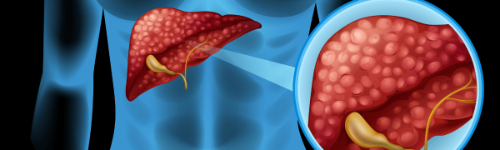
Ascites
Liver Disease
Ascites What is ascites? Ascites is the fluid buildup in the abdomen and lower extremities caused by liver disease. The fluid builds up between the layers of tissue that cover the abdominal organs. Symptoms and Causes People with liver disease may experience different amounts of fluid buildup. This fluid buildup is caused by increased pressure called portal hypertension. A small buildup of fluid may not cause any symptoms, but as the amount of fluid increases, it can cause waist size expansion and weight gain. When large amounts of fluid gather in the belly, it can lead to swelling and pain. The belly becomes hard from the fluid, and the belly button can become pushed out. Some people with ascites may develop swollen legs and ankles, called edema. Ascites can become infected, which is called spontaneous bacterial peritonitis. This infection needs to be treated early with the right antibiotics. If left untreated, the infection can be fatal. This infection can also greatly affect the functioning of your kidneys. Someone with spontaneous bacterial peritonitis will usually feel even more uncomfortable and experience tenderness in their abdomen and may develop a fever. Diagnosis and Tests Ascites can be diagnosed with a physical exam during which the doctor presses on the abdomen to detect the fluid. Some blood tests and kidney function tests may also confirm the ascites diagnosis. Management and Treatment Treatment options will include reducing the fluid buildup and preventing future occurrences. A low-sodium diet, medications called diuretics, which help to remove the fluid, or surgery to reroute blood flow may also be used. Reducing sodium or salt is a first-line therapy for ascites. If you have ascites, be sure to learn more from a nutritionist who specializes in the liver about your unique needs. Medications called diuretics may be prescribed, which make the kidneys excrete more sodium and water into your urine, causing you to urinate more frequently. Sometimes, diuretics are not enough, and the fluid will continue to build up. When this happens, someone may have a procedure called therapeutic paracentesis. During paracentesis, a doctor uses ultrasound to guide a needle into the abdomen and drain the fluid out of the body. The fluid will often build back up, and the procedure will need to be repeated. If someone continues to have fluid buildup or other treatments do not work, a doctor may consider a TIPS procedure (transjugular intrahepatic portosystemic shunt). During a TIPS procedure, a new pathway is made to connect the portal vein, or one of its branches, with a vein in the general circulation, bypassing the liver. While this shunt placement can improve ascites, it can also cause a worsening of hepatic encephalopathy or confusion because of the liver disease. Prevention It is difficult to prevent ascites for a person with advanced stage cirrhosis as it is a part of the disease. However, by following a very healthy and nutritious diet, including limiting sodium intake, it may be lessened. The TIPS procedure is another way to address the fluid buildup if the patient is a candidate for the procedure. Outlook and Prognosis Because ascites is a condition caused by advanced cirrhosis, it will impact your quality of life. Like the cirrhosis itself, lifestyle modifications including diet are part of the ongoing treatment. A discussion regarding a liver transplant should take place as it offers a future potentially free of liver disease. Living With Ascites Life with ascites may include frequent visits to your physician to monitor your condition and, when necessary, perform paracentesis. This is the procedure to physically drain the fluid. This will relieve the pressure and discomfort of carrying the fluid in the body. Because there’s no way to manage or predict when and how much fluid will build up, paracentesis may need to be performed frequently. Clinical Trials Clinical trials are research studies that test how well new medical approaches work in people. Before an experimental treatment can be tested on human subjects in a clinical trial, it must have shown benefit in laboratory testing or animal research studies. The most promising treatments are then moved into clinical trials, with the goal of identifying new ways to safely and effectively prevent, screen for, diagnose, or treat a disease. Speak with your doctor about the ongoing progress and results of these trials to get the most up-to­ date information on new treatments. Participating in a clinical trial is a great way to contribute to curing, preventing and treating liver disease and its complications. Additional Clinical Trials Start your search here to find additional clinical trials that are looking for participants. The American Liver Foundation receives contributions and funding from clinical trial and study sponsors but does not evaluate or endorse any clinical trials or studies, and is not affiliated with any of the sponsors. Source: https://liverfoundation.org/liver-diseases/complications-of-liver-disease/ascites/

Autoimmune Hepatitis (AIH)
Liver Disease
Autoimmune Hepatitis (AIH) Autoimmune hepatitis is a disease in which your immune system attacks your own liver cells and causes your liver to become inflamed. The disease may be acute or chronic, meaning it lasts many years. If untreated, it can lead to liver failure, cirrhosis, and/or death. There are two forms of this rare disease. Type 1, or classic, autoimmune hepatitis is the more common form. Type 1 autoimmune hepatitis mostly affects young or middle-aged women and is often associated with other autoimmune diseases. Type 2 autoimmune hepatitis is uncommon and generally affects girls between the ages of 2 and 14 years old. Facts at-a-Glance Autoimmune Hepatitis is a serious condition that may progress over time if not treated. Autoimmune Hepatitis can lead to cirrhosis and liver failure. Autoimmune Hepatitis is a rare disorder that affects females 4 times as often as males. Those with any autoimmune condition have a 25-50% chance of developing another one and thus a higher risk for developing Autoimmune Hepatitis. Symptoms and Causes Your immune system normally attacks bacteria, viruses and other invading organisms. It is not supposed to attack your own healthy cells; if it does, the response is called autoimmunity. In autoimmune hepatitis, your immune system attacks your liver cells, causing long-term inflammation and liver damage. Scientists don't know what triggers the immune system to attack its own liver, although heredity and prior infections may play a role. Often, the initial symptoms of autoimmune hepatitis are minor or even non-existent. When symptoms do occur, the most common are fatigue, abdominal discomfort, aching joints, itching, jaundice (yellowing of the skin and whites of the eyes), enlarged liver, nausea and spider-like angiomas (blood vessels) on the skin. Other symptoms may include dark urine, loss of appetite, pale stool and absence of menstruation. Cirrhosis may result from chronic liver inflammation if chronic autoimmune hepatitis is left untreated. In 10%-20% of cases, autoimmune hepatitis may present with sudden onset of severe symptoms of liver failure such as ascites (fluid in the abdomen), mental confusion, jaundice, and gastrointestinal bleeding. Some of these latter cases may have underlying cirrhosis from previously non-symptomatic chronic autoimmune hepatitis, but many are due to acute autoimmune hepatitis. Diagnosis and Tests Autoimmune hepatitis often occurs suddenly. Initially, you may feel like you have a mild case of the flu. In others, routine blood tests may reveal a liver problem. To confirm a diagnosis of autoimmune hepatitis, your doctor will take a careful medical history and use specific blood tests, liver imaging, and possibly a liver biopsy, in which a sample of liver tissue is removed with a needle for examination in a laboratory. Management and Treatment The goal of treatment is to stop the body's attack on itself by suppressing the immune system, regardless of the type of autoimmune hepatitis. This is accomplished with a medicine called prednisone, a type of steroid. Often, a second drug, azathioprine is also used. Treatment starts with a high dose of prednisone. As blood test results improve, the dosage is gradually lowered, and azathioprine may be added. Within months, treatment with azathioprine alone may be possible. Prevention Why the body’s immune system attacks itself is unclear, therefore prevention can be a challenge. About 70 percent of people with autoimmune hepatitis are women, usually between the ages of 15 and 40 years old at the time of diagnosis. Many people with this disease also have a history of other autoimmune diseases, including type 1 diabetes, autoimmune thyroiditis (inflammation of the thyroid gland), ulcerative colitis (inflammation of the colon), vitiligo (patchy loss of skin pigmentation), or Sjogren's syndrome (dry eyes and dry mouth). Outlook / Prognosis Most of the time, you will need to stay on medication for about two years before considering stopping treatment, and then observing closely for relapse over the years. Life-long therapy is recommended for those who relapse. For some, chronic treatment with steroids may be necessary. Long-term prednisone use can cause serious side effects including type 2 diabetes, osteoporosis, high blood pressure, glaucoma, weight gain and decreased resistance to infection. Addition of other medications may be needed to manage any treatment side effects. To reduce prednisone related side effects, azathioprine only and/or budesonide therapy is typically used to maintain remission of autoimmune hepatitis. If medical therapy fails, liver transplantation surgery is an option that has a high success rate with long-term survival. Living With Autoimmune Hepatitis (AIH) Maintaining a healthy lifestyle of diet and exercise along with following a medication regimen are key factors to living well with AIH. Questions to Ask Your Doctor Are my symptoms that I am experiencing (if you are) such as fatigue and lethargy due to AIH? Which type of Autoimmune Hepatitis do I have? Type 1 or Type 2? What is the status of my liver? Do I have irreversible liver damage? Will I need a liver transplant? Is it possible for me to have AIH along with other autoimmune diseases? Will a liver biopsy be needed? What kind of medications might be possible to treat AIH? What are the potential side effects of treatment for AIH? Are these medications safe to take during pregnancy and/or breast feeding? Do my blood tests show that my liver enzyme levels and immunoglobulin levels are responding to therapy? Will I be tapered off (dose reduced) steroid therapy over time if I respond well to therapy? When may I safely try to stop treatment? Will there be routine imaging/screening to check for other kinds of liver diseases such as liver cancer? Will I need a booster vaccine of for Hepatitis A and Hepatitis B? Patient Stories View More Search for a Clinical Trial Clinical trials are research studies that test how well new medical approaches work in people. Before an experimental treatment can be tested on human subjects in a clinical trial, it must have shown benefit in laboratory testing or animal research studies. The most promising treatments are then moved into clinical trials, with the goal of identifying new ways to safely and effectively prevent, screen for, diagnose, or treat a disease. Speak with your doctor about the ongoing progress and results of these trials to get the most up-to­ date information on new treatments. Participating in a clinical trial is a great way to contribute to curing, preventing and treating liver disease and its complications. Start your search here to find clinical trials that need people like you. Source: https://liverfoundation.org/liver-diseases/autoimmune-liver-diseases/autoimmune-hepatitis-aih/

Benign Liver Tumors
Liver Disease
Benign Liver Tumors Overview A tumor is an abnormal growth of cells or tissues. Some tumors are malignant or cancerous. Others are benign, or noncancerous. Cancerous liver tumors can be fatal. Some cancerous tumors in the liver started in another organ and spread to the liver. This form of liver cancer is called metastatic liver cancer. Cancerous liver tumors that start in the liver are less common in the United States. This form of liver cancer is called primary liver cancer. Noncancerous, or benign, liver tumors are more common. They do not spread to other areas of the body, and they rarely pose a serious health risk. Note: lesion is a broad term referring to any area of abnormal growth, while a tumor is a specific type of lesion. Types of benign liver tumors The three most common types of benign liver tumors are called: Hemangioma Focal nodular hyperplasia Hepatocellular adenoma Hemangioma Hemangiomas are the most common form of benign liver tumors. They are a mass of abnormal blood vessels. Up to 5 percent of adults in the United States may have small hemangiomas in their liver. Women are more likely than men to develop them. The majority are diagnosed between the ages of 30 and 50. Usually these benign tumors produce no symptoms and do not need to be treated. In very rare cases, an infant with a large hemangioma may need to have it removed surgically to prevent clotting and heart failure. Focal Nodular Hyperplasia Focal nodular hyperplasia is the second most common form of benign liver tumor after hemangiomas. These tumors occur mainly in women between the ages of 20 and 30. Like the other forms of benign liver tumors, they are generally discovered during imaging tests for other conditions. On imaging, these tumors are solitary with a central scar. Sometimes referred to as FNH, these tumors usually do not cause symptoms or require treatment. If they are large, doctors may recommend that they be removed surgically to avoid the risk of rupture, but this is very uncommon. Hepatocellular Adenomas Hepatocellular adenomas are less common benign liver tumors. They occur most often in women of childbearing age. They used to be linked to oral contraceptives, when higher doses of estrogen were used. Since these tumors generally do not cause symptoms, most are never detected. In rare cases, these tumors may rupture and bleed into the abdominal cavity. When doctors discover a large adenoma, they may recommend that it be surgically removed to prevent that possibility. Hepatocellular adenomas may enlarge in women who take hormone pills, so doctors will often recommend discontinuing birth control pills or postmenopausal hormone replacement therapy to female patients who have this kind of tumor. Facts at-a-Glance Benign tumors are significantly less dangerous than malignant tumors . Benign tumors by themselves are not life-threatening . Hemangiomas, the most common type of benign liver tumor occur in 1 to 5% of adults. Less common benign solid liver tumors include focal nodular hyperplasia (FNH), hepatic adenoma, and regenerative nodules. Symptoms and Causes Potential causes of liver tumors could be scarring from a liver disease such as cirrhosis, viral hepatitis, prolonged alcohol use, smoking, or certain hormones. The symptoms that may be experienced will depend on the type of tumor. Benign tumors usually do not cause any symptoms. If they grow in size, some abdominal discomfort may be experienced. Malignant tumors may have no symptoms in the early stages but may later cause pain, fatigue, jaundice, and digestive issues. Diagnosis and Tests In most cases, benign liver tumors are not detected because they cause no symptoms. When they are detected, it is usually because a patient required a medical imaging test, such as an ultrasound, CT test, or MRI, for another condition. A physician may also use a few different tests to diagnose the tumor. These may include abdominal imaging, blood tests that can determine the type of tumor, and biopsy to physically examine a piece of the tumor. Management and Treatment Treatment will depend upon the type of tumor, the size, and the overall condition of the liver. If the tumor is cancerous, treatments may include ablation, surgical removal of the tumor, chemotherapy, and liver transplant. Prevention Although it is difficult to prevent liver tumors, the risk can be lowered by living an overall healthy lifestyle, using alcohol in moderation or not at all, and being vaccinated against viral hepatitis and avoiding activities that may expose you to hepatitis. Outlook / Prognosis The outlook is very good for those with benign tumors, as they rarely grow and do not spread. For those with liver cancer, the outlook will be based on the type of cancer and the length of time it has been present. Living With Benign Liver Tumors Benign liver tumors usually have no symptoms, nor do they affect liver functioning. Liver Cancer has the potential to cause some health issues, including feeling sick and fatigue. This can be increased if the cancer spreads to other organs and areas of the body. Treatments can also take a toll on the body and quality of life. Try to have as much support as possible during this time. Questions to Ask Your Doctor What kind of liver tumor do I have? (Hemangioma, Focal nodular hyperplasia or Hepatocellular adenoma) Do I need to do further imaging studies to access the size? Should it be a contrast CT or MRI? Will there be repeat imaging studies to monitor the issue? Will a biopsy be needed to look at the tissue? Should the tumors be removed? (If needed to be removed), what kind of specialist should I follow up with? A surgeon? Do I need to change any of my medications to reduce the risk of it growing? Do I need to do other kinds of cancer screenings, such as an AFP test (blood test) or a PET scan? Is it possible for the tumors to be causing discomfort? Patient Stories View More Search for a Clinical Trial Clinical trials are research studies that test how well new medical approaches work in people. Before an experimental treatment can be tested on human subjects in a clinical trial, it must have shown benefit in laboratory testing or animal research studies. The most promising treatments are then moved into clinical trials, with the goal of identifying new ways to safely and effectively prevent, screen for, diagnose, or treat a disease. Speak with your doctor about the ongoing progress and results of these trials to get the most up-to­ date information on new treatments. Taking part in a clinical trial is a great way to contribute to curing, preventing and treating liver disease and its complications. Start your s earch here to find clinical trials that need people like you. Source: https://liverfoundation.org/liver-diseases/complications-of-liver-disease/benign-liver-tumors/

Bile Duct Cancer (Cholangiocarcinoma)
Liver Disease
Bile Duct Cancer (Cholangiocarcinoma) What is bile duct cancer (cholangiocarcinoma)? One of the many functions of the liver is the production and transmittal of bile. Bile is the fluid necessary for the breakdown of food during the digestive process. The small tubes that conduct bile from the liver to the gallbladder to the intestines are “ducts”. Bile duct cancer ( cholangiocarcinoma ) is the formation of malignant (cancerous) tumors in these tubes or ducts. Bile duct cancers are referred to by their locations in the system; proximally being inside the liver and distally being outside of the liver. There are two types of bile duct cancer, intrahepatic bile duct cancer , and extrahepatic bile duct cancer . Intrahepatic bile duct cancer is the condition where the cancer cells form on the bile ducts inside the liver. Extrahepatic bile duct cancer forms in the bile ducts outside the liver and is the most common form of this disease. There are two forms of extrahepatic bile duct cancer: perihilar cholangiocarcinoma and distal cholangiocarcinoma . Perihilar cholangiocarcinoma is centered in the area where the right and left bile ducts exit the liver to form a common bile duct. This area is known as the hilum region. Distal cholangiocarcinoma is located in the distal region. This is the area where the common bile duct passes through the pancreas and enters the small intestines. What are some of the risk factors? A risk factor is anything that can lead to disease. Having risk factors does not mean you will develop the disease. Likewise, not having any of the known risk factors does not mean you cannot develop the disease. Most biliary cancers occur without any specific risk. However, known risk factors can include: Primary Sclerosing Cholangitis (PSC) which causes the blockage of the bile ducts because of scarring or inflammation Bile duct cysts which block the passage of bile and cause swelling, inflammation, and infections Chronic ulcerative colitis which occurs when the large intestines are damaged by sores, ulcers, and inflammation Germline mutations, which are inherited genetic changes. It is important to consult your physician if you have a specific risk factor, or a family history of these risks. What are the symptoms? Symptoms can include: Jaundice (yellowing of the skin or whites of the eyes) Dark urine Clay colored stool Pain in the abdomen Fever Pruritus (itchy skin) Nausea and vomiting Weight loss for an unknown reason Chills Loss of appetite How is it diagnosed? Tests and procedures to detect, diagnose, and stage bile duct cancer are usually done at the same time. Staging is the process used to find out if cancer cells have spread within and around the bile ducts to lymph nodes, or distant parts of the body. The following tests and procedures may be used: Physical exam and health history An overall examination of the body is performed to check general signs of health. The individual’s health history and that of family members can determine if there is any predisposition to biliary cancer. Liver function tests Bilirubin, AST, and ALT levels are measured. Elevated amounts of these enzymes can be a sign of liver disease that may be caused by bile duct cancer. Laboratory tests These medical procedures test samples of tissue, blood, urine, or other substances in the body and help diagnose disease, plan and assess treatment, and monitor the disease. Carcinoembryonic antigen (CEA) and CA 19-9 tumor marker test Tumor marker tests are procedures in which a sample of blood, urine, or tissue is evaluated for the presence of substances made either cancer cells or by normal cells in response to cancer. Higher than normal levels of CEA and CA 19-9 may be related to cholangiocarcinoma but testing for these tumor markers is not diagnostic. Imaging Tests Ultrasound exam, CT scan (CAT scan), MRI (magnetic resonance imaging), MRCP (magnetic resonance cholangiopancreatography) are high-tech, non-invasive procedures that can aid in diagnosis by showing signs of liver damage or disease. Biopsy During a biopsy procedure, cells and tissues are removed and identified under a microscope by a pathologist to check for signs of cancer. This is a mildly invasive procedure using a needle that is guided by information obtained from the imaging tests. The type of biopsy used will depend on the information being sought. A critical part of the biopsy will help assess genetic bile duct cancer-related changes in the tumor. These mutations may be targets for therapy and thus a more personalized treatment plan. How is it treated? There are certain factors to be considered when discussing treatment options. These include the location of the cancer, whether it has spread to other organs, the possibility of completely removing the cancer with surgery, and other health challenges. Surgery Whenever possible, surgery is the main treatment for bile duct cancers. The goal is to completely remove the cancer from the body. Systemic therapy Systemic therapy is cancer treatment that targets the entire body. Chemotherapy, targeted therapy, immunotherapy, and therapies being studied in clinical trials are types of systemic therapies. When systemic therapy is given in addition to surgery it is called adjuvant therapy . The aim is to increase the effectiveness of the surgery and prevent any recurrence of the cancer. When given this type of therapy is given before surgery it is called neoadjuvant . When given before and after it is called periadjuvant. In cases in which surgery is not feasible because of risk factors, or because the cancer has spread to other sites, then a form of systemic therapy would be recommended. Liver Transplant Complete removal of the liver and bile ducts followed by a liver transplant may be an option for certain individuals. Learn how the Liver Cancer Program at the National Institutes of Health, National Cancer Institute's Center for Cancer Research can help all liver cancer patients. This video features Tim Greten, MD, Co-Director of the NCI CCR Liver Cancer Program who provides information on clinical trials, liver cancer treatments and advice for patients. Are clinical trials available? Yes, there are clinical trials available for those with cholangiocarcinoma. Clinical trials are research studies that test how well new medical approaches work in people. Before an experimental treatment for cholangiocarcinoma can be tested on human subjects in a clinical trial, it first must have shown benefit in laboratory testing or animal research studies. Only the most promising treatments are then moved into clinical trials, with the goal of identifying new ways to safely and effectively prevent, screen for, diagnose, or treat a disease. The following websites include information about clinical trials. Always consult with your physician before signing up for a clinical trial: The ABC's of Clinical Trials https://www.antidote.me/ https://www.nih.gov/health-information/nih-clinical-research-trials-you https://clinicaltrials.gov/ https://cholangiocarcinoma.org/professionals/research/clinical-trials/ What questions should I ask my doctor? Is the cancer only in my bile ducts? Do I need further testing before we consider treatment options? Will genetic testing be beneficial? Are you experienced in treating this type of cancer? Do I need to see any other kinds of doctors? How much experience do you have treating this type of cancer? Can surgery remove the cancer? What is the goal of treatment? What side effects are common with the treatment you are recommending? How long are they likely to last? How quickly do we need to decide on treatment? How long will treatment last? What will it be like? Where will it be done? How will treatment affect my daily activities? What are the chances my cancer can be cured with these treatment plans? What would my options be if the treatment doesn’t work or if the cancer comes back? What type of follow up will be needed? Will genetic testing be beneficial to my treatment plan? Register for an on-demand webinar Watch a panel of liver cancer specialists from Memorial Sloan Kettering in a 1-hour on-demand webinar on new and emerging treatments for liver cancer. You will gain a better understanding of how those therapies work and which patients are most likely to benefit from which therapies. Learn about strategies to help with treatment-associated side effects. Learn how to be an advocate for better care and use support resources. Register to watch anytime on demand now Related Information and Resources https://cholangiocarcinoma.org/ https://www.cancer.gov/types/liver/patient/bile-duct-treatment-pdq https://rarediseases.org/rare-diseases/cholangiocarcinoma/ Funding generously provided by Servier Pharmaceuticals , with additional support from QED Therapeutics, Inc. and Zymeworks, Inc. Sources of Information Cholangiocarcinoma Foundation National Cancer Institute Patient Stories Lisa’s Story View More Patient Stories Source: https://liverfoundation.org/liver-diseases/cancer/bile-duct-cancer-cholangiocarcinoma/
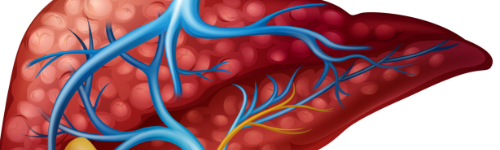
Cirrhosis of the Liver
Liver Disease
Cirrhosis of the Liver Facts at-a-Glance Cirrhosis refers to the replacement of normal liver tissue with non-living scar tissue . It is always related to other liver diseases. The most common causes of cirrhosis are hepatitis B and C, alcohol-associated liver disease, metabolic dysfunction-associated steatotic liver disease (MASLD, formerly known as nonalcoholic fatty liver disease, or NAFLD). Many people with Cirrhosis have no symptoms in the early stages of the disease. Alcohol remains the second most common cause of liver Cirrhosis after hepatitis C virus. Information for the Newly Diagnosed What is cirrhosis? Cirrhosis is the scarring of the liver – hard scar tissue replaces soft healthy tissue. It is caused by swelling and inflammation. \As cirrhosis becomes worse, the liver will have less healthy tissue. If cirrhosis is not treated, the liver will fail and will not be able to work well or at all. What causes cirrhosis? Cirrhosis is caused by chronic (long-term) liver diseases that damage liver tissue. It can take many years for liver damage to lead to cirrhosis. Chronic Alcoholism Chronic alcoholism is one of the leading causes of cirrhosis in the United States. Drinking too much alcohol can cause the liver to swell, which over time can lead to cirrhosis. The amount of alcohol that causes cirrhosis is different for each person. Chronic Viral Hepatitis Chronic hepatitis C is the another leading cause of cirrhosis in the United States. Hepatitis C causes the liver to swell, which over time can lead to cirrhosis. About one in four people with chronic hepatitis C develop cirrhosis. Chronic hepatitis B and hepatitis D also can cause cirrhosis. Metabolic Dysfunction-Associated Steatohepatitis (MASH) Fat buildup in the liver that is not caused by alcohol use is called metabolic dysfunction-associated steatotic liver disease (MASLD) which can lead to metabolic dysfunction-associated steatohepatitis (MASH). MASLD used to be called nonalcoholic fatty liver disease (NAFLD), and MASH used to be called nonalcoholic steatohepatitis (NASH). MASH can cause the liver to swell and can lead to cirrhosis. People with MASH often have other health issues including diabetes, obesity, high cholesterol, coronary artery disease, and unhealthy eating habits. Bile Duct Disease Bile duct disease limits or stops bile from flowing to the small intestine. The bile backs up in the liver causing the liver to swell and can lead to cirrhosis. Two common bile duct diseases are primary sclerosing cholangitis and primary biliary cirrhosis. Genetic diseases Some genetic diseases can lead to cirrhosis. These diseases include Wilson disease, hemochromatosis, glycogen storage diseases, Alpha-1 antitrypsin deficiency, and autoimmune hepatitis. What are the symptoms and complications of cirrhosis? There are usually no symptoms of cirrhosis in its early stage. Over time, cirrhosis may cause symptoms and complications: Symptoms Loss of appetite Tiredness Nausea Weight loss Abdominal pain Spider-like blood vessels Severe itching Complications Jaundice, a yellow discoloration of the skin and whites of the eyes Bruising and bleeding easily Fluid build up and painful swelling of the legs (edema) and abdomen (ascites) Hepatic Encephalopathy (HE), a buildup of toxins in the brain that causes confusion, as well as both mental and physical complications Liver Cancer Other Complication: Risk of Falls Trips, stumbles, and losing your balance can lead to serious, life-threatening injuries. Did you know that individuals with cirrhosis are twice as likely to die from a fall? Maintaining your balance can be a life-or-death matter when it comes to living with liver disease. To date, there have been no major studies examining methods of preventing falls in patients with cirrhosis. There are a few culprits that may increase the risk of falls in folks with cirrhosis. Increased frailty is more common in people with liver disease. Having poor muscle strength and coordination increases the chance of an individual losing balance. Eating a low - protein diet may also contribute to muscle weakness and frailty. There are some solutions to this, though. Tai-Chi is a type of exercise with slow and gentle movements that can increase balance and reduce the risk of falls in the general population, and it is currently being tested in people with cirrhosis. Additionally, a high-protein diet may help individuals maintain muscle mass. Another common occurrence among people with cirrhosis is hepatic encephalopathy (HE). This condition results in impaired memory concentration and subsequently increases the risk for falls . Treatment with lactulose, a synthetic sugar medication that is not absorbed by the body, improves HE symptoms and energy, and there is hope that this treatment will also help reduce falls in patients with cirrhosis. You can work on preventing falls yourself by following these helpful tips below: Speak Up Talk openly with your healthcare provider about fall risks and prevention. Make the Home Safe Keep your floors clutter free and try to remove small throw rugs. Add grab bars in the bathroom and have handrails on all staircases. Keep Moving Activities that strengthen legs and improve balance, can prevent falls. Get Your Eyes and Feet Checked Being able to see and walk comfortably can prevent falls. Additional Resources for the Live-Smart study, which compares the effectiveness of an exercise system called tai chi with a medicine called lactulose to prevent falls in people living with liver cirrhosis. LiveSmart: Preventing Falls for People with Cirrhosis LIVE SMART Tai Chi Video.mp4 LiveSmart: High Protein Diet LiveSmart: Lactulose Instructions If You Have 3 or More Bowel Movements a Day LiveSmart: Lactulose Instructions If You Have Less than 3 Bowel Movements a Day Click here to learn more about a study being conducted on this topic. How is cirrhosis diagnosed? Cirrhosis is diagnosed by symptoms, blood tests, medical history, and physical examination. A liver biopsy may be needed to check how much of the liver has been damaged. During a biopsy, a small piece of liver tissue is removed and studied in the lab, and additional imaging may be needed. How is cirrhosis treated? Treatment options for cirrhosis depend on the cause and the level of liver damage. Depending on the disease causing cirrhosis, medications or lifestyle changes may be used for treatment. The goals of treatment are to prevent further liver damage and reduce complications. When cirrhosis cannot be treated, the condition is known as End-Stage Liver Disease, or ESLD. ESLD includes a subgroup of patients with cirrhosis who have signs of decompensation that is generally irreversible with medical management other than transplant. Decompensation includes hepatic encephalopathy, variceal bleed, kidney impairment, ascites, lung issues. The decompensated liver disease allows these ESLD patients to be prioritized on the transplant list What’s the best way to manage cirrhosis? It is possible to prevent further liver damage with proper management of cirrhosis. Maintain a healthy lifestyle (eat a healthy diet and exercise regularly) Limit salt in your diet to prevent or reduce fluid buildup Avoid raw shellfish Stop drinking alcohol Talk to your doctor about all of the medications, vitamins and supplements you take. Talk to your doctor about hepatitis A and hepatitis B vaccinations Practice safe sex Use clean needles for tattoos or piercings Do not share needles, razors, toothbrushes or other personal items with others Questions to Ask Your Doctor What is the severity of my cirrhosis? What stage am I in? What is the underlying cause of my cirrhosis? Will I need a liver biopsy? Will I need a liver transplant ? What kinds of lifestyle changes should I be making? Will I have routine labs and scans to check my risks of developing liver cancer? Can we review which medications I am prescribed and make sure I am on the appropriate? Patient Stories View More Videos Veterans and Cirrhosis Improving Cirrhosis Care in the PCP Environment How Does Fat in the Liver Lead to Cirrhosis? A Closer Look at the South Asian Population Progression of Liver Disease Webcast Series: Cirrhosis and Signs of Liver Failure Understanding Cirrhosis and Optimizing Treatment View More Search for a Clinical Trial Clinical trials are research studies that test how well new medical approaches work in people. Before an experimental treatment can be tested on human subjects in a clinical trial, it must have shown benefit in laboratory testing or animal research studies. The most promising treatments are then moved into clinical trials, with the goal of identifying new ways to safely and effectively prevent, screen for, diagnose, or treat a disease. Speak with your doctor about the ongoing progress and results of these trials to get the most up-to-date information on new treatments. Participating in a clinical trial is a great way to contribute to curing, preventing and treating liver disease and its complications. Start your search here to find clinical trials that need people like you. Source: https://liverfoundation.org/liver-diseases/complications-of-liver-disease/cirrhosis/

Gilbert Syndrome
Liver Disease
Gilbert Syndrome Gilbert Syndrome is a mild genetic disorder in which the liver does not properly process a substance called bilirubin. Bilirubin is made by the break down of red blood cells. Gilbert Syndrome affects three to seven percent of people in the United States. Gilbert Syndrome is more common in men than women. Facts at-a-Glance Gilbert Syndrome is diagnosed more often in males than females. The disorder affects approximately 3-7 % of the general population. Individuals with Gilbert Syndrome have elevated levels of bilirubin (hyperbilirubinemia), because they have a reduced level of a specific liver enzyme required for elimination of bilirubin. Information for the Newly Diagnosed What causes Gilbert Syndrome? Gilbert Syndrome is caused by the body having lower amounts of a liver enzyme that breaks down bilirubin. As a result, extra amounts of bilirubin build up in the blood. What are the symptoms of Gilbert Syndrome? People with Gilbert Syndrome usually do not have symptoms. Gilbert Syndrome sometimes causes the liver to make too much bilirubin that the person becomes jaundiced (yellowing of eyes and skin). Certain things can further increase the level of bilirubin in the bodies of those with Gilbert Syndrome: Being ill Menstruating Fasting or skipping meals Exercising too much What are the complications of Gilbert Syndrome? Complications of Gilbert Syndrome may include certain medications causing side effects in people who have Gilbert Syndrome. Talk to a doctor before taking any new medications. How is Gilbert Syndrome diagnosed? Doctors usually diagnose Gilbert Syndrome after reviewing blood test results and ruling out other liver diseases. In people with Gilbert Syndrome, liver function levels will usually be in normal ranges except for the bilirubin level. However, the level of bilirubin in the blood may change frequently and a doctor may repeat the blood tests a few times. How is Gilbert Syndrome treated? Since Gilbert Syndrome is a mild and manageable condition, it does not need treatment. Questions to Ask Your Doctor Will I experience jaundice due to this liver disease? What kind of routine lab schedule should I anticipate? Should labs be drawn every 3 months, 6 months, annually? Does my diagnosis get noted in a genetic registry? Will genetic tests be done to rule out the possibility of other kinds of genetic liver disorders? Do other members in my family need to be tested? In what ways will we be managing any symptoms I may experience? Patient Bill of Rights As a patient living with a rare liver disease, you have several rights that can empower you throughout your health journey. Although every patient’s diagnosis and treatment plan are different, these rights can help you develop better working relationships with the members of your health care team and determine the best path forward for you. View ALF’s Patient Bill of Rights and information from ALF’s 2022 Rare Liver Disease Summit . Search for a Clinical Trial Clinical trials are research studies that test how well new medical approaches work in people. Before an experimental treatment can be tested on human subjects in a clinical trial, it must have shown benefit in laboratory testing or animal research studies. The most promising treatments are then moved into clinical trials, with the goal of identifying new ways to safely and effectively prevent, screen for, diagnose, or treat a disease. Speak with your doctor about the ongoing progress and results of these trials to get the most up-to-date information on new treatments. Participating in a clinical trial is a great way to contribute to curing, preventing and treating liver disease and its complications. Start your search here to find clinical trials that need people like you. Source: https://liverfoundation.org/liver-diseases/rare-disease/gilbert-syndrome/
HCV/HIV Coinfection
Liver Disease
HCV/HIV Coinfection Hepatitis C virus is also known as HCV. HCV is a liver disease that, over time, can lead to severe scar development (fibrosis and cirrhosis). HIV (human immunodeficiency virus) is a virus that attacks the body’s immune system. Without treatment, HIV can progress to AIDS (acquired immunodeficiency syndrome). HCV/HIV coinfection means that a person has both viruses at the same time. For every 100 people with HIV, approximately 21 of them also have HCV. (Centers for Disease Control and Prevention, 2021) Risks for HCV Infection HCV is spread through blood-to-blood contact. This means that if someone else’s blood enters your body (even in a small amount), you can be infected if that person is infected. Remember: HCV often has no symptoms, so people may have the infection but not know it. For more information about risks for HCV, testing, and treatment, visit https://liverfoundation.org/liver-diseases/viral-hepatitis/hepatitis-c/ . Risks for HIV Infection HIV, like HCV, can spread through blood contact. The difference is that HIV can also spread from person to person through the following body fluids: Blood Semen and pre-seminal fluids Rectal fluids Vaginal fluids Breast milk For these fluids to infect someone with HIV, they must enter the body through the bloodstream (such as via injection), or through mucus membranes or damaged body tissues. To learn more about HIV infection, including transmission risks, visit https://www.cdc.gov/hiv/ . Symptoms Most people with HCV do not have symptoms, sometimes for years. People with HIV often do develop symptoms within a month of being infected. If symptoms occur with HCV, they can include: Feeling very tired (fatigue) Fever Tenderness or pain in the upper right part of their abdomen Nausea Loss of appetite Weight loss Jaundice (yellowing of skin and whites of the eyes) Symptoms of HIV can include: Headache Fever Muscle aches Night sweats Diarrhea Sores in the mouth or yeast infections in the mouth (thrush) Swelling of the lymph glands The only way to know for sure if you have HCV and/or HIV is to get tested. Blood tests will determine if you have HCV, HIV, or both. How does having HIV affect the HCV infection? Having HCV alone can cause serious liver damage over time. Damage can include liver inflammation (swelling), early scar formation (fibrosis), and advanced scarring of the liver (cirrhosis). People with long-term (chronic) HCV are at risk for developing liver cancer. If someone has HIV and HCV, the HIV may cause the HCV to progress at a faster rate than if the person had only HCV. We do not yet know if having HCV can cause HIV to advance at a faster rate. Treating HCV/HIV Coinfection HCV is now a curable disease. HIV does not have a cure, but with proper treatment and management, it is possible to prevent HIV from progressing to AIDS. People with HCV/HIV coinfection can be treated for both diseases at the same time. Consideration will be given to prescribing a treatment plan with as few drug interactions as possible so that patients will experience the most positive results possible. HCV is treated with drugs called Direct Acting Antivirals (DAAs). These DAAs prevent the HCV virus from multiplying in the body. Most people with HCV can take DAAs. There are a few different DAAs being used to treat HCV. They are in pill form, and treatment is usually completed within three months. Your doctor will be able to provide information about which specific DAA is best for you. HIV is treated using antiretroviral therapy (ART). ART consists of a combination of medicines which must be taken every day. These medicines keep people with HIV healthier for longer periods of time, can reduce HIV transmission, Doctors and their patients will discuss exactly how to take the HCV and HIV medications. Healthcare providers will also review any possible drug interactions, side effects and ways to manage side effects, and how often patients should be seen while undergoing treatment. Blood tests are taken throughout treatment to measure viral load (amount of virus) present in the body. For people with HCV, doctors will discuss tests that may be required to check the condition of their livers (ultrasound, MRI, CT scans) and how often those tests are needed. If cirrhosis is present, talk to your healthcare provider about being screened for liver cancer at least twice a year. Tips to Live Healthfully Some important ways to help your body when you have a chronic illness include: Eat foods that are nutritious (fruits, vegetables, lean proteins vs. red meat, whole grains). Try to avoid processed foods, which tend to be higher in salt, sugars and preservatives. Avoid alcohol in the presence of any liver disease because alcohol can speed up liver damage. Do not take any medicines or supplements without discussing them with your healthcare provider first. Some products, even “natural” ones, can interact badly with your HCV and/or HIV medicines. Be careful about using medicines that contain acetaminophen (such as Tylenol). Acetaminophen can be harmful to the liver in large doses or if liver disease is already present. Take your HCV and HIV medicines exactly as directed by your healthcare provider. Talk to your healthcare provider about getting vaccinated for hepatitis A and B so that you are not at risk for additional viral hepatitis infections other than HCV. Questions to Ask the Doctor What medical tests do I need to find out about my viral load? What medical tests do I need to check on the condition of my liver? How often will I need to get blood tests or other tests to monitor my health? Which tests are needed to monitor HCV, and which are needed to monitor HIV? Which HCV medication do you recommend for me? How long will I have to take the HCV medication? Which HIV medications do you recommend for me? What do I need to know about the side effects of my medications? What possible drug interactions are possible when I take the HCV and HIV medicines? Are there any vitamins that I should take or avoid? Do you have any information about diet that will be helpful for me? If I am cured of HCV, will any liver damage that I have go away? Am I at risk for liver cancer after being infected with HCV and/or coinfected with HIV? How often should I be screened for liver cancer? Do you know of any support groups in this area for people with HCV and HIV? Source: https://liverfoundation.org/liver-diseases/viral-hepatitis/hcv-hiv-coinfection/
Hemochromatosis
Liver Disease
Hemochromatosis Hemochromatosis is one of the most common genetic disorders in the United States. It is an inherited condition in which the body absorbs and stores too much iron. The extra iron builds up in several organs, especially the liver, and can cause serious damage. Without treatment, the disease can cause these organs to fail. Iron is an essential nutrient found in many foods. Healthy people usually absorb about 10 percent of the iron contained in the food they eat to meet the body’s needs. People with hemochromatosis absorb more than the body needs. The body has no natural way to rid itself of the excess iron, causing the excess to build up in the organs. Facts at-a-Glance Hemochromatosis affects about 1 million people. Primary Hemochromatosis mainly affects caucasians of Northern European descent. Without treatment, iron may build up in the organs and cause complications, including cirrhosis. Information for the Newly Diagnosed What are the symptoms of hemochromatosis? Many people have no symptoms, even in advanced cases. Joint pain is the most common complaint of people with hemochromatosis. Other common symptoms include fatigue, lack of energy, abdominal pain, loss of sex drive, and heart problems. Symptoms tend to occur in men between the ages of 30 and 50 and in women over age 50. However, many people have no symptoms when they are diagnosed. If the disease is not detected early and treated, iron may accumulate in body tissues and may eventually lead to serious problems such as: arthritis liver disease, including an enlarged liver, cirrhosis, cancer, and liver failure damage to the pancreas, possibly causing diabetes heart abnormalities, such as irregular heart rhythms or congestive heart failure impotence early menopause abnormal pigmentation of the skin, making it look gray or bronze pituitary damage damage to the adrenal gland What causes hemochromatosis? Genetic or hereditary hemochromatosis is connected to a defect in a gene called HFE, which regulates the amount of iron absorbed from food. While hemochromatosis is present at birth, symptoms rarely appear before adulthood. A person who inherits the defective gene from both parents may develop hemochromatosis. A person who inherits the defective gene from only one parent is a carrier for the disease but usually does not develop it. Juvenile hemochromatosis and neonatal hemochromatosis are two forms of the disease that are not caused by a HFE defect. Their cause is unknown. The juvenile form leads to severe iron overload and liver and heart disease in adolescents and young adults between the ages of 15 and 30, and the neonatal form causes the same problems in newborn infants. How is hemochromatosis diagnosed? Blood tests for serum iron and either total iron binding capacity or transferrin are good screening tests. A good additional test is serum ferritin level, which is elevated in patients with hemochromatosis. If these tests are persistently high, a genetic test for the mutations in the HFE gene should be performed. Depending on whether there is evidence of liver damage, a liver biopsy should be done to assess the damage to the liver. Excess iron is also frequently present in patients with alcoholic liver disease or chronic viral hepatitis. A liver biopsy is the only definitive way to determine if patients with these diseases also have iron overload. How is hemochromatosis treated? Treatment for hemochromatosis is simple, inexpensive, and safe. The first step is to rid the body of excess iron. The process is called phlebotomy, which means removing blood the same way it is drawn from donors at blood banks. Depending on how severe the iron overload is, a pint of blood will be taken once or twice a week for several months to a year, and occasionally longer. The goal is to bring the iron levels in the blood to well within the normal range and keep them there. Once iron levels return to normal, maintenance therapy, which involves giving a pint of blood every 2 to 4 months for life, begins. Some people may need it more often. An annual blood test will help determine how often blood should be removed. People with hemochromatosis should not take iron supplements. Those who have liver damage should not drink alcoholic beverages because they may further damage the liver. Who is at risk for hemochromatosis? Immediate relatives of people with hemochromatosis should have their blood tested to see if they have the disease or are carriers, this includes parents, siblings and children. Doctors should consider testing people who have joint disease, severe and continuing fatigue, heart disease, elevated liver enzymes, impotence, and diabetes, because these conditions may result from hemochromatosis. People of Northern European descent are more prone to hemochromatosis than are people of other ethnic backgrounds. Men are five times as likely as women are to develop the condition, and they usually experience symptoms at an earlier age. Questions to Ask Your Doctor What are my iron levels at this time? (Will iron studies be drawn?) What is my platelet count? What kind of routine lab schedule should I anticipate? How often will I need to come in for phlebotomy (blood draw to reduce amount of iron in my bloodstream)? Do other members in my family need to be tested? Which over the counter medications for pain relief are OK for me to take? Should I stop taking vitamin supplements with iron and iodine? Are there foods I should be avoiding which naturally have an excess of iron? Do I have liver damage? Will I need a liver transplant ? Patient Bill of Rights As a patient living with a rare liver disease, you have several rights that can empower you throughout your health journey. Although every patient’s diagnosis and treatment plan are different, these rights can help you develop better working relationships with the members of your health care team and determine the best path forward for you. View ALF’s Patient Bill of Rights and information from ALF’s 2022 Rare Liver Disease Summit . Search for a Clinical Trial Clinical trials are research studies that test how well new medical approaches work in people. Before an experimental treatment can be tested on human subjects in a clinical trial, it must have shown benefit in laboratory testing or animal research studies. The most promising treatments are then moved into clinical trials, with the goal of identifying new ways to safely and effectively prevent, screen for, diagnose, or treat a disease. Speak with your doctor about the ongoing progress and results of these trials to get the most up-to-date information on new treatments. Participating in a clinical trial is a great way to contribute to curing, preventing and treating liver disease and its complications. Start your search here to find clinical trials that need people like you. Source: https://liverfoundation.org/liver-diseases/rare-disease/hemochromatosis/

Hepatic Encephalopathy
Liver Disease
Hepatic Encephalopathy Hepatic Encephalopathy (HE), sometimes referred to as portosystemic encephalopathy or PSE, is a condition that causes temporary worsening of brain function in people with advanced liver disease. When your liver is damaged it can no longer remove toxic substances from your blood. These toxins build up and can travel through your body until they reach your brain, causing mental and physical symptoms of HE. Explore this Hepatic Encephalopathy Information Center by clicking through to the Diagnosis, Treatment, Support and Caregivers landing pages where you’ll find more information to help you manage Hepatic Encephalopathy. YouTube Video Diagnosing Hepatic Encephalopathy There is no specific test used to diagnose HE. A Hepatic Encephalopathy diagnosis is based on a combination of three things: Your medical history Your symptoms A thorough clinical exam by your healthcare provider Learn if you or someone you love is at risk of getting HE, what triggers this complication and how it’s exhibited. Treating Hepatic Encephalopathy Being confronted with a diagnosis of HE can be overwhelming and because HE is a complicated condition, a multidisciplinary approach is often required to manage it. Learn more about treating Hepatic Encephalopathy. Support for Patients with Hepatic Encephalopathy If you’re living with HE or caring for a loved one with HE you’ll likely need emotional, physical, or financial support at certain points in your journey. Learn how and where you can get that support – from finding resources to help pay for the cost of medications to learning how to talk about your diagnosis with friends and family. Caregivers of Patients with Hepatic Encephalopathy If you are the caregiver for someone with HE, it’s likely you’re not completely new to this role as your loved one has probably been living with some form of chronic liver disease and cirrhosis for some time now. Learn more about caring for patients with Hepatic Encephalopathy. Facts at-a-Glance Hepatic Encephalopathy is a brain disorder that develops in some individuals with liver disease. Approximately 70% of individuals with cirrhosis may develop symptoms of Hepatic Encephalopathy. In some cases, Hepatic Encephalopathy is a short-term problem that can be corrected . It may also occur as part of a chronic problem from liver disease that gets worse over time. Patient Stories Richard S. Tom Janet Lynette K. Natasha D. Charles D. View More Patient's Advice Search for a Clinical Trial Clinical trials are research studies that test how well new medical approaches work in people. Before an experimental treatment can be tested on human subjects in a clinical trial, it must have shown benefit in laboratory testing or animal research studies. The most promising treatments are then moved into clinical trials, with the goal of identifying new ways to safely and effectively prevent, screen for, diagnose, or treat a disease. Speak with your doctor about the ongoing progress and results of these trials to get the most up-to-date information on new treatments. Participating in a clinical trial is a great way to contribute to curing, preventing and treating liver disease and its complications. Start your search here to find clinical trials that need people like you. Source: https://liverfoundation.org/liver-diseases/complications-of-liver-disease/hepatic-encephalopathy/

Hepatitis A
Liver Disease
Hepatitis A Hepatitis A is a liver disease caused by the hepatitis A virus (HAV). HAV causes the liver to swell and prevents it from working well. HAV usually goes away on its own in almost all cases with no serious complications. However, HAV may cause some patients to suffer liver failure. In the United States, there are about 100 deaths a year due to HAV. Those at risk of serious long term effects from HAV include people with other liver diseases and people over 60. Facts at-a-Glance Hepatitis A rates in the United States have declined by more than 95% since Hepatitis A vaccine first became available in 1995. Symptoms of Hepatitis A usually last less than 2 months. Information for the Newly Diagnosed Who is at risk of having hepatitis A? Anyone who has come in close contact with someone who has HAV or who has eaten food or drank water polluted by HAV is at risk. Have ever lived with an infected person Have ever been a sexual partner of an infected person Are a man who has sex with men Have ever used drugs Have ever traveled to countries where HAV is common HAV is most commonly spread by: Not washing hands before preparing or eating food Not washing hands after using the bathroom or changing a diaper Eating raw or undercooked shellfish that came from waters polluted by sewage What are the symptoms of the hepatitis A virus? Low energy is the most common symptom of HAV. Other symptoms include fever, tiredness, loss of appetite, nausea, headache, itchy skin, muscle soreness, pain near the liver, and jaundice (a yellowing of the skin and whites of the eyes). Symptoms of HAV can occur two to seven weeks after infection and are often mild. Children may not have any symptoms. Symptoms usually go away within two months. If you think you have HAV, it is important to see a doctor — symptoms of HAV are similar to other more serious liver diseases. How is hepatitis A diagnosed? Hepatitis A is diagnosed by a blood test. A blood test is done to see if HAV antibodies are in the body. Antibodies are proteins created by the immune system in response to viruses. How is hepatitis A treated? HAV usually goes away on its own within six months. Doctors often recommend bed rest, drinking lots of fluids, eating a healthy diet and avoiding alcohol. Medicines are not used to treat HAV. Talk to your doctor before taking prescription or over-the-counter drugs, vitamins or herbal supplements. Itchy skin caused by HAV can be treated with non-prescription anti-itch medicine. It is important to see your doctor regularly to make sure your body has fully recovered from the virus. Also, talk to your doctor about getting vaccinated for hepatitis B. What’s the best way to stop the spread of hepatitis A? Hepatitis A vaccination is the best way to prevent hepatitis A. The hepatitis A vaccine is given in 2 doses, usually about 6 months apart. Other ways to stop the spread of HAV are: Always washing your hands with soap and warm water immediately after using the bathroom or changing a diaper Always washing your hands with soap and warm water before preparing or eating food Who should be vaccinated against hepatitis A? Those who should get vaccinated against HAV include: All children at age 1 All children above age 1 who live in areas where HAV is common People with long-term liver disease People with blood-clotting disorders People who have had or are waiting for a liver transplant People who use drugs Men who have sex with men Travelers to countries where HAV is common Sexual partners and household members of people with HAV If you think you have come in contact with HAV, your doctor may give you a HAV vaccination or a shot of immune globulin, which can help increase protection to HAV. Questions to Ask Your Doctor What kinds of medications can I take for my fever? Are there anti-nausea medications I should be taking? Do I need to be re-vaccinated against Hepatitis A? Should I receive a booster vaccine for Hepatitis B? Am I contagious? How can I notify people that I may have been in close contact with? Search for a Clinical Trial Clinical trials are research studies that test how well new medical approaches work in people. Before an experimental treatment can be tested on human subjects in a clinical trial, it must have shown benefit in laboratory testing or animal research studies. The most promising treatments are then moved into clinical trials, with the goal of identifying new ways to safely and effectively prevent, screen for, diagnose, or treat a disease. Speak with your doctor about the ongoing progress and results of these trials to get the most up-to-date information on new treatments. Participating in a clinical trial is a great way to contribute to curing, preventing and treating liver disease and its complications. Start your search here to find clinical trials that need people like you. Source: https://liverfoundation.org/liver-diseases/viral-hepatitis/hepatitis-a/

Hepatitis B
Liver Disease
Hepatitis B Hepatitis B is a high preventable liver disease caused by the hepatitis B virus (HBV). HBV causes the liver to swell and prevents it from working well. About 95% of adults who are exposed to HBV fully recover within 6 months (acute HBV) without medication. About 5% have HBV all their lives (chronic HBV) unless they are successfully treated with medications. Infants born to mothers infected with HBV are at high risk of developing chronic HBV. Chronic HBV can lead to cirrhosis (scarring) of the liver, liver cancer, and liver failure. Facts at-a-Glance Between 850,000 and 2.2 million people in the United States are living with chronic Hepatitis B infection. About 70% of adults with Hepatitis B develop symptoms Information for the Newly Diagnosed Who is at risk of having hepatitis B? Anyone who has come in direct contact with hepatitis B virus-infected bodily fluids (blood, semen, and vaginal secretions) is at risk. Were born to an hepatitis B virus-infected mother Work or live in a place where you can be exposed to infected blood, such as a healthcare institution or correctional facility Have ever lived with a person infected with chronic hepatitis B virus Have ever had unprotected sex with an infected person Have ever had multiple sexual partners Have ever had a sexually transmitted disease Are a man who has sex with men Share needles or syringes to inject drugs, or straws to short them (even once) Have your blood filtered by a machine (hemodialysis) because your kidneys aren’t working Have ever traveled to or are born in countries where hepatitis B virus is common, including places in Africa, Central and Southeast Asia, and Eastern Europe What are the symptoms of having hepatitis B? A majority of adults develop symptoms from acute hepatitis B virus infection; however, young children often do not. Symptoms, when they occur, may include: Fever Dark Urine Joint Pain Weakness and Fatigue Loss of Appetite Nausea and Vomiting Abdominal pain near the liver On average, symptoms appear three months after exposure to the virus, but they can appear anywhere between six weeks and six months. Symptoms usually last for a few weeks, but can last up to six months. Most adults infected with hepatitis B virus recover fully even if their signs and symptoms are severe. Some of the people who go on to develop chronic hepatitis B virus have ongoing symptoms similar to acute hepatitis B virus, but most people with chronic Hepatitis B remain symptom free for 20 or 30 years. If you think you have signs of symptoms of Hepatitis B, contact your doctor. How is hepatitis B diagnosed? Hepatitis B is diagnosed by blood tests. There are several different blood tests available that can help your doctor determine whether you: Could benefit from getting vaccinated Have an acute or chronic infection Have recovered from an infection Are immune to hepatitis B virus if you think you have signs of symptoms of hepatitis B virus, contact your doctor. Blood tests are done to check if hepatitis B virus antibodies are in the body. Antibodies are proteins created by the immune system in response to viruses. How is hepatitis B treated? Acute Doctors often recommend bed rest, drinking lots of fluids, eating a healthy diet and avoiding alcohol. Medicines are not used to treat acute hepatitis B virus. It is important to see your doctor regularly to make sure your body has fully recovered from the virus. Chronic Hepatitis B Virus If you have chronic hepatitis B virus, you should be monitored regularly for signs of liver disease and need for possible treatment. Not every person with chronic hepatitis B virus needs medications and the drugs may cause side effects in some people. It is however important to have regular check-ups with your doctor to observe and watch your liver disease. There are several medications approved to treat chronic hepatitis B virus and many other medications are being developed. You should discuss these options with your doctor to find what is best for you. hepatitis B virus medications should not be taken by pregnant women unless recommended by their doctors. Some pregnant women with hepatitis B virus should be treated to prevent transmitting hepatitis B virus to their babies. It is important to closely follow up with your doctor during pregnancy to prevent to prevent transmission of Hepatitis B to their babies. If you have chronic hepatitis B virus, it’s important to talk to your doctor about treatment options and liver cancer screening every 6 months with an imaging test of the liver and cancer biomarkers in the blood. If you develop cirrhosis, you should ask your doctor about the complications of cirrhosis. Also, talk to your doctor about getting the Hepatitis A vaccine and being tested for Hepatitis C and Hepatitis D (Delta). How can I prevent getting hepatitis B virus? The best way to prevent infection with hepatitis B virus is by getting the hepatitis B virus vaccine. It stimulate the body’s natural immune system to make antibodies – a substance found in the blood that protects you from disease- against hepatitis B virus. Other ways you can reduce your risk of getting hepatitis B virus include: Using sterile needles and equipment for tattoos or body piercings. Using a new latex or polyurethane condom every time you have sex if you don’t know the health status of your partner Asking your healthcare provider about getting vaccinated if you’re traveling to a region where hepatitis B virus is common Getting help to stop using drugs. If you can’t stop, use sterile needles and don’t share your needles or other drug paraphernalia. Not sharing razors, toothbrushes, or other personal items with someone that has hepatitis B virus. Who should be vaccinated against hepatitis B? Those who should be vaccinated against hepatitis B virus include: Newborns Children and adolescents not vaccinated at birth People with chronic liver disease not caused by hepatitis B virus Diabetics younger than 60 years of age People who have had/or are on hemodialysis, those with end-stage renal disease including those on pre-dialysis care, peritoneal dialysis, and home dialysis Healthcare and emergency workers, military personnel, morticians and others at risk for exposure to blood or blood-contained body fluids on the job Residents and staff of facilities for developmentally disabled people People working or house in prisons People with a sexually transmitted disease People with multiple sexual partners Men who have sex with men People with HIV People who have ever injected or snorted drugs Sexual partners and household members of people with hepatitis B virus Travels or those born in countries where hepatitis B virus is common People seeking protection from hepatitis B virus, particularly members of ethnic or racial groups with high rate of hepatitis B virus infection including Asian and Pacific Islander Americans, African Americans, Latino Americans, Native Americans, and Alaskan Natives Immigrants from countries where hepatitis B virus is common (Africa, Central and Southeast Asia, and Eastern Europe) Questions to Ask Your Doctor What kinds of therapy are possible to reduce my viral load? Are there clinical trials looking at curing Hepatitis B? Do I have liver damage? Will I need a liver transplant? Does my family need a booster vaccination? What are the potential risks at infecting my partner with Hepatitis B? How can I make my friends and family aware of what my condition is? Should I be re-vaccinated for Hepatitis A? Search for a Clinical Trial Clinical trials are research studies that test how well new medical approaches work in people. Before an experimental treatment can be tested on human subjects in a clinical trial, it must have shown benefit in laboratory testing or animal research studies. The most promising treatments are then moved into clinical trials, with the goal of identifying new ways to safely and effectively prevent, screen for, diagnose, or treat a disease. Speak with your doctor about the ongoing progress and results of these trials to get the most up-to-date information on new treatments. Participating in a clinical trial is a great way to contribute to curing, preventing and treating liver disease and its complications. Start your search here to find clinical trials that need people like you. Source: https://liverfoundation.org/liver-diseases/viral-hepatitis/hepatitis-b/

Hepatitis C
Liver Disease
Hepatitis C Hepatitis C is a disease caused by a virus that infects the liver. The virus, called the Hepatitis C virus or HCV for short, is just one of the hepatitis viruses. The other common hepatitis viruses are A and B, which differ somewhat from HCV in the way they are spread and treated. According to the Centers for Disease Control (CDC), an estimated 2.7 million people in the United States have chronic Hepatitis C infection. The CDC now recommends one-time hepatitis C testing of all adults (18 years and older) and all pregnant women during every pregnancy. CDC continues to recommend people with risk factors, including people who inject drugs, be tested regularly. Diagnosing Hepatitis C Because HCV infection usually produces no symptoms or very mild symptoms during the early stages, many people don’t know they have it until liver damage shows up – sometimes decades later – during routine medical tests. Some people who get HCV have it for a short time (up to six months) and then get better on their own. This is called acute Hepatitis C. But most people (about 75% – 85%) will go on to develop chronic (or long-term) Hepatitis C, meaning it doesn’t go away. Learn more about recognizing symptoms, testing and diagnosis, risk and prevention. Treating Hepatitis C Treatment for Hepatitis C depends on several factors, including: How much virus is in your body (your viral load ) The genotype or strain of Hepatitis C you have If you have liver damage, such as cirrhosis What other health conditions you have Your response to any previous treatments for HCV Explore options, learn the questions to ask, and find out what to expect during treatment. Support for Patients with Hepatitis C People with HCV are often concerned about how others will view them. You may find yourself avoiding friends and family because you’re worried about how they’ll react to your diagnosis, but having the support of people close to you is important to your well-being. Learn about the challenges you may face, side effects and supporting your caregiver. Facts at-a-Glance An estimated 2.7 – 3.9 million people in the United States have chronic Hepatitis C. There are approximately 17,000 new Hepatitis C cases each year in the U.S. As many as 75% of those with chronic Hepatitis C virus in the United States are unaware that they are infected. Of all persons living with HCV viral infection, about 75% were born during 1945–1965 . The American Liver Foundation and Merck are working together to raise awareness among U.S. veterans about their increased risk for chronic Hepatitis C. Frequently Asked Questions What is Hepatitis C? Hepatitis C is a virus that affects the liver. It is the leading cause of liver failure and end stage liver disease and is a major cause of liver transplants in the United States. When first infected, a person can develop an “acute” infection, which can range in severity from a very mild illness with few or no symptoms to a serious condition requiring hospitalization. Acute hepatitis C infection is a short-term illness that occurs within the first six months after someone is exposed to the hepatitis C virus. For most people, acute infection leads to chronic infection but for reasons that are not known, approximately 15% to 25% of people clear the virus without treatment. Chronic hepatitis C infection is much more common. It can last a lifetime and lead to serious liver problems, including cirrhosis (scarring of the liver) or liver cancer. How common is Hepatitis C in the United States? An estimated 3.2 million Americans are infected with hepatitis C according to the Centers for Disease Control and Prevention (CDC), yet a whopping 75% are not aware that they carry the virus. Each year, more than 17,000 Americans become infected. The CDC reports that 15,000 of people die from hepatitis C-related liver disease annually, surpassing the death rate from HIV. Hepatitis C has been aptly called the silent epidemic. A person can have the virus for years – even decades — before they experience symptoms and by that time, liver damage has often occurred. Who is most at risk? Baby boomers are most at risk. So much so, that recently, New York Governor Andrew Cuomo signed legislation that will require hospitals and health service providers to offer testing for the virus to all patients born between 1945 and 1965. The law took effect on January 1, 2014. How is Hepatitis C transmitted? HCV is transmitted through direct blood-to-blood contact. It can be contracted and spread through blood transfusions (performed before 1992), unprotected sex, intravenous drug use with dirty or shared needles, body piercings and tattoos using non-sterile ink and needles, and sharing personal items such as toothbrushes, razors and nail clippers. It is not spread through exposure to sweat, urine or tears or close contact with an infected person who sneezes or coughs. Can Hepatitis C be spread through sexual contact? Yes, but to a lesser degree than with other forms of hepatitis such as hepatitis B but even a small risk of contracting HCV, not to mention other sexually transmitted diseases, warrants protective and safe sexual practices. Who should get tested? Since universal screening of blood and blood products did not occur until 1992, anyone who had a blood transfusion or organ transplant before that time should be tested. It is recommended that people be tested for HCV if they were/are: Born between 1945 and 1965 Exposed to blood and body fluids (firefighters, healthcare workers) Sharing toothbrushes, razors, nail clippers or other personal items with an infected individual Using and/or sharing needles to inject drugs Receiving tattoos and body piercings with unsterile needles (including ink) Women thinking about becoming pregnant Born to an infected mother Receiving long-term hemodialysis Having unprotected sex with multiple sex partners or have a history of sexually transmitted diseases What are the symptoms of Hepatitis C? Most people initially have few or no symptoms for many years. When symptoms do emerge, they may present as fatigue, nausea, achiness, abdominal pain or flu-like symptoms. Can Hepatitis C be cured? Yes, you are considered cured if the hepatitis C virus is not detected when measured with a blood test three months after you’ve completed treatment. This is called a sustained virologic response (SVR) and data suggest that you will stay virus free indefinitely. And with newer drugs coming to market, cure rates of up to 90% have been seen in patients with hepatitis C. Even more important sustained virologic response has been associated with lower rates of liver cancer, cirrhosis and all-cause mortality. This means that getting rid of hepatitis C allows individuals to live longer lives. Will a person who has Hepatitis C ultimately need a liver transplant ? Undiagnosed and untreated hepatitis C can damage the liver to the point where a person could need a transplant. Not every person will develop advanced disease from hepatitis C. But because we can’t always predict what will happen over time, the safest course for most people is to modify anything that can injure the liver before they have advanced disease. This includes curing the virus before there is extensive disease. What is the difference between Hepatitis A, Hepatitis B and Hepatitis C? Although they are all viruses that infect the liver, how you get them and how they can cause long-term health problems differ. Hepatitis A can be contracted through food or water that has been contaminated by fecal matter and raw shellfish. It does not lead to chronic disease and can be prevented through vaccinations. People generally recover within three to six weeks with no permanent liver damage. Hepatitis B is also less common in the U.S. – affecting less than five percent of our population. It is spread through blood and body fluids, including saliva. There are also vaccines to prevent hepatitis B and newborns are vaccinated against this form of hepatitis before they even leave the hospital. Unfortunately, there are no preventative vaccinations for HCV, but early detection and advances in treatment can cure many strains of the disease. Where can the public get more information? The American Liver Foundation has a wealth of resources about preventing, screening/testing, treatment and living with HCV, including a dedicated website hepc123.org, a national helpline – 1-800-GO-LIVER, on-line communities for people living with hepatitis C and a national database of liver specialists. People don’t think about their livers as much as other organs but they should. Liver disease — and there are more than 100 types — is not something that just happens to alcoholics or drug users but some 30 million Americans, including children. Liver diseases have many causes including heredity, reactions to drugs or chemicals, lifestyle choices and viruses. The Search for a Clinical Trial Clinical trials are research studies that test how well new medical approaches work in people. Before an experimental treatment can be tested on human subjects in a clinical trial, it must have shown benefit in laboratory testing or animal research studies. The most promising treatments are then moved into clinical trials, with the goal of identifying new ways to safely and effectively prevent, screen for, diagnose, or treat a disease. Speak with your doctor about the ongoing progress and results of these trials to get the most up-to-date information on new treatments. Participating in a clinical trial is a great way to contribute to curing, preventing and treating liver disease and its complications. Start your search here to find clinical trials that need people like you. Find Hepatitis C Treatment Near You Source: https://liverfoundation.org/liver-diseases/viral-hepatitis/hepatitis-c/

Hepatitis D
Liver Disease
Hepatitis D What is Hepatitis Delta? Hepatitis Delta (HDV) is one of several infections that can cause damage to the liver. (Others include hepatitis A, B, C). HDV harms liver cells causing inflammation (swelling). This swelling interferes with the normal function of the organ. Progression of the disease leads to severe hardening (fibrosis) and scarring (cirrhosis) of the liver and can lead to liver failure. Acute Hepatitis D – An acute HDV infection is short-term. The symptoms of this infection are the same, or more severe, than any type of viral hepatitis. In some people, their immune system can resolve this infection and the virus goes away. Chronic Hepatitis D – A chronic HDV infection is long-lasting. This occurs when the immune system is not able to fight off the infection. Those with chronic Hepatitis B (HBV) and HDV will develop complications more often and more rapidly than HBV alone. Relationship of Hepatitis B and Hepatitis D HDV is known as a “satellite virus” or an “incomplete virus” because it can only infect people who are also infected with the hepatitis B virus. Superinfection occurs when someone who is already living with HBV becomes infected with HDV. This is the most common infection and it poses a greater chance of becoming a chronic condition and progressing to cirrhosis. Coinfection refers to the simultaneous infection of HBV and HDV. This is the least common form of the infection and usually resolves on its own. There is still the possibility of coinfection becoming chronic. The complicating factor of HDV is that it quickens the progression of liver damage to earlier development of decompensation (worsening symptoms), cirrhosis, and, in some cases, liver cancer. What are the symptoms of Hepatitis D? Signs of HDV begin to occur one to two months following the initial exposure. The symptoms are similar to those of other viral hepatitis infections: Fever Fatigue Poor appetite Darkening of the urine Lightening of the stool Jaundice Nausea and vomiting Joint pain How is Hepatitis D diagnosed? A simple blood test is used to first diagnose HBV. If a person tests positive, an additional blood test is used to determine if HDV is present. The American Association for the Study of Liver Disease (AASLD) suggests a total antibody test for those with chronic HBV who are at a high risk. It is important to be tested for HDV because the presence of this virus will require alternate treatment options. How is Hepatitis D treated? The primary treatment for HDV is a medication called pegylated interferon. Currently, it is helpful for about 30% of cases. Additional medications are being developed and tested. How is Hepatitis D prevented? As HDV is dependent upon the HBV virus, the best way to prevent infection with Hepatitis B virus is by getting the Hepatitis B virus vaccine. It stimulates the body’s natural immune system to make antibodies – a substance found in the blood that protects you from disease, in this case, against the Hepatitis B virus. You can reduce your risk of getting the Hepatitis B virus, and possibly the Hepatitis D virus by taking the following precautions: Use sterile needles and equipment for tattoos or body piercings. Use a new latex or polyurethane condom every time you have sex if you don’t know the health status of your partner. Get help to stop using drugs. If you can’t stop, use sterile needles, and don’t share your needles or other drug paraphernalia. Do not share razors, toothbrushes, or other personal items with someone that has Hepatitis B virus. Are clinical trials available for Hepatitis D? Yes, there are clinical trials available for those with Hepatitis D. Clinical trials are research studies that test how well new medical approaches work in people. Before an experimental treatment for any disease can be tested on human subjects in a clinical trial, it first must show benefit in laboratory testing or animal research studies. Only the most promising treatments are then moved into clinical trials, with the goal of identifying new ways to safely and effectively prevent, screen for, diagnose, or treat disease. The following websites include information about clinical trials. Always consult with your physician before signing up for a clinical trial. https://liverfoundation.org/resource-center/videos/the-abcs-of-clinical-trials/ https://www.antidote.me/ https://www.nih.gov/health-information/nih-clinical-research-trials-you https://clinicaltrials.gov/ https://cholangiocarcinoma.org/professionals/research/clinical-trials/ What questions should I ask my doctor: What further testing will I need? Will I need a liver transplant? What precautions do I need to take around my family and coworkers? When can I begin to look into clinical trials? What side effects could I experience taking the medications? Will I need to be hospitalized? What lifestyle adjustments will I need to make regarding diet, exercise, supplements, etc.? Video Library Ask the Experts – Viral Hepatitis D View More Sources for page content https://www.niddk.nih.gov/ www.cdc.gov www.hepb.org www.rarediseases.org Source: https://liverfoundation.org/liver-diseases/viral-hepatitis/hepatitis-d/

Hepatocellular Carcinoma
Liver Disease
Hepatocellular Carcinoma Know the risks and understand the symptoms of Hepatocellular Carcinoma Get screened and talk to your doctor today about Hepatocellular Carcinoma treatment alternatives. Cancer is the growth and spread of unhealthy cells in the body. Primary liver cancer is a type of cancer that starts in the liver. Other names for primary liver cancer are hepatoma or hepatocellular carcinoma (abbreviated as HCC ). Secondary liver cancer is a type of cancer that starts somewhere else in the body and spreads to the liver. The medical term for a cancer that has spread is metastatic , so secondary liver cancer is also referred to as metastatic liver cancer . Hepatocellular carcinoma is the most common type of cancer among adults in the USA. Most people with hepatocellular carcinoma have many small clusters of cancer cells called nodules. Some people have only one tumor that gets larger over time. Learn more about rare forms of liver cancer . We encourage adults living with Hepatocellular Carcinoma to visit our Clinical Trials page to learn more about opportunities in the area. Visit the Clinical Trials page today. Facts at-a-Glance Liver disease is a progression that follows stages of illness. Some people with liver disease progress to cirrhosis (scarring) of the liver, which puts them at increased risk for liver cancer. Liver cancer is more common among men than women. The most current data indicates that liver cancer is among the top ten causes of death in the USA among all races, ethnicities, and genders. (Centers for Disease Control and Prevention, 2017) It claims the lives of approximately 34,000 Americans each year. Liver cancer may have genetic or hereditary causes that are outside of our control. We may, however, be able to reduce our risk for developing liver cancer by being aware of the most common causes. There are treatment options for people with liver cancer. Doctors suggest treatments based on type of cancer present, stage of cancer, and other information obtained through medical test results. Risk Factors A risk factor is something that increases the possibility of developing a disease. Certain conditions or behaviors can increase a person’s chances of developing liver cancer. Having cirrhosis is a risk factor for developing hepatocellular carcinoma (primary liver cancer). Cirrhosis is severe scarring of the liver due to a progression of damage to the liver, usually over many years. People often think that overuse of alcohol is the only way that cirrhosis can occur. In fact, drinking alcohol in excess is only one way in which a person can get cirrhosis. Long-term (chronic) hepatitis B and hepatitis C infections are linked to hepatocellular carcinoma or liver cancer because they often lead to cirrhosis if they are undiagnosed and/or untreated. Hepatitis B is an exception to the norm in that it can lead to liver cancer without first causing cirrhosis in the progression of liver damage. People with steatotic liver * may over time develop complications including cirrhosis, thereby putting them at risk for hepatocellular carcinoma or liver cancer. Certain conditions increase one’s chances of having fatty liver, including obesity, type 2 diabetes , high cholesterol , and high triglycerides . People with certain hereditary and/or rare diseases may be prone to developing hepatocellular carcinoma or liver cancer. These include: Wilson Disease Alpha-1 antitrypsin deficiency Hemochromatosis Glycogen storage disease Advanced PBC Porphyria cutanea tarda Tyrosinemia Environmental exposure to aflatoxins (poisonous cancer-causing agents produced by molds that grow in soil, decaying vegetation, hay, and grains) may lead to hepatocellular carcinoma. Finally, long-term use of anabolic steroids has been linked to the development of hepatocellular carcinoma in some people. People with any risk factor, or those who have been diagnosed with cirrhosis, should speak with their doctors about cancer screening and surveillance so that should cancer develop, it may be diagnosed sooner rather than later. Reducing Your Risk Understanding the risk factors for liver cancer is a big step in reducing your chances of getting liver cancer. If you have a known liver disease, it is important to make and keep regular appointments with a medical provider who specializes in this field. Liver specialists are called gastroenterologists or hepatologists . You can still go to your primary care provider for your overall care and see the specialist for your liver care. If you are diagnosed with hepatocellular carcinoma, you will be referred to a liver cancer specialist. This type of specialist is called an oncologist . Key steps you can take to keep your risk for liver cancer low include: Preventing exposure to hepatitis B (through blood and body fluids) and speaking to your doctor about getting the hepatitis B vaccine Preventing exposure to hepatitis C (through blood) from other people who may be infected (there is no vaccine for hepatitis C, but there is a treatment for people who are infected) Getting tested for hepatitis B and C if you may have been exposed Getting treatment for hepatitis B and/or C if you are infected Discussing your liver cancer risk with your doctor if you have other risks such as obesity, type 2 diabetes , high cholesterol , or if you drink heavily Remember—people with cirrhosis should speak to their doctors about recommendations for regular surveillance and screenings for liver cancer. This can help detect cancer before symptoms start and the cancer becomes advanced. Symptoms of Hepatocellular Carcinoma People may not feel ill in the earliest stages of liver cancer, which is why it is very important to understand your risks and to talk to your doctor about liver cancer before you experience symptoms. Once symptoms occur, they can include: Fatigue Bloating or feelings of fullness Pain on the right side of the upper abdomen or back and shoulder Nausea Loss of appetite Weight loss Weakness Fever Jaundice (yellowing of the skin and the whites of the eyes) Diagnosis MRI (magnetic resonance imaging) Liver cancer is diagnosed through a physical examination and special medical tests. Diagnosis may include ultrasounds , CT scans , and MRI . Sometimes doctors may perform a liver biopsy , a procedure in which a small piece of liver tissue is removed and studied to confirm the diagnosis of liver cancer. Doctors may often do genetic testing of the cancer to help determine the best type of treatment for the patient. Treatment Liver cancer treatment depends on: The liver’s condition and the extent of cirrhosis The size, location, and number of tumors Whether the cancer has spread outside the liver or has remained within the liver The overall health of the patient and other risk factors for liver cancer If the cancer has not spread and the rest of the liver is healthy, treatment options may include: Transplant (replacement of the liver) Partial hepatectomy or segmentectomy (surgery to remove a part of the liver or to remove a tumor from the liver) Radiofrequency ablation (inserting a thin probe through the skin and into the tumor to heat and destroy the cancer cells) Sometimes the cancer may be contained within the liver but is not responsive to the above treatments. If this is the case, other treatments may include: Bland embolization , chemoembolization , or radioembolization of the blood vessels near the tumor (procedures to block the blood supply to the tumor, either with or without the use of anti-cancer medications) Radiation therapy (high-energy x-rays) to destroy cancer cells. If the cancer has spread outside of the liver, or if it is still within the liver but not responsive to any of the above treatments, doctors may recommend some of the following treatments (either separately or in combination): Oral (by mouth) anti-cancer medications Immunotherapy (a type of treatment that helps your immune system fight cancer) Clinical trials (scientific studies to test new medications not yet available to the public A successful liver transplant , also called a surgical resection, can cure liver cancer, but it is an option for only a small percentage of patients. Surgical resections are successful in only about one out of three cases. However, scientists are experimenting with several promising new treatments that could help prolong the lives of people with liver cancer. Learn how the Liver Cancer Program at the National Institutes of Health, National Cancer Institute's Center for Cancer Research can help all liver cancer patients. This video features Tim Greten, MD, Co-Director of the NCI CCR Liver Cancer Program who provides information on clinical trials, liver cancer treatments and advice for patients. Questions to Ask Your Doctor If you have been diagnosed with hepatocellular carcinoma or liver cancer, you may feel shocked and scared. This is understandable. You will want to get as much information as you can from your doctor so that you will understand what is going on. Here are some questions that you can ask when you have your appointment. Do I have primary or secondary liver cancer? How many tumors do I have? What size are these tumors? Are there other tests I will need such as biopsy , imaging scans or PET scans ? Has the cancer remained in the liver or has it spread? What treatment options do I have? Will I have to stay in the hospital for my treatments? What can be done to relieve my symptoms from the cancer? How effective is the treatment for liver cancer? What are the side effects of the treatment? Is it possible for my tumors to return after I finish treatment? Would I benefit from participation in a clinical trial? If so, where can I find more information about trials? Is liver transplant a possibility for me? Should I change my diet before and during treatment? If so, what should I eat? What should I avoid? Are there any supplements or medications that I should take or avoid? Can you recommend any support groups for me, my caregivers, and my family? *Steatotic liver disease is the new name for fatty liver disease. Patient Stories Breaking Down Barriers in Liver Health A Son’s Race, A Mother’s Legacy, and a Mission to End Liver Disease A Father’s Fight to Survive Raising Awareness in Memory of Dad A Legendary Mission to Raise Public Awareness In my case, this diagnosis was preventable Video Library Veterans and Hepatocellular Carcinoma (HCC) What’s Possible: Liver Transplants for Patients with Liver Cancer NIH Center for Cancer Research Liver Cancer Program Liver Cancer—Darryl’s Story Amy’s Story 2021 ALF HCC Consortium Register for an on-demand webinar Watch a panel of liver cancer specialists from Memorial Sloan Kettering in a 1-hour on-demand webinar on new and emerging treatments for liver cancer. You will gain a better understanding of how those therapies work and which patients are most likely to benefit from which therapies. Learn about strategies to help with treatment-associated side effects. Learn how to be an advocate for better care and use support resources. Register to watch anytime on demand now Additional Resources and Information Learn more about rare forms of liver cancer, including cholangiocarcinoma, fibrolamellar carcinoma, hepatoblastoma, and angiosarcoma . Search for a Clinical Trial Clinical trials are research studies that test how well new medical approaches work in people. Before an experimental treatment can be tested on human subjects in a clinical trial, it must have shown benefit in laboratory testing or animal research studies. The most promising treatments are then moved into clinical trials, with the goal of identifying new ways to safely and effectively prevent, screen for, diagnose, or treat a disease. Speak with your doctor about the ongoing progress and results of these trials to get the most up-to-date information on new treatments. Participating in a clinical trial is a great way to contribute to curing, preventing and treating liver disease and its complications. Start your search here to find clinical trials that need people like you. *Steatotic liver disease is the new name for fatty liver disease. Source: https://liverfoundation.org/liver-diseases/cancer/hepatocellular-carcinoma/

Hepatorenal Syndrome
Liver Disease
Hepatorenal Syndrome Hepatorenal Syndrome (HRS) is an extremely serious and life-threatening condition that affects kidney function in some people with advanced liver disease. HRS is most common among people with advanced cirrhosis (scarring of the liver) and almost always occurs in those with ascites (a buildup of fluid in the belly area associated with cirrhosis). Because of the seriousness of this condition, both the patient and caregiver need to be aware of the complications, prognosis, and treatment options. See our special section on the patient/caregiver relationship. Learn more about HRS-AKI with this print-friendly infographic . Facts-at-a-Glance Hepatorenal Syndrome is now associated with a cute k idney i njury and is called HRS-AKI. “Acute” injury means that it is sudden. The old term for this was “Type I Hepatorenal Syndrome. HRS-AKI is marked by a rapid decrease in kidney function and can quickly progress to life-threatening kidney failure. The kidneys, which are part of the urinary tract, perform a number of necessary bodily functions, including filtering blood to remove waste and extra fluid from the body. Signs of decreasing kidney function may include a significant reduction in urination; confusion; swelling caused by the buildup of fluid between tissues and organs (a condition known as edema ) and abnormally high levels of nitrogen-rich body-waste compounds in the blood (a condition known as azotemia ). People with cirrhosis often develop AKI that is not HRS-AKI. The most common cause of AKI is dehydration, either because of an illness that prevents drinking enough fluid, or on some occasions from over treatment with diuretics (water pills). There used to be a type of hepatorenal syndrome called “Type II HRS”. This was meant to include people with less severe kidney injury associated with cirrhosis. More recent research has suggested that this type of kidney injury is in fact uncommon, and therefore the term is no longer used. Symptoms and Causes Hepatorenal syndrome has several general symptoms, including: Fatigue Abdominal pain Not feeling well, or overall discomfort Decrease in urine People with HRS may also have symptoms related to advanced liver disease, including: A yellow tint to the skin or eyes ( jaundice ) caused by too much bilirubin (created by the breakdown of red blood cells) in the blood An abnormal buildup of fluid in the abdomen ( ascites ) An enlarged spleen ( splenomegaly ) A temporary worsening of brain function (confusion and/or memory loss) related to hepatic encephalopathy The exact cause of HRS-AKI is still unknown. Up to 10 percent of people with cirrhosis and ascites will develop HRS ( National Institute for Rare Disorders, 2022) The main characteristic of HRS-AKI is a reduction in blood flow through the blood vessels that lead to the kidneys. When blood flow to the kidneys is restricted, kidney function gets worse over time. The exact cause of this reduction in blood flow to the kidneys is unknown, but some researchers believe it may result from a combination of factors, including high pressure within the portal vein, which carries blood from the digestive organs to the liver. This high pressure is called portal hypertension . The most-common cause of portal hypertension is cirrhosis of the liver. Diagnosis and Tests There is no specific test to diagnose HRS-AKI. However, one test that can indicate that Hepatorenal Syndrome may be occurring is a lab test for serum creatinine . Serum creatinine is a test that measures how well the kidneys are working. It is normal to have creatinine in the blood. If the level becomes too high, though, it can be an indication that the kidneys are not working well. There is a general range for normal creatinine on lab tests, but there can be things that affect the readings. For instance, creatinine readings can be affected by a person’s muscle mass and body size. The ranges differ for men and women. In general, “normal” ranges for creatinine would be: Men: 0.7 to 1.3 mg/dL (61.9 to 114.9 µmol/L) Women: 0.6 to 1.1 mg/dL (53 to 97.2 µmol/L) It is important to know what your creatinine level is early on in medical testing. That way, if or when things change, there will be a way to compare the original number to the increasing number and to monitor how quickly any changes are happening. Therefore, all patients with cirrhosis and ascites should have their blood creatinine checked on a regular basis, and very frequently if on diuretics, and especially if the dose of diuretics has been increased or if a new diuretic has been added. Having serum creatinine tests done and monitored by an expert physician - and receiving appropriate treatment - can affect a person’s survival time. The serum creatinine test is not the only way HRS-AKI is diagnosed, but it is an important test that anyone at risk for HRS-AKI should discuss with their healthcare providers. Because there is not a single test to confirm HRS-AKI, a final diagnosis would be made through a complete medical evaluation. Because the diagnosis of HRS-AKI can be very difficult to make in some patients, any patient suspected of having HRS-AKI should be seen by an expert, preferably a highly experienced hepatologist who has previously managed many patients with HRS-AKI. Doctors would take a detailed patient history and order various tests to learn whether certain conditions exist. These conditions include advanced liver failure with portal hypertension . Past history and additional tests are also done to rule out other causes of kidney damage. Other possible causes might include: Previous urinary or kidney disease Bacterial infection Shock (a sudden drop in blood flow through the body) Recent treatment with certain drugs that affect kidney function, or so-called nephrotoxic drugs Urinalysis – physicians routinely examine the urine carefully; in patients with HRS-AKI, there is little if any evidence of inflammation or acute damage to kidney cells The International Club of Ascites , an organization that encourages scientific research in the field of advanced liver cirrhosis and its complications, has developed specific criteria for the diagnosis of HRS-AKI. Management and Treatment The first goal when considering treatment for HRS-AKI is to try to improve liver function and prevent kidney injury. Doctors carefully monitor patients with HRS. They often try to address the underlying cause of liver disease. In addition, certain steps would be taken to address any kidney injury that has taken place. At the first sign of any kidney problem doctors would be expected to have their patients stop taking their diuretics and to avoid NSAIDs and other medicines that could further injure the kidneys. Doctors also watch for infections and treat them if they occur. Depending on a patient’s individual situation, medications may be given to improve blood flow. Albumin is one treatment, and it may be combined with others to provide the best chance to stabilize a person with HRS. Medications can be useful for people with HRS, but current guidelines suggest that liver transplantation is likely the best treatment. The decision to consider liver transplantation must be made by an experienced hepatologist, typically in concert with a nephrologist, a surgeon, and the entire transplant team. Some people may be too ill and medically unstable to undergo transplantation. A treatment that is often considered for treatment of HRS-AKI is renal replacement therapy ( hemodialysis ). There are several types of dialysis, and this treatment removes waste, salt and extra water from the body and performs other functions normally done by healthy kidneys. Patients with HRS-AKI are typically candidates for only certain types of dialysis. People with evidence of kidney injury should be advised by their medical team to avoid diuretics (which can worsen kidney function), promptly treat infection, and maintain their electrolyte balance. The major electrolytes in the body include sodium, potassium, calcium, magnesium, phosphate, and chloride. Medical providers can determine electrolyte levels with a few tests and recommend how to best address any imbalance. People affected by HRS-AKI, particularly those needing dialysis or suffering from advanced kidney failure in the months leading up to a planned liver transplant , may also need a kidney transplant . Even after a successful liver transplant, kidney problems may continue, sometimes requiring dialysis. Other options for people who are unable to get a transplant or who are awaiting one include: Medications to increase blood pressure that is too low Albumin to improve kidney function Clinical trials are research studies that test new treatments for people with various illnesses. You can find more about clinical trials at the bottom of this page and speak to the doctor to find out if clinical trials might be right for you. Here is a helpful video about treatment for Hepatorenal Syndrome: https://alfevents.org/poster-competition/support-2023/#dannykwon . Outlook and Prognosis The outlook for people with cirrhosis and liver failure is much worse if they develop HRS-AKI. Most patients die within weeks of the onset of renal (kidney) failure without therapy. In fact, 50% of people die within 2 weeks of diagnosis and 80% of people die within 3 months of diagnosis. Early detection is critical. People affected by HRS-AKI have a higher chance of survival if the condition is diagnosed early; they receive prompt medical treatment for kidney impairment. Again, a liver transplant may be an option depending on a person’s individual medical situation as well as the availability of a liver for transplantation. A living related liver transplant may also be an option. Additional helpful information for caregivers can be found here . Prevention Researchers have also identified certain “triggers” that can make it more likely for people with liver disease to develop HRS-AKI. Spontaneous bacterial peritonitis (SBP) is one of the most common triggers. SBP is an infection of the membrane lining the abdominal cavity. Another cause of HRS-AKI is too many diuretics. If you have cirrhosis, the following will be important to prevent Hepatorenal Syndrome: Avoid nonsteroidal anti-inflammatory drugs (NSAIDs) . These include aspirin, ibuprofen (Advil, Motrin, etc.), naproxen (e.g., Aleve), and many other generic and brand name drugs. Avoid contrast dyes used for certain medical tests such as MRIs and CT scans. Eliminate alcohol intake. Patients with cirrhosis should never consume alcohol. Living with HRS-AKI Early detection is critical. People affected by HRS-AKI have a higher chance of survival if the condition is diagnosed early; they receive prompt medical treatment for kidney impairment. The 2025 National Dialogue on Hepatorenal Syndrome with Acute Kidney Injury (HRS-AKI), presented by the American Liver Foundation and the National Kidney Foundation, Meeting Report Questions to Ask Your Doctor Am I at risk of developing Hepatorenal Syndrome? Why or why not? Can you explain what creatinine is and what it has to do with my liver and kidney function? Will you be checking my creatinine level? How often? If my creatine level gets higher, at what point would you be concerned about my kidney function? Is there anything I can do to lower my chances of developing Hepatorenal Syndrome? Can you please review what medications I can take to prevent Hepatorenal Syndrome or to help control it? Should I seek assistance for home health care? Will I have any special needs that could require a visiting nurse or other medical professional? If I develop kidney injury, would I have to go to a specialist to discuss treatment? Could you refer me to a kidney specialist if that happens? Would I need dialysis if my kidney function gets worse? Is liver and/or kidney transplant appropriate for me? Why or why not? What is my prognosis (outlook) for survival? If my prognosis for survival is poor, should I consider palliative care or hospice care? Can you please explain the differences between these types of care? If I want to begin palliative or hospice care, how do I start the process? Support Groups Living with advanced liver disease and HRS-AKI can be frightening and overwhelming. Patients and caregivers may benefit from participating in support groups where they can share experiences, learn from others, and receive emotional support during treatment and recovery. American Liver Foundation offers virtual (live) support groups for patients, transplant recipients and caregivers as well as Facebook support groups. Click here to learn more and connect. Video Library Ask the Experts: Understanding HRS-AKI: Practical Tools and Support for Patients and Caregivers What is Hepatorenal Syndrome (HRS) and How is it Treated? Danny Kwon, MD View More Search for a Clinical Trial Clinical trials are research studies that test how well new medical approaches work in people. Before an experimental treatment can be tested on human subjects in a clinical trial, it must have shown benefit in laboratory testing or animal research studies. The most promising treatments are then moved into clinical trials, with the goal of identifying new ways to safely and effectively prevent, screen for, diagnose, or treat a disease. Speak with your doctor about the ongoing progress and results of these trials to get the most up-to-date information on new treatments. Participating in a clinical trial can be a great way to contribute to curing, preventing and treating liver disease and its complications. Potential new treatments are being studied. You can learn about privately and publicly funded clinical studies of treatments for Hepatorenal Syndrome (HRS) and other conditions at the National Institutes of Health’s clinical trials finder or by clicking here . Source: https://liverfoundation.org/liver-diseases/complications-of-liver-disease/hepatorenal-syndrome/

Intrahepatic Cholestasis of Pregnancy (ICP)
Liver Disease
Intrahepatic Cholestasis of Pregnancy (ICP) Intrahepatic Cholestasis of Pregnancy (ICP) is a liver disorder which occurs during pregnancy. This condition affects the normal flow of bile. Bile acids are chemicals in the bile of the liver that help with digestion. With ICP the bile flow begins to slow down and the bile acids build up in the blood. This results in the woman itching that can vary in severity and type. The itching can be bothersome to severe itching and is often worse at night. There is rarely jaundice when experiencing this condition. Although it has been reported as early as 5 weeks pregnant, it is more common for it to begin in the third trimester, when hormone concentrations are at their highest levels. The figure for the percentage of women for whom Intrahepatic Cholestasis of Pregnancy will recur in future pregnancies is 60% or as high as 90% for severe ICP. Facts at-a-Glance Intrahepatic Cholestasis of Pregnancy is a condition in which the normal flow of bile is affected by the increased amounts of pregnancy hormones. Cholestasis is more common in the last trimester of pregnancy when hormones are at their peak. Cholestasis occurs in about 1 out of 1,000 pregnancies but is more common in Swedish and Chilean ethnic groups . Information for the Newly Diagnosed Who is at risk for ICP? Overall, 1 to 2 pregnancies in 1,000 is affected by ICP in the USA with Latina populations at 5.6%. Risk is increased in women carrying multiples, women who have had IVF treatment and those who have had previous liver damage or issues. The incidence of ICP also shows a striking geographical pattern, with a higher prevalence in Scandinavia and South America specifically Chile where the reported prevalence is as high as 15.6%. Mothers and sisters of patients are also at higher risk of developing the condition, proving that there is a definite genetic predisposition. What are the risks? ICP poses several risks that are of great concern. It is associated with an increased risk of stillbirth ( intrauterine fetal demise ), premature labor, respiratory distress in the neonate, meconium staining, preeclampsia and gestational diabetes . Respiratory Distress in Neonate Cholestasis increases the risk for Respiratory Distress Syndrome after birth (RDS). The elevated bile acids are thought to interfere with the formation of a chemical called surfactant which allows the lungs to expand after birth. There is an increased risk of an infant needing respiratory support after birth. Meconium Passage Meconium is normally stored in the infant’s intestines until after birth; it is the baby’s first feces which is sticky, thick, and dark green. Sometimes (often in response to fetal distress) it is expelled into the amniotic fluid prior to birth, or during labor. If the baby then inhales the contaminated fluid, respiratory problems may occur. In pregnancies affected by cholestasis, meconium is often passed prior to birth. Preterm Labor ICP has been associated with a substantial rate of preterm birth. There is an increased risk of spontaneous preterm labor, which has been seen in as many as 60% of deliveries in some studies, however with active management most studies report rates of 30%-40%. Earlier presentations of Intrahepatic Cholestasis of Pregnancy (ICP) seem to carry an even greater risk of preterm labor, as well as twin or triplet pregnancies. Stillbirth Stillbirth tends to occur in the last few weeks of pregnancy. The reason this occurs is not completely understood although it is thought to be due to a cardiac arrhythmia caused by the elevated bile acids. A recent meta-analysis was able to further clarify the risk of stillbirth in a pregnancy complicated by cholestasis and showed that this risk increases as bile acids become more elevated. With bile acids remaining under 100 µmol/L, the risk is less than 0.28% and similar to a normal pregnancy. When bile acid levels are over 100, the risk of stillbirth increases to over 3%. What are the symptoms? Symptoms can vary in severity and type, but the most common ones include: Itching all over, but often more severe on palms and soles of the feet. The itching can be recurrent or constant. Many women find that it is worse at night and it disturbs their sleep. Dark Urine and/or Pale Stools (grayish in color) Preterm Labor Jaundice (rare) Other symptoms may include: Right Upper Quadrant Pain Nausea Fatigue or Exhaustion Loss of Appetite Mild Depression What causes ICP? There is still much to be learned about the exact causes of ICP and its manifestation, but researchers are currently investigating genetic, hormonal and environmental factors. The causes are likely to be due to a number of different factors, including: Genetic predisposition Research thus far has identified several gene mutations involved. ICP has been shown to extend in families. Mothers and sisters are at higher risk of developing the condition, proving that there is a definite genetic predisposition although additional research is needed to explain all cases of the condition in reference to genes. Hormones Pregnancy hormones estrogen and progesterone have an effect on the liver’s ability to transport certain chemicals, including bile acids. The flow of bile acids is significantly reduced and leads to the bile acids building up in the blood that causes the symptoms. Note: Women carrying multiples, women who have had IVF treatment and women who have prior liver conditions also appear to have a higher risk of cholestasis. Environment There are more women diagnosed with Intrahepatic Cholestasis of Pregnancy (ICP) during the winter months. Although the reason for this is not clear, it suggests that there is an environmental trigger for the condition, such as a reduced exposure to sunlight or a change in diet. What is the treatment for ICP? Despite the possible outcomes of ICP, proper treatment provides a great degree of reduction in both fetal risk and maternal symptoms. The two main treatments are with a medication called ursodeoxycholic acid and proper delivery timing. Ursodeoxycholic Acid (UDCA), also known as Actigall or Ursodiol or Urso is currently the front-line medication for the treatment of ICP. UDCA is a naturally occurring bile acid that improves liver function and may help reduce total bile acid concentration in the bloodstream. A recent trial was unable to show an improvement in a composite clinical outcome with the use of this medication but it may still have some benefit in some cases and is still recommended. The other part of management is with proper timing of delivery. Delivery recommendations are based on bile acid levels as risks increase as bile acids become more elevated. For bile acids greater than 100 µmol/L, delivery is at 36 0/7 weeks. There is consideration for earlier delivery in these cases with other factors. For levels under 100 µmol/L, delivery is recommended at 36 0/7-39 0/7 weeks with delivery earlier in the window if levels reach 40 µmol/L. Patient Stories View More Search for a Clinical Trial Clinical trials are research studies that test how well new medical approaches work in people. Before an experimental treatment can be tested on human subjects in a clinical trial, it must have shown benefit in laboratory testing or animal research studies. The most promising treatments are then moved into clinical trials, with the goal of identifying new ways to safely and effectively prevent, screen for, diagnose, or treat a disease. Speak with your doctor about the ongoing progress and results of these trials to get the most up-to-date information on new treatments. Participating in a clinical trial is a great way to contribute to curing, preventing and treating liver disease and its complications. Start your search here to find clinical trials that need people like you. Visit ICP Care for additional information and resources. Source: https://liverfoundation.org/liver-diseases/complications-of-liver-disease/intrahepatic-cholestasis-of-pregnancy-icp/
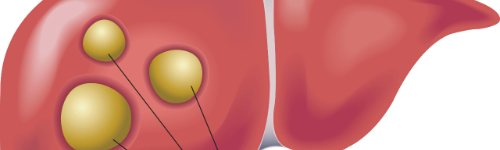
Liver Cysts
Liver Disease
Liver Cysts Overview Liver cysts are abnormal sacs on the liver. Facts at-a-Glance The cause of simple Liver Cysts is not known, but they may result from a malformation present at birth. Liver Cysts occur in approximately 5% of the population. Most liver cysts are found incidentally when imaging of the liver is done for other reasons. Symptoms and Causes What are the causes of liver cysts? Liver cysts causes are unknown. Liver cysts can be present at birth or can develop at a later time. They usually grow slowly and are not detected until adulthood. Some can have cysts in other organs (kidney and/or pancreas). If polycystic liver disease is present, careful monitoring may be needed. Some cysts are caused by a parasite, echinococcus that is found in sheep in different parts of the world. What are the symptoms of liver cysts? Most liver cysts do not cause any symptoms. However, if cysts become large, they can cause bloating, nausea and pain in the upper right part of your abdomen. Sometimes, liver cysts become large enough that you can feel them through your abdomen. Diagnosis and Tests How are liver cysts diagnosed? Since most liver cysts do not cause any symptoms, they usually are detected only on ultrasounds or computerized tomography (CT) scans. If symptoms do occur, a doctor may perform an abdominal CT scan to look at the liver. A blood test will rule out a parasite as the cause of the liver cyst. Management and Treatment How are liver cysts treated? Most liver cysts do not require any intervention. In the absence of symptoms, simple cysts do not require any follow-up imaging. If symptomatic, other causes for the symptoms, such as gallstones, gastroesophageal reflux, gastric dysmotility, or peptic ulcers, should be considered. If the cysts are large and causing symptoms, they can be drained and injected with a sclerosing agent to lessen the chance for recurrence, surgically deroofed to allow the fluid to be reabsorbed, and drained internally. The choice will depend on local expertise and patient preference. If the cyst has malignant potential (mucinous cystic neoplasm associated with carcinoma), it may require surgical resection. Prevention Since most liver cysts are congenital, meaning they are present from birth, there is no way to prevent their development. Outlook/Prognosis Benign (noncancerous) cysts cause no problems. A physician may want to monitor them over time with periodic CT scans or ultrasounds to look for any growth or change. If liver cysts have been surgically or medically removed, they rarely return, so no further attention would be needed. Living With Liver Cysts No special attention is needed other than periodic imaging tests. For overall liver health, eating a healthy and nutritious diet, exercise, and being careful with medications and supplements that may harm the liver is recommended. It is also recommended to be vaccinated against hepatitis A and B. Questions to Ask Your Doctor How do I know whether my cyst is benign or cancerous? Have you seen many other patients with this particular condition? Will I need to have a liver biopsy performed? What kinds of scans are needed? Can a cyst be removed if it is causing me discomfort? If my cysts need to be removed, is there a specific specialist that I should be referred to? Will my cyst be monitored to check on its size and location over a period of time? If I have liver cysts, should I get other kinds of testing to check for cysts anywhere else in my body? What is polycystic liver disease? Polycystic liver disease (PLD) is the development of multiple cysts in the liver. PLD cysts may cause pain, but they usually do not affect liver function. If PLD starts affecting liver function or becomes too painful, surgery may be needed. However, cysts can reoccur after surgery. People with PLD are born with it, but usually do not have large cysts until they are adults. Polycystic liver disease is genetic. When it is found in one family member, all family members should be tested. PLD may be detected using an ultrasound or CT scan. It is more common in women than men. Most people with PLD also have polycystic kidney disease (PKD), which are cysts in the kidneys that can cause high blood pressure and kidney failure. Sometimes a liver transplant and a kidney transplant may be necessary. Search for a Clinical Trial Clinical trials are research studies that test how well new medical approaches work in people. Before an experimental treatment can be tested on human subjects in a clinical trial, it must have shown benefit in laboratory testing or animal research studies. The most promising treatments are then moved into clinical trials, with the goal of identifying new ways to safely and effectively prevent, screen for, diagnose, or treat a disease. Speak with your doctor about the ongoing progress and results of these trials to get the most up-to­ date information on new treatments. Participating in a clinical trial is a great way to contribute to curing, preventing and treating liver disease and its complications. Start your search here to find clinical trials that need people like you. Source: https://liverfoundation.org/liver-diseases/complications-of-liver-disease/liver-cysts/

Liver Disease
Liver Disease
Liver Disease What Does Your Liver Do? Your liver is essential to your life. It is the largest solid internal organ in the body. It is about the size of a football and weighs about 3 to 3.5 pounds (1.36–1.59kg). It is located on your right side, just under your rib cage. The liver performs many vital functions, including filtering toxins from your blood, managing blood clotting, making bile to digest fat, storing sugar for energy, turning extra glucose into glycogen, making protein for blood plasma, and helping with digestion. What Does Your Liver Do? READ MORE What is Liver Disease? There are many kinds of liver diseases and conditions, the most common are hepatitis viruses, nonalcoholic fatty liver disease (NAFLD), autoimmune diseases, genetic conditions, cancer, and others. Liver disease has many causes such as: Infections: Viruses and parasites can infect the liver. The most common infections are hepatitis viruses. Liver-damaging viruses can be spread through contaminated food or water, unscreened blood transfusions, sexual contact, exposure to blood/body fluids, and other ways. Immune system abnormalities: Your immune system protects your body from germs and toxins. But that system can attack certain parts of your body (autoimmune), including your liver. Examples of autoimmune liver diseases include: autoimmune hepatitis; primary biliary cholangitis; primary sclerosing cholangitis. Genetics: An abnormal gene inherited from one or both of your parents can cause liver damage. Genetic liver diseases include: hemochromatosis; Wilson's disease; alpha-1 antitrypsin deficiency. Cancer and other growths: Examples include: liver cancer; bile duct cancer; liver adenoma. Other causes of liver disease: long-term alcohol use; fat accumulation in the liver (NAFLD; nonalcoholic fatty liver disease); obesity; some prescription or over-the-counter medications; some herbal compounds. Learn about the different kinds of liver diseases and conditions, along with information on its causes. READ MORE What is Liver Disease? How Many People Have Liver Disease? More than 100 million people in the U.S. have some form of liver disease. Find more statistics about the different forms of liver disease. How Many People Have Liver Disease? READ MORE Fatty Liver Disease Learn about fatty liver disease, also called nonalcoholic fatty liver disease (NAFLD), its causes and related statistics. READ MORE Hepatitis Learn about the most common forms of hepatitis, how it affects liver function and related data. READ MORE Liver Cancer Find information about liver cancer, also called hepatocellular carcinoma (HCC), its causes, risk factors and related facts. READ MORE Pediatric Liver Disease Find information about the most common liver diseases and conditions affecting children. READ MORE Alcoholic Related Liver Disease (ALD) Learn about Alcohol Related Liver Disease (ALD) and its link to cirrhosis, liver cancer, and acute and chronic liver failure. READ MORE Rare Liver Diseases There are many types of rare liver diseases. Find information and statistics about the most common forms. READ MORE Liver Transplantation Find information and statistics about liver transplant in the U.S. READ MORE Frequently Asked Questions How Can I Find Liver Disease Support and Resources? Find a Doctor Support Groups - Local support groups are great resources for people to connect and be able to share their experiences with others. Finding local resources is easy—go to the ALF Resource Center . If there are no support groups near you, we have created an online forum on the platform Inspire. Here you can connect with other patients with liver disease and t heir families to share experiences, information and support. Treatment Centers Substance Abuse and Mental Services Administration (SAMHSA) Drug Abuse Treatment Referral HelpLine 800-662-4357 Additional Resources include: Treatment service locator for alcohol and drug abuse or mental health Buprenorphine physicians and treatment programs authorized to treat opioids, such as heroin or prescription pain relievers. Treatment programs in your state that treat addiction and dependence on opioids, such as heroin or prescription pain relievers. Also, if you have health insurance, many plans include behavioral health assistance, and we suggest contacting your member services to see if further information is available. Clinical Trials - Helpful resources to find a clinical trial can be found: ALF Resource Center National Cancer Institutes (NCI) – Educational resources on all types of cancer including liver cancer. 800-422-6237 Clinical Trials Registry – National Institutes of Health (NIH) Clinical trial locator in the U.S. and other countries Comprehensive for clinical trials in the U.S. Advance search available by condition (e.g., HCV, NAFLD, HCC etc.), recruitment (open studies vs. closed studies) and other criteria World Health Organization (WHO) International Clinical Trials Registry Platform – World-wide clinical trial locator How is Liver Disease Diagnosed? Diagnosing liver disease may involve liver function tests, a liver biopsy and more advanced forms of imaging. Read more . What is Viral Hepatitis? Hepatitis is inflammation of the liver. It can cause liver damage, affecting its vital functions. It is often caused by various forms of hepatitis viruses; the most common in the U.S. are hepatitis A, B, and C. People can also get inflammation of the liver from heavy alcohol use, toxins, some medications, and some medical conditions, such as diabetes and obesity. Learn more about the different types of Hepatitis: About Hepatitis A About Hepatitis B About Hepatitis C What is Fatty Liver Disease? Fatty liver disease is a condition in which excess fat is stored inside liver cells, making it harder for the liver to function. One cause of fat buildup in the liver is heavy alcohol use, referred to as alcoholic fatty liver disease. This is a common, but preventable disease and is the earliest stage of alcohol-related liver disease. Read more about the different stages of alcohol-related liver disease . When the buildup of fat in the liver is not related to significant alcohol consumption, the condition is called nonalcoholic fatty liver disease (NAFLD). What Should I Know About Liver Transplantation? Liver transplantation is a surgical procedure performed to remove a diseased or injured liver from one person and replace it with a whole or a portion of a healthy liver from another person, called the donor. About Transplant Living Donor Liver Transplant Where can I find a clinical trial? Helpful resources to find a clinical trial can be found: ALF Resource Center National Cancer Institutes (NCI) – Educational resources on all types of cancer including liver cancer. 800-422-6237 Clinical Trials Registry – National Institutes of Health (NIH) Clinical trial locator in the U.S. and other countries Comprehensive for clinical trials in the U.S. Advance search available by condition (e.g., HCV, NAFLD, HCC etc.), recruitment (open studies vs. closed studies) and other criteria World Health Organization (WHO) International Clinical Trials Registry Platform – World-wide clinical trial locator Is There a Special Diet for Liver Disease? Eating well is a great lifestyle change that can help your liver function at its fullest potential. Making changes in your diet include limiting fats and sugars while increasing consumption of fruits, vegetables, lean meats and whole grains. Learn more about: Liver Disease Diets Find a Dietician Learn About Healthy Foods Additional Information What Does Your Liver Do? Your liver is essential to your life. Learn about the liver’s important functions. Read More What is Liver Disease? Learn about the different kinds of liver diseases and conditions, along with information on its causes. Read More How Many People Have Liver Disease? More than 100 million people in the U.S. have some form of liver disease. Find more statistics about the different forms of liver disease. Read More Fatty Liver Disease Learn about fatty liver disease, also called nonalcoholic fatty liver disease (NAFLD), its causes and related statistics. Read More Hepatitis Learn about the most common forms of hepatitis, how it affects liver function and related data. Read More Liver Cancer Find information about liver cancer, also called hepatocellular carcinoma (HCC), its causes, risk factors and related facts. Read More Pediatric Liver Disease Find information about the most common liver diseases and conditions affecting children. Read More Rare Liver Diseases There are many types of rare liver diseases. Find information and statistics about the most common forms. Read More Liver Transplantation Find information and statistics about liver transplant in the U.S. Read More Health & Wellness Healthy Lifestyle 30-Day Liver Healthy Meal Pla n Best Practices for Food Safety and Important Information Tips on How to Take Care of Your Liver 10 Healthy Supermarket Tips Webinars on Health and Wellness Movement and Mindfulness Medications Managing Your Medications Read the Label Know Your Medicine How to Use Medications Responsibly Talk With Your Doctor Acetaminophen Awareness Educational Materials Related Links Resources Educational Materials Wellness Webinars Nutrition Videos Liver Resource Center Blog Caregiver Resources Clinical Trials Educational Materials Find a Liver Transplant Center Find a Physician Help Center Online Support Groups Organ Donation Our Inspiration Palliative Care Peer Support Program Related Links State Resources Video Library Source: https://liverfoundation.org/