
Other Disease Conditions
All Other Disease Conditions
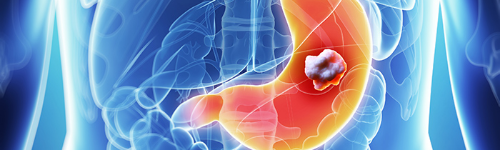
Abdominal Pain
Pain Conditions
Abdominal Pain The most common causes of stomach pain are: Gastritis Gastritis, an inflammation of the stomach lining, is one of the most frequent causes of stomach pain. It is often accompanied by burping or flatulence, general malaise, a burning sensation in the stomach, or lower abdominal pain. Stomach pain caused by gastritis is often due to the presence of Helicobacter pylori bacteria (or H. pylori). This bacteria can slow down normal digestion, which can lead to food remaining in the stomach for longer periods of time. What to do: If you have any symptoms, you should consult a gastroenterologist or general physician for assessment. If the diagnosis is confirmed, medication to relieve symptoms and diminish stomach acid production (like omeprazole and esomeprazole, for example) may be indicated. Heartburn Acid reflux, or heartburn, can cause stomach pain, as well as a burning or heavy sensation in the stomach, burping and dry coughing after meals. The symptoms of heartburn typically emerge a few minutes after finishing a meal and usually happen due to the back-up of stomach content toward the esophagus. This backward flow can also result in a bitter taste in the mouth. What to do: In these cases, it is very important to seek the opinion of a gastroenterologist, who will assess your symptoms and indicate the most appropriate treatment. Usually, heartburn is treated with medication that inhibits stomach acid production, like omeprazole and ranitidine. Certain changes to your diet can also help with preventing heartburn. You should avoid fatty foods, alcohol, and processed foods. You should also avoid eating at least 3 hours before sleeping, as lying down can regurgitate stomach content toward the esophagus. Stomach ulcers Stomach ulcers can form due to the presence of H. pylori, and can also form due to poor diet (e.g. frequent intake of fatty foods, processed foods and acidic foods). Common symptoms of stomach ulcers include stomach pain, nausea, vomiting and abdominal discomfort. What to do: The recommended treatment for stomach ulcers is antacid medication as directed by the doctor. This will protect the stomach's mucus lining from further damage. Analgesics may also be indicated to help relieve pain. Gastroenteritis Different from gastritis, which is an inflammation of the stomach, gastroenteritis presents as an inflammation of the stomach and intestines. It can be caused by foreign microorganisms and usually results in stomach pain, general malaise, diarrhea, and headaches. What to do: It is important to maintain adequate fluid intake by drinking plenty of water or tea. This will help to prevent dehydration, which is a common side effect of gastroenteritis. If symptoms like fever, chills, or frequent vomiting emerge, you should seek prompt medical attention for treatment to prevent any further complications. Anti-inflammatory medication Frequent or long-term use of anti-inflammatory medication like ibuprofen can also cause stomach pain. Pain emerges because this type of medication can deteriorate the protective lining of the stomach, leaving the stomach walls prone to injury from stomach acid. What to do: Anti-inflammatory medication can be taken in conjunction with stomach acid inhibitors, like omeprazole, or with antacids, like aluminum hydroxide. Inhibitors and antacids should be taken while fasting to increase their efficacy. It is also important to remember to take anti-inflammatories with food, particularly after meals. After an endoscopy It is normal to have stomach pain after an endoscopy. During this procedure, a long hose with an ultrasound tip is inserted into the mouth and travels down the throat to the stomach. This can cause some discomfort along the digestive tract for several hours after the procedure. However, if the pain lasts for longer than 48 hours, you should seek medical treatment from your gastroenterologist. What to do: To relieve symptoms, antacid medication or stomach lining protectors can be taken. If vomiting and blood is present, then medical attention should be sought quickly. Stomach cancer Stomach cancer usually results as a complication of a stomach ulcer. Typical symptoms include persistent stomach pain, weight loss with no apparent cause, vomiting or stools with blood, and loss of appetite. What to do: It is important to see a gastroenterologist as soon as possible if you have any of these symptoms. A diagnosis of stomach cancer is necessary to determine the severity of the cancer and to plan the best treatment. Treatment for some cases of stomach cancer involves surgically removing a part of the stomach, chemotherapy and/or radiation therapy. How to relieve stomach pain Additional ways to relieve stomach pain include: Wearing loose clothing and resting in calm, quiet environments Drinking Maytenus ilicifolia tea, an excellent herbal option that is typically used to treat stomach problems Eating a boiled pear or apple Eating a small sliver of raw potato, which is a known natural antacid with little-to-no contraindications Applying a warm compress directly over the stomach Drinking small sips of cold water, which will help with digestion and hydration A light diet rich in salads, fruits and fruit smoothies can help to treat stomach pain. Intake of fatty foods and alcohol should generally be avoided. Source: https://www.tuasaude.com/en/pain-in-stomach/ Celiac Plexus Block This procedure temporarily disrupts the nerves of the celiac plexus. These nerves branch away from your spine. They connect to the organs in your abdomen. Pain signals caused by conditions such as pancreatitis or pancreatic cancer travel through these nerves on the way to your brain. A celiac plexus block can relieve your pain. Source: https://www.johnmichelsmd.com/contents/conditions-we-treat/abdominal-pain
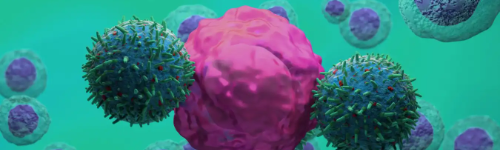
Adoptive Cell Therapies (Modified Stem Cells)
Stem Cell Therapy
Adoptive Cell Therapies (Modified Stem Cells) This involves collecting a patient's immune cells, genetically modifying them to fight a specific disease (like CAR T-cell therapy), and infusing them back into the body. CAR T-Cell: Widely approved for various liquid cancers and currently being tested for severe autoimmune diseases. Gene-Edited HSCT: Newer therapies like Casgevy use CRISPR technology to fix genetic faults in a patient’s own blood-forming stem cells. Questions to ask your Doctor - Adoptive Cell Therapies (Modified Stem Cells) These therapies involve genetically modified immune cells and require vigilance for specific inflammatory reactions. CRS Risk: What is the clinic’s protocol for managing Cytokine Release Syndrome (CRS) or other serious allergic reactions during the infusion? Logistics: Will I need a dedicated caregiver during the process, and do I need to remain close to the treatment center for a specific period after infusion? Integration: How is this therapy different from a standard stem cell transplant in terms of how it will fight my specific cancer or disease? Post-Treatment Life: Will I be able to continue working, and what are the specific signs of "delayed" side effects I should look for months later? Adoptive Cell Therapy (ACT) involving modified stem cells is a next-generation evolution of immunotherapy. While traditional ACT (like standard CAR-T) modifies mature immune cells, this approach intervenes at the "source"—genetically engineering stem cells to provide a long-lasting, self-renewing, or targeted defense against disease. What is Modified Stem Cell Adoptive Therapy? In this context, ACT refers to the process of harvesting a patient’s (autologous) or a donor's (allogeneic) stem cells, genetically modifying them outside the body ( ex vivo ), and then re-infusing them into the patient. Primary Types of Modified Stem Cell ACT Modified Hematopoietic Stem Cells (HSCs): These are "blood-forming" cells. By engineering HSCs (e.g., using CRISPR or lentiviral vectors), scientists can create a permanent factory in the bone marrow that continuously produces "pre-armed" immune cells to fight cancer or blood disorders like Sickle Cell Disease. Modified Mesenchymal Stem Cells (MSCs): MSCs have a natural "homing" instinct for inflammation and tumors. Researchers engineer them to carry "payloads"—such as anti-cancer drugs, cytokines, or oncolytic viruses—acting as biological Trojan horses that deliver treatment directly to a tumor site. iPSC-Derived "Off-the-Shelf" Therapies: Induced Pluripotent Stem Cells (iPSCs) are modified to become universal, standardized CAR-T or CAR-NK cells. This removes the need to harvest cells from the patient, allowing for immediate, mass-produced treatment. 2026 Breakthroughs: "Stemness" and Persistence As of early 2026, the biggest advancement in this field is engineering "stemness" into mature immune cells. Preventing Exhaustion: Researchers now overexpress specific genes (like c-Jun or BACH2 ) in CAR-T cells to make them behave more like stem cells. This allows the cells to survive longer in the harsh environment of solid tumors, where traditional therapies usually "burn out." In Vivo Engineering: Pioneering trials in 2026 have begun testing In Vivo HSC engineering , where a viral vector is injected directly into the patient to modify their stem cells inside the body, bypassing the expensive lab-based manufacturing process. Top 3 Research Institutions for Modified Stem Cell ACT As of 2026, these three institutions are the undisputed leaders in moving modified stem cell therapies from the lab into the clinic. 1. San Raffaele Telethon Institute for Gene Therapy (SR-Tiget) Location: Milan, Italy Why they lead: SR-Tiget is the global pioneer in HSC-based gene therapy . They were the first to successfully treat several rare genetic disorders by modifying blood stem cells and are now applying those same platforms to "arm" the immune system against cancer. 2026 Focus: In May 2026, they launched a major collaboration with Cytiva to scale up the production of Lentiviral-modified HSCs , aiming to make these "living drugs" more affordable and accessible globally. 2. Fred Hutchinson Cancer Center (Fred Hutch) Location: Seattle, WA, USA Why they lead: Fred Hutch is a world leader in the intersection of bone marrow transplantation and immunotherapy. They are famous for "rewiring" the biology of CAR-T cells to give them "portable pit crews" —internal genetic modifications that allow the cells to rejuvenate themselves without needing to return to the lymph nodes. 2026 Focus: Their 2026 research, published in Science Immunology , demonstrated how engineering "stem-like" qualities into immune cells could finally break the barrier for treating solid tumors like lung and breast cancer. 3. Center for iPS Cell Research and Application (CiRA), Kyoto University Location: Kyoto, Japan Why they lead: Founded by Nobel laureate Shinya Yamanaka, CiRA is the world’s most advanced facility for iPSC-derived adoptive therapies . They have developed "master cell lines" that are genetically modified to be invisible to the human immune system. 2026 Focus: CiRA is currently leading the first large-scale clinical trials for iPSC-derived CAR-NK cells , which are designed to be "off-the-shelf" treatments for patients who are too sick to have their own cells harvested and modified. This field is rapidly moving toward "off-the-shelf" solutions to lower the massive costs associated with personalized medicine. Source: https://www.isscr.org/

Baylor Scott and White - Heart Healthy Diet
Heart Diets
Baylor Scott and White - Heart Healthy Diet A heart healthy diet is low in saturated fat, cholesterol, sugar and salt but high in fiber An assortment of healthy ingredients, including beans, fish, berries and vegetables A heart healthy diet plan is low in saturated fat and cholesterol. The best heart healthy diets increase your intake of fiber and decrease how much sugar, sodium and salt you eat. By learning to read food labels, you can determine the amount of sodium, sugar or cholesterol in a product and make healthier food choices. Reduce saturated fat and cholesterol To protect your heart, you must reduce the amount of saturated fat and cholesterol in your diet. Choose low-fat, low-cholesterol foods whenever possible, seek out heart healthy diet recipes and ask for heart healthy diet menus when you eat out. Examples of heart healthy diet foods include: Canola oil, olive oil, olives, avocado and nuts Non-fat or 1% milk, non-fat or low-fat yogurt Fresh fruits and vegetables, plain frozen vegetables Whole-grain bread, cereal, pasta, pretzels Fish*, white-meat chicken and turkey, dried beans, tofu and lean cuts of meat *Children and pregnant women should avoid eating fish with the highest level of mercury contamination. Low-fat cooking Broil, roast, bake, steam or microwave fish, chicken, turkey and lean cuts of red meat Remove the skin of chicken and cut the extra fat off meat before you cook it Brown meat under the broiler Use broth instead of fat Use nonstick pans or cooking sprays Steam or microwave vegetables, and serve with herbs or non-fat, butter-flavored seasoning Eat less sugar Research indicates that a diet high in sugar can increase your risk of heart disease. For a healthier heart, reduce the amount of sweets in your daily diet. When you're researching heart healthy diet recipes, choose: Fresh fruit Homemade dessert breads such as pumpkin, zucchini and cranberry Club soda, seltzer water or mineral water Avoid: Sweet snacks and candy Store-bought pies, cookies and other packaged baked goods Read food labels On food labels, the section labeled Nutrition Facts will tell you how much sodium is in a product. Also, check the list of ingredients. Look for the words "salt" or "sodium." If either word is listed at the beginning of the list or more than once, the food probably has a lot of sodium and should not be a part of your heart healthy diet recipe. Sodium-free: Less than 5 mg of sodium per serving Very Low sodium: 35 mg or less of sodium per serving Low sodium: 140 mg or less of sodium per serving Reduced sodium: At least 25% less sodium per serving than the regular product Light or lite: At least 50% less sodium per serving than the regular product No salt added: No salt is added to a product that normally has salt added Decrease sodium and salt Sodium is in salt. It is used to flavor and preserve foods. In some people, sodium can contribute to high blood pressure. Choose and prepare foods with little or no salt. Aim to eat less than 2,300 milligrams of sodium per day. Eat more fiber A diet high in fiber can help lower your cholesterol, which is good for a healthy heart diet. Adults need about 25 grams of fiber each day. Check the chart below to see how much fiber you're getting in your diet. Nutrition News https://www.bswhealth.com/heart-and-vascular-hospital/patient-education/diet-and-nutrition/adding-color https://www.bswhealth.com/heart-and-vascular-hospital/patient-education/diet-and-nutrition/summer-grilling https://www.bswhealth.com/heart-and-vascular-hospital/patient-education/diet-and-nutrition/diabetes-during-holidays https://www.bswhealth.com/heart-and-vascular-hospital/patient-education/diet-and-nutrition/prevent-food-waste https://www.bswhealth.com/heart-and-vascular-hospital/patient-education/diet-and-nutrition/heart-healthy-diet Source: https://www.bswhealth.com/heart-and-vascular-hospital/patient-education/diet-and-nutrition/heart-healthy-diet

Bone Pain
Pain Conditions
Bone Pain Compression Fractures of the Spine This is a collapse of vertebral bone. It can affect one or more vertebrae. Compression fractures typically develop in your mid or lower back. This can change the shape of your spine. Facet Joint Syndrome This condition is a deterioration of the facet joints, which help stabilize the spine and limit excessive motion. The facet joints are lined with cartilage and are surrounded by a lubricating capsule that enables the vertebrae to bend and twist. Radiofrequency Neurotomy of the Lumbar Facets During this minimally-invasive procedure, the physician uses heat from radio waves to treat painful facet joints in your lower back. This procedure is also called radiofrequency rhizotomy. It can treat pain that doesn’t respond to medications or to physical therapy. Lumbar Transforaminal Epidural Steroid Injection This outpatient procedure is an injection of a steroid-anesthetic medication. The medication can reduce swelling and inflammation of irritated spinal nerves. This procedure is performed to relieve pain in the lower back and pain that radiates from the back to the legs. The injection takes only a few minutes to complete. Source: https://johnmichelsmd.com/contents/conditions-we-treat/bone-pain
Chronic Respiratory Disease
Other Disease Conditions
Chronic Respiratory Disease When you can’t breathe, nothing else matters®. Lung cancer is the #1 cancer killer of both women and men in the United States. The 8 Most Common Types of Respiratory Disease Asthma. COPD. Cystic Fibrosis. Lung Cancer. Tuberculosis. Bronchitis. Pneumonia. Emphysema. Lung diseases are some of the most common medical conditions in the world. Tens of millions of people have lung disease in the U.S. alone. Smoking, infections, and genes cause most lung diseases. Your lungs are part of a complex system, expanding and relaxing thousands of times each day to bring in oxygen and send out carbon dioxide. Lung disease can happen when there are problems in any part of this system. Lung Diseases Affecting the Airways Your windpipe ( trachea ) branches into tubes called bronchi, which in turn become smaller tubes throughout your lungs. Diseases that can affect these airways include: Asthma. Your airways are constantly inflamed and may spasm, causing wheezing and shortness of breath. Allergies , infections, or pollution can trigger asthma symptoms. Chronic obstructive pulmonary disease ( COPD ). With this lung condition, you can’t exhale the way you usually would, which causes trouble breathing. Chronic bronchitis. This form of COPD brings a long-term wet cough . Emphysema. Lung damage allows air to be trapped in your lungs in this form of COPD . Trouble blowing air out is its hallmark. Acute bronchitis. This sudden infection of your airways is usually caused by a virus. Cystic fibrosis. With this condition, you have trouble clearing mucus out of your bronchi. This leads to repeated lung infections. Lung Diseases Affecting the Air Sacs (Alveoli) Your airways branch into tiny tubes (bronchioles) that end in clusters of air sacs called alveoli. These air sacs make up most of your lung tissue. Lung diseases affecting your alveoli include: Pneumonia. An infection of your alveoli, usually by bacteria or viruses, including the coronavirus that causes COVID-19. Tuberculosis Pneumonia that slowly gets worse, caused by the bacteria Mycobacterium tuberculosis . Emphysema. This happens when the fragile links between alveoli are damaged. Smoking is the usual cause. (Emphysema also limits airflow, affecting your airways.) Pulmonary edema. Fluid leaks out of the small blood vessels of your lung into the air sacs and the area around them. One form is caused by heart failure and back pressure in your lungs' blood vessels. In another form, injury to your lung causes the leak of fluid. Lung cancer. It has many forms and may start in any part of your lungs. It most often happens in the main part of your lung, in or near the air sacs. Acute respiratory distress syndrome (ARDS). This is a severe, sudden injury to the lungs from a serious illness. COVID-19 is one example. Many people who have ARDS need help breathing from a machine called a ventilator until their lungs recover. Pneumoconiosis. This is a category of conditions caused by inhaling something that injures your lungs. Examples include black lung disease from coal dust and asbestosis from asbestos dust. Lung Diseases Affecting the Interstitium The interstitium is the thin, delicate lining between your alveoli. Tiny blood vessels run through the interstitium and let gas transfer between the alveoli and your blood. Various lung diseases affect the interstitium: Interstitial lung disease (ILD). This is a group of lung conditions that includes sarcoidosis , idiopathic pulmonary fibrosis , and autoimmune disease . Pneumonia and pulmonary edema can also affect your interstitium. Lung Diseases Affecting Blood Vessels The right side of your heart gets low-oxygen blood from your veins. It pumps blood into your lungs through the pulmonary arteries . These blood vessels can have diseases, as well. Pulmonary embolism (PE). A blood clot (usually in a deep leg vein, called deep vein thrombosis ) breaks off, travels to your heart , and gets pumped into your lungs. The clot sticks in a pulmonary artery, often causing shortness of breath and low blood oxygen levels. Pulmonary hypertension. Many conditions can cause high blood pressure in your pulmonary arteries. This can lead to shortness of breath and chest pain . If your doctor can’t find a cause, they’ll call it idiopathic pulmonary arterial hypertension . Lung Diseases Affecting the Pleura The pleura is the thin lining that surrounds your lung and lines the inside of your chest wall. A tiny layer of fluid lets the pleura on your lung's surface slide along the chest wall with each breath. Lung diseases of the pleura include: Pleural effusion. Fluid collects in the space between your lung and the chest wall. Pneumonia or heart failure usually causes this. Large pleural effusions can make it hard to breathe and may need to be drained. Pneumothorax. Air may get into the space between your chest wall and the lung, collapsing the lung. Mesothelioma. This is a rare form of cancer that forms on the pleura. Mesothelioma tends to happen several decades after you come into contact with asbestos. Lung Diseases Affecting the Chest Wall Your chest wall also plays an important role in breathing. Muscles connect your ribs to each other, helping your chest expand. Your diaphragm descends with each breath, also causing chest expansion. Diseases that affect your chest wall include: Obesity hypoventilation syndrome. Extra weight on your chest and belly can make it hard for your chest to expand. This may cause serious breathing problems . Neuromuscular disorders. You might have trouble breathing when the nerves that control your respiratory muscles don’t work the way they should. Amyotrophic lateral sclerosis and myasthenia gravis are examples of neuromuscular lung disease. Common Lung Diagnostic Tests If you have trouble breathing , your doctor may recommend a few tests to figure out what’s causing it. Some measure how much air you breathe in or out or how much oxygen is going from your lungs to the rest of your body, while others can show if you have an infection or another problem that’s keeping you from breathing well. Simple Tests Spirometry . This is the simplest and most common lung test. You breathe in and out as hard as you can through a tube, and your doctor measures the volume of air exhaled at specific time points during a forceful and complete exhalation after a maximal inhalation. It can help diagnose conditions that affect how much air your lungs can hold, like chronic obstructive pulmonary disease (COPD). Doctors will test spirometry before and after albuterol, bronchodilator and see if there is an improvement with the medication s which is seen in asthma, but not in COPD. Challenge test. Your doctor will do spirometry first, then ask you to breathe in a spray of a drug called methacholine, which can irritate your airways and make them narrow. Your doctor will do another spirometry to see how the spray affects your breathing. They’ll repeat this with small doses until you start to wheeze or feel short of breath. Your doctor may give you medicine to open your airways again. This test is not routinely done to diagnose asthma . If your doctor thinks you have a condition called exercise -induced asthma , they may do a similar version of this test called an exercise challenge. Instead of methacholine, your doctor will ask you to use a treadmill or stationary bike and see how that physical activity affects your breathing. FeNO test. With this, you blow slowly and steadily into a device, and it measures how much nitric oxide is in the air you breathe out. It’s used with people who have certain types of asthma to see if there’s any inflammation in their lungs and how well steroids are working to control inflammation . It is safe, noninvasive, can be done over and over and is used in kids when spirometry is difficult to perform. Peak flow measurement. This uses a small plastic device to see how much air you can blow out of your lungs. You take a deep breath and then breathe out as fast and hard as you can. It’s most often used in people with asthma, a condition that narrows the air passages that lead to your lungs. The test compares each result with your best reading. A number above 80% of your best result is good; a number below 50% means you should get help right away. This test can give you advance warning of an asthma attack . Pulse oximetry, or “pulse ox.” This test uses a device that measures how much oxygen your red blood cells are carrying. The device is usually clipped onto your fingertip, but it can be attached to your nose, foot , ears , or toes. The results are shown as a percentage, with a good result being over 90%. If your numbers are below 90%, your doctor may give you oxygen to help you breathe. Advanced Tests Plethysmography. This gives your doctor a more exact measurement of how much air your lungs can hold. You’ll sit in a booth with a clip holding your nose shut while you breathe through a mouthpiece. This can tell your doctor if your airways have narrowed or how much an ongoing problem like asthma or COPD has hurt your breathing. It can also help your doctor decide what medicines you need or if you might need surgery. Diffusion capacity test. This measures how well your lungs pass oxygen to your blood . You’ll breathe in and out through a tube for several minutes, and your doctor may take a sample of your blood to help calculate the results. This test can show if your lungs have been damaged or if you have problems with blood flow. Imaging Tests Chest X-ray. This can be used to look for problems like pneumonia, an infection that makes fluid build up in your lungs. It also can help diagnose cancer or a buildup of scar tissue in your lungs known as pulmonary fibrosis. Computerized tomography (CT) or positron emission tomography (PET) scans . These are more advanced imaging tests that can be used to find problems that an X-ray might not until they’re further along, like cancer . A CT scan is a series of X-rays taken from different angles that are put together to make a more complete picture. A PET scan uses a special dye that lets your doctor see parts of your body more clearly. Chest ultrasound . This uses high-frequency sound waves to make an image of your lungs. It can help your doctor see if there’s any fluid buildup in or around your lungs. Pulmonary angiogram. This is a type of CT scan that focuses on the pulmonary arteries -- the blood vessels that connect your heart and lungs. It’s used to spot a potentially life-threatening blood clot in your lungs known as a pulmonary embolism . Invasive Tests Bronchoscopy. Your doctor will slide a small tube with a camera on the end into your airways. The camera lets them look inside those passages for things like mucus , blood, or tumors. You’ll be given medicine to make you sleepy or to numb your air passages before the test, and you may get oxygen during the test. You may have a sore throat afterward. A bronchoscope can also collect small samples of tissue for testing. This is known as a biopsy , and it’s commonly used to look for diseases like cancer . Mediastinoscopy. This uses a similar tool to look at the space between your right and left lung lobes behind your breastbone. But doctors have to cut a small hole into your chest to put the device in. Because of that, you’ll be given medicine to make you sleep during the procedure. It’s usually done to take out lymph nodes and look for signs of cancer that has spread from your lungs. This can help doctors figure out the best way to treat the disease. Pleural biopsy: Your lungs are surrounded by a layer of tissue called the pleura, and some health problems can make fluid build up in the space between the pleura and your lungs. If that’s the case, this test might help your doctor figure out what’s causing it. A pleural biopsy usually uses a needle to get a sample of the tissue. The needle goes into your chest between the ribs on your back. Your doctor will give you medicine to numb the skin around that spot before the test. Source: https://www.webmd.com/lung/breathing-diagnostic-tests American Lung Association See: https://www.lung.org/lung-health-diseases Source: https://www.lung.org/

Cleveland Clinic - Heart-Healthy Diets
Heart Diets
Cleveland Clinic - Heart-Healthy Diets The Mediterranean diet, DASH diet or more plant-based eating plans can improve heart health. Nutrition serves as a cornerstone for heart health. It’s a well-known fact that what you eat day after day can play a significant role in how well your heart and blood vessels perform their life-sustaining duties. So, when it comes to picking a diet or eating plan to reduce your risk of cardiovascular disease and keep your ticker happy, what are your best options? Let’s get some suggestions from registered dietitian Julia Zumpano, RD, LD. What makes a diet heart-healthy? When it comes to adopting a heart-healthy diet, you have options. There isn’t just ONE way to do it. But there are common themes that run through eating plans that are considered good for your heart . Most heart-healthy diets emphasize eating: Vegetables Fruits Nuts Whole grains Legumes Lean animal protein Fish “The most powerful and empowering diets help you focus on what you can and should eat for your health,” emphasizes Zumpano. “They’re about including more foods that are better for your body.” Some foods should be limited, too, given their sometimes less-than-ideal effect on your body. The list of foods to avoid while eating heart-healthy includes: Food high in saturated fats Red meat (beef, pork, veal, lamb) Processed meats (hot dogs, salami, pepperoni and various deli meats) Refined carbohydrates (white breads, crackers, salty snack foods, baked goods) Sweetened beverages (soda and other sugary drinks) It can be difficult to eliminate some of these things from your diet completely — and that’s OK, stresses Zumpano. “The key is moderation,” she says. “Make these foods occasional treats instead of a regular habit.” But the more occasional the better. These foods aren’t only bad for your heart, but they can also contribute to a variety of health issues and chronic diseases like diabetes, cancer and obesity. The Cleveland Clinic Diet app Heal your body with the best diet tips and so much more. Less than $10 a month! Get Started Heart-healthy diets to consider The following heart-healthy diets offer more concrete plans on what to eat. Mediterranean diet Why do some people on this planet live longer than others? A global team of researchers who set out to answer that question in the 1950s introduced us to what’s known as the Mediterranean diet . The diet reflects the traditional eating habits of people living around the Mediterranean Sea. That study connected those dietary patterns to lower rates of heart disease and longer life. Meals are built around plant-based foods and healthy fats found in fish and nuts. ( Learn more about what that might look like on your plate.) By choosing foods that fit within the diet, you naturally consume: Fiber that helps maintain healthy blood sugar levels Antioxidants that protect your cells from damaging free radicals Omega-3 fatty acids that fight inflammation In addition, you’re limiting: Saturated and trans fats that can raise your “bad” LDL cholesterol Sodium that can elevate blood pressure Refined carbohydrates and sugar that can contribute to blood sugar spikes and weight gain Zumpano emphasizes that the Mediterranean diet is a sustainable way of eating that has been embraced by certain cultures for centuries. “It’s a diet based on eating whole foods — not going hungry,” she says. Better yet, it seems to work. One study found that people who followed the eating plan for five years had a 30% lower risk of heart attack, stroke and cardiovascular-related death than those who ate a low-fat diet during the same time. “We know that the standard Mediterranean diet has proven to be very disease-preventive,” she adds. “There’s no question about the benefits.” DASH diet The DASH diet doesn’t mean you eat quickly. Instead, it stands for D ietary A pproaches to S top H ypertension, an eating plan designed to lower high blood pressure — a key factor in heart disease. The eating plan is rich in fruits, vegetables, whole grains, nuts and seeds. (Sounds familiar, right?) But unlike the Mediterranean diet, the DASH diet encourages the consumption of low-fat dairy products, more grains and lower levels of fat. The standard DASH diet also limits sodium intake to fewer than 2,300 milligrams (mg) per day to help keep blood pressure in check . A reduced-sodium version of the DASH diet sets the target at 1,500 mg per day. (On average, people in the U.S. consume 3,400 mg of sodium per day.) “The foundation of the Mediterranean diet and DASH diet are similar with a focus on whole foods,” Zumpano points out. “Both are phenomenal heart-healthy diets with proven track records.” On a side note, if you blend the Mediterranean and DASH diets you get something called the MIND diet , which is also worth a look. Vegetarian or vegan diets If diets that encourage plant-based foods are heart-healthy, it makes sense that diets even MORE focused on plant-based foods qualify, too. Like the previously mentioned diets, vegetarian or vegan eating plans can be effective at reducing heart disease risk factors such as high blood pressure, high cholesterol, obesity and diabetes, says Zumpano. In case you need a refresher on those eating plans: Vegetarian diets most commonly exclude meat, poultry or seafood, while allowing eggs and dairy products. (Some variations of the diet may make either eggs or dairy off-limits, too.) Vegan diets avoid eating any animal, fish or poultry and any of their products, including eggs, dairy and honey. Flexitarian diet If you’re somebody who enjoys the occasional hamburger but wants to follow a more heart-healthy diet, don’t worry: The flexitarian diet has you covered. This eating plan brings a “flexible” approach to being a “vegetarian.” The idea is to boost your intake of fruits, vegetables and other plant-based foods while still savoring the occasional cut of meat. Doing something as simple as embracing the concept of “ Meatless Mondays ” can be a way to embrace a more flexitarian mindset to eat healthier, says Zumpano. Talk to a doctor about heart-healthy habits While diet is an important part of keeping your heart healthy, you can take other protective actions to protect your ticker, including: Exercising regularly Reducing stress Limiting alcohol consumption Not smoking Talk with a healthcare provider or a registered dietitian about how you can develop a more heart-healthy way of living. “Whether it’s through diet or other means, there are things you can do to help your heart,” affirms Zumpano. “The more healthy lifestyle habits you instill, the more you can contribute to your heart ticking stronger and longer.” Source: https://health.clevelandclinic.org/heart-healthy-diet

Coronavirus disease (COVID-19)
Other Disease Conditions
Coronavirus disease (COVID-19) Coronavirus disease (COVID-19) is an infectious disease caused by the SARS-CoV-2 virus. Most people infected with the virus will experience mild to moderate respiratory illness and recover without requiring special treatment. However, some will become seriously ill and require medical attention. Older people and those with underlying medical conditions like cardiovascular disease, diabetes, chronic respiratory disease, or cancer are more likely to develop serious illness. Anyone can get sick with COVID-19 and become seriously ill or die at any age. The best way to prevent and slow down transmission is to be well informed about the disease and how the virus spreads. Protect yourself and others from infection by staying at least 1 metre apart from others, wearing a properly fitted mask, and washing your hands or using an alcohol-based rub frequently. Get vaccinated when it’s your turn and follow local guidance. The virus can spread from an infected person’s mouth or nose in small liquid particles when they cough, sneeze, speak, sing or breathe. These particles range from larger respiratory droplets to smaller aerosols. It is important to practice respiratory etiquette, for example by coughing into a flexed elbow, and to stay home and self-isolate until you recover if you feel unwell. Stay informed: Advice for the public Myth busters Questions and answers Situation reports All information on the COVID-19 outbreak Therapeutics and COVID-19 WHO develops the most up-to-date clinical practice guidelines for the use of therapeutics for patients with COVID-19 based on ongoing assessment of new evidence generated by the international medical research community and first responders. Guidelines and resources on this page include: Information on COVID-19 therapeutics under assessment by WHO and current timelines for the development of clinical practice guidelines. The most recent WHO guideline for therapeutics to treat COVID-19 and associated online interactive publication platform. Open-access journal publications for the current therapeutic recommendations. Resources and tools for health care workers to support prescribing and administering therapeutics and monitoring patients. Resources for patients, caregivers and families. Therapeutics and COVID-19 Guideline Development The WHO steering committee meets regularly to review new evidence for therapeutics and prioritize when a new guideline update will be triggered. WHO Guideline Development Group (GDG) is made up of an expert panel of global experts, frontline providers and patient partners developing transparent and trustworthy quality COVID-19 clinical practice guidelines. – Biographies of experts: WHO Guideline Development Group Living Guidelines for COVID-19. The GDG convenes regularly to prepare for and review evidence summaries from international clinical trials with the support of an expert team of methodologists; and then develops clinical practice recommendations for the use of therapeutics to treat patients with COVID-19 of any disease severity. Guidelines undergo peer review by a further set of clinicians and the Guideline Review Committee prior to publication. Rapid adaptation and implementation of WHO-recommended therapeutics into the COVID-19 clinical care pathways is essential at national and local levels to impact patient outcomes. Current list of therapeutics under review by the GDG with tentative timelines for the publication of recommendations and upcoming meetings. Source: https://www.who.int/health-topics/coronavirus#tab=tab_1 COVID-19: Long-term effects Some people continue to experience health problems long after having COVID-19. Understand the possible symptoms and risk factors for post-COVID-19 syndrome. Most people who get coronavirus disease 2019 (COVID-19) recover within a few weeks. But some people — even those who had mild versions of the disease — might have symptoms that last a long time afterward. These ongoing health problems are sometimes called post-COVID-19 syndrome, post-COVID conditions, long COVID-19, long-haul COVID-19, and post acute sequelae of SARS COV-2 infection (PASC). What is post-COVID-19 syndrome and how common is it? Post-COVID-19 syndrome involves a variety of new, returning or ongoing symptoms that people experience more than four weeks after getting COVID-19. In some people, post-COVID-19 syndrome lasts months or years or causes disability. Research suggests that between one month and one year after having COVID-19, 1 in 5 people ages 18 to 64 has at least one medical condition that might be due to COVID-19. Among people age 65 and older, 1 in 4 has at least one medical condition that might be due to COVID-19. What are the symptoms of post-COVID-19 syndrome? The most commonly reported symptoms of post-COVID-19 syndrome include: Fatigue Symptoms that get worse after physical or mental effort Fever Lung (respiratory) symptoms, including difficulty breathing or shortness of breath and cough Other possible symptoms include: Neurological symptoms or mental health conditions, including difficulty thinking or concentrating, headache, sleep problems, dizziness when you stand, pins-and-needles feeling, loss of smell or taste, and depression or anxiety Joint or muscle pain Heart symptoms or conditions, including chest pain and fast or pounding heartbeat Digestive symptoms, including diarrhea and stomach pain Blood clots and blood vessel (vascular) issues, including a blood clot that travels to the lungs from deep veins in the legs and blocks blood flow to the lungs (pulmonary embolism) Other symptoms, such as a rash and changes in the menstrual cycle Keep in mind that it can be hard to tell if you are having symptoms due to COVID-19 or another cause, such as a preexisting medical condition. It's also not clear if post-COVID-19 syndrome is new and unique to COVID-19. Some symptoms are similar to those caused by chronic fatigue syndrome and other chronic illnesses that develop after infections. Chronic fatigue syndrome involves extreme fatigue that worsens with physical or mental activity, but doesn't improve with rest. Why does COVID-19 cause ongoing health problems? Organ damage could play a role. People who had severe illness with COVID-19 might experience organ damage affecting the heart, kidneys, skin and brain. Inflammation and problems with the immune system can also happen. It isn't clear how long these effects might last. The effects also could lead to the development of new conditions, such as diabetes or a heart or nervous system condition. The experience of having severe COVID-19 might be another factor. People with severe symptoms of COVID-19 often need to be treated in a hospital intensive care unit. This can result in extreme weakness and post-traumatic stress disorder, a mental health condition triggered by a terrifying event. What are the risk factors for post-COVID-19 syndrome? You might be more likely to have post-COVID-19 syndrome if: You had severe illness with COVID-19, especially if you were hospitalized or needed intensive care. You had certain medical conditions before getting the COVID-19 virus. You had a condition affecting your organs and tissues (multisystem inflammatory syndrome) while sick with COVID-19 or afterward. Post-COVID-19 syndrome also appears to be more common in adults than in children and teens. However, anyone who gets COVID-19 can have long-term effects, including people with no symptoms or mild illness with COVID-19. What should you do if you have post-COVID-19 syndrome symptoms? If you're having symptoms of post-COVID-19 syndrome, talk to your health care provider. To prepare for your appointment, write down: When your symptoms started What makes your symptoms worse How often you experience symptoms How your symptoms affect your activities Your health care provider might do lab tests, such as a complete blood count or liver function test. You might have other tests or procedures, such as chest X-rays, based on your symptoms. The information you provide and any test results will help your health care provider come up with a treatment plan. In addition, you might benefit from connecting with others in a support group and sharing resources. Source: https://www.mayoclinic.org/diseases-conditions/coronavirus/in-depth/coronavirus-long-term-effects/art-20490351

Dishing Up Nutrition Podcast
Heart Diets
Dishing Up Nutrition With more than 575 episodes, Dishing Up Nutrition is an informative and reliable resource for people who want to learn about how nutrition can improve their lives while on the go. Hosted by licensed nutritionists and dietitians, the podcast emphasizes the power of real food to improve energy levels, metabolism, mood, digestion, and more. If you have a question about nutrition, the hosts and their expert guests take listener questions. How Avocados Help Control Your Blood Sugar Why this real food fat is great for cravings and blood sugars! PODCAST - 2/21/2022 Tips to Help Picky Eaters Deeper biological reasons for picky eating PODCAST - 2/12/2022 Break Your Sugar Addiction Break up with sugar with these tips PODCAST - 2/5/2022 Upcoming Shows Listen live Saturday, 8 a.m. on myTalk 107.1 FM or anytime on your favorite podcast app. February 26: How To Lose Weight Without Counting Calories March 5: Experiencing Menopause Fatigue March 12: Concerned About Hair Loss? Dangerous Foods for Women’s Health Watch out for these foods when focusing on health PODCAST - 1/29/2022 Avoiding Menopause Weight Gain Ways to boost your mindset and your metabolism during menopause PODCAST - 1/22/2022 Weight & Wellness Success with TJ & Anita a conversation with real people eating real food PODCAST - 1/15/2022 Diets for Cholesterol Management Our anti-inflammatory food plan to support your vascular health PODCAST - 1/8/2022 Setting Your Health Goals Start the year off right with new health goals PODCAST - 1/1/2022 Has Covid Got You Back On Sweets? Spooky facts about sugar, stress, and what to do about it PODCAST - 12/25/2021 Acne from Teenage to Menopause Skip these inflammatory foods for better skin no matter your age PODCAST - 12/18/2021 Developing a Strong Immune The science behind supporting your immune system PODCAST - 12/15/2021 How to Avoid Weight Gain During the Holidays Habits to help get through the holidays in a healthy way. PODCAST - 12/4/2021 Relief for Menopause Symptoms Symptoms and solutions for menopause following the real food way PODCAST - 11/27/2021 Reduce Anxiety With Food 3 biochemical reasons your food impacts mood PODCAST - 11/20/2021 Strategies for Controlling Your Blood Sugar Is it possible to control your blood sugar by eating avocados? Source: https://podcasts.apple.com/us/podcast/dishing-up-nutrition/id339853848
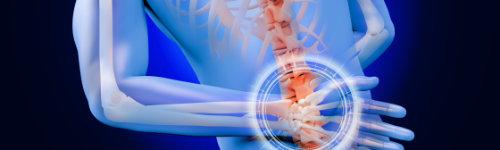
Failed Back Surgery Syndrome
Pain Conditions
Failed Back Surgery Syndrome Post-Laminectomy Syndrome This condition, also called “failed back syndrome,” is a type of chronic pain. It can develop in some people after spine surgery. Spinal Cord Stimulation Spinal cord stimulation (also called SCS) uses electrical impulses to relieve chronic pain of the back, arms and legs. It is believed that electrical pulses prevent pain signals from being received by the brain. SCS candidates include people who suffer from neuropathic pain and for whom conservative treatments have failed. Facet Joint Syndrome This condition is a deterioration of the facet joints, which help stabilize the spine and limit excessive motion. The facet joints are lined with cartilage and are surrounded by a lubricating capsule that enables the vertebrae to bend and twist. Radiofrequency Neurotomy of the Lumbar Facets During this minimally-invasive procedure, the physician uses heat from radio waves to treat painful facet joints in your lower back. This procedure is also called radiofrequency rhizotomy. It can treat pain that doesn’t respond to medications or to physical therapy. Source: https://www.johnmichelsmd.com/contents/conditions-we-treat/failed-back-surgery-syndrome

Fibromyalgia
Pain Conditions
Fibromyalgia This chronic condition is believed to be a type of interference with the way your brain processes pain signals. It leaves you highly sensitive to pain. If you have this condition, you may feel long-lasting pain throughout your body. The 7 Types of Fibromyalgia Pain Fibromyalgia is a soft rheumatic pain diagnosis that can provide the basis for several different types of pain. Many people do not realize that these are often divided into different variants. Here are the 7 types of fibromyalgia pain that you should know about. In fibromyalgia many of these pains can overlap and the pain picture varies greatly. Here we go through the seven categories of fibromyalgia pain so you can learn more about these. If a friend or family member has fibromyalgia, then this article can help you understand more about how this complex diagnosis affects them. We fight for those with other chronic pain diagnoses and diseases to have better opportunities for treatment and examination - something not everyone agrees with, unfortunately. This article will go through seven types of fibromyalgia pain - Some of them will surely surprise you. Hyperalgesia Hyperalgesia is the medical term for defining the increased pain you feel when you have fibromyalgia. 'Hyper' means more than normal and «algesia» is synonymous with smerte . Research has shown that certain brain parts of those with fibromyalgia interpret pain signals differently - and that these signals are interpreted at a much 'higher volume'. That is, the pain signals are misinterpreted and greatly amplified. This is one of the reasons why those with fibromyalgia can often experience stronger pain from aching muscles, nerves, and joints than others. Due to this, this patient group is also more dependent on physical treatment, daily mobility exercises and custom training (such as group training in hot water pool). Neuropathic Pain Many with fibromyalgia are affected by neuropathic pain. This type of pain can cause strange nerve symptoms such as tingling, burning, itching, numbness or tingling in the arms and legs. These symptoms can also be directly painful. There are several treatment measures that can help with such pain - including medication. Physical treatment, custom joints and acupuncture are treatments that can often help relieve neuropathic pain. Fibromyalgia headache Those with fibromyalgia usually have more frequent headaches. In fact, it is so common for this patient group to be affected significantly more often by neck-related headaches (stress headaches) and migraines. This is linked to three factors in those with fibromyalgia: Poor sleep quality (due to night pain) Overactive pain nerves Mental anxiety (chronic pain and poor sleep go - of course - beyond the mental energy) Again, we see that the common factor in these three factors is hypersensitivity so the brain interprets signals too powerfully. And it is precisely in this main factor that one hopes that a future cure for fibromyalgia may lie. Stomach and pelvic pain People with fibromyalgia have a 50 percent higher risk of being struck with irritable bowel syndrome. This is a digestive condition that is characteristically characterized by abdominal cramps, gas, and bloated stomach. Other symptoms include constipation, diarrhea, nausea, a feeling of constant need for toil and uneven stools. Fibromyalgia can also cause increased pelvic pain, both in the pelvic joints, but also towards the groin and pubic symphysis. Characteristic symptoms can mean more frequent urination and that you are more frequently 'urinating'. That is why it is so important to adhere to the 'fibromyalgia diet' and follow national dietary advice. In the article below you can read what the research thinks is the best diet for those affected by fibromyalgia. Widespread and Widespread Muscle Pain You know the muscle action you have in your entire body when you have the flu? This can be compared to a type of muscle pain that fibromyalgia patients are all too familiar with. A characteristic feature of fibromyalgia is diffuse and persistent pain in the muscles and soft tissues. These pains are often described as deep pain, tenderness, stiffness or chafing all over the body - including the arms, legs, neck, and shoulders. Many people are most bothered with: Low back pain - which can also irritate nerves and cause radiation to the legs. Pain and tension in the neck and shoulders. Pain between the shoulder blades. Remember that the pain can vary and move and hit several different places in the body. Including arms and hands. In the article below you can see seven good exercises designed to help with osteoarthritis in your hands. Joint pain Joint pain and stiffness are commonly reported symptoms in people with fibromyalgia. This is due, among other things, to tense and painful muscles that limit the ability to move - and thus stiffen. Unlike inflammatory arthritis, there is usually no inflammation and inflammation of the joints of fibromyalgia. This is one of the ways to distinguish this disorder from rheumatic arthritis or systemic lupus - where you can often see that the person's joints become visibly swollen. Allodynia Is your skin painful by touching? Have you ever noticed that even a light touch from clothes or a friendly gesture can really hurt? This is allodynia - a pain symptom that surprises many. Many describe allodynia as an increased sensitivity in the skin that can be compared to being severely sunburned. Research has shown that this is due to a hypersensitivity reaction due to central sensitization associated with fibromyalgia. In other words, the nerve signals are misinterpreted in the brain and the result is - pain . Allodynia is a relatively rare pain variant. Apart from fibromyalgia, this pain is only seen in neuropathies, shingles, and migraine. Recommended Self-Help for Rheumatic and Chronic Pain Compression Hose (such as compression socks that contribute to increased blood circulation to sore muscles (or specially adapted compression gloves or socks against rheumatic symptoms in the hands and feet) Toe pullers (several types of rheumatism can cause bent toes - for example hammer toes or hallux valgus (bent big toe) - toe pullers can help relieve these) Mini tapes (many with rheumatic and chronic pain feel that it is easier to train with custom elastics) Trigger point Balls (self-help to work the muscles on a daily basis) Arnica cream or heat conditioner (many people report some pain relief if they use, for example, arnica cream or heat conditioner) Source: https://www.johnmichelsmd.com/contents/conditions-we-treat/fibromyalgia

Headaches
Pain Conditions
Headaches - 14 Types and How to Treat Them Nearly everyone experiences head pain once in a while. However, there are different types of headaches. The cause, duration, and intensity of this pain can vary according to each type. Types of common headaches Many of us are familiar with some form of the throbbing, uncomfortable, and distracting pain of a headache. There are different types of headaches. The common types of headaches include: tension headache cluster headache migraine headache hemicrania continua ice pick headache thunderclap headache allergy or sinus headache hormone headache (also known as menstrual migraine) caffeine headache exertion headache hypertension headache rebound headache post-traumatic headache spinal headache IMMEDIATE MEDICAL ATTENTION NEEDED In some cases, a headache may require immediate medical attention. Seek immediate medical care if you’re experiencing any of the following symptoms alongside your headache: stiff neck rash the worst headache you’ve ever had vomiting confusion slurred speech fever of 100.4°F (38°C) or higher paralysis in any part of your body visual loss If your headache is less severe, read on to learn how to identify the type of headache you may be experiencing and what you can do to ease your symptoms. The most common primary headaches Primary headaches occur when the pain in your head is the condition. In other words, your headache isn’t being triggered by something that your body is dealing with, like illness or allergies. These headaches can be episodic or chronic: Episodic headaches may occur every so often but no more than 15 days in one month. They can last anywhere from half an hour to several hours. Chronic headaches are more consistent. They occur more than 15 days in a month. In these cases, a pain management plan is necessary. Share on Pinterest - Visual of different types of headaches. Design by Maya Chastain. Tension headache If you have a tension headache , you may feel a dull, aching sensation all over your head. It isn’t throbbing. Tenderness or sensitivity around your neck, forehead, scalp, or shoulder muscles also might occur. Anyone can get a tension headache. Stress often triggers them. Cluster headache Cluster headaches are characterized by severe burning and piercing pain. They occur around or behind one eye or on one side of the face at a time. Symptoms may include: swelling, redness, flushing, and sweating on the side that’s affected by the headache nasal congestion and eye tearing on the same side as the headache These headaches occur in a series. Each individual headache can last from 15 minutes to 3 hours. During a cluster, most people experience one to four headaches a day, usually around the same time each day. After one headache resolves, another will soon follow. A series of cluster headaches can be daily for months at a time. In the months between clusters, people are symptom-free. Cluster headaches are more commonTrusted Source in the spring and fall. They are also three timesTrusted Source more common in men. Doctors aren’t sure what causes cluster headaches. Migraine Migraine pain is an intense pulsing from deep within your head. This pain can last for days. Migraine headaches significantly limit your ability to carry out your daily routine. Migraine pain is throbbing and usually one-sided. People with migraine headaches are often sensitive to light and sound. Nausea and vomiting also usually occur. Some migraine headaches are preceded by visual disturbances. About one-thirdTrusted Source of people will experience these symptoms before the headache starts. Known as a migraine aura , it may cause you to see: flashing lights shimmering lights zigzag lines stars blind spots Auras can also include tingling on one side of your face or in one arm and trouble speaking. POSSIBLE MEDICAL EMERGENCY The symptoms of a stroke can also mimic a migraine headache. If any of these symptoms are new to you, seek immediate medical attention. Migraine headaches might run in your family, or they can be associated with other nervous system conditions. Women are three times more likelyTrusted Source to develop migraine than men. People with post-traumatic stress disorder (PTSD) also have an increased risk of migraine. Common migraine triggers include environmental factors , such as: sleep disruption dehydration skipped meals some foods hormone fluctuations exposure to chemicals Hemicrania continua Hemicrania continua is a moderate headache on one side of your head that lasts continuously for at least 3 months. You might feel periods of increased intensity a few times per day. Researchers estimate it accounts for about 1 percentTrusted Source of headaches. It’s twice as common in women. This type of headache may also be accompanied by: tearing or eye redness nasal congestion or runny nose eyelid drooping forehead sweating miosis restlessness or agitation Ice pick headache Primary stabbing headaches, or ice pick headaches , are characterized by short, intense stabbing pains in your head lasting only a few seconds. These headaches can occur a few times per day and come on without warning. Ice pick headaches could feel like a single stab or multiple stabs in succession. Ice pick headaches usually move around to different parts of your head. If you’re experiencing ice pick headaches that always occur in the same spot, it might be a symptom of an underlying condition. Thunderclap headache A thunderclap headache is an extremely severe headache that comes on rapidly, reaching peak intensity in under a minute. It may be benign, but it could also be a symptom of a serious condition requiring immediate medical attention. In some cases, a thunderclap headache could indicate : blood vessel tears, ruptures, or blockages stroke brain injury reversible cerebral vasoconstriction syndrome (RCVS) vasculitis (inflammation of blood vessels) pituitary apoplexy (bleeding into or loss of blood from an organ) The first time you experience a thunderclap headache, seek immediate medical attention. If a doctor determines that your headache is not caused by another condition, you can discuss a treatment plan for possible future thunderclap headaches. The most common secondary headaches Secondary headaches are a symptom of something else that is going on in your body. If the trigger of your secondary headache is ongoing, your headaches can become chronic. Treating the primary cause generally brings headache relief. Allergy or sinus headache Headaches sometimes happen as a result of an allergic reaction . The pain from these headaches is often focused in your sinus area and in the front of your head. Migraine headaches are commonly misdiagnosed as sinus headaches. In fact, up to 90 percent of “sinus headaches” are actually migraine, according to the American Migraine Foundation. People who have chronic seasonal allergies or sinusitis are susceptible to these kinds of headaches. Hormone headache Women commonly experience headaches that are linked to hormonal fluctuations . Menstruation, using birth control pills, and pregnancy all affect estrogen levels, which can cause a headache. Those headaches associated specifically with the menstrual cycle are also known as menstrual migraine. These can occur right before, during, or right after your period, as well as during ovulation. Caffeine headache Caffeine affects blood flow to your brain. Having too much can give you a headache, as can quitting caffeine “cold turkey.” People who have frequent migraine headaches are at risk of triggering a headache due to caffeine use . When you’re used to exposing your brain to a certain amount of caffeine, a stimulant, each day, you might get a headache if you don’t get caffeine. This may be because caffeine changes your brain chemistry, and withdrawal from it can trigger a headache. Exertion headache Exertion headaches happen quickly after periods of intense physical activity . Weightlifting, running, and sexual intercourse are all common triggers for an exertion headache. It’s thought that these activities cause increased blood flow to your skull, which can lead to a throbbing headache on both sides of your head. An exertion headache shouldn’t last too long. This type of headache usually resolves within a few minutes or several hours. Hypertension headache High blood pressure can cause a headache. This kind of headache signals an emergency. It occurs when your blood pressure becomes dangerously high. A hypertension headache will usually occur on both sides of your head and is typically worse with any activity. It often has a pulsating quality. MEDICAL EMERGENCY If you think you’re experiencing a hypertension headache, seek immediate medical attention. Call 911 or go to the nearest emergency room if you have: changes in vision numbness or tingling nosebleeds chest pain shortness of breath You’re more likely to develop this type of headache if you’re treating high blood pressure . Rebound headache Rebound headaches, also known as medication overuse headaches, can feel like a dull, tension-type headache, or they may feel more intensely painful, like a migraine headache. You may be more susceptible to this type of headache if you frequently use over-the-counter (OTC) pain relievers. Overuse of these medications leads to more headaches, rather than fewer. Rebound headaches are likelier to occur anytime OTC medications are used more than 15 days out of a month. These OTC medications include: acetaminophen ibuprofen aspirin naproxen They’re also more common with medications that contain caffeine. Post-traumatic headache Post-traumatic headaches can develop after any type of head injury . These headaches feel like migraine or tension headaches. They usually last up to 6 to 12 months after your injury occurs. They can become chronic. Spinal headache A spinal headache is the result of low cerebrospinal fluid pressure following a lumbar puncture . For this reason, it’s also known as a postdural puncture headache. You might feel this headache in your: forehead temples upper neck back of the head Research estimates that spinal headaches follow a lumbar puncture between 10 and 40 percentTrusted Source of the time. Onset usually begins within 2 to 3 days, but could start several months later. Other symptoms of spinal headache include: nausea neck pain dizziness visual changes tinnitus hearing loss radiating pain in the arms When to see a Doctor In most cases, episodic headaches will go away within 48 hours. If you have a headache that lasts more than 2 days or that increases in intensity, see a doctor for help. If you’re getting headaches more than 15 days out of the month over a period of 3 months, you might have a chronic headache condition. Even if you’re able to manage the pain with OTC medications, see a doctor for a diagnosis. Headaches can be a symptom of more serious health conditions, and some do require treatment beyond OTC medications and home remedies. Diagnosing headaches Because there are many types of headaches, there are many methods that might be used to diagnose which type of headache you are experiencing. It’s important to figure out whether you’re having a primary or secondary headache to receive effective treatment. You can expect your headache diagnosis to begin with a physical exam and a thorough medical history. If possible, keep a “headache journal” in the weeks leading up to your doctor’s appointment. Document each of your headaches, including: duration intensity location possible triggers Your primary care doctor might also refer you to a specialist, such as a neurologist . For some headache types, you could require diagnostic tests to determine the underlying cause. These tests can include: MRI or CT scan lumbar puncture blood tests Management and treatment Different types of headaches will be managed differently. Treatments could range from simple dietary adjustments to invasive procedures performed by a medical professional. Not everyone will respond to the same treatments, even for the same types of headaches. If you’re experiencing headaches that you’re not able to treat on your own, speak with a doctor about putting together a treatment plan. Read on to learn more about the most common treatments for each type of headache. Tension headache An OTC pain reliever may be all it takes to relieve your occasional headache symptoms. OTC pain relievers include: aspirin ibuprofen (Advil) naproxen (Aleve) acetaminophen and caffeine If OTC medications aren’t providing relief, your doctor may recommend prescription medication, such as: indomethacin meloxicam (Mobic) ketorolac When a tension headache becomes chronic, a different course of action may be suggested to address the underlying headache trigger. Cluster headache A doctor may recommend the following to provide relief for the symptoms: oxygen therapy sumatriptan (Imitrex) local anesthetic (lidocaine) After a diagnosis is made, your doctor will work with you to develop a prevention plan. The following may put your cluster headaches into a period of remission: corticosteroids melatonin topiramate (Topamax) calcium channel blockers Migraine If OTC pain relievers don’t reduce migraine pain during an attack, a doctor might prescribe triptans . Triptans are drugs that decrease inflammation and change the flow of blood within your brain. They come in the form of nasal sprays, pills, and injections. Popular options include: sumatriptan (Imitrex) rizatriptan (Maxalt, Axert) Speak with a doctor about taking a daily medication to prevent migraine headaches if you experience headaches that are: debilitating more than 3 days a month somewhat debilitating 4 days a month lasting longer than 6 days a month According to a 2019 review , preventive migraine medications are significantly underused: Only 3 to 13 percent of those with migraine take preventive medication, while up to 38 percent actually need it. Preventing migraine greatly improves quality of life and productivity. Useful preventive migraine medications include: propranolol (Inderal) metoprolol (Toprol) topiramate (Topamax) amitriptyline Hemicrania continua One of the defining characteristics of hemicrania continua is a complete response to indomethacin , a drug in the nonsteroidal anti-inflammatory drug (NSAID) family. A low dose three times daily with meals usually relieves symptoms within 24 hours. Taking indomethacin can have side effects, especially at higher doses, so taking the lowest effective dose is generally recommended. Ice pick headache Ice pick headaches can be difficult to treat because they last for such a short duration. Most ice pick headaches are over before you have a chance to do much about them. You might decide to take preventive measures to reduce the frequency or intensity of future headaches. Treatments could include : indomethacin gabapentin cyclooxygenase-2 (COX-2) inhibitors melatonin external hand warming Thunderclap headache If your thunderclap headache is the result of another condition, you will need to treat the underlying condition. In the event that your thunderclap headache is not caused by something else, it’s a primary thunderclap headache. These could be treated with NSAIDs , such as indomethacin . Other treatments for thunderclap headache includeTrusted Source : calcium channel blockers beta-blockers topiramate lithium triptans Allergy or sinus headache Sinus headaches are treated by thinning out the mucus that builds up and causes sinus pressure. Options include: nasal steroid sprays OTC decongestants like phenylephrine ( Sudafed PE ) antihistamines like cetirizine A sinus headache can also be a symptom of a sinus infection . In these cases, your doctor may prescribe antibiotics to clear the infection and relieve your headache and other symptoms. Hormone headache OTC pain relievers like naproxen (Aleve) or prescription medications like frovatriptan (Frova) can work to manage pain. According to a 2015 study, about 60 percentTrusted Source of women with migraine also experience menstrual migraine, so alternative remedies may have a role in decreasing overall headaches per month. The following may help: relaxation techniques yoga acupuncture eating a modified diet Caffeine headache Keeping your caffeine intake at a steady, reasonable level — or quitting it entirely — can prevent these headaches from happening. Exertion headache OTC pain relievers, such as aspirin or ibuprofen (Advil) , typically ease symptoms. If you develop exertion headaches often, see a doctor. In some cases, they may be a sign of a serious underlying condition. Hypertension headache These types of headaches typically go away soon after blood pressure is under better control . They shouldn’t reoccur as long as high blood pressure continues to be managed. Rebound headache The only treatment for rebound headaches is to wean yourself off of the medication that you’ve been taking to manage pain. Although the pain may worsen at first, it should completely subside within a few days. A good way to prevent medication overuse headaches is to take a preventive daily medication that doesn’t cause rebound headaches and prevents the headaches from occurring to begin with. Post-traumatic headache Doctors often prescribe the following medications to manage these headaches: triptans sumatriptan (Imitrex) beta-blockers amitriptyline Spinal headache Initial treatment for spinal headaches usually includes pain relievers and hydration. It also helps to avoid being in an upright position. Symptoms typically go away on their own after a week or two. In some cases, an epidural blood patch might be used. This is a procedure in which a small amount of blood is taken from your body and injected back into your epidural space. It can help stop cerebrospinal fluid from leaking, which in turn stops the headaches. Many headaches can be managed with preventive measures, but the methods will differ by headache type. Some headache types might be prevented with medication, while others might be caused by the same medication. For this reason, it’s important to know what works for you. Discuss preventive treatments with a doctor to find a plan that fits your needs. Headache prevention could mean reduced headache frequency or intensity, or prevention of headaches altogether. In general, many headaches can be prevented or improved with lifestyle changes including: getting enough sleep on a regular schedule getting enough to eat, and eating balanced meals staying hydrated getting adequate regular exercise managing stress Outlook Migraine headaches may be prevented with calcitonin gene-related peptide (CGRP) medication . The Food and Drug Administration (FDA) has approved one CGRP medication, Emgality , to prevent cluster headaches. Your outlook will depend on the type of headache you’re having. Primary headaches don’t causeTrusted Source permanent disability or death. However, if they are frequent and severe enough, they could be debilitating on a temporary basis. These headache types can often be managed when properly diagnosed and treated. The outlook for secondary headaches will depend on the underlying cause. Some can be managed through simple changes to routines, while others could be fatal without immediate medical attention. If you’re experiencing recurring or severe headaches, get medical assistance right away. An accurate diagnosis will be the first step in understanding and managing your headaches going forward. Source: https://www.healthline.com/health/headache/types-of-headaches#prognosis Cervical Facet Radiofrequency Neurotomy During this minimally-invasive procedure, the physician uses heat from radio waves to treat painful facet joints in your neck. This procedure is also called radiofrequency rhizotomy. It can treat pain that doesn’t respond to medications or to physical therapy. BOTOX® Injections for Chronic Migraine If you have the frequent, severe headache condition known as “chronic migraine,” your doctor may want you to try injections of BOTOX® in your head and neck. The injections can help stop migraines before they start. Trigeminal Neuralgia (TN) This chronic condition is caused by a misfiring of the trigeminal nerve. An attack causes brief episodes of extreme, shooting pain. Source: https://www.johnmichelsmd.com/contents/conditions-we-treat/headaches
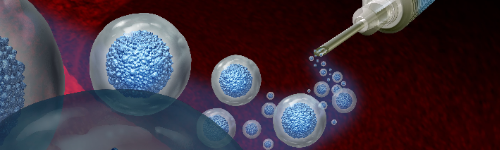
Hematopoietic Stem Cell Transplantation (HSCT)
Stem Cell Therapy
Hematopoietic Stem Cell Transplantation (HSCT) This is the most established type of stem cell therapy, commonly known as a bone marrow transplant. It is primarily used to treat blood cancers (leukemia, lymphoma), bone marrow failure, and inherited blood diseases like sickle cell anemia. Autologous: Uses the patient's own stem cells, often collected before intensive chemotherapy. Allogeneic: Uses cells from a donor (related or unrelated) whose tissue type closely matches the patient. Cord Blood: Stem cells are harvested from the umbilical cord after birth. By 2026, innovations allow doctors to "expand" these cells in a lab to increase success rates. Haploidentical: A "half-match" transplant, usually from a parent or child, which has become significantly safer due to better complication prevention. Questions to ask your Doctor - Hematopoietic Stem Cell Transplantation (HSCT) These questions focus on the established protocols for bone marrow and blood-forming stem cell transplants. Goal and Type: What is the primary goal of this transplant (cure vs. remission), and will I be undergoing an autologous (own cells) or allogeneic (donor) procedure? Success Rates: Based on my specific disease and age, what are the expected survival and quality-of-life outcomes? Process and Side Effects: What kind of mobilization regimen will I undergo to collect cells, and what short-term side effects (like hair loss or infection) should I expect? Engraftment: How long will it take for the infused cells to mature and produce healthy new blood cells (engraftment), and how will we monitor this? Hematopoietic Stem Cell Transplantation (HSCT) is a complex and potentially life-saving medical procedure. Here is a comprehensive explanation followed by the three leading research institutions. What Is Hematopoietic Stem Cell Transplantation (HSCT)? Hematopoietic stem cell transplantation is a medical procedure in which a patient receives healthy blood-forming stem cells to replace a diseased, damaged, or destroyed blood and immune system. The term "hematopoietic" comes from the Greek for "blood-making" — these stem cells live primarily in bone marrow and are the origin of every type of blood cell in the body, including red blood cells, white blood cells and platelets. HSCT is used to treat a wide range of diseases, including cancers of the blood and lymphatic system, inherited immune deficiencies, bone marrow failure syndromes, and increasingly, severe autoimmune diseases. More than one million transplants have now been performed worldwide since the first successful procedure in 1968. The Biology: How It Works Hematopoietic stem cells (HSCs) are rare, self-renewing cells found primarily in the bone marrow, with smaller numbers circulating in peripheral (venous) blood and present in umbilical cord blood. Each HSC has two critical properties: it can replicate itself indefinitely (self-renewal), and it can differentiate into every type of mature blood and immune cell (multipotency). A single HSC is capable of reconstituting an entire blood system. When disease destroys or corrupts the bone marrow — whether through leukemia, an inherited genetic defect, or the toxic effects of cancer treatment — transplanting healthy HSCs can rebuild the entire hematopoietic system from scratch. Once infused into the bloodstream, donor stem cells migrate naturally to the bone marrow, engraft, and begin producing new, healthy blood and immune cells within two to four weeks. Sources of Stem Cells There are three main sources from which HSCs can be collected for transplantation: Bone Marrow is the original and traditional source. Stem cells are harvested directly from the donor's hip bones (iliac crest) under general anaesthesia using multiple needle aspirations. This process is safe for the donor and produces a rich graft. Bone marrow transplantation tends to produce a lower risk of a serious complication called graft-versus-host disease (GvHD), making it preferred in certain patient populations, particularly children. Peripheral Blood Stem Cells (PBSC) are now the most commonly used source for adult transplants. Donors receive injections of a growth factor (typically granulocyte colony-stimulating factor, or G-CSF) for four to five days prior to collection, which stimulates the bone marrow to release large numbers of HSCs into the bloodstream. The cells are then collected via a process called apheresis — a non-surgical procedure in which blood is drawn, stem cells are filtered out, and the remaining blood is returned to the donor. PBSC grafts lead to faster engraftment than bone marrow but carry a higher risk of chronic GvHD. Umbilical Cord Blood is collected from the placenta and umbilical cord immediately after birth and stored in public or private cord blood banks. Cord blood is rich in primitive, highly adaptable HSCs and carries a significantly lower risk of GvHD, largely because cord blood T-cells are immunologically naive. The main limitation is cell dose — because the volume of cord blood is small, cord blood transplants are better suited to children and smaller adults. Double cord blood transplants (using two cord blood units) have been developed to overcome this limitation in larger patients. Cord blood also offers a major practical advantage: it is immediately available from banks without waiting for a matched donor. Types of Transplant The distinction between the two fundamental types of HSCT is among the most important in transplant medicine. Autologous HSCT (auto-transplant) uses the patient's own stem cells. Before high-dose chemotherapy or radiation, stem cells are harvested from the patient and frozen (cryopreserved). After treatment — which destroys the cancer along with the bone marrow — the patient's own cells are thawed and reinfused to rescue the marrow. Because the cells are the patient's own, there is no risk of graft rejection or GvHD. Autologous transplants are most commonly used for multiple myeloma, lymphoma (Hodgkin's and non-Hodgkin's), and certain solid tumours. The limitation is that the reinfused cells may still carry malignant cells, and there is no graft-versus-tumour (GvT) immune effect. Allogeneic HSCT (allo-transplant) uses stem cells from a donor — either a related family member or an unrelated volunteer matched through national and international registries such as the NMDP/Be The Match in the United States or the Anthony Nolan registry in the UK. Allogeneic transplants are more complex and carry higher risks, but they offer a powerful therapeutic advantage: the donor's immune system recognises and attacks any remaining cancer cells in the recipient's body. This is called the graft-versus-tumour (GvT) or graft-versus-leukaemia (GvL) effect, and it is one of the most potent forms of immunotherapy known to medicine. Allogeneic HSCT is the treatment of choice for acute myeloid leukaemia (AML), myelodysplastic syndrome (MDS), aplastic anaemia, and many inherited immune disorders. Within allogeneic transplantation, donor matching is critical. Compatibility is determined by Human Leukocyte Antigen (HLA) typing — proteins on the surface of cells that the immune system uses to distinguish self from non-self. The closer the HLA match between donor and recipient, the lower the risk of rejection and GvHD. A matched sibling donor (a brother or sister with identical HLA type) is ideal. When no matched sibling is available, a matched unrelated donor (MUD) can often be found through registries. Haploidentical transplants — using a half-matched parent, child, or sibling — have expanded the donor pool significantly in recent years through techniques that manipulate the graft to reduce GvHD risk. The Transplant Process The transplant journey is divided into several distinct phases. The pre-transplant evaluation involves extensive testing to assess the patient's fitness for the procedure, confirm diagnosis, determine the best transplant type, identify a suitable donor, and harvest or source the stem cells. The conditioning regimen (also called preparative regimen) is the high-dose chemotherapy and/or radiation therapy given in the days immediately before the stem cell infusion. It serves two purposes: to destroy any remaining cancer or diseased cells, and to suppress the recipient's immune system sufficiently to prevent rejection of the incoming donor cells. Conditioning regimens are classified as myeloablative (full-intensity, completely destroying the bone marrow) or reduced-intensity/non-myeloablative — so-called "mini-transplants" — which use lower doses to make the procedure tolerable for older or less fit patients who cannot withstand full myeloablation while still allowing the GvT effect to work. Day Zero is the day of stem cell infusion — the transplant itself. For the patient, the infusion resembles a blood transfusion through a central line and typically takes one to several hours. Engraftment is the critical period of two to four weeks after transplant when the new stem cells travel to the bone marrow and begin producing blood cells. Until engraftment is confirmed (typically when white blood cell, red blood cell, and platelet counts begin rising), the patient is profoundly immunocompromised and vulnerable to infection, bleeding and organ damage. Patients are cared for in isolation with intensive supportive care, including antimicrobial prophylaxis, blood product transfusions and growth factor support. The post-transplant phase in allogeneic transplants requires long-term immunosuppressive medication to prevent and manage GvHD, regular monitoring for relapse, infection surveillance, and in some cases donor lymphocyte infusions (DLIs) to boost the GvT effect. Key Complications Graft-Versus-Host Disease (GvHD) is the most significant complication of allogeneic HSCT. It occurs when the donor's immune cells (T-cells) recognise the recipient's tissues as foreign and mount an immune attack. Acute GvHD (occurring within the first 100 days) can affect the skin, gut and liver, causing rashes, severe diarrhoea and liver inflammation. Chronic GvHD (after 100 days) can affect virtually any organ, resembling an autoimmune disease and potentially causing permanent disability. Management involves immunosuppressive drugs, and research into better prevention and treatment of GvHD is one of the most active areas in transplant medicine. Importantly, some degree of GvHD is associated with a lower risk of relapse due to the GvT effect — making the management of GvHD a careful balance rather than simple elimination. Primary Graft Failure occurs when the donor cells fail to engraft and the patient's own bone marrow does not recover — a life-threatening emergency. Infections are a major cause of morbidity and mortality in the immunocompromised post-transplant period, particularly bacterial infections early on and fungal or viral infections (especially cytomegalovirus, CMV) later. Organ Toxicity from high-dose conditioning can affect the liver (sinusoidal obstruction syndrome), lungs (idiopathic pneumonia syndrome), kidneys and heart. Relapse of the underlying disease remains the leading cause of treatment failure, particularly in high-risk malignancies. Applications Beyond Blood Cancer HSCT was pioneered as a cancer treatment, but its applications have expanded considerably. It is now an established curative therapy for severe aplastic anaemia, sickle cell disease, thalassaemia, and inherited immune deficiencies such as severe combined immunodeficiency (SCID). Perhaps most strikingly, HSCT is gaining increasing attention as a treatment for severe autoimmune diseases — including multiple sclerosis (MS), systemic sclerosis, Crohn's disease and systemic lupus erythematosus — where the goal is to "reset" a misfiring immune system. Several cases of HIV remission following allogeneic HSCT from donors carrying a natural CCR5 mutation have also generated intense research interest. The Three Leading HSCT Research Institutions Identifying the "top three" institutions for Hematopoietic Stem Cell Transplantation (HSCT) research can vary slightly depending on the metric used—such as total publications, "centrality" (influence within the research network), or clinical volume. However, based on bibliometric analyses and historical clinical leadership, the following three institutions consistently emerge as global leaders in the field. 1. Fred Hutchinson Cancer Center (USA) Often cited as the premier institution for HSCT research, Fred Hutchinson (commonly known as "Fred Hutch") is widely regarded as the birthplace of modern bone marrow transplantation. Historical Significance: It was here that Dr. E. Donnall Thomas performed the first successful human allogeneic bone marrow transplants, an achievement for which he received the Nobel Prize in 1990 (RGA, 2026). Research Leadership: Recent bibliometric studies rank Fred Hutch #1 globally in both the number of publications and "centrality scores," which measure the institution’s role as a collaborative hub for HSCT advancements (Annals of Palliative Medicine, 2022). Current Focus: The institution remains at the forefront of researching Graft-versus-Host Disease (GVHD), infectious disease management (particularly CMV), and expanding the safety of haploidentical (half-matched) transplants. 2. Karolinska Institute / University Hospital (Sweden) The Karolinska Institute and its associated university hospital are the leading European centers for HSCT research and clinical practice. Research Output: Bibliometric data frequently place Karolinska among the top five institutions worldwide for HSCT-related publications (Annals of Palliative Medicine, 2022). Global Collaboration: It serves as a critical node for the European Group for Blood and Marrow Transplantation (EBMT) and leads international efforts in mesenchymal stem cell research and pediatric HSCT protocols (Haematologica, 2026). 3. University of Washington (USA) Working in close partnership with Fred Hutch, the University of Washington (UW) is a powerhouse in the genetic and immunological foundations of transplantation. High Performance: UW consistently ranks #2 globally for the volume of HSCT research papers produced (Annals of Palliative Medicine, 2022). Specialization: Their research is heavily focused on Human Leukocyte Antigen (HLA) typing, the development of conditioning regimens, and the integration of cellular therapy (like CAR-T) with traditional HSCT. Honorable Mentions & Regional Leaders While the three above are often the most cited in research output, other institutions are essential to the global HSCT landscape: Dana-Farber Cancer Institute (USA): A dominant leader in clinical trials and the development of new drug therapies to mitigate transplant complications (NCBI Bookshelf, 2016). Peking University (China): Ranked in the top five for publication volume, it has pioneered the "Beijing Protocol," which has revolutionized the use of haploidentical transplants without the need for intensive in vitro T-cell depletion (Annals of Palliative Medicine, 2022). University of Minnesota (USA): Famous for its work in umbilical cord blood transplantation and treating rare metabolic disorders through HSCT. References Annals of Palliative Medicine . (2022). Current research status of cytomegalovirus infection after hematopoietic stem cell transplantation: a bibliometric analysis. Cited by: 1,476 documents analyzed. NCBI Bookshelf. (2016). Hematopoietic Stem Cell Transplantation - StatPearls . RGA. (2026). The Rise of Hematopoietic Stem Cell Transplantation . Haematologica . (2026). Quantitative and qualitative differences in use and trends of hematopoietic stem cell transplantation: a Global Observational Study. Source: https://www.isscr.org/
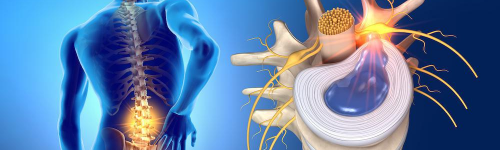
Herniated Discs
Pain Conditions
Herniated Discs Lumbar Radiculopathy (Sciatica) This condition is an irritation or compression of one or more nerve roots in the lumbar spine. Because these nerves travel to the hips, buttocks, legs and feet, an injury in the lumbar spine can cause symptoms in these areas. Sciatica may result from a variety of problems with the bones and tissues of the lumbar spinal column. Lumbar Transforaminal Epidural Steroid Injection This outpatient procedure is an injection of a steroid-anesthetic medication. The medication can reduce swelling and inflammation of irritated spinal nerves. This procedure is performed to relieve pain in the lower back and pain that radiates from the back to the legs. The injection takes only a few minutes to complete. Cervical Radiculopathy This condition is an irritation or compression of one or more nerve roots in the cervical spine. Because these nerves travel to the shoulders, arms and hands, an injury in the cervical spine can cause symptoms in these areas. Cervical radiculopathy may result from a variety of problems with the bones and tissues of the cervical spinal column. Cervical Epidural Steroid Injection This injection relieves pain in the neck, shoulders, and arms caused by a pinched nerve (or nerves) in the cervical spine. Conditions such as herniated discs and spinal stenosis can compress nerves, causing inflammation and pain. The medication injected helps decrease the swelling of nerves. Source: https://www.johnmichelsmd.com/contents/conditions-we-treat/herniated-discs

Human Embryonic Stem Cell (hESC) Therapy
Stem Cell Therapy
Human Embryonic Stem Cell (hESC) Therapy Derived from early-stage embryos, these cells can become any cell type in the body. Status in 2026: While still used, there is a major policy shift toward replacing hESCs with iPSCs and adult stem cells to avoid ethical concerns. Key Trials: Phase 3 trials are ongoing for bemdaneprocel, an hESC-derived therapy targeting Parkinson’s symptoms. Questions to ask your Doctor - Human Embryonic Stem Cell (hESC) Therapy Given the potency of hESCs, these questions prioritize differentiation and long-term safety monitoring. Differentiation: Are the cells fully differentiated into specialized cells (like neurons or heart cells) before they are administered, or are they still pluripotent? Immune Rejection: If these are not my own cells, what specific plan is in place to prevent my immune system from reacting to the transplant? Oversight: Who are the qualified independent scientists or clinicians who have provided advice on this treatment plan? Ethics and Origin: What is the origin of the stem cell line being used, and has it been maintained under current regulatory and ethical guidelines? Human Embryonic Stem Cell (hESC) therapy is the foundational "gold standard" of regenerative medicine. While newer technologies like iPSCs (reprogrammed adult cells) have gained popularity, hESCs remain the benchmark against which all other pluripotent cells are measured due to their natural stability and vast developmental potential. What are Human Embryonic Stem Cells (hESCs)? hESCs are pluripotent stem cells derived from the inner cell mass of a blastocyst—a pre-implantation embryo approximately five days after fertilization. Unlike adult stem cells, which are limited to specific tissue types, hESCs have the capacity for unlimited self-renewal and can differentiate into all three germ layers: Ectoderm: Becomes the brain, spinal cord, and skin. Mesoderm: Becomes muscle, bone, and the circulatory system. Endoderm: Becomes the lungs, liver, and digestive tract. The Science of "Pluripotency" The reason hESCs are still heavily researched in 2026 is their epigenetic stability . Because they have not been "forced" back into a stem-like state (unlike iPSCs), they often exhibit more predictable behavior in long-term clinical applications. They serve as the essential control group and benchmark for defining what "true" pluripotency looks like in a laboratory setting. 2026 Clinical Status: The "Gold Standard" in Practice As of early 2026, hESC therapies have transitioned from experimental models into significant clinical milestones, with several treatments reaching Phase III trials : Type 1 Diabetes: Researchers use hESC-derived pancreatic islet cells to restore insulin production. Advanced encapsulation technology now allows these cells to function inside the body without being destroyed by the patient's immune system. Macular Degeneration: hESC-derived Retinal Pigment Epithelium (RPE) cells are being used to replace dead cells in the eye. This treatment has successfully halted or reversed vision loss in many patients with dry age-related macular degeneration (AMD). Parkinson's Disease: Clinical trials are currently transplanting hESC-derived dopamine neurons into the brain. Unlike traditional drugs that mask symptoms, this therapy aims to physically replace the lost neurons that cause the disease. Top 3 Research Institutions for hESC Therapy These institutions are globally recognized in 2026 for their extensive hESC cell lines, successful clinical translation, and leadership in multi-center trials. 1. Harvard Stem Cell Institute (HSCI) Location: Cambridge/Boston, MA Focus: HSCI is a leader in the "functional cure" for diabetes. They have pioneered the methods to turn hESCs into billion-cell batches of functional, insulin-producing beta cells. Distinction: They maintain one of the most comprehensive repositories of hESC lines in the world and are currently leading trials for "hypoimmunogenic" cell lines—stem cells genetically edited to be invisible to the immune system. 2. Karolinska Institute Location: Stockholm, Sweden Focus: Karolinska is the European epicenter for hESC-based clinical application. They are the primary site for the STEM-PD trial, which is currently the world’s leading effort to use hESC-derived products to treat Parkinson’s disease. Distinction: Operating under a robust European regulatory framework, Karolinska has maintained continuous hESC line development for decades, making them a global reference point for ethical cell sourcing and protocol standardization. 3. USC Eli and Edythe Broad Center for Regenerative Medicine Location: Los Angeles, CA Focus: This center is a powerhouse for hESC-based trials focused on sensory organs and the central nervous system. They are the primary architects of the landmark trials for Age-Related Macular Degeneration (AMD) . Distinction: USC is renowned for its high-throughput manufacturing of clinical-grade hESC-derived tissues under Current Good Manufacturing Practice (cGMP) standards, effectively bridging the gap between lab discovery and mass-market therapy. The greatest challenge for hESC therapy remains the complex regulatory and ethical landscape. Source: https://www.isscr.org/

Induced Pluripotent Stem Cell (iPSC) Therapy
Stem Cell Therapy
Induced Pluripotent Stem Cell (iPSC) Therapy iPSCs are adult somatic cells (like skin or blood cells) that have been genetically "reprogrammed" back into an embryonic-like state. Parkinson’s Disease: 2026 trials, such as those by Aspen Neuroscience, use patient-derived iPSCs to replace lost neurons in the brain. Off-the-Shelf Products: Companies like Fate Therapeutics are developing iPSC-derived "off-the-shelf" CAR T-cell therapies for cancer and autoimmune diseases like lupus. Questions to ask your Doctor - Induced Pluripotent Stem Cell (iPSC) Therapy As iPSC therapies are largely in clinical trial stages in 2026, questions should focus on the reprogramming and safety of these cells. Derivation: How were these cells reprogrammed from adult cells, and what is the "genetic footprint" or stability of the resulting cell line? Personalization: If the iPSCs are autologous, how long does the manufacturing process take from my initial cell collection to treatment delivery? Outcome Measurement: How exactly will we measure if these cells have successfully integrated and are functioning correctly in the target tissue? Alternatives: Are there non-surgical alternatives like PRP or conventional therapies that should be exhausted first? Induced Pluripotent Stem Cell (iPSC) therapy represents a paradigm shift in medicine. While Mesenchymal Stem Cells (MSCs) are like specialized repair crews for specific tissues, iPSCs are the biological "master key," capable of unlocking any cell type in the human body. What are Induced Pluripotent Stem Cells (iPSCs)? Discovered in 2006 by Shinya Yamanaka (who won the Nobel Prize for this work), iPSCs are adult cells—typically from skin or blood—that have been "reprogrammed" back into an embryonic-like state. The Reprogramming Process Scientists introduce a specific set of four genes, known as the Yamanaka Factors , to "rewind" the cell's biological clock: Oct3/4 Sox2 Klf4 c-Myc Once reprogrammed, these cells become pluripotent , meaning they can differentiate into any of the 200+ cell types in the human body (neurons, heart cells, insulin-producing cells, etc.). Key Differences: iPSCs vs. MSCs Feature Mesenchymal Stem Cells (MSCs) Induced Pluripotent Stem Cells (iPSCs) Potency Multipotent (Limited to bone, fat, cartilage) Pluripotent (Can become any cell) Source Harvested from donor marrow/fat Reprogrammed from the patient's own skin/blood Ethics No ethical controversy No ethical controversy (unlike Embryonic cells) Primary Use Reducing inflammation & tissue repair Replacing lost/dead cells (e.g., in Parkinson's) 2026 Clinical Breakthroughs As of early 2026, iPSC therapy has moved from theoretical research into significant clinical milestones: Parkinson’s Disease: In March 2026, Japan granted the world's first conditional approval for Amchepry , an iPSC-derived therapy that replaces dopamine-producing neurons in the brain. Heart Failure: ReHeart , an iPSC-derived cardiomyocyte sheet, received regulatory clearance to treat severe ischemic heart failure by "patching" damaged heart muscle. Oncology: Researchers are now using iPSCs to create "off-the-shelf" CAR-NK (Natural Killer) cells that can be mass-produced and used to attack tumors without needing to be matched to the patient. Top 3 Research Institutions for iPSC Therapy These institutions are the global leaders in iPSC research, clinical trials, and manufacturing technology as of 2026. 1. Kyoto University (CiRA - Center for iPS Cell Research and Application) Location: Kyoto, Japan Why they lead: This is the birthplace of iPSC technology. Led by Shinya Yamanaka, CiRA manages the world's most advanced iPSC Stock Project , which provides clinical-grade, "immune-optimized" master cell lines to researchers globally. 2026 Focus: They are the primary drivers behind the recent regulatory approvals in Japan and are leading trials for spinal cord injury and blood disorders. 2. Harvard Stem Cell Institute (HSCI) Location: Cambridge/Boston, MA Why they lead: Harvard is the epicenter of "Disease in a Dish" modeling. By creating iPSCs from patients with rare genetic diseases, they can test thousands of drugs on the patient's own cells in a lab before ever giving them to the human. 2026 Focus: Recent work includes the creation of "Hemanoids" —self-organizing iPSC structures that produce human blood cells—and advanced CRISPR-edited iPSCs for treating Duchenne Muscular Dystrophy. 3. Stanford University (Institute for Stem Cell Biology and Regenerative Medicine) Location: Palo Alto, CA Why they lead: Stanford excels at the intersection of stem cell biology and clinical translation. They are pioneers in autologous iPSC therapy , where a patient receives a treatment made entirely from their own cells, virtually eliminating the risk of immune rejection. 2026 Focus: Stanford is currently leading high-profile trials for Age-Related Macular Degeneration (AMD) , using iPSC-derived retinal patches to restore vision in patients who were previously blind. The greatest hurdle for iPSC therapy remains tumorigenicity (ensuring no "rogue" stem cells remain that could form tumors). Source: https://www.isscr.org/

Influenza and Pneumonia
Other Disease Conditions
Influenza and Pneumonia Flu complication facts The flu, caused by an influenza virus, is relatively common. The Centers for Disease Control and Prevention (CDC) reports that the seasonal flu affects about 8 percentTrusted Source of Americans each year. Many people can fight flu symptoms with plenty of rest and fluids. However, certain high-risk groups may have dangerous and even life-threatening complications. The CDC estimates that between 3,000 and 49,000Trusted Source people in the United States die each year from the flu. That said, the 2017-2018 flu season had an unusually high number of deaths in the United States: 79,000Trusted Source . The World Health OrganizationTrusted Source estimates that, globally, between a 290,000 to 650,000 people die from flu complications each year. During the 2017-2018 flu seasonTrusted Source , more than 49 million people got the flu and nearly 1 million were hospitalized in the United States. Risk Factors for Flu Complications Certain groups are at higher risk of the flu. According to the CDCTrusted Source , these groups should receive first priority when there is a shortage of flu vaccine. Risk factors include age, ethnicity, existing conditions, and other factors. Age groups who have increased risk include: children younger than 5 years children and teens younger than 18 years who take aspirin or salicylate-containing medication people who are 65 years or older Ethnic groups who have higher risk include: Native Americans Alaskan Natives People with any of the following conditions are also at higher risk of flu complications: asthma heart and lung conditions chronic endocrine disorders, such as diabetes mellitus chronic health conditions affecting the kidneys and liver chronic neurological and neurodevelopmental disorders, such as epilepsy, stroke, and cerebral palsy chronic blood disorders, such as sickle cell anemia chronic metabolic disorders Other people who are at increased risk include: people with weakened immune systems, either due to disease (such as cancer, HIV, or AIDS) or long-term steroid medication use women who are pregnant morbidly obese people with a body mass index (BMI) of 40 or higher These groups should monitor their flu symptoms closely. They should also seek immediate medical care at the first sign of complications. These often appear just as main flu symptoms like fever and fatigue start to go away. Older adults People who are 65 years or older are at the greatest risk of complications and death from the flu. The CDC estimates that these people make up 54 to 70 percentTrusted Source of flu-related hospital visits. They also account for 71 to 85 percent of flu-related deaths, which is why it’s so important for older adults to receive a flu shot. The Food and Drug Administration (FDA) has approved Fluzone Hi-Dose , a higher-dose vaccine, for people who are 65 years or older. Fluzone Hi-Dose contains four times the amount of antigens as the normal flu vaccine. Antigens stimulate the immune system to produce antibodies, which fight the flu virus. Another flu vaccine option for older adults is called FLUAD. It contains a substance for stimulating a stronger immune response. Pneumonia Pneumonia is an infection of the lungs that causes the alveoli to become inflamed. This causes symptoms such as cough, fever, shaking, and chills. Pneumonia can develop and become a serious complication of the flu. It can be especially dangerous and even deadly for people in high-risk groups. Seek medical treatment immediately if you have any of the following symptoms: severe cough with large amounts of mucus trouble breathing shortness of breath severe chills or sweating fever higher than 102°F (38.9°C) that’s not going away, especially if you also have chills or sweating chest pains Pneumonia is highly treatable, often with simple home remedies such as sleep and plenty of warm fluids. However, smokers, older adults, and people with heart or lung problems are especially prone to pneumonia-related complications. Pneumonia-related complications include: fluid buildup in and around the lungs bacteria in the bloodstream acute respiratory distress syndrome Bronchitis This complication is caused by irritation of the mucous membranes of the bronchi in the lungs. Symptoms of bronchitis include: cough (often with mucus) chest tightness fatigue mild fever chills Most often, simple remedies are all that’s needed to treat bronchitis. These include: resting drinking plenty of fluids using a humidifier taking over-the-counter (OTC) pain medications You should contact your doctor, though, if you have a cough with a fever greater than 100.4°F (38°C). You should also call if your cough does any of the following: lasts longer than three weeks interrupts your sleep produces mucus of a strange color produces blood Untreated, chronic bronchitis can lead to more serious conditions, including pneumonia, emphysema , heart failure , and pulmonary hypertension . Sinusitis Sinusitis is the swelling of the sinuses. Symptoms include: nasal congestion sore throat postnasal drip pain in the sinuses, upper jaw, and teeth a reduced sense of smell or taste cough Sinusitis can often be treated with OTC saline spray, decongestants, and pain relievers. Your doctor may also suggest a nasal corticosteroid like fluticasone (Flonase) or mometasone (Nasonex) to reduce inflammation. Both of these are available over the counter or by prescription. Symptoms that call for immediate medical attention include: pain or swelling near the eyes swollen forehead severe headache mental confusion vision changes, such as seeing double difficulty breathing neck stiffness These may be signs of sinusitis that has worsened or spread. Otitis Media Better known as an ear infection, otitis media causes inflammation and swelling of the middle ear. Symptoms include: chills fever hearing loss ear drainage vomiting mood changes An adult with ear pain or discharge should see their doctor as soon as possible. A child should be taken to their doctor if: symptoms last longer than a day ear pain is extreme ear discharge appears they are not sleeping they are moodier than usual Encephalitis Encephalitis is a rare condition occurs when a flu virus enters the brain tissue and causes inflammation of the brain. This can lead to destroyed nerve cells, bleeding in the brain, and brain damage. Symptoms include: severe headache high fever vomiting light sensitivity drowsiness clumsiness Though rare, this condition may also cause tremors and difficulty with movement. Seek immediate medical care if you have any of the following symptoms: severe headache or fever mental confusion hallucinations severe mood changes seizures paralysis double vision speech or hearing problems Symptoms of encephalitis in young children include: protrusions in the soft spots on an infant’s skull body stiffness uncontrollable crying crying that gets worse when the child is picked up loss of appetite nausea and vomiting Long-term outlook for people with flu-related complications Most flu symptoms resolve within one to two weeks. If your flu symptoms worsen or do not subside after two weeks, contact your doctor. A yearly flu vaccine is the best preventive measure for people at high risk of flu-related complications. Good hygiene, regular hand-washing, and avoiding or limiting contact with infected people can also help prevent the spread of the flu. Early treatment is also key to successful treatment of complications. Most of the complications mentioned respond well to treatment. That said, many can become more serious without proper treatment. Source: https://www.healthline.com/health/flu/flu-in-elderly-symptoms-complications#complications

Mayo Clinic - Heart Healthy Diet
Heart Diets
Mayo Clinic - Heart Healthy Diet - 8 steps to prevent heart disease Ready to start your heart-healthy diet? Here are eight tips to get you started. By Mayo Clinic Staff You might know that eating certain foods can raise your heart disease risk. Even though changing your eating habits can be tough, you can take simple steps to get started today. Whether you've been eating unhealthy for years or you simply want to fine-tune your diet, here are eight heart-healthy diet tips. Find out which foods to eat more of and which foods to limit. You'll soon be on your way toward a healthier diet for your heart. 1. Control portion sizes How much you eat is just as important as what you eat. Overloading your plate, taking seconds and eating until you feel stuffed can lead to eating more calories than you should. Portions served in restaurants often are larger than anyone needs. Follow a few simple tips to control food portion size. These tips can help you shape up your diet as well as your heart and waistline: Use a small plate or bowl to help control your portions. Eat more low-calorie, nutrient-rich foods such as fruits and vegetables. Eat smaller amounts of high-calorie, high-sodium foods. These include refined, processed and fast foods. It's also important to keep track of the number of servings you eat. Keep these points in mind: A serving size is a specific amount of food. It's defined by common measurements such as cups, ounces or pieces. For example, one serving of pasta is about 1/3 to 1/2 cup, or about the size of a fist. A serving of meat, fish or chicken is about 2 to 3 ounces. That's about the size and thickness of a deck of cards. The recommended number of servings in a food group may vary. It depends on the specific diet or guidelines you're following. Judging serving size is a learned skill. You may need to use measuring cups and spoons or a scale until you're comfortable with your judgment. 2. Eat more vegetables and fruits Vegetables and fruits are good sources of vitamins and minerals. They're also low in calories and rich in fiber. Vegetables and fruits, like other plants or plant-based foods, contain substances that may help prevent heart disease. Eating more fruits and vegetables also may help you eat less higher calorie food. Some examples of high-calorie foods are meat, cheese and snack foods. Getting more vegetables and fruits in your diet can be easy. Keep vegetables washed and cut in your refrigerator for quick snacks. Keep fruit in a bowl in your kitchen so that you'll remember to eat it. Choose recipes that have vegetables or fruits as the main ingredients. These include vegetable stir-fry dishes or fresh fruit mixed into salads. Fruits and vegetables to choose Fruits and vegetables to limit Fresh or frozen vegetables and fruits. Low-sodium canned vegetables. Canned fruit packed in 100% juice or water. Coconut. Vegetables with creamy sauces. Fried or breaded vegetables. Canned fruit packed in heavy syrup. Frozen fruit with sugar added. 3. Choose whole grains Whole grains are good sources of fiber and other nutrients that play roles in heart health and controlling blood pressure. You can get more whole grains by making simple swaps with refined grain products. Or try a whole grain you haven't had before. Healthy choices include whole-grain farro, quinoa and barley. At least half of the grains you eat should be whole grains. Grain products to choose Grain products to limit or avoid Whole-wheat flour. Whole-grain bread, preferably 100% whole-wheat bread or 100% whole-grain bread. High-fiber cereal with 5 g or more fiber in a serving. Whole grains such as brown rice, barley and buckwheat (kasha). Whole-grain pasta. Oatmeal (steel-cut or regular). White, refined flour. White bread. Muffins. Frozen waffles. Cornbread. Doughnuts. Biscuits. Quick breads. Cakes. Pies. Egg noodles. Buttered popcorn. High-fat snack crackers. 4. Limit unhealthy fats Limit the amount of saturated and trans fats you eat. This helps lower your blood cholesterol and lower your risk of a common heart condition called coronary artery disease. A high blood cholesterol level can lead to a buildup of plaques in the arteries, called atherosclerosis. And that can raise the risk of heart attack and stroke. The American Heart Association offers these guidelines for how much fat to include in a heart-healthy diet: Type of fat Recommendation Saturated fat Less than 6% of total daily calories. If you're eating 2,000 calories a day, that's about 11 to 13 grams. Trans fat Stay away from them. Note: The 2020-2025 Dietary Guidelines for Americans recommend limiting saturated fat to less than 10% of total daily calories. There are simple ways to cut back on saturated and trans fats for a heart-healthy diet: Trim fat from meat or choose lean meats with less than 10% fat. Use less butter, margarine and shortening when cooking and serving. Use low-fat substitutions when you can. For example, top a baked potato with low-sodium salsa or low-fat yogurt rather than butter. Or use sliced whole fruit or low-sugar fruit spread on toast instead of margarine. Check the food labels of cookies, cakes, frostings, crackers and chips. These foods are low on nutrition. And some of them — even those labeled reduced fat — may contain trans fats. Trans fats can no longer be added to foods in the United States. But they could be in products made in other countries. Trans fats may be listed as partially hydrogenated oil on the ingredient label. Also, many of the partially hydrogenated fats or trans fats typically contained in desserts and snack foods have been replaced with saturated fats. So it's still a good idea to limit those foods. Fats to choose Fats to limit Olive oil. Canola oil. Vegetable and nut oils. Margarine, trans fat free. Cholesterol-lowering margarine, such as Benecol, Promise Activ or Smart Balance. Nuts and seeds. Avocados. Butter. Lard. Bacon fat. Gravy. Cream sauce. Nondairy creamers. Hydrogenated margarine and shortening. Cocoa butter, found in chocolate. Coconut, palm, cottonseed and palm kernel oils. When you use fats, choose unsaturated ones. There are two main types. Monounsaturated fats are found in products such as olive oil or canola oil. Polyunsaturated fats are found in certain fish and in avocados, nuts and seeds. When used in place of saturated fats, unsaturated fats may help lower your total blood cholesterol. But it's still important to limit how much of these fats you eat. All types of fats are high in calories. An easy way to add healthy fat — and fiber — to your diet is to use ground flaxseed. Flaxseeds are small brown seeds that are high in fiber and healthy fats called omega-3 fatty acids. Studies have shown that flaxseed lowers unhealthy cholesterol levels in some people. You can grind flaxseeds in a coffee grinder or food processor. Then stir a teaspoon of the ground flaxseed into yogurt, applesauce or hot cereal. 5. Choose low-fat protein sources Lean meat, poultry and fish; low-fat or fat-free dairy products; and eggs are some of the best sources of protein. Choose lower fat options, such as skinless chicken breasts rather than fried chicken patties. And choose skim milk rather than whole milk. Fish is healthier than high-fat meats. Certain types of fish are rich in omega-3 fatty acids, which can lower blood fats called triglycerides. You'll find the highest amounts of omega-3 fatty acids in cold-water fish, such as salmon, mackerel and herring. Other sources are flaxseed, walnuts, soybeans and canola oil. Legumes — beans, peas and lentils — also are good low-fat sources of protein. They contain no cholesterol, making them good substitutes for meat. Eating plant protein instead of animal protein lowers the amounts of fat and cholesterol you take in. It also boosts how much fiber you get. Proteins to choose Proteins to limit or avoid Low-fat or fat-free dairy products, such as skim or low-fat (1%) milk, yogurt and cheese. Eggs. Fish, especially fatty, cold-water fish, such as salmon. Skinless poultry. Legumes. Soybeans and soy products, such as soy burgers and tofu. Lean ground meats. Full-fat milk and other dairy products. Organ meats, such as liver. Fatty and marbled meats. Spareribs. Hot dogs and sausages. Bacon. Fried or breaded meats. 6. Limit and reduce sodium and salt Sodium is a mineral. It’s found naturally in some foods, such as celery or milk. Food makers also may add sodium to processed foods, such as bread and soup. Eating foods with lots of added sodium can lead to high blood pressure. So can using table salt, which contains sodium. High blood pressure is a risk factor for heart disease. Limiting salt and sodium is a key part of a heart-healthy diet. The American Heart Association recommends that adults: Have no more than 2,300 milligrams (mg) of sodium a day. That's about a teaspoon of salt. Ideally have no more than 1,500 mg of sodium a day Limiting the amount of salt you add to food at the table or while cooking is a good first step. But much of the sodium you eat comes from canned or processed foods. These include soups, baked goods and frozen dinners. Eat fresh foods and make your own soups and stews to lower the amount of sodium you eat. If you like the convenience of canned soups and prepared meals, buy products with reduced sodium or no added salt. Be wary of foods that claim to be lower in sodium. They may have less sodium than the original recipe but still be high in sodium. You may wonder if sea salt is a better option than regular table salt. Sea salt has the same nutrition as regular salt. Another way to eat less sodium is to choose your condiments carefully. Many condiments are available in reduced-sodium versions. Salt substitutes can add flavor to your food with less sodium. Low-sodium items to choose High-sodium items to limit or avoid Herbs and spices. Salt-free seasoning blends. Canned soups or prepared meals with reduced sodium or no added salt. Reduced-sodium versions of condiments, such as reduced-sodium soy sauce and reduced-sodium ketchup. Table salt. Canned soups and prepared foods, such as frozen dinners. Tomato juice. Condiments such as ketchup, mayonnaise and soy sauce. Restaurant meals. 7. Plan ahead: Create daily menus Create daily menus using the six tips listed above. When you choose foods for each meal and snack, focus on vegetables, fruits and whole grains. Choose lean proteins and healthy fats, and limit salty foods. Watch your portion sizes and add variety to your menu choices. For example, if you have grilled salmon one evening, try a black bean burger the next night. This helps ensure that you'll get all of the nutrients the body needs. Variety also makes meals and snacks more interesting. 8. Have a treat once in a while It's OK to treat yourself every now and then. A candy bar or handful of potato chips won't derail your heart-healthy diet. But don't let treats turn into an excuse for giving up on your healthy-eating plan. If you overeat treats once in a while rather than often, you'll balance things out over the long term. What's important is that you eat healthy foods most of the time. In general, limit added sugar to less than 10% of your daily calories. For example, if you take in about 2,000 calories a day, 10% of that amount is 200 calories. And 200 calories of added sugar equals 50 grams of the sugar added to the foods you eat Do not give food and drinks with added sugar to children younger than 2 years old. If you follow these eight tips, you'll likely find that heart-healthy eating is something you can do and enjoy. With planning and a few simple food swaps, you can eat with your heart in mind. From Mayo Clinic to your inbox Sign up for free and stay up to date on research advancements, health tips, current health topics, and expertise on managing health. Click here for an email preview. Source: https://www.mayoclinic.org/diseases-conditions/heart-disease/in-depth/heart-healthy-diet/art-20047702
Mesenchymal Stem Cell (MSC) Therapy
Stem Cell Therapy
Mesenchymal Stem Cell (MSC) Therapy MSCs are adult stem cells found in various tissues, including bone marrow, fat, and dental pulp. They are the leading cells in regenerative medicine due to their immune-modulating properties. Applications: Actively used for orthopedic joint degeneration, autoimmune disorders, and neurodegenerative conditions. Mechanism: They provide repair support for bone, cartilage, and nerve tissue while creating a favorable healing environment. Questions to ask your Doctor - Mesenchymal Stem Cell (MSC) Therapy MSC therapies often target orthopedic or inflammatory conditions and require clarity on the source of the biological material. Regulatory Status: Is this therapy reviewed or approved by the FDA, or is it part of an IRB-approved clinical trial? Cell Source: What is the specific source of these MSCs (e.g., fat tissue, bone marrow, or donor material), and what exactly is being injected? Evidence: Are there peer-reviewed results or publications specifically for this procedure and my condition, rather than just general claims? Protocol: Does this procedure require repeat treatments, and is immunosuppression or hospitalization necessary? Mesenchymal Stem Cell (MSC) therapy is one of the most dynamic frontiers in regenerative medicine. Unlike many other treatments that simply manage symptoms, MSC therapy aims to repair or replace damaged tissue by leveraging the body's own biological signaling mechanisms. Understanding Mesenchymal Stem Cells (MSCs) MSCs are multipotent stromal cells . This means they have the ability to differentiate into a variety of cell types, primarily those belonging to the skeletal system, such as bone ( osteoblasts ), cartilage ( chondrocytes ), and fat ( adipocytes ). They are commonly harvested from: Bone Marrow: The traditional source. Adipose Tissue: Fat cells, which are often easier to access. Umbilical Cord Tissue: Often considered "younger" cells with high proliferative potential. Mechanisms of Action The "magic" of MSCs isn't just their ability to turn into new tissue; it’s their role as biological "drug stores." They function through three primary pillars: Homing: MSCs possess the unique ability to migrate to sites of inflammation or tissue injury in response to chemical signals. Immunomodulation: They can "quiet" an overactive immune system. This makes them highly effective for autoimmune conditions or preventing Graft-versus-Host Disease (GvHD) . Paracrine Signaling: MSCs secrete growth factors and cytokines that stimulate other cells to begin the repair process, reduce cell death (apoptosis), and encourage the growth of new blood vessels (angiogenesis). Current Clinical Applications While research is ongoing, MSC therapy is currently utilized or heavily trialed in the following areas: Orthopedics: Treating osteoarthritis, tendon ruptures, and non-union bone fractures. Autoimmune Diseases: Managing Lupus, Multiple Sclerosis, and Crohn’s Disease. Cardiovascular Repair: Attempting to repair heart tissue following a myocardial infarction (heart attack). Neurology: Investigating treatments for spinal cord injuries and neurodegenerative diseases. Top 3 Research Institutions for MSC Therapy As of 2026, these three institutions lead the world in clinical trials, peer-reviewed publications, and the development of "off-the-shelf" stem cell products. 1. Mayo Clinic (Center for Regenerative Medicine) Mayo Clinic remains the gold standard for translating MSC research into clinical practice. Focus: They have pioneered the use of bone marrow-derived MSCs for treating degenerative disc disease and amyotrophic lateral sclerosis (ALS). Distinction: Their "Biotrust" and advanced manufacturing facilities allow them to produce high-quality, standardized MSCs for large-scale clinical trials. 2. Stanford University (Institute for Stem Cell Biology and Regenerative Medicine) Stanford is a global powerhouse in the basic science and genetic engineering of MSCs. Focus: Much of their current work focuses on "priming" MSCs—using genetic modifications to make the cells more resilient or better at targeting specific tumors (using MSCs as delivery vehicles for anti-cancer drugs). Distinction: They lead the field in understanding the molecular markers that define a "true" MSC, using specific surface proteins such as: $$CD73^+, CD90^+, CD105^+ \text{ and } CD45^-$$ 3. Wake Forest Institute for Regenerative Medicine (WFIRM) WFIRM is renowned for its work in bioengineering and "organ-on-a-chip" technology. Focus: They specialize in using MSCs in combination with 3D bioprinting. Their researchers are working on printing skin, cartilage, and even functional organ structures using an MSC-based bio-ink. Distinction: They are a primary hub for the Federated Advanced Regenerative Manufacturing (RegenMed Development Organization) , which aims to standardize stem cell therapies for the mass market. Source: https://www.isscr.org/

New York-Presbyterian - Heart-Healthy Diet
Heart Diets
New York-Presbyterian - Heart-Healthy Diet Heart-Healthy Diet (00:01:47) - Play Video Video Transcript Heart-healthy eating is about choosing foods that give you lots of nutrients and help keep your heart and blood vessels healthy. When eating a heart-healthy diet, try to eat a variety of fruits and vegetables. It can be helpful to think about including fruits or vegetables with every meal. One way to do this is by aiming to fill half of your plate with them. Choose whole-grain foods. These include oats, whole-wheat pastas, whole-grain breads, and brown rice. They give you lots of fiber and other nutrients. For heart-healthy proteins, try to eat more plant-based proteins like beans, nuts, and soy products such as tofu. Fish and seafood are other healthy protein sources. If you eat meat, choose lean cuts and avoid processed meats like bacon and sausage. When it comes to dairy, choose nonfat or low-fat milk, cheese, and yogurt. Choose liquid fats such as olive oil, sunflower oil, and canola oil. And try to avoid solid fats like butter, lard, and coconut oil. Try to choose foods that are low in sodium, or salt. Some ways you can do this are to look for lower-sodium versions of canned and packaged foods. You can also try making more of your meals at home and adding herbs and spices to your food instead of salt. Also, try to choose foods and beverages without added sugar. For example, try drinking sparkling water instead of soda. Or add fruit to unsweetened yogurt instead of eating sugar-sweetened yogurt. And don't forget to be patient with yourself. Changing how you eat takes time and practice, but you can do it. And after a while, these changes will start to feel like just a regular part of how you eat. Source: https://www.nyp.org/healthlibrary/multimedia/heart-healthy-diet

Nutrition Diva Podcasts
Heart Diets
Nutrition Diva - Monica Reinagel, MS, LD/N, CNS The Nutrition Diva’s Quick and Dirty Tips for Eating Well and Feeling Fabulous is created and hosted by Monica Reinagel, a nutritionist and author. Across nearly 700 episodes, Monica and her featured guests highlight simple ways to level up your eating habits. If you feel intimidated or overwhelmed by the vast world of nutrition, this podcast breaks it down into bite-sized pieces with many episodes being less than 10 minutes long. Nutrition Diva is a health and nutrition podcast and weekly column hosted by Monica Reinagel, MS, LD/N, CNS, on the Quick and Dirty Tips network. www.quickanddirtytips.com/nutrition-diva Eating healthy isn't as difficult (or joyless) as you might imagine. Every week Nutrition Diva, Monica Reinagel, serves up simple, painless ways to upgrade your eating habits. Before you know it, you'll be eating healthier and feeling fabulous! Listen to the show on iTunes, Stitcher, Spotify, Google Play, SoundCloud, TuneIn, via RSS, or the Quick and Dirty Tips website: www.quickanddirtytips.com/nutrition-diva For some people, faulty hunger signals make weight loss especially difficult. Treating appetite dysregulation could be a game-changer in the fight against obesity. So why is it so under-utilized? Source: https://podcasts.apple.com/us/podcast/the-nutrition-divas-quick-and-dirty-tips-for-eating/id289338154