
Cancer Conditions
All Cancer Conditions
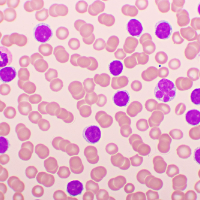
Acute Lymphocytic Leukemia (ALL) in Adults
Cancer Conditions
Acute Lymphocytic Leukemia (ALL) in Adults Get an overview of acute lymphocytic leukemia (also known as acute lymphoblastic leukemia) and the latest key statistics in the US. What Is Acute Lymphocytic Leukemia (ALL)? Acute lymphocytic leukemia (ALL) is a cancer that starts in your bone marrow (the soft inner part of certain bones, where new blood cells are made). You might also hear it called acute lymphoblastic leukemia . With this type of leukemia, the cancer cells usually invade your blood fairly quickly. They can also sometimes spread to other parts of your body, including your lymph nodes, liver, spleen, central nervous system (brain and spinal cord), testicles (in males), and other organs. What Is Cancer? Cancer starts when cells in the body begin to grow out of control. Cells in nearly any part of the body can become cancer cells. Learn more here. What type of leukemia is ALL? Leukemias are cancers that start in cells that would normally develop into different types of blood cells. Most often, leukemia starts in early forms of white blood cells, but some leukemias start in other blood cell types. There are several types of leukemia. They are divided based mainly on whether the leukemia is acute (fast growing) or chronic (slower growing), and whether it starts in myeloid cells or lymphoid cells. ALL is an acute (fast-growing) leukemia that starts in lymphoid cells. Key facts about ALL ALL is an acute leukemia; it can progress quickly and usually needs to be treated right away. It is more common in children and teens than in adults. It starts in early (immature) forms of lymphocytes , a type of white blood cell. There are 2 main types of ALL: B-cell ALL starts in early forms of B lymphocytes (B cells). T-cell ALL starts in early forms of T lymphocytes (T cells). ALL can start in early B cells or T cells at different stages of maturity. This is discussed in Acute Lymphocytic Leukemia (ALL) Subtypes and Prognostic Factors . What is the difference between lymphocytic leukemia and lymphoma? ALL isn’t the only cancer that starts in the lymphocytes. Other types of cancer, such as lymphomas , also start in these cells. (This is true of non-Hodgkin lymphoma and Hodgkin lymphoma .) The main difference between lymphocytic (lymphoblastic) leukemias like ALL and lymphomas: Leukemias mainly affect the bone marrow and blood. Lymphomas mainly affect the lymph nodes or other organs, although they may also involve the bone marrow. But there is often some overlap. Sometimes it can be hard to tell if a cancer of lymphocytes is a leukemia or a lymphoma. In fact, the World Health Organization considers ALL and lymphoblastic lymphoma (LBL) to be different versions of the same disease (ALL/LBL). Usually, if at least 20% of the bone marrow is made up of early forms lymphocytes (called lymphoblasts or just blasts ), the disease is called ALL. If the disease is in other parts of the body with fewer blasts in the bone marrow, it is labeled as LBL. Dig deeper Anatomy Gallery —Blood Cells and Bone Marrow (includes more about lymphocytes) How Do Blood Cells Mature and What Happens When They Don’t Form Normally Questions to Ask Your Doctor About Acute Lymphocytic Leukemia (ALL) It's important to have open and honest discussions with your cancer care team about your acute lymphocytic leukemia (ALL) . Ask about anything you don’t understand or want to know more about. Below are questions to consider asking about your ALL. When you're told you have ALL Can you explain what ALL is? How is it different from other types of leukemia? What subtype of ALL do I have? What does this mean? Are there other factors that might affect my prognosis ? Do I need any other tests before we can decide on treatment? Do I need to see any other types of doctors? When deciding on a treatment plan for ALL How much experience do you and this medical center have in treating ALL? What are my treatment choices ? What do you recommend, and why? Should we consider a stem cell transplant ? When? Should I get a second opinion before starting treatment? Can you suggest a doctor or medical center? How soon do I need to start treatment? What should I do to be ready? How long will treatment last? What will it be like? Where will it be done? What are the risks and side effects of the treatments that you recommend? Could treatment affect my ability to have children ? If so, how? How will treatment affect my daily activities? What is my prognosis (outlook)? During and after treatment for ALL Once treatment begins, you’ll need to know what to expect and what to look for. Not all of these questions may apply to you, but getting answers to the ones that do can be helpful. How will we know if the treatment is working? What type of follow-up will I need after treatment? Is there anything I can do to manage side effects? What symptoms or side effects should I tell you about right away? How can I reach you on nights, holidays, or weekends? Do I need to change what I eat during treatment? Are there any limits on what I can do? Should I exercise? What should I do, and how often? What are my options if treatment isn’t working? Where can I find more information and support? Can you suggest a mental health professional I can see if I start to feel overwhelmed, depressed, or distressed? Be sure to write down any questions you have that aren’t on this list. For example, you might want to ask about recovery times so you can plan your work or activity schedule. Or you might want to ask if you qualify for any clinical trials . Remembering what the doctor says It can be hard to remember everything you’re told at each doctor’s visit, especially if you’re anxious or afraid. Even if the doctor carefully explains things, you might not hear or remember all that’s said or shown to you. Here are some ways to help you remember everything your doctor tells you. Take notes on what your doctor says. Ask if you can record your talks. Take a family member or friend with you. Ask them to take notes and remind you of questions you want to ask, so you can focus on listening and talking directly with the doctor. Doctors aren’t the only ones who can give you information. Other health care professionals, such as nurses and social workers, can answer a lot of your questions. To learn more about speaking with your health care team, see The Doctor-Patient Relationship . Additional Information What Is Acute Lymphocytic Leukemia (ALL)? If you've been diagnosed with acute lymphocytic leukemia (ALL) or are worried about it, you likely have a lot of questions. Learning some basics is a good place to start. Key Statistics See the latest estimates for new cases of acute lymphocytic leukemia (ALL) and deaths in the US. What’s New in ALL Research? Research into causes, prevention, and treatment of acute lymphocytic leukemia is ongoing in many medical centers throughout the world. Find out what's new. About Acute Lymphocytic Leukemia (ALL) What’s New in Acute Lymphocytic Leukemia (ALL) Research? Key Statistics for Acute Lymphocytic Leukemia (ALL) What Is Acute Lymphocytic Leukemia (ALL)? Causes, Risk Factors, and Prevention Early Detection, Diagnosis, and Types Treating Acute Lymphocytic Leukemia (ALL) After Treatment Can Acute Lymphocytic Leukemia (ALL) Be Found Early? Signs and Symptoms of Acute Lymphocytic Leukemia (ALL) Tests for Acute Lymphocytic Leukemia (ALL) Acute Lymphocytic Leukemia (ALL) Subtypes and Prognostic Factors Chemotherapy for Acute Lymphocytic Leukemia (ALL) Targeted Therapy Drugs for Acute Lymphocytic Leukemia (ALL) Immunotherapy for Acute Lymphocytic Leukemia (ALL) Surgery for Acute Lymphocytic Leukemia (ALL) Radiation Therapy for Acute Lymphocytic Leukemia (ALL) Stem Cell Transplant for Acute Lymphocytic Leukemia (ALL) Health Professionals Who Are Part of a Cancer Care Team Source: https://www.cancer.org/cancer/types/acute-lymphocytic-leukemia.html
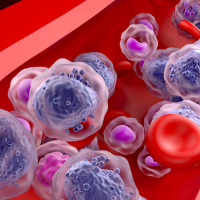
Acute Myeloid Leukemia (AML) in Adults
Cancer Conditions
Acute Myeloid Leukemia (AML) in Adults What Is Acute Myeloid Leukemia (AML)? Cancer starts when cells in the body begin to grow out of control. There are many kinds of cancer. Cells in nearly any part of the body can become cancer. Leukemias are blood cancers. They start in cells that would normally develop into different types of blood cells. Most often, leukemia starts in early forms of white blood cells, but some leukemias start in other blood cell types. What Is Cancer? Cancer starts when cells in the body begin to grow out of control. Cells in nearly any part of the body can become cancer cells. Learn more here. There are several types of leukemia. They are divided based mainly on whether the leukemia is acute (fast growing) or chronic (slower growing), and whether it starts in myeloid cells or lymphoid cells. Acute myeloid leukemia (AML) starts in the bone marrow, the soft inner part of certain bones, where new blood cells are made. Most often AML quickly moves from the bone marrow into the blood. It can sometimes spread to other parts of the body including the lymph nodes, liver, spleen, central nervous system (brain and spinal cord), and testicles. Sometimes leukemia cells form a tumor called a myeloid sarcoma . Different types of AML are discussed in Acute Myeloid Leukemia (AML) Subtypes and Prognostic Factors . How is acute myeloid leukemia (AML) different from other leukemias? Acute myeloid leukemia (AML) has many other names, including acute myelocytic leukemia, acute myelogenous leukemia, acute granulocytic leukemia, and acute non-lymphocytic leukemia. Most often, AML develops in early forms of myeloid cells (see below) that would normally turn into white blood cells. But it can also develop in early forms of other myeloid cells. AML tends to progress quickly, and it usually needs to be treated right away. AML is one of the most common leukemias in adults. There are different subtypes of AML. Most subtypes are classified on how mature (developed) the leukemia cells are, and how different they are from normal cells. How acute myeloid leukemia (AML) affects normal bone marrow, blood, and lymph tissue To understand leukemia, it helps to know about the blood and lymph systems. Bone marrow Bone marrow is the soft inner part of certain bones. It is made up of blood-forming cells, fat cells, and supporting tissues. A small fraction of the blood-forming cells are blood stem cells . Inside the bone marrow, blood stem cells develop into new blood cells. During this process, the cells become either lymphocytes (a kind of white blood cell) or other blood-forming cells, which are types of myeloid cells . Myeloid cells can develop into red blood cells, white blood cells (other than lymphocytes), or into the cells that make platelets. Some of these myeloid cells are the ones that are abnormal in AML. Types of blood cells There are 3 main types of blood cells: Red blood cells (RBCs) carry oxygen from the lungs to all other tissues in the body and take carbon dioxide back to the lungs to be removed. Platelets are small pieces of cells that split off from a type of bone marrow cell called a megakaryocyte . Platelets are important in stopping bleeding. They help plug up holes in blood vessels caused by cuts or bruises. White blood cells (WBCs) help the body fight infections. There are different types of WBCs, which work in slightly different ways. Questions to Ask Your Doctor About Acute Myeloid Leukemia (AML) It's important to have open and honest communications with your cancer care team. Ask about anything you don’t understand about acute myeloid leukemia (AML) or want to know more about. For instance, consider these questions: When you're told you have AML Can you explain to me what AML is? How is it different from other types of leukemia? What subtype of AML do I have? Are there any other factors that might affect my prognosis ? Do I need any other tests before we can decide on treatment? Will I need to see any other types of doctors? When deciding on a treatment plan Do you and this medical center have a lot of experience treating AML? What are my treatment choices? Should we consider a stem cell transplant ? When? Which treatment do you recommend, and why? Should I get a second opinion ? Can you suggest a doctor or cancer center? What should I do to be ready for treatment? How long will treatment last? What will it be like? Where will it be done? What are the risks and side effects of treatment? How long are they likely to last? How will treatment affect my daily activities? What is my prognosis (outlook)? During and after treatment Once treatment begins, you’ll need to know what to expect and what to look for. Not all of these questions may apply to you, but getting answers to the ones that do may be helpful. How will we know if the treatment is working? What type of follow-up will I need after treatment? Is there anything I can do to help manage side effects? What symptoms or side effects should I tell you about right away? How can I reach you on nights, holidays, or weekends? Will I be able to return to work? Should I go on disability? Do I need to eat a special diet during treatment? Are there any limits on what I can do? Should I exercise? What should I do, and how often? Can you suggest a mental health professional I can see if I start to feel overwhelmed, depressed, or distressed? What would my options be if the treatment isn’t working? Where can I find more information and support? Be sure to write down any questions you have that are not on this list. For instance, you might want specific information about expected recovery times or returning to work. Or you might want to ask if you qualify for any clinical trials . Remembering what the doctor says It’s hard to remember all of the things you’re told at each doctor’s visit, especially when you’re anxious or afraid. Even if the doctor carefully explains things, you might not hear or remember all that’s said or shown to you. Here are some ways to help you remember everything your doctor tells you. Take notes on what your doctor says. Ask if you can record your talks. Take a family member or friend with you. Ask them to remind you of questions you want to ask and ask them to take notes, so you can focus on listening and talking directly with the doctor. Keep in mind that doctors aren’t the only ones who can give you information. Other health care professionals, such as nurses and social workers, might be able to answer some of your questions. You can find out more about speaking with your health care team in The Doctor-Patient Relationship . Additional Information About Acute Myeloid Leukemia (AML) What Is Acute Myeloid Leukemia (AML)? Key Statistics for Acute Myeloid Leukemia (AML) What’s New in Acute Myeloid Leukemia (AML) Research? Causes, Risk Factors, and Prevention Early Detection, Diagnosis, and Types Treating Acute Myeloid Leukemia (AML) After Treatment Can Acute Myeloid Leukemia (AML) Be Found Early? Signs and Symptoms of Acute Myeloid Leukemia (AML) Tests for Acute Myeloid Leukemia (AML) Acute Myeloid Leukemia (AML) Subtypes and Prognostic Factors Chemotherapy for Acute Myeloid Leukemia (AML) Targeted Therapy Drugs for Acute Myeloid Leukemia (AML) Non-Chemo Drugs for Acute Promyelocytic Leukemia (APL) Surgery for Acute Myeloid Leukemia (AML) Radiation Therapy for Acute Myeloid Leukemia (AML) Stem Cell Transplant for Acute Myeloid Leukemia (AML) Treatment of Children With Acute Myeloid Leukemia (AML) . Typical Treatment of Acute Myeloid Leukemia (Except APL) Treatment of Acute Promyelocytic Leukemia (APL) Treatment Response Rates for Acute Myeloid Leukemia (AML) If Acute Myeloid Leukemia (AML) Doesn’t Respond or Comes Back After Treatment Health Professionals Who Are Part of a Cancer Care Team Source: https://www.cancer.org/cancer/types/acute-myeloid-leukemia.html
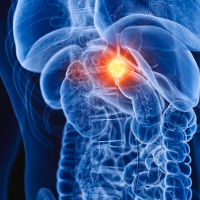
Adrenal Cancer
Cancer Conditions
Adrenal Cancer What Is Adrenal Cancer? The adrenals are small glands that sit on top of each of the kidneys. The kidneys are located deep inside the upper part of the abdomen. What Is Cancer? Cancer starts when cells in the body begin to grow out of control. Cells in nearly any part of the body can become cancer cells. Learn more here. Anatomy Gallery: Female Genitourinary System Explore our 3D interactive tour of the female genitourinary system. Anatomy Gallery: Male Genitourinary System Explore our 3D interactive tour of the male genitourinary system. About the adrenal glands Each adrenal gland has 2 parts. The outer part, the cortex, is where most tumors develop. The cortex makes certain hormones for the body. These hormones all have a similar chemical structure and are called steroids : Cortisol causes changes in metabolism to help the body to handle stress. Aldosterone helps the kidneys regulate the amount of salt in the blood and helps regulate blood pressure. Adrenal androgens , also called dehydroepiandrosterone or DHEA, can be converted to the sex hormones, estrogen and testosterone in other parts of the body. The amount of these hormones, however, that results from conversion of adrenal androgens is small compared to what is made in the other places in the body. In men, the testicles produce most of the androgens (male hormones). The ovaries produce most of the estrogens (female hormones) in women. The inner part of the adrenal gland, the medulla, is really an extension of the nervous system. Nervous system hormones such as norepinephrine, epinephrine, and dopamine are made in the medulla. Tumors and cancers that start in the adrenal medulla include pheochromocytomas (which most often are benign) and neuroblastomas . Tumors and cancers of the adrenal cortex are covered here, but tumors of the adrenal medulla are not. Neuroblastomas are covered separately elsewhere . Adrenocortical tumors Many adrenocortical tumors are discovered by accident (incidentally) when CT or MRI scans of the abdomen are done because of an unrelated health problem. These tumors are called adrenal incidentalomas , if the mass is larger than 1 cm (less than ½ inch) and is found incidentally. Regardless of how they are found, all adrenocortical tumors should be determined to be either: Adrenocortical adenomas (Benign or non-cancerous tumors that don’t spread beyond the adrenal gland.) Adrenocortical carcinomas (Malignant or cancerous tumors that can spread beyond the adrenal gland.) In general, the findings on imaging scans can help doctors understand if the tumor is an adenoma or carcinoma, based on the tumor’s size and how it looks (smooth vs. irregular, the lack or presence of fat, etc.). Adrenocortical adenomas Most adrenal cortex tumors are benign adenomas. These tumors are usually small (less than 4 cm) and occur in only one adrenal gland. Most people with adrenal adenomas have no symptoms and don't know that they have an adrenal tumor. Adrenocortical adenomas are categorized by whether they make hormones (functional) or not (non-functional). Most adenomas are non-functional. However, the small percentage of adrenocortical adenomas that do make hormones can cause certain medical conditions, such as: Cushing’s syndrome (high levels of cortisol) Primary aldosteronism (high levels of aldosterone) Androgen and estrogen-secreting tumors The excess hormones can cause the same symptoms as those from adrenocortical carcinomas (cancers). To learn more, see Signs and Symptoms of Adrenal Cancers . Treatment : How an adrenocortical adenoma is treated depends on: If is causing symptoms, and If there are concerning findings on imaging scans If an adenoma is causing symptoms, either by making excess hormones or by its size pressing against other structures, surgery is considered. Some patients having hormone-related symptoms who can’t have a major operation because of other major health problems, might consider a drug treatment to block the production or actions of these hormones. Surgery is considered if the imaging scan shows an adenoma has concerning features, such as: Size greater than 4 cm (almost 1 ½ inches) Relatively low percentage of fat (called lipid-poor ) Irregular borders and appearance If an adenoma is not causing any symptoms, is smaller than 4 cm, and has no concerning features on scans, it is generally just watched. Based on the way it looks when the scan is repeated 3 months to 24 months after diagnosis, if the adenoma has gotten larger or is larger than 4 cm, surgery would be considered. If the tumor is unchanged and the patient does not have any symptoms from it, it might not need to be treated at all. Adrenocortical carcinomas (adrenal cancer) Tumors that form from the adrenal cortex and can spread to other parts of the body are called adrenocortical carcinomas . They are also called adrenal cancers . Some of the adrenal cancers make excess hormones (functional) and can cause the same symptoms as functional adrenocortical adenomas. To learn more, see Signs and Symptoms of Adrenal Cancers . Adrenal cancers that do not make hormones (non-functional) may start causing symptoms when they grow to a certain size and press on nearby structures, causing abdominal pain. Treatment : How an adrenal cancer is treated depends on: If it has spread to other parts of the body If the tumor can safely be removed If the patient can tolerate surgery If the cancer has not spread to other parts of the body, the tumor can be removed. If the tumor can safely be removed and the patient can tolerate such a procedure, then removal of the adrenal gland is commonly advised. This procedure is called an adrenalectomy . However, if the cancer does not meet all the above criteria, then an adrenalectomy is generally not advised. Sometimes, an adrenal tumor may be removed surgically to treat symptoms such as pain or high hormone levels. If surgery is not an option for you, your doctor may discuss other options such as close observation with no intervention, localized therapy such as radiation or ablation, or enrolling in a clinical trial. Metastatic cancer in the adrenal gland Most cancers found in the adrenal gland did not start there and are not primary adrenal cancers. Instead, they started in other organs or tissues and then spread (metastasized) through the bloodstream to the adrenal glands. For example, lung cancers, melanomas, and breast cancers may spread to the adrenals. When other cancers spread to the adrenals, they are not considered adrenal cancer. They are named and treated based on the place where they started. Questions to Ask Your Doctor About Adrenal Cancer As you deal with adrenal cancer and the process of treatment, you should be able to have frank, open discussions with your cancer care team. Ask any questions, no matter how trivial they might seem. Among the questions you might want to ask are: When you’re told you have adrenal cancer Has the cancer spread beyond the adrenal gland? What is the stage of the cancer, and what does that mean for me? Will I need other tests before we can decide on treatment? Do I need to see any other doctors or health professionals? Is this type of adrenal cancer hereditary? Should I consider genetic testing? If I’m concerned about the costs and insurance coverage for my diagnosis and treatment, who can help me? When deciding on a treatment plan What are my treatment choices? Does my cancer need to be treated right away, or can it be watched closely ? How much experience do you have treating this type of cancer? Should I get a second opinion ? How do I do that? What is the goal of treatment? What side effects should I expect from my treatments? What should I do to be ready for treatment? What will treatment be like? Where will treatment be done? What if I have trouble getting to and from my treatments because of transportation problems? Is my tumor secreting excessive amounts of hormones? If so, how will we treat the hormone excess? During treatment Once treatment begins, you’ll need to know what to expect and what to look for. Not all these questions may apply to you, but asking the ones that do may be helpful. What should I do to be ready for treatment? What are the treatments like? How long will treatment last? Where will the treatments be given? What risks or side effects should I be watchful for? Are there things I can do to reduce the side effects? How might treatment affect my daily activities? Can I still work full time? Are there any limits on what I can do? How can I reach someone on the team on nights, holidays, or weekends? Do I need to change what I eat during treatment? Can I exercise during treatment? If so, what kind of exercise should I do? If I start to feel overwhelmed, depressed, or distressed, can you suggest a mental health professional I can see? What if I need social support during treatment? After treatment How long will it take to recover from treatment? When can I go back to work after treatment? Do I need to follow a special diet after treatment? Are there any limits on what I can do? What side effects or symptoms should I watch for? How often will I need to have follow-up exams and imaging tests? How will we know if the cancer has come back? What should I watch for? Along with these sample questions, be sure to write down some of your own. For instance, you might want more information about recovery times so you can plan your work or activity schedule. You might also want to ask about clinical trials for which you may qualify. Doctors aren't the only ones who can give you information. Other health care professionals, such as nurses and social workers, may have the answers you seek. You can find more information about communicating with your health care team in The Doctor-Patient Relationship . Additional Information About Adrenal Cancer What Is Adrenal Cancer? Key Statistics for Adrenal Cancer What's New in Adrenal Cancer Research? Causes, Risk Factors, and Prevention Early Detection, Diagnosis, and Staging Treating Adrenal Cancer After Treatment If You Have Adrenal Cancer Surgery for Adrenal Cancer Radiation Therapy for Adrenal Cancer Chemotherapy for Adrenal Cancer Immunotherapy for Adrenal Cancer Hormone Therapy for Adrenal Cancer Treatment Choices by Stage of Adrenal Cancer Health Professionals Who Are Part of a Cancer Care Team Source: https://www.cancer.org/cancer/types/adrenal-cancer.html
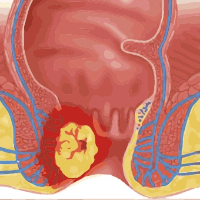
Anal Cancer
Cancer Conditions
Anal Cancer What Is Anal Cancer? Anal cancer is a type of cancer that starts in the anus. Cancer starts when cells in the body begin to grow out of control. To learn more about how cancers start and spread, see What Is Cancer? Normal structure and function of the anus The anus is the opening at the lower end of the intestines. It's where the end of the intestines connect to the outside of the body. As food is digested, it passes from the stomach to the small intestine. It then moves from the small intestine into the main part of the large intestine (called the colon ). The colon absorbs water and salt from the digested food. The waste matter that's left after going through the colon is known as feces or stool . Stool is stored in the last part of the large intestine, called the rectum . From there, stool is passed out of the body through the anus as a bowel movement. Gastrointestinal system (GI system) Structures of the anus The anus is connected to the rectum by the anal canal . The anal canal has two ring-shaped muscles (called sphincter muscles ) that keep the anus closed and prevent stool from leaking out. The anal canal is about 1-1/2 to 2 inches (about 3 to 5 cm) long and goes from the rectum to the anal verge . The anal verge is where the canal connects to the outside skin at the anus. This skin around the anal verge is called the perianal skin (previously called the anal margin ). The inner lining of the anal canal is the mucosa . Most anal cancers start from cells in the mucosa. Glands and ducts (tubes leading from the glands) are found under the mucosa. The glands make mucus, which acts as a lubricating fluid. The cells of the anal canal change as they go from the rectum to the anal verge: Cells above the anal canal (in the rectum) and in the part of the anal canal close to the rectum are shaped like tiny columns. Most cells near the middle of the anal canal are shaped like cubes and are called transitional cells . This area is called the transitional zone . About midway down the anal canal is the dentate line , which is where most of the anal glands empty mucus into the anus. Below the dentate line are flat (squamous) cells. At the anal verge, the squamous cells of the lower anal canal merge with the skin just outside the anus. This skin around the anal verge (called the perianal skin or the anal margin ) is also made up of squamous cells, but it also contains sweat glands and hair follicles, which are not found in the lining of the lower anal canal. Types of anal cancer Anal cancers are often divided into 2 groups based on where they start: Cancers of the anal canal (above the anal verge) Cancers of the perianal skin (below the anal verge) – previously called cancers of the anal margin Sometimes, treatment may be different, depending on where the cancer is located. But anal cancers can sometimes extend from one area into the other, so it’s hard to know exactly where they started. Squamous cell carcinoma Most (nearly 9 out of 10 cases) anal cancers in the United States are squamous cell cancer. These tumors start in the squamous cells that line most of the anal canal and the anal margin. Squamous cell cancers in the anal canal have grown beyond the surface and into the deeper layers of the lining. Squamous cell cancers of the anal margin (perianal skin) can be treated as an anal cancer or like squamous cell cancer of the skin . It is important to see an expert if you are diagnosed with perianal cancer to determine the best course of treatment. The anal cancer information here focuses mainly on anal squamous cell carcinoma since it is the most common type of anal cancer. Rare types of anal cancers Adenocarcinoma A small number of anal cancers are adenocarcinomas . These cancers start in cells that line the upper part of the anus near the rectum. They can also start in the glands under the anal mucosa that release secretions into the anal canal. Most anal adenocarcinomas are treated the same as rectal carcinomas. For more information, see Colorectal Cancer . Adenocarcinomas can also start in apocrine glands (a type of sweat gland of the perianal skin). Paget’s disease is a type of apocrine gland carcinoma that spreads through the surface layer of the skin. Paget’s disease can affect skin anywhere in the body but most often affects skin of the perianal area, vulva , or breast . This should not be confused with Paget’s disease of the bone, which is a different disease and is not cancer. Basal cell carcinoma Basal cell carcinomas are a type of skin cancer that can develop in the perianal skin. These tumors are much more common in areas of skin exposed to the sun, such as the face and hands. Very few anal cancers are basal cell carcinomas. They are often treated with surgery to remove the cancer. For more information, see Skin Cancer: Basal and Squamous Cell . Melanoma These cancers start in cells in the skin or anal lining that make the brown pigment called melanin . Only a very small number of anal cancers are melanomas. Melanomas are far more common on the skin in other parts of the body. If melanomas are found at an early stage (before they have grown deeply into the skin or spread to lymph nodes) they can be removed with surgery, and the outlook for long-term survival is very good. But because anal melanomas are hard to see, most are found at a later stage. If possible, the entire tumor is removed with surgery. If all of the tumor can be removed, a cure is possible. Sometimes, an abdominoperineal resection (APR) might be recommended. If the melanoma has spread too far to be removed completely, other treatments may be given. For more on this, see Melanoma Skin Cancer . Gastrointestinal stromal tumor (GIST) These cancers are much more common in the stomach or small intestine, and rarely start in the anal region. When these tumors are found at an early stage, they are removed with surgery. If they have spread beyond the anus, they can be treated with drug therapy. For more information, see Gastrointestinal Stromal Tumor (GIST) . Anal conditions that are pre-cancer Some changes in the anal mucosa are harmless at first, but later might turn into cancer. These are called pre-cancers . Pre-cancers might also be called dysplasia . Some warts, for example, contain areas of dysplasia that can develop into cancer. Dysplasia in cells of the anus is called anal intraepithelial neoplasia (AIN) or anal squamous intraepithelial lesions (SILs) . Depending on how the cells look, AIN or anal SIL can be divided into 2 groups: Low-grade SIL (or grade 1 AIN): The cells in low-grade SIL look like normal cells. Low-grade SIL often goes away without treatment and has a low chance of turning into cancer. High-grade SIL (or grade 2 AIN or grade 3 AIN) : The cells in high-grade SIL look abnormal. High-grade SIL is less likely to go away without treatment and, with time, could become cancer. It needs to be watched closely and some cases of high-grade SIL need to be treated. Benign anal tumors Many types of tumors can develop in the anus. Not all of these tumors are cancers – some are benign (not cancer). Polyps Polyps are small, bumpy, or mushroom-like growths that form in the mucosa or just under it. There are many kinds including inflammatory polyps, lymphoid polyps and fibroepithelial polyps. Skin tags Skin tags are benign growths of connective tissue that are covered by squamous cells. Skin tags are often mistaken for hemorrhoids (swollen veins inside the anus or rectum), but they're not the same. Anal warts Anal warts (also called condylomas ) are growths that form just outside the anus and in the lower anal canal below the dentate line. Sometimes they can be found just above the dentate line. They're caused by infection with human papilloma virus (HPV). People who have or had anal warts are more likely to get anal cancer. (See “Anal conditions that are pre-cancer” above and Risk Factors for Anal cancer .) Other benign tumors In rare cases, benign tumors can grow in other tissues of the anus. These include: Leiomyomas: Benign tumors that develop from smooth muscle cells Granular cell tumors: Tumors that develop from nerve cells and are composed of cells that contain lots of tiny spots (granules) Lipomas: Benign tumors that start from fat cells Questions to Ask Your Doctor About Anal Cancer It's important to have honest, open discussions with your cancer care team. They want to answer all your questions, so that you can make informed treatment and life decisions. For instance, consider these questions: When you’re told you have anal cancer What kind of anal cancer do I have? Has my cancer spread beyond where it started? What is the stage of my cancer and what does this mean in my case? Will I need other tests before we can decide on treatment? Will I need to see other doctors? If I’m concerned about the costs and insurance coverage for my diagnosis and treatment, who can help me? When deciding on a treatment plan How much experience do you have treating this type of cancer? Should I get a second opinion ? How do I do that? Can you recommend someone or a cancer center? What are my treatment choices? What treatment would you recommend for me? Why? What is the goal of each treatment? What are the chances my cancer can be cured with these options? How quickly do I need to decide on treatment? What should I do to be ready for treatment? How long will treatment last? What will it be like? Where will it be done? What are the risks or side effects of the treatments you suggest? How long are they likely to last? Will I need to have a colostomy? How soon do I need to start treatment? Will treatment affect my daily activities? What would my options be if the treatment doesn't work or if the cancer comes back after treatment? During treatment How will we know if the treatment is working? Is there anything I can do to help manage side effects ? What symptoms or side effects should I tell you about right away? How can I reach you on nights, holidays, or weekends? Do I need to change what I eat during treatment? Are there any limits on what I can do? Can you suggest a mental health professional I can see if I start to feel overwhelmed, depressed , or distressed ? After treatment Are there any limits on what I can do? What symptoms should I watch for? What kind of exercise should I do now? What type of follow-up will I need after treatment? How often will I need to have follow-up exams and imaging tests? Will I need any blood tests? How will we know if the cancer has come back? What should I watch for? What will my options be if the cancer comes back? How soon after treatment can I return to my normal activities, such as work, school, exercise, or sex? Along with these sample questions, be sure to write down some of your own. For instance, you might want more information about recovery times. Or you might want to ask if you qualify for a clinical trial . Doctors are not the only ones who can provide you with information. Other health care professionals, such as nurses and social workers, can also answer some of your questions. You can find out more about communicating with your health care team in The Doctor-Patient Relationship . Additional Information About Anal Cancer What Is Anal Cancer? Key Statistics for Anal Cancer What’s New in Anal Cancer Research? Causes, Risk Factors, and Prevention Early Detection, Diagnosis, and Staging Treating Anal Cancer After Treatment If You Have Anal Cancer Surgery for Anal Cancer Radiation Therapy for Anal Cancer Chemotherapy for Anal Cancer Immunotherapy for Anal Cancer Treatment of Anal Cancer, by Stage Health Professionals Who Are Part of a Cancer Care Team Source: https://www.cancer.org/cancer/types/anal-cancer.html
Basal and Squamous Cell Skin Cancer
Cancer Conditions
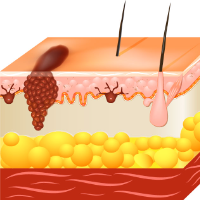
Basal and Squamous Cell Skin Cancer What Are Basal and Squamous Cell Skin Cancers? Basal and squamous cell skin cancers are the most common types of skin cancer. These cancers are often related to sun exposure. Where do skin cancers start? Most skin cancers start in the top layer of skin, called the epidermis . There are 3 main types of cells in this layer: Squamous cells: These are flat cells in the upper (outer) part of the epidermis, which are constantly shed as new ones form. When these cells grow out of control, they can develop into squamous cell skin cancer (also called squamous cell carcinoma ). Basal cells: These cells are in the lower part of the epidermis, called the basal cell layer. These cells constantly divide to form new cells to replace the squamous cells that wear off the skin’s surface. As these cells move up in the epidermis, they get flatter, eventually becoming squamous cells. Skin cancers that start in the basal cell layer are called basal cell skin cancers or basal cell carcinomas. Melanocytes: These cells make the brown pigment called melanin, which gives the skin its tan or brown color. Melanin acts as the body’s natural sunscreen, protecting the deeper layers of the skin from some of the harmful effects of the sun. Melanoma skin cancer starts in these cells. The epidermis is separated from the deeper layers of skin (the dermis and the subcutis) by a thin layer of tissue known as the basement membrane . When a skin cancer becomes more advanced, it generally grows through this barrier and into the deeper layers. What Is Cancer? Cancer starts when cells in the body begin to grow out of control. Cells in nearly any part of the body can become cancer cells. Learn more here. Anatomy Gallery: Skin Explore our 3D interactive tour of the skin system. Basal cell carcinoma Basal cell carcinoma (BCC, also called basal cell skin cancer, or just basal cell cancer ) is most common type of skin cancer. About 8 out of 10 skin cancers are basal cell carcinomas. These cancers start in the basal cell layer, which is the lower part of the epidermis. BCCs usually develop on sun-exposed areas, especially the face, head, neck, and arms. They tend to grow slowly. It’s very rare for a basal cell cancer to spread to other parts of the body. But if BCC is left untreated, it can grow into nearby areas and invade the bone or other tissues beneath the skin. If not removed completely, BCC can come back (recur) in the same place on the skin. People who have had basal cell skin cancers are also more likely to get new ones in other places. Squamous cell carcinoma About 2 out of 10 skin cancers are squamous cell carcinomas (SCCs, also called squamous cell skin cancers, cutaneous squamous cell cancers, or just squamous cell cancers ). These cancers start in the flat cells in the upper (outer) part of the epidermis. SCCs commonly appear on sun-exposed areas of the body such as the face, ears, neck, lips, arms, and backs of the hands. They can also develop in scars or chronic skin sores elsewhere. They sometimes start in actinic keratoses (described below). Less often, they form in the skin of the genital area. Squamous cell cancers can usually be removed completely (or treated in other ways), although they are much more likely than basal cell cancers to grow into deeper layers of skin and spread to other parts of the body. Pre-cancerous and other skin conditions related to squamous cell carcinoma Actinic keratosis (solar keratosis) Actinic keratosis (AK), also known as solar keratosis , is a pre-cancerous skin condition caused by too much exposure to the sun. AKs are usually small (less than 1/4 inch across), rough or scaly spots that may be pink-red or flesh-colored. Usually they start on the face, ears, backs of the hands, and arms of middle-aged or older people with fair skin, although they can occur on other sun-exposed areas. People who have them usually develop more than one. AKs tend to grow slowly and usually do not cause any symptoms (although some might be itchy or sore). They sometimes go away on their own, but they may come back. A small percentage of AKs may turn into squamous cell skin cancers. Most AKs do not become cancer, but it can be hard sometimes to tell them apart from true skin cancers, so doctors often recommend treating them. If they are not treated, you and your doctor should check them regularly for changes that might be signs of skin cancer. Squamous cell carcinoma in situ (Bowen disease) Squamous cell carcinoma in situ, also called Bowen disease, is the earliest form of squamous cell skin cancer. “In situ” means that the cells of these cancers are still only in the epidermis (the upper layer of the skin) and have not invaded deeper layers. Bowen disease appears as reddish patches. Compared with AKs, Bowen disease patches tend to be larger, redder, scalier, and sometimes crusted. Like AK, Bowen disease usually doesn’t cause symptoms, although it might be itchy or sore. Like most other skin cancers (and AKs), these patches most often appear in sun-exposed areas. Bowen disease can also occur in the skin of the anal and genital areas (where it is known as erythroplasia of Queyrat or Bowenoid papulosis ). This is often related to sexually transmitted infection with human papillomaviruses (HPVs), the viruses that can also cause genital warts. Bowen disease can sometimes progress to an invasive squamous cell skin cancer, so doctors usually recommend treating it. People who have these are also at higher risk for other skin cancers, so close follow-up with a doctor is important. Keratoacanthoma Keratoacanthomas (KAs) are dome-shaped tumors that often have a crater-like area in the middle, like a volcano. These tumors tend to start on sun-exposed skin. They may start out growing quickly, but their growth usually slows down. Many keratoacanthomas shrink or even go away on their own over time without any treatment. But some continue to grow, and a few may even spread to other parts of the body. Many doctors view keratoacanthomas as a type of squamous cell skin cancer, although not all doctors agree. These tumors can be hard to tell apart from SCC just by looking at them, and their growth is often hard to predict, so doctors usually advise removing or destroying them (similar to how SCCs are treated). Other types of skin cancer Melanoma These cancers develop from melanocytes, the pigment-making cells in the epidermis. Melanomas are much less common than basal and squamous cell cancers, but they are more likely to grow and spread if left untreated. Melanomas are discussed in Melanoma Skin Cancer . Less common types of skin cancer Other types of skin cancer are much less common and are treated differently. These include: Merkel cell carcinoma Kaposi sarcoma Cutaneous (skin) lymphoma Skin adnexal tumors (tumors that start in hair follicles or skin glands) Various types of sarcomas Together, these types account for less than 1% of all skin cancers. Benign skin tumors Most skin tumors are benign (not cancerous) and rarely if ever turn into cancers. There are many kinds of benign skin tumors, including: Most types of moles (see Melanoma Skin Cancer for more about moles) Seborrheic keratoses: tan, brown, or black raised spots with a waxy texture or occasionally a slightly rough and crumbly surface when they are on the legs (also known as stucco keratosis ) Hemangiomas: benign blood vessel growths, often called strawberry spots Lipomas: soft tumors made up of fat cells Warts: rough-surfaced growths caused by some types of human papillomavirus (HPV) Questions to Ask Your Doctor About Your Basal or Squamous Cell Skin Cancer If you have basal or squamous cell skin cancer, it’s important to have honest, open discussions with your doctor. Ask any question, no matter how small it might seem. Here are some questions you might want to ask. When you’re told you have skin cancer What type of skin cancer do I have? Can you explain the different types of skin cancer? Has the cancer grown deeply into the skin? Has it spread to nearby areas or to other parts of the body? Do I need any other tests before we can decide on treatment? Do we need to find out the stage or risk group of the cancer? Are there any other factors that might affect my treatment options? Do I need to see any other doctors? If I’m worried about the costs and insurance coverage for my diagnosis and treatment, who can help me? When deciding on a treatment plan How much experience do you have treating this type of cancer? What are my treatment options ? What do you recommend? Why? Will I be OK if the cancer is just removed with no other treatment? What will treatment be like? Where will it be done? What are the risks or side effects from treatment? Will I have a scar after treatment? How big will it be? How quickly do we need to decide on treatment? What should I do to be ready for treatment? After treatment What are the chances of my cancer coming back with the treatment options we have discussed? What would our options be if that happens? What are my chances of developing another skin cancer? Should I take special precautions to avoid the sun? What steps I can take to protect myself? What type of follow-up will I need after treatment? How will we know if the cancer has come back? What should I watch for? Are any of my family members at risk for skin cancer? What should I tell them to do? Along with these sample questions, be sure to write down any others you have. For instance, you might want more information about recovery times so you can plan your work or activity schedule. Or you may want to ask about second opinions or about clinical trials for which you may qualify. Keep in mind that doctors aren’t the only ones who can give you information. Other health care professionals, such as nurses and social workers, can answer some of your questions. To find out more about speaking with your health care team, see The Doctor-Patient Relationship . Additional Information About Basal and Squamous Cell Skin Cancer What Are Basal and Squamous Cell Skin Cancers? Key Statistics for Basal and Squamous Cell Skin Cancers What’s New in Basal and Squamous Cell Skin Cancer Research? Causes, Risk Factors, and Prevention Early Detection, Diagnosis, and Staging Treating Basal and Squamous Cell Skin Cancer After Treatment Surgery for Basal and Squamous Cell Skin Cancers Non-surgical Local Treatments for Basal and Squamous Cell Skin Cancers Radiation Therapy for Basal and Squamous Cell Skin Cancers Systemic Chemotherapy for Basal and Squamous Cell Skin Cancers Targeted Therapy for Basal and Squamous Cell Skin Cancers Immunotherapy for Advanced Basal or Squamous Cell Skin Cancers Treating Basal Cell Carcinoma Treating Squamous Cell Carcinoma of the Skin Treating Actinic Keratosis and Bowen Disease Skin Cancer Treatments [PDF] Health Professionals Who Are Part of a Cancer Care Team Source: https://www.cancer.org/cancer/types/basal-and-squamous-cell-skin-cancer.html
Bile Duct Cancer
Cancer Conditions
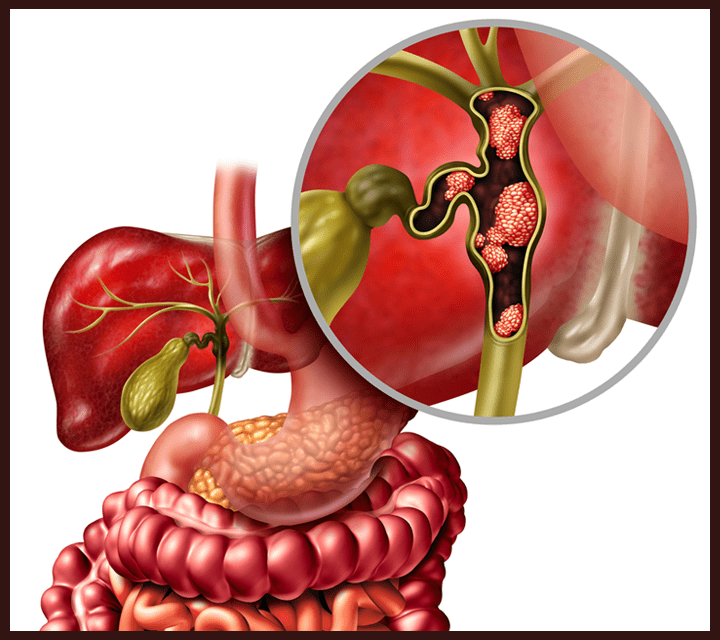
Bile Duct Cancer Bile duct cancer (also known as cholangiocarcinoma ) is a type of cancer that starts in a bile duct. It can start in any part of the bile duct system. About the bile ducts To understand bile duct cancer, it helps to know about the bile ducts and what they normally do. Bile is a fluid made in your liver and stored in your gallbladder. Your bile ducts are a series of thin tubes that carry bile from your liver and gallbladder into your small intestine, where the bile helps digest the fats in food. Bile also helps your body get rid of waste material that is filtered out of the bloodstream by your liver. Different parts of the bile duct system have different names. In the liver, the bile duct system begins as many tiny tubes (called ductules ). The ductules come together to form small tubes called ducts . These small ducts merge into larger ducts and then merge again to form the left and right hepatic ducts. All of these ducts within the liver are called intrahepatic bile ducts . The left and right hepatic ducts exit the liver and join to form the common hepatic duct . Bile ducts located outside the liver are called extrahepatic bile ducts . The gallbladder is a small organ that stores bile. It is located below the liver. It is connected to the common hepatic duct via the cystic duct . These come together to form the common bile duct . The common bile duct passes through part of the pancreas before it joins with the pancreatic duct and empties into the duodenum (first part of the small intestine) at the Ampulla of Vater . What Is Cancer? Cancer starts when cells in the body begin to grow out of control. Cells in nearly any part of the body can become cancer cells. Learn more here. Anatomy Gallery: Digestive System Explore our 3D interactive tour of the digestive system. Types of bile duct cancers by location Bile duct cancer (cholangiocarcinoma) can start in any part of the bile duct system. Depending on where the cancer starts, it is either an intrahepatic cholangiocarcinoma or an extrahepatic cholangiocarcinoma . Intrahepatic cholangiocarcinoma Intrahepatic bile duct cancers start in the smaller bile duct branches within the liver. They make up about 10% of all bile duct cancers. Sometimes, intrahepatic bile duct cancers are confused with hepatocellular carcinoma, a cancer that starts in the liver cells. But these are two different types of cancer, and they are treated differently. Extrahepatic cholangiocarcinoma There are two types of extrahepatic cholangiocarcinoma: perihilar duct cancer and distal duct cancer. Perihilar bile duct cancers are found in the hilar region of the bile duct system. The hilar region is where the left and right hepatic ducts leave the liver and join to form the common hepatic duct. Perihilar duct cancers are also called Klatskin tumors . Distal duct cancers are found along the common bile duct. The common bile duct starts where the common hepatic duct joins with the cystic duct (from the gallbladder) and extends through the pancreas and into the small intestine at the Ampulla of Vater. Cancers that start in different parts of the bile ducts can cause different symptoms . Types of bile duct cancer by cell type Bile duct cancers can also be divided into types based on how the cancer cells look under the microscope. Nearly all bile duct cancers are cholangiocarcinomas (a type of adenocarcinoma, which is a cancer that starts in gland cells). Cholangiocarcinomas start in the gland cells that line the inside of the ducts. Other types of bile duct cancers are much less common. These include sarcomas, lymphomas, and small cell cancers. Our information does not cover these rare types of bile duct cancer. Benign bile duct tumors Not all bile duct tumors are cancer. For example, bile duct hamartomas and bile duct adenomas are types of benign (non-cancer) tumors. Other cancers in the liver The most common type of cancer that starts in the liver is hepatocellular carcinoma . This type of cancer starts in the main cells that make up the liver. It is more common than cholangiocarcinoma. Cancers that start in other organs, such as the colon or rectum, can sometimes spread (metastasize) to the liver. These metastatic cancers are not true liver cancers. For example, colorectal cancer that has spread to the liver is still colorectal cancer, not liver cancer. The treatment and outlook for cancer that metastasizes to the liver is not the same as for a cancer that starts in the liver. For this reason, it’s important to know whether a tumor in the liver started in bile ducts (cholangiocarcinoma), if it started in the liver tissue itself (hepatocellular carcinoma), or if it started in another organ and has spread to the liver. Questions to Ask Your Doctor About Bile Duct Cancer It's important to have honest, open discussions with your cancer care team. They want to answer all your questions, no matter how minor they might seem. Don't be afraid to ask them. Below is a list of questions to get you started. When you’re told you have bile duct cancer What type of bile duct cancer do I have? Where is it located? Has my cancer spread beyond the bile ducts? What is the stage of my cancer , and what does that mean in my case? What is my prognosis (outlook)? Do I need other tests before we consider treatment options? Do I need to see any other kinds of doctors? How much experience do you have treating this type of cancer? Should I get a second opinion ? When deciding on a treatment plan What are my treatment options ? Can my cancer be removed with surgery ? What treatment do you recommend and why? What is the goal of treatment? What risks or side effects are there to the treatments you suggest? How long are they likely to last? How quickly do we need to decide on treatment? What should I do to be ready for treatment? How long will treatment last? What will it be like? Where will it be done? How will treatment affect my daily activities? What are the chances my cancer can be cured with these treatment plans? During treatment How will we know if the treatment is working? Is there anything I can do to help manage side effects ? What symptoms or side effects should I tell you about right away? How can I reach you on nights, holidays, or weekends? Do I need to change what I eat during treatment? Are there any limits on what I can do? Can you suggest a mental health professional I can see if I start to feel overwhelmed, depressed, or distressed ? After treatment What would my options be if the treatment doesn’t work or if the cancer comes back? What type of follow-up might I need after treatment? What long-term side effects or late effects should I expect? Where can I get more information and support? Along with these sample questions, be sure to write down some of your own. For example, you might want more information about recovery times so you can plan your work or activity schedule. Or you might want to ask about qualifying for clinical trials. Keep in mind that doctors are not the only ones who can give you information. Other health care professionals , such as nurses and social workers, can answer some of your questions. Additional Information Surgery for Bile Duct Cancer Radiation Therapy for Bile Duct Cancer Chemotherapy for Bile Duct Cancer Targeted Drug Therapy for Bile Duct Cancer Immunotherapy for Bile Duct Cancer Palliative Therapy for Bile Duct Cancer Treatment Options Based on the Extent of Bile Duct Cancer Health Professionals Who Are Part of a Cancer Care Team About Bile Duct Cancer Causes, Risk Factors, and Prevention Early Detection, Diagnosis, and Staging Can Bile Duct Cancer Be Found Early? Signs and Symptoms of Bile Duct Cancer Tests for Bile Duct Cancer Bile Duct Cancer Stages Questions to Ask About Bile Duct Cancer Survival Rates for Bile Duct Cancer Treating Bile Duct Cancer After Treatment If You Have Bile Duct Cancer Source: https://www.cancer.org/cancer/types/bile-duct-cancer/about/what-is-bile-duct-cancer.html
Bladder Cancer
Cancer Conditions
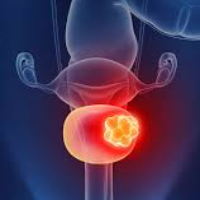
Bladder Cancer What Is Bladder Cancer? Bladder cancer starts when cells in the urinary bladder start to grow out of control. As more cancer cells develop, they can form a tumor and, with time, might spread to other parts of the body. The bladder The bladder is a hollow organ in the lower pelvis. Its main job is to store urine. Urine is liquid waste made by the kidneys and then carried to the bladder through tubes called ureters . The wall of the bladder is made up of several layers (see image). When you urinate, the muscles in the wall of the bladder contract, and urine is forced out of the bladder through a tube called the urethra . What Is Cancer? Cancer starts when cells in the body begin to grow out of control. Cells in nearly any part of the body can become cancer cells. Learn more here. Anatomy Gallery: Female Genitourinary System Explore our 3D interactive tour of the female genitourinary system. Anatomy Gallery: Male Genitourinary System Explore our 3D interactive tour of the male genitourinary system. Types of bladder cancer Different types of cancer can start in the bladder. Urothelial carcinoma (transitional cell carcinoma) Urothelial carcinoma, also known as transitional cell carcinoma (TCC), starts in the urothelial cells that line the inside of the bladder. This is by far the most common type of bladder cancer. If you’re told you have bladder cancer, it's very likely to be a urothelial carcinoma. Urothelial cells also line the inside of other parts of the urinary tract, such as the part of the kidney that connects to the ureter (called the renal pelvis ), the ureters, and the urethra. People with bladder cancer sometimes have tumors in these places, too, so all of the urinary tract needs to be checked for tumors. There are different subtypes of urothelial carcinoma, which are based on how the cancer cells look under a microscope. Most often the subtype doesn’t affect how the cancer is treated, although some subtypes might be more likely to have gene changes that could affect treatment options. Urothelial carcinoma with divergent differentiation Sometimes urothelial cancers contain very small areas that look like some of the other cancer types below (known as divergent differentiation ). For example, the cancer may contain areas of squamous or glandular differentiation. Most often, this doesn’t affect treatment options. Other cancers that start in the bladder Other types of cancer can start in the bladder, but these are all much less common than urothelial (transitional cell) cancer. Squamous cell carcinoma In the US, only about 3% to 5% of bladder cancers are squamous cell carcinomas (SCCs). Seen with a microscope, the cells look much like the flat cells that are found on the surface of the skin. Adenocarcinoma Only about 1% to 2% of bladder cancers are adenocarcinomas. These cancers start in gland-forming cells. Small cell carcinoma Less than 1% of bladder cancers are small cell carcinomas. These cancers start in nerve-like cells called neuroendocrine cells. These cancers often grow quickly and usually need to be treated with chemotherapy like that used for small cell lung cancer. Sarcoma Sarcomas are cancers that start in connective tissues in the body. In the bladder, sarcomas can start in the muscle cells of the bladder, although these cancers are very rare. More information on sarcomas can be found in Soft Tissue Sarcoma and Rhabdomyosarcoma. Start and spread of bladder cancer The wall of the bladder has several layers. Each layer is made up of different kinds of cells (see the image above). Most bladder cancers start in the innermost lining of the bladder, which is called the urothelium or transitional epithelium . As the cancer grows, it can invade into or through the deeper layers of the bladder wall. As the cancer becomes more advanced, it can be harder to treat. Over time, the cancer might grow outside the bladder and into nearby structures. It might spread to nearby lymph nodes, or to other parts of the body. When bladder cancer spreads, it tends to go to the lymph nodes, the bones, the lungs, or the liver. Muscle invasive vs. non-muscle invasive bladder cancer Bladder cancers are often grouped for treatment purposes based on if they have invaded into the main muscle layer of the bladder wall (see the image above): Non-muscle invasive bladder cancer (NMIBC) has not grown into the muscle layer. This is also sometimes described as superficial bladder cancer . Included in this group are both non-invasive (stage 0) bladder tumors (see below), as well as some early invasive (stage I) cancers. Muscle invasive bladder cancer (MIBC) has grown into the muscle layer of the bladder wall, and possibly deeper. These cancers are more likely to spread, and they tend to be harder to treat. Flat vs. papillary non-invasive bladder tumors In non-invasive bladder cancer, the cancer cells are still only in the inner layer (the transitional epithelium) of the bladder wall and have not grown into the deeper layers. These tumors are divided into 2 subtypes, flat and papillary, based on how they grow (see the image above). Non-invasive flat carcinomas do not grow toward the hollow part of the bladder. These tumors are also known as carcinoma in situ (CIS). Non-invasive papillary carcinomas grow in thin, finger-like projections from the inner wall of the bladder toward the hollow center. Different terms might be used to describe these tumors, based on how they look under a microscope: Papillary urothelial neoplasm of low-malignant potential (PUNLMP): These are very low-grade (slow growing) tumors. They are very unlikely to become invasive, and they tend to have very good outcomes. However, they can sometimes come back after treatment. Non-invasive low-grade papillary urothelial carcinoma (LGPUC): The cells in these tumors look a little more abnormal. While these tumors rarely become invasive, they are more likely to come back after treatment. Non-invasive high-grade papillary urothelial carcinoma (HGPUC): In these tumors, the cells look very abnormal. These tumors have a high risk of becoming invasive, and sometimes they can be a sign that there’s an invasive cancer nearby. If either a flat or papillary tumor grows into deeper layers of the bladder, it's called an invasive urothelial (or transitional cell) carcinoma. Questions to Ask Your Doctor About Bladder Cancer It’s important to have honest, open talks with your cancer care team. Ask any question, no matter how small it might seem. Here are some examples of things you might want to ask: When you’re told you have bladder cancer What type of bladder cancer do I have? What is the stage and grade of the cancer, and what does that mean? Do you think the cancer has spread beyond my bladder? Will I need any other tests before we can decide on treatment? Do I need to see any other doctors? If I’m concerned about the costs and insurance coverage for my diagnosis and treatment, who can help me? When deciding on a treatment plan How much experience do you have treating this type of cancer? What are my treatment options ? What do you recommend and why? What is the goal of each treatment? Should I get a second opinion ? How do I do that? Can you recommend a doctor or cancer center? What are the chances my cancer can be cured? Does my bladder need to be removed? Are there other treatment options that do not include bladder removal? If my bladder is removed, what are my options for passing urine? What are the pros and cons of each? How soon do I need to start treatment? What can I do to get ready for treatment? How long will treatment last? What will it be like? Where will it be done? What risks or side effects should I expect? How long are they likely to last? Will treatment affect my daily activities? How likely is it that the cancer will come back? Is there anything I can do to help lower this risk? What will we do if the treatment doesn’t work or if the cancer comes back? During treatment Once treatment starts, you’ll need to know what to expect and what to look for. Not all of these questions may apply, but getting answers to the ones that do may be helpful. How will we know if the treatment is working? Is there anything I can do to help manage side effects? What symptoms or side effects should I tell you about right away? How can I reach you or someone on your team on nights, holidays, or weekends? Do I need to change what I eat during treatment ? Are there any limits on what I can do? Should I exercise? What should I do, and how often? Do you know of any local or online support groups where I can talk to others who have been through this? Can you suggest a mental health professional I can see if I start to feel overwhelmed, depressed, or distressed? After treatment Are there any limits on what I can do? What kind of exercise should I do now? What type of follow-up will I need after treatment? How often will I need to have follow-up exams and tests? How will we know if the cancer has come back? What should I watch for? What would my options be if the cancer does come back? Along with these sample questions, be sure to write down any of your own. For instance, you might want to ask about recovery times so that you can plan your work or activity schedule, or you may want to ask if there are clinical trials you might be eligible for. Keep in mind that doctors aren’t the only ones who can give you information. Other health care professionals, such as nurses and social workers, can answer a lot of your questions. To find more about working with your health care team, see The Doctor-Patient Relationship . Additional Information About Bladder Cancer What Is Bladder Cancer? Key Statistics for Bladder Cancer What’s New in Bladder Cancer Research? Causes, Risk Factors, and Prevention Early Detection, Diagnosis, and Staging After Treatment Treating Bladder Cancer Key Statistics for Bladder Cancer What’s New in Bladder Cancer Research? Bladder Cancer Surgery Intravesical Therapy for Bladder Cancer Chemotherapy for Bladder Cancer Radiation Therapy for Bladder Cancer Immunotherapy for Bladder Cancer Targeted Therapy Drugs for Bladder Cancer Treatment of Bladder Cancer, Based on the Stage and Other Factors Health Professionals Who Are Part of a Cancer Care Team Source: https://www.cancer.org/cancer/types/bladder-cancer.html
Blood Cancer
Cancer Conditions
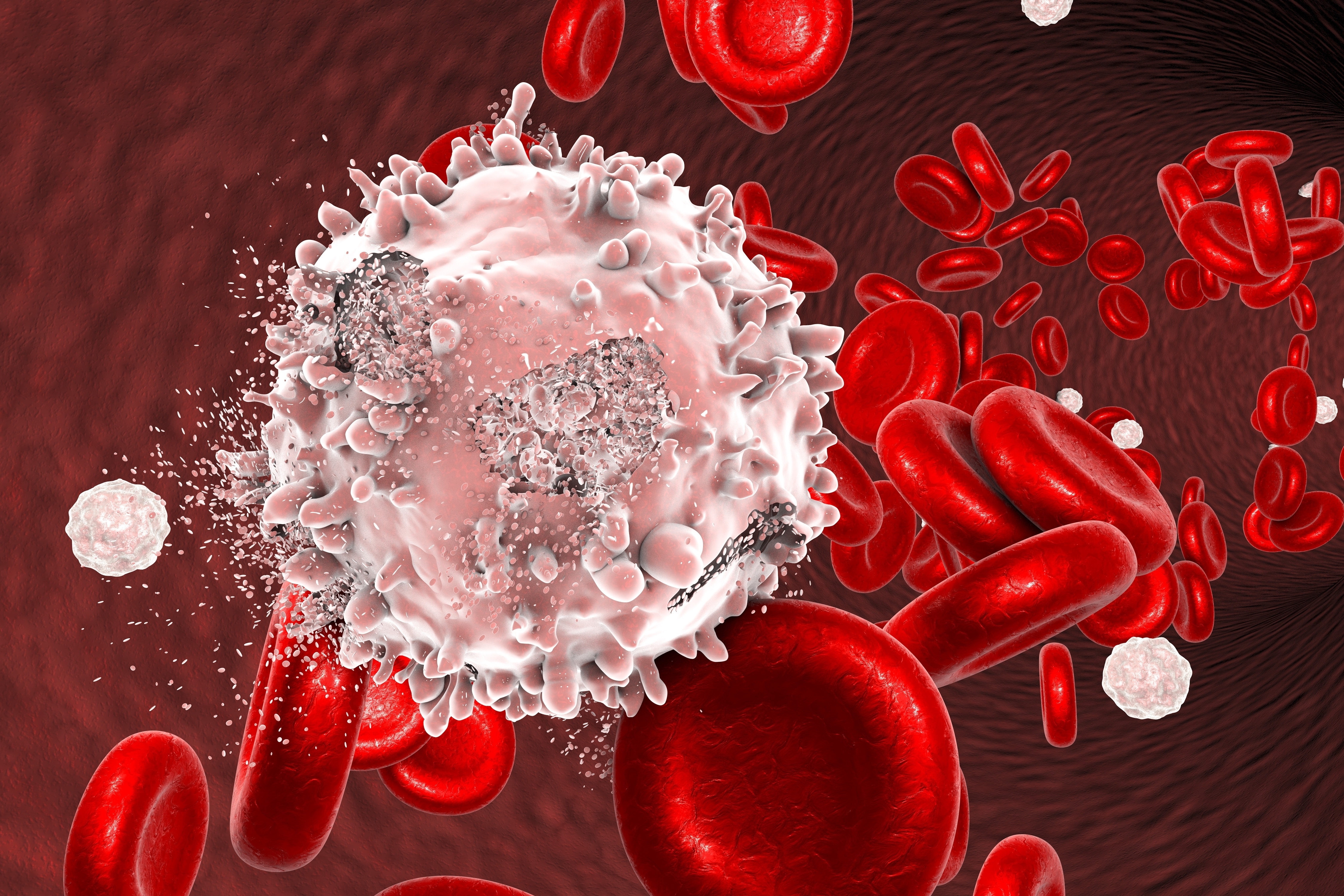
Blood Cancer Blood cancers are cancers in which different types of blood cells start to grow out of control. They can start in the bone marrow, where new blood cells are made, or in the lymphatic system, which helps the body fight infections. There are many kinds of blood cancer, including different types of leukemia and lymphoma, as well as multiple myeloma. Some grow quickly, while others develop more slowly. Some types of blood cancer affect both children and adults, especially certain types of leukemia and lymphoma. Leukemia Acute Lymphocytic Leukemia (ALL) in Adults Navigate our resources on ALL (acute lymphocytic leukemia or acute lymphoblastic leukemia) from risk and prevention information to treatment guidance. Acute Myeloid Leukemia (AML) in Adults Acute myeloid leukemia is also called acute myelocytic leukemia, acute myelogenous leukemia, acute granulocytic leukemia, acute non-lymphocytic leukemia, or sometimes just AML. It is most common in older people. Childhood Leukemia Leukemia is the most common type of cancer in children and teens. Among children and teens diagnosed with cancer, 1 in 3 will have a type of leukemia. Chronic Lymphocytic Leukemia (CLL) Navigate our extensive resources on chronic lymphocytic leukemia, from risk and prevention information to treatment guidance. Chronic Myeloid Leukemia (CML) Navigate our extensive resources on CML, from risk and prevention information to treatment guidance. Chronic Myelomonocytic Leukemia (CMML) Navigate our extensive resources on CMML, from risk and prevention information to treatment guidance. Lymphoma Hodgkin Lymphoma Hodgkin lymphoma (also called Hodgkin disease) is a cancer of the lymph system that starts in white blood cells called lymphocytes. It often causes swollen lymph nodes, fatigue, fever, and weight loss. It is one of the most treatable cancers, especially when found early. Treatment usually includes chemotherapy, radiation, or targeted therapy. Non-Hodgkin Lymphoma Non-Hodgkin lymphoma (NHL) is a cancer that starts in white blood cells called lymphocytes, which help fight infections. It can develop in lymph nodes or other parts of the body and has many subtypes, ranging from slow-growing to aggressive forms. Symptoms may include swollen lymph nodes, fever, night sweats, and weight loss. Treatment depends on the type and stage and may include chemotherapy, targeted therapy, immunotherapy, or radiation. Non-Hodgkin Lymphoma in Children Non-Hodgkin lymphoma (NHL) is one of the most common childhood cancers (though less common than leukemia). It tends to grow quickly, but often responds well to treatment. Many children with NHL can be cured with proper treatment. Lymphoma of the Skin Lymphoma of the skin is a rare type of non-Hodgkin lymphoma that starts in the skin. It can cause red, scaly patches, lumps, or tumors on the skin. Some types grow slowly, while others spread more quickly. Treatment may include topical therapies, phototherapy, radiation, or systemic treatments like targeted therapy or chemotherapy. Waldenstrom Macroglobulinemia Waldenstrom macroglobulinemia is a rare blood cancer that affects white blood cells called B cells. These cells produce too much of a protein called macroglobulin, which can thicken the blood and cause symptoms like fatigue, bleeding, vision problems, and nerve damage. Treatment may include targeted therapy, chemotherapy, or plasma exchange to reduce thickened blood. Myeloma and Other Blood Cancers Multiple Myeloma Multiple myeloma is a cancer that starts in plasma cells, a type of white blood cell that helps fight infections. Abnormal plasma cells build up in the bone marrow, crowding out healthy cells and causing weak bones, kidney problems, and a weakened immune system. Myelodysplastic Syndromes Myelodysplastic syndromes (MDS) are a group of blood disorders where the bone marrow doesn’t make enough healthy blood cells. This can lead to anemia, infections, and bleeding problems. MDS can sometimes turn into leukemia. Treatment may include medications, blood transfusions, or a bone marrow transplant. Tools & Resources Quick Guide: After a Leukemia Diagnosis What to expect before, during, and after treatment for leukemia. Quick Guide: After a Lymphoma Diagnosis What to expect before, during, and after treatment for lymphoma. Anatomy Gallery: Lymphatic System Explore our 3D interactive tour of the lymphatic system. Cancer Care Toolkit Organize your cancer journey with the American Cancer Society Cancer Care Toolkit. Caregiver Resource Guide A helpful tool for people who are caring for someone with cancer. View the complete guide here. Additional Blood Cancer Information, By Type: Blood Cancer Leukemia Acute Lymphocytic Leukemia (ALL) in Adults Acute Myeloid Leukemia (AML) in Adults Chronic Lymphocytic Leukemia (CLL) Chronic Myeloid Leukemia (CML) Chronic Myelomonocytic Leukemia (CMML) Childhood Leukemia Lymphoma Non-Hodgkin Lymphoma Non-Hodgkin Lymphoma in Children Hodgkin Lymphoma Multiple Myeloma Myelodysplastic Syndromes Waldenstrom Macroglobulinemia Source: https://www.cancer.org/cancer/types/blood-cancer.html
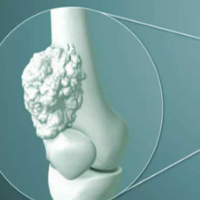
Bone Cancer
Cancer Conditions
Bone Cancer What Is Bone Cancer? Bone cancer is an uncommon type of cancer that begins when cells in the bone start to grow out of control. The information here focuses on primary bone cancers (cancers that start in bones) that most often are seen in adults. Information on Osteosarcoma , Ewing Tumors (Ewing sarcomas) , and Bone Metastases is covered separately. Normal bone tissue To understand bone cancer, it helps to know a little about normal bone tissue. What Is Cancer? Cancer starts when cells in the body begin to grow out of control. Cells in nearly any part of the body can become cancer cells. Learn more here. Anatomy Gallery: Skeletal System Explore our 3D interactive tour of the skeletal system. Bone is the supporting framework for your body. The hard, outer layer of bones is made of compact (cortical) bone, which covers the lighter spongy (trabecular) bone inside. The outside of the bone is covered with fibrous tissue called periosteum . Some bones have a space inside called the medullary cavity, which contains the soft, spongy tissue called bone marrow (discussed below). The tissue lining the medullary cavity is called endosteum . Most bones start out as a softer, more flexible form of tissue called cartilage . Cells in the body then lay calcium down onto the cartilage to form bone. After the bone is formed, cartilage may remain at the ends to act as a cushion between bones. This cartilage, along with ligaments and other tissues connect bones to form a joint . In adults, cartilage is mainly found at the end of some bones that are part of a joint. Cartilage can also be found in other parts of the body, such as on the ends of the ribs, in parts of the nose and ears, and in the trachea (windpipe) and larynx (voice box). Bone itself contains 2 kinds of cells. Osteoblasts are cells that lay down new bone. Osteoclasts are cells that dissolve old bone. Bone often looks as if it doesn’t change much, but it's actually very active. New bone is always forming while old bone is dissolving. This helps keep the bones strong. In some bones the marrow is only fatty tissue. In other bones it contains blood-forming cells. These cells make new red blood cells, white blood cells, and blood platelets. There are other cells in the bone marrow, too, such as plasma cells and fibroblasts . Any of these bone cells can develop into cancer. Primary bone cancers versus bone metastasis Cancers that start in the bones are called primary bone cancers . These types of cancers aren’t very common. Most of the time when an adult with cancer is told they have cancer in the bones, the doctor is talking about a cancer that started somewhere else and then spread to the bones. This is called bone metastasis. It can happen with many different types of advanced cancer , like breast cancer, prostate cancer, and lung cancer. When the cancer cells in the bone are looked at under a microscope, they look like the cancer cells in the organ they came from. So, if someone has lung cancer that has spread to bone, the cancer cells in the bone look and act like lung cancer cells, not bone cancer cells, so they need treatments that are used for lung cancer. To learn more about cancer that has spread to the bones, see Bone Metastasis . Types of primary bone cancers Primary bone cancers (cancers that start in the bone itself) are also known as bone sarcomas . (Sarcomas are cancers that start in bone, muscle, fibrous tissue, blood vessels, fat tissue, as well as some other tissues. They can develop anywhere in the body.) There are many kinds of primary bone cancer. Some are rare. Osteosarcoma Osteosarcoma (also called osteogenic sarcoma ) is the most common primary bone cancer. It starts in an early form of bone cells. It most often occurs in young people between the ages of 10 and 30, but about 1 in 10 osteosarcomas develop in people older than 60. It's rare in middle-aged people, and is more common in males than females. These tumors develop most often in bones of the arms, legs, or pelvis. This type of cancer is not discussed further on our Bone Cancer pages. For more information on it, see Osteosarcoma . Ewing tumor (Ewing sarcoma) Ewing tumors are the second most common type of primary bone cancer in children, teens, and young adults, and the third most common type of bone cancer overall. These tumors are rare in adults older than 30. They occur most often in white people and are rare among African Americans and Asian Americans. Most Ewing tumors develop in bones, but they can start in other tissues and organs. The most common sites for this cancer are the hip (pelvic) bones, the bones in the chest wall (such as the ribs or shoulder blades), the bones of the spine, and the long bones of the legs. This type of cancer is not discussed further on our Bone Cancer pages. For more information on it, see Ewing Family of Tumors . Chondrosarcoma Chondrosarcoma starts in early forms of cartilage cells. It's the second most common primary bone cancer. It's rare in people younger than 20, and the risk of chondrosarcoma goes up as people get older. Chondrosarcomas can start in any place there's cartilage. Most develop in bones like the pelvic (hip) bones, legs, or arms. Some start in the trachea, larynx, chest wall, shoulder blades, ribs, or skull. Benign (non-cancerous) tumors such as enchondromas and osteochondromas are more common in the cartilage than are chondrosarcomas. These benign tumors rarely turn into cancer. People who have many of these tumors have a slightly higher chance of developing cancer, but this isn't common. Chondrosarcomas are given a grade from 1 (I) to 3 (III), which is a measure of how fast they are likely to grow. The lower the grade, the slower the cancer tends to grow and the less likely it is to spread: Low-grade (grade I) chondrosarcomas, also called atypical cartilaginous tumors , tend to grow the slowest and are very unlikely to spread. Intermediate-grade (grade II) chondrosarcomas are slightly more likely to spread. High-grade (grade III) chondrosarcomas are the most likely to spread. Most chondrosarcomas are grade I or grade II. Uncommon subtypes of chondrosarcoma A small number of chondrosarcomas have distinctive features that can be seen with a microscope. These uncommon subtypes often have a different prognosis (outlook): Dedifferentiated chondrosarcomas start out as typical chondrosarcomas, but then some parts of the tumor change into cells like those of a high-grade sarcoma (such as an osteosarcoma, fibrosarcoma, or high-grade undifferentiated pleomorphic sarcoma). This type of chondrosarcoma tends to develop in older adults and grows faster than most other chondrosarcomas. Mesenchymal chondrosarcomas tend to develop in younger adults. They often grow quickly, and they are more likely to come back after treatment. Clear cell chondrosarcomas are rare and tend to grow slowly. They seldom spread to other parts of the body unless they have already come back several times in the original location. High-grade undifferentiated pleomorphic sarcoma (UPS) of bone This cancer was previously known as m alignant fibrous histiocytoma (MFH) of bone . Undifferentiated pleomorphic sarcoma (UPS) most often starts in soft tissues (connective tissues such as ligaments, tendons, fat, and muscle). It's rare in bones, but when it does occur, it usually affects the legs (often around the knees) or arms. This cancer most often occurs in elderly and middle-aged adults. It's rare in children. It tends to grow locally, but sometimes it can spread to distant parts of the body, like the lungs. Fibrosarcoma of bone Fibrosarcoma is another type of cancer that develops more often in soft tissues than it does in bones. It usually occurs in middle-aged adults. Bones in the legs, arms, and jaw are most often affected. Giant cell tumor of bone This type of primary bone tumor can be either benign (not cancer) or malignant. The benign form is more common. These tumors are most common in people in their 20s and 30s. Giant cell bone tumors typically affect the legs (usually near the knees) or arms. They don’t often spread to distant parts of the body, but after surgery they can come back (even more than once) in the place where they started. With each recurrence, the tumor becomes a bit more likely to spread to other parts of the body (most often to the lungs). Rarely, a malignant giant cell bone tumor spreads to other parts of the body without first recurring locally. Chordoma This uncommon type of bone tumor occurs in the bones of the spine, most often at the bottom of the spine (sacrum) or the base of the skull. It develops most often in adults older than 30. It's about twice as common in men as in women. Rarely it can develop in children, as well. Chordomas tend to grow slowly and often do not spread to other parts of the body. They often come back in the same area if they are not removed completely. If they do spread, they most often go to the lymph nodes, lungs, or liver. Primary bone tumors that are not cancer Some tumors that start in the bones are benign (not cancer). Benign tumors do not spread to other parts of the body and are not usually life threatening. When they need to be treated they often can be cured with surgery. Types of benign bone tumors include: Osteoid osteoma Osteoblastoma Osteochondroma Enchondroma Chondromyxoid fibroma Benign giant cell tumors of bone can also be included here. Benign bone tumors won't be discussed further here. Other cancers that develop in bones Some other cancers develop in the bones, but they don't start in the actual bone cells. These cancers start in early forms of blood cells or immune cells in the bone marrow (the soft inner part of some bones). These are not considered to be primary bone cancers, and they are discussed in more detail elsewhere. Multiple myeloma In multiple myeloma, many tumors develop in the bones, but it's not a primary bone cancer because it starts in plasma cells (a type of immune cell) in the bone marrow. Sometimes, myeloma can be found as a single tumor (called a plasmacytoma) in a bone, but most often it has spread to other bones, so it's treated as a widespread disease. For more on this type of cancer, see Multiple Myeloma . Leukemias Leukemias start in the blood-forming cells of the bone marrow, not in the bone itself. There are many types of leukemia. Most of these are cancers of early forms of white blood cells, but they can also start in other types of blood cells. For more on this type of cancer, see Leukemia . Non-Hodgkin lymphomas Non-Hodgkin lymphomas start in early forms of white blood cells called lymphocytes. Most often these cancers develop in lymph nodes or in other parts of the body that contain lymph tissue. But in rare cases, a lymphoma can show up first in the bones. This is known as a primary non-Hodgkin lymphoma of bone (PLB) . It can affect one or many bones. PLB is treated based on the type of lymphoma it is. (Most PLBs are diffuse large B-cell lymphomas.) The outlook is generally similar to other lymphomas of the same type and stage. For more information on the treatment of lymphoma, see Non-Hodgkin Lymphoma . Questions to Ask Your Doctor About Bone Cancer It’s important to have honest, open discussions with your health care team. Ask any question, no matter how small it might seem. For instance, consider these questions: The information here focuses on primary bone cancers (cancers that start in bones) that most often are seen in adults. Information on Osteosarcoma, Ewing Tumors (Ewing sarcomas), and Bone Metastasis is covered separately. Before getting a bone biopsy How much experience do you have doing this type of biopsy ? Are you part of a team that treats bone cancers? What will happen during the biopsy? How long will it take to get the results from the biopsy? If bone cancer has been diagnosed What type of bone cancer do I have? Has the cancer spread outside the bone? What is the stage of my cancer, and what does that mean? Do you think the cancer can be resected (removed) completely? Do I need any other tests before we can decide on treatment? Will I need to see any other types of doctors? How much experience do you have treating this type of cancer? Who else will be part of the treatment team, and what do they do? When deciding on a treatment plan What are my treatment options ? What do you recommend and why? (For tumors on an arm or leg) Which is the better surgical option: limb-sparing surgery or amputation? Why? Are there any clinical trials we should consider? How can I find out more about them? What’s the goal of treatment? Should I get a second opinion ? How do we do that? Can you recommend a doctor or cancer center? How soon do I need to start treatment? What should I do to be ready for treatment? How long will treatment last? What will it be like? Where will it be done? What risks or side effects are there to the treatments you suggest? Which side effects start shortly after treatment, and which ones might develop later on? During and after treatment Once treatment begins, you’ll need to know what to expect and what to look for. Not all of these questions may apply to you, but getting answers to the ones that do may be helpful. How will we know if the treatment is working? Is there anything we can do to help manage side effects? What symptoms or side effects should we tell you about right away? How can I reach you or someone on your team on nights, weekends, or holidays? Who can I talk to if I have questions about costs, insurance coverage, or social support? What are the chances of the cancer coming back with these treatment plans? What will our options be if this happens? What type of follow up and rehab will I need after treatment? Do you know of any local or online support groups where I can talk to others who have been through this? Along with these sample questions, be sure to write down some of your own. For instance, you might want more information about recovery times so that you can plan your work schedule. Keep in mind that doctors aren’t the only ones who can give you information. Other health care professionals, such as nurses and social workers, can answer some of your questions. To find more about speaking with your health care team, see The Doctor-Patient Relationship . Additional Information About Bone Cancer What’s New in Bone Cancer Research? Key Statistics About Bone Cancer What Is Bone Cancer? Causes, Risk Factors, and Prevention Early Detection, Diagnosis, and Staging Treating Bone Cancer After Treatment If You Have Bone Cancer Surgery for Bone Cancer Radiation Therapy for Bone Cancer Chemotherapy for Bone Cancer Targeted Therapy and Other Drugs for Bone Cancer Treating Specific Types of Bone Cancer Health Professionals Who Are Part of a Cancer Care Team Source: https://www.cancer.org/cancer/types/bone-cancer.html
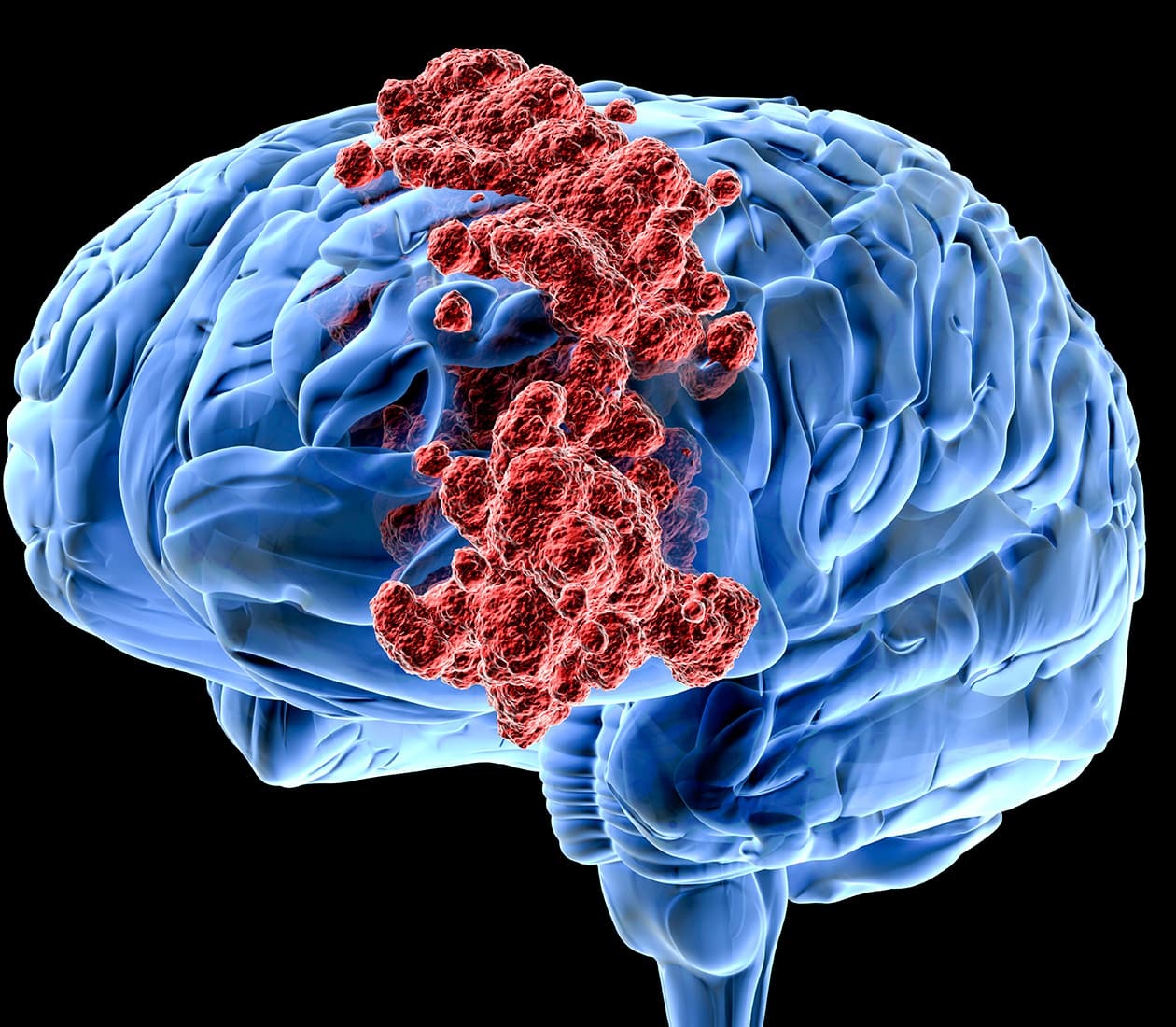
Brain and Spinal Cord Tumors in Adults
Cancer Conditions
Brain and Spinal Cord Tumors in Adults What Are Adult Brain and Spinal Cord Tumors? Brain and spinal cord tumors are masses of abnormal cells in the brain or spinal cord that have grown out of control. In most other parts of the body, it is very important to distinguish between benign (non-cancerous) tumors and malignant tumors ( cancers ). Benign tumors do not grow into nearby tissues or spread to distant areas, so benign tumors in other parts of the body are almost never life-threatening. One of the main reasons malignant tumors are so dangerous is because they can spread throughout the body. Brain tumors rarely spread to other parts of the body, but most of them can spread through the brain tissue. Even so-called benign brain tumors can, as they grow, press on and destroy normal brain tissue, which can lead to serious or sometimes even life-threatening damage . For this reason, doctors usually speak of brain tumors rather than brain cancers . The main concerns with brain and spinal cord tumors are: How fast they grow How readily they spread through the rest of the brain or spinal cord Where they are located If they can be removed (or destroyed) and not come back But both benign and malignant brain and spinal cord tumors can be life threatening. Brain and spinal cord tumors tend to be different in adults and children. They often form in different areas, develop from different cell types, and may have a different outlooks and treatments. Information on these types of tumors in children is covered in Brain and Spinal Cord Tumors in Children . The central nervous system To understand brain and spinal cord tumors, it helps to know about the normal structure and function of the central nervous system (CNS), which is the medical name for the brain and spinal cord. The brain is the center of thought, feeling, memory, speech, vision, hearing, movement, breathing, and much more. The spinal cord and special nerves in the head called cranial nerves help carry messages between the brain and the rest of the body. These messages tell our muscles how to move, transmit information gathered by our senses, and help coordinate the functions of our internal organs. The brain is protected by the skull. Likewise, the spinal cord is protected by the bones (vertebrae) of the spinal column. The brain and spinal cord are surrounded and cushioned by a special liquid, called cerebrospinal fluid (CSF). Cerebrospinal fluid is made by the choroid plexus, which is found in spaces within the brain called ventricles . The ventricles and the spaces around the brain and spinal cord are filled with CSF. Parts of the brain and spinal cord The main areas of the brain include the cerebrum, cerebellum, and brain stem. Each part has a special function. Cerebrum: The cerebrum is the large, outer part of the brain. It is divided into left and right hemispheres (halves) and controls reasoning, thought, emotion, and language. It is also responsible for planned (voluntary) muscle movements (throwing a ball, walking, chewing, etc.) and for taking in and interpreting sensory information such as vision, hearing, smell, touch, and pain. Cerebellum: The cerebellum lies under the cerebrum at the back part of the brain. It helps coordinate movement. Brain stem: The brain stem is the lower part of the brain that connects to the spinal cord. It contains bundles of very long nerve fibers that carry signals controlling muscles and sensation or feeling between the cerebrum and the rest the body. Special centers in the brain stem also help control breathing and the beating of the heart. Also, most cranial nerves (described below) start in the brain stem. The brain stem is divided into 3 main parts: the midbrain, pons, and medulla oblongata. Because the brain stem is a small area that is so essential for life, it might not be possible to surgically remove tumors in this area. Cranial nerves: The cranial nerves extend directly out of the base of the brain (as opposed to coming out of the spinal cord). These nerves carry signals directly between the brain and the face, eyes, ears, tongue, mouth, and some other areas. Spinal cord: The spinal cord is made up of bundles of very long nerve fibers that carry signals related to muscle control, sensation or feeling, and bladder and bowel control. Pituitary gland and hypothalamus: The pituitary is a small gland at the base of the brain. It is connected to a part of the brain called the hypothalamus . They work together to make hormones that help regulate the activity of several other glands in the body. For example: They control the amount of thyroid hormone made by the thyroid gland. They affect breast milk production and release. They control the amount of male or female hormones made by the testicles or ovaries. They make growth hormone, which stimulates body growth. They make vasopressin, which regulates water balance by the kidneys. The growth of tumors in or near the pituitary or hypothalamus, as well as surgery and/or radiation therapy in this area, can affect these functions. For example, tumors starting in the pituitary gland sometimes make too much of a certain hormone, which can cause problems. On the other hand, a person may have low levels of one or more hormones after treatment and may need to take hormones to make up for this. Pineal gland: The pineal gland is not really part of the brain. It is a small endocrine gland that sits between the cerebral hemispheres. It makes melatonin, a hormone that regulates sleep, in response to changes in light. The most common tumors of the pineal gland are called pineoblastomas . Blood-brain barrier: The inner lining of the small blood vessels (capillaries) in the brain and spinal cord creates a very selective barrier between the blood and the tissues of the central nervous system. This barrier normally helps maintain the brain’s metabolic balance and keeps harmful toxins from getting into the brain. Unfortunately, it also keeps out most chemotherapy drugs that are used to kill cancer cells, which in some cases limits their usefulness. Choroid plexus: The choroid plexus is the area of the brain within the ventricles that makes CSF, which nourishes and protects the brain. Types of cells and body tissues in the brain and spinal cord The brain and spinal cord have many kinds of tissues and cells, which can develop into different types of tumors . Neurons (nerve cells): These are the cells in the brain that help determine thought, memory, emotion, speech, muscle movement, sensation, and just about everything else that the brain and spinal cord do. Unlike many other types of cells that can grow and divide to repair damage from injury or disease, neurons in the brain and spinal cord largely stop dividing about a year after birth (with a few exceptions). Neurons do not usually form tumors, but they are often damaged by tumors that start nearby. Glial cells: Glial cells are the supporting cells of the brain. Most brain and spinal cord tumors develop from glial cells. These tumors are sometimes referred to as gliomas . There are 3 main types of glial cells: Astrocytes help support and nourish neurons. When the brain is injured, astrocytes form scar tissue that helps repair the damage. The main tumors starting in these cells are called astrocytomas or glioblastomas . Oligodendrocytes make myelin, a fatty substance that surrounds and insulates the nerve cell axons of the brain and spinal cord. This helps neurons send electric signals through the axons. Tumors starting in these cells are called oligodendrogliomas . Ependymal cells line the ventricles (fluid-filled areas) within the brain and form part of the pathway through which CSF flows. Tumors starting in these cells are called ependymomas . (A fourth type of cell, called microglia , are the infection-fighting cells of the central nervous system. They are part of the immune system and are not truly glial cells.) Neuroectodermal cells: These are very early forms of nervous system cells that are probably involved in brain cell development. They are found throughout the brain, although they are not often seen in the adult central nervous system. The most common tumors that come from these cells develop in the cerebellum and are called medulloblastomas . Meninges: These are layers of tissue that line and protect the brain and spinal cord. CSF travels through spaces formed by the meninges. The most common tumors that start in these tissues are called meningiomas . Questions to Ask Your Doctor About Adult Brain and Spinal Cord Tumors It’s important for you to be able to have honest, open discussions with your cancer care team. Ask any question, no matter how small it might seem. Here are some you might want to ask, but be sure to add your own questions as you think of them. When you're told you have a brain or spinal cord tumor What kind of tumor do I have? Is the tumor benign or malignant? What does this mean? Where in the brain or spinal cord is the tumor? Has it grown into nearby areas? Will I need any other tests before we can decide on treatment? Will I need to see any other types of doctors? When deciding on a treatment plan How much experience do you have treating this type of tumor? What are my treatment choices ? What do you recommend? Why? Should I get a second opinion ? Can you recommend a doctor or treatment center? How soon do we need to start treatment ? What’s the goal of treatment (cure, prolonging life, relieving symptoms, etc.)? How likely is it that the tumor can be removed (or destroyed) completely? Will treatment relieve any of the symptoms I now have? What are the possible risks or side effects of treatment? What disabilities might I develop? What should I do to be ready for treatment? How long will treatment take? What will it be like? Where will it be given? What is my expected prognosis (outlook)? If I'm concerned about costs and insurance coverage for my diagnosis and treatment, who can help me? During treatment Once treatment begins, you’ll need to know what to expect and what to look for. Not all of these questions might apply to you, but getting answers to the ones that do may be helpful. How will we know if the treatment is working (or has worked)? Is there anything I can do to help manage side effects ? What symptoms or side effects should I tell you about right away? How can I reach you or someone from your office on nights, holidays, or weekends? Are there any limits on what I can do? Can you suggest a mental health professional I can see if I start to feel overwhelmed, depressed, or distressed? After treatment Are there any limits on what I can do? What symptoms should I watch for? What type of follow-up will I need after treatment? How often will I need to have follow-up exams and tests? How will we know if the tumor has come back? What should I watch for? Where can I find more information and support? Along with these sample questions, be sure to write down any others you want to ask. For instance, you might want information about recovery times so that you can plan your work or activity schedule. Or you might want to ask about clinical trials that might be right for you. Keep in mind that doctors aren’t the only ones who can give you information. Other health care professionals, such as nurses and social workers, can answer some of your questions. To learn more about speaking with your health care team, see Talking With Your Doctor . Additional Information About Brain and Spinal Cord Tumors in Adults What Are Adult Brain and Spinal Cord Tumors? Types of Brain and Spinal Cord Tumors in Adults Key Statistics for Brain and Spinal Cord Tumors What’s New in Adult Brain and Spinal Cord Tumor Research? Causes, Risk Factors, and Prevention Early Detection, Diagnosis, and Staging Treating Brain and Spinal Cord Tumors in Adults After Treatment If You're an Adult with a Brain or Spinal Cord Tumor Surgery for Adult Brain and Spinal Cord Tumors Radiation Therapy for Adult Brain and Spinal Cord Tumors Chemotherapy for Adult Brain and Spinal Cord Tumors Targeted Drug Therapy for Adult Brain and Spinal Cord Tumors Other Drug Treatments for Adult Brain and Spinal Cord Tumors Tumor Treating Fields (TTF) Therapy for Adult Brain and Spinal Cord Tumors Treatment of Adult Brain and Spinal Cord Tumors, by Type Health Professionals Who Are Part of a Cancer Care Team Source: https://www.cancer.org/cancer/types/brain-spinal-cord-tumors-adults.html
Brain and Spinal Cord Tumors in Children
Cancer Conditions
Brain and Spinal Cord Tumors in Children If your child has a brain or spinal cord tumor, knowing what to expect can help you cope. Here you can find out all about brain and spinal cord tumors in children, including risk factors, symptoms, and how they are found and treated. (For information on adult tumors see Brain and Spinal Cord Tumors in Adults .) What Are Brain and Spinal Cord Tumors in Children? Brain and spinal cord tumors are masses of abnormal cells in the brain or spinal cord that have grown out of control. Are brain and spinal cord tumors cancer? In most other parts of the body, there's an important difference between benign (non-cancerous) tumors and malignant tumors ( cancers ). Benign tumors do not invade nearby tissues or spread to distant areas, and are almost never life threatening in other parts of the body. Malignant tumors (cancers) are so dangerous mainly because they can spread throughout the body. Brain tumors rarely spread to other parts of the body, though many of them are considered malignant because they can spread through the brain and spinal cord tissue. But even so-called benign tumors can press on and destroy normal brain tissue as they grow, which can lead to serious or sometimes even life-threatening damage. Because the difference between benign and malignant tumors isn't as important in the brain, doctors usually speak of “brain tumors” rather than “brain cancers.” The main concerns with brain and spinal cord tumors are: How fast they grow How readily they spread through the rest of the brain or spinal cord If they can be removed or treated and not come back Both benign and malignant tumors can be life threatening. Are brain and spinal cord tumors different in children? Brain and spinal cord tumors in children tend to be different from those in adults . They often form in different places, develop from different cell types, and may have a different treatment and prognosis (outlook). To learn more about the differences between childhood cancers and adult cancers in general, see Childhood Cancer. The central nervous system To understand brain and spinal cord tumors, it helps to know about the normal structure and function of the central nervous system (CNS), which is the medical name for the brain and spinal cord. The brain is the center of thought, feeling, memory, speech, vision, hearing, movement, and much more. The spinal cord and special nerves in the head, called cranial nerves , carry messages between the brain and the rest of the body. These messages tell our muscles how to move, transmit information gathered by our senses, and help coordinate the functions of our internal organs. The brain is protected by the skull. Likewise, the spinal cord is protected by the bones (vertebrae) of the spinal column. The brain and spinal cord are surrounded and cushioned by a liquid called cerebrospinal fluid (CSF). Cerebrospinal fluid is made by the choroid plexus, which is in spaces in the brain called ventricles . The ventricles and the spaces around the brain and spinal cord are filled with CSF. Parts of the brain and spinal cord The main areas of the brain include the cerebrum, cerebellum, and brain stem. Each area has a special function. Cerebrum: The cerebrum is the large, outer part of the brain. It is made up of 2 hemispheres (halves) and controls reasoning, thought, emotion, and language. It is also responsible for planned (voluntary) muscle movements (throwing a ball, walking, chewing, etc.) and for taking in and interpreting sensory information such as vision, hearing, smell, touch, and pain. Cerebellum: The cerebellum lies under the cerebrum at the back part of the brain. It helps coordinate movement. Brain stem: The brain stem is the lower part of the brain that connects to the spinal cord. It has bundles of very long nerve fibers that carry signals controlling muscles and sensation or feeling between the cerebrum and the rest of the body. Special centers in the brain stem also help control breathing and the heart beating. In addition, most cranial nerves (described below) start in the brain stem. The brain stem is divided into 3 main parts: the midbrain, pons, and medulla oblongata. Because the brain stem is a small area that is so essential for life, it might not be possible to surgically remove tumors in this area. Cranial nerves: The cranial nerves extend directly out of the base of the brain (as opposed to coming out of the spinal cord). These nerves carry signals directly between the brain and the face, eyes, tongue, mouth, and some other areas. The most common cranial nerve tumors in children are called optic gliomas , which are tumors of the optic nerve (the large nerve that runs between the brain and each eye). Spinal cord: The spinal cord has bundles of very long nerve fibers that carry signals that control muscles, sensation or feeling, and bladder and bowel control. Types of cells and body tissues in the brain and spinal cord The brain and spinal cord have many kinds of tissues and cells, which can develop into different types of tumors . Neurons (nerve cells): These are the cells in the brain that help determine thought, memory, emotion, speech, muscle movement, sensation, and just about everything else that the brain and spinal cord do. They do this by transmitting chemical and electric signals through their nerve fibers (axons). Axons in the brain tend to be short, while those in the spinal cord can be as long as several feet. Unlike many other types of cells that can grow and divide to repair damage from injury or disease, neurons in the brain and spinal cord largely stop dividing about a year after birth (with a few exceptions). Neurons do not usually form tumors, but they can be damaged by tumors that start nearby. Glial cells: Glial cells are the supporting cells of the brain. Most brain and spinal cord tumors develop from glial cells. These tumors are sometimes referred to as a group called gliomas . There are 3 main types of glial cells: Astrocytes help support and nourish neurons. When the brain is injured, astrocytes form scar tissue that helps repair the damage. The main tumors starting in these cells are called astrocytomas or glioblastomas . Oligodendrocytes make myelin, a fatty substance that surrounds and insulates the nerve cell axons of the brain and spinal cord. This helps neurons send electric signals through the axons. Tumors starting in these cells are called oligodendrogliomas. Ependymal cells line the ventricles (fluid-filled areas) within the central part of the brain and form part of the pathway through which cerebrospinal fluid (CSF) flows. Tumors starting in these cells are called ependymomas . (A fourth type of cell, called microglia, are the infection-fighting cells of the central nervous system. They are part of the immune system and are not truly glial cells.) Neuroectodermal cells: These are very early forms of nervous system cells that are probably involved in brain cell development. They are found throughout the brain. The most common tumors that come from these cells are called medulloblastomas , which start in the cerebellum. Meninges: These are layers of tissue that cover and protect the brain and spinal cord. The meninges help form the spaces through which CSF travels. The most common tumors that start in these tissues are called meningiomas . Choroid plexus: The choroid plexus is the area of the brain within the ventricles that makes CSF, which nourishes and protects the brain. Tumors that start here include choroid plexus papillomas and choroid plexus carcinomas . Pituitary gland and hypothalamus: The pituitary is a small gland at the base of the brain. It is connected to a part of the brain called the hypothalamus . Both make hormones that help regulate the activity of several other glands in the body. For example, they control the amount of thyroid hormone made by the thyroid gland, the production and release of milk by the breasts, and the amount of male or female hormones made by the testicles or ovaries. They also make growth hormone, which stimulates body growth, and vasopressin, which regulates water balance by the kidneys. The growth of tumors in or near the pituitary or hypothalamus, as well as surgery and/or radiation therapy in this area, can affect these functions. For example, tumors starting in the pituitary gland sometimes make too much of a certain hormone, which can cause problems. On the other hand, a child may have low levels of one or more hormones after treatment and may need to take hormones to make up for this. Pineal gland: The pineal gland is not really part of the brain. It is a small endocrine gland that sits between the cerebral hemispheres. It makes melatonin, a hormone that regulates sleep, in response to changes in light. The most common tumors of the pineal gland are called pineoblastomas . Blood-brain barrier: The inner lining of the small blood vessels (capillaries) in the brain and spinal cord creates a very selective barrier between the blood and the tissues of the central nervous system. This barrier normally helps maintain the brain’s metabolic balance and keeps harmful toxins from getting into the brain. Unfortunately, it also keeps out most chemotherapy drugs that are used to kill cancer cells, which in some cases limits their usefulness. Types of Brain and Spinal Cord Tumors in Children Many different types of tumors can occur in the brain and spinal cord. Several factors are important when doctors are trying to figure out how best to treat a tumor and what the prognosis (outlook) is likely to be. The type of tumor (based on the type of cell it starts from): Tumors can form in almost any type of tissue or cell in the brain or spinal cord . Some tumors have a mix of cell types. Different types of tumors tend to start in certain parts of the brain or spinal cord, and tend to grow in certain ways. (The most common types of brain and spinal cord tumors in children are described below.) The grade of the tumor: Some types of brain and spinal cord tumors are more likely to grow into nearby tissues (and to grow quickly) than are others. Brain and spinal cord tumors are typically divided into 4 grades (using Roman numerals I to IV), based largely on how the tumor cells look under a microscope. The higher the grade, the more quickly the tumor is likely to grow: Lower grade (grade I or II) tumors tend to grow more slowly and are less likely to grow into (invade or infiltrate) nearby tissues. Higher grade (grade III or IV) tumors tend to grow quickly and are more likely to grow into nearby tissues. These tumors often require more intensive treatment. Gene changes in the tumor cells: Even for a specific type of tumor, the changes in the genes of the tumor cells can be different. For example, many types of tumors are now divided based on whether the cells have mutations in one of the IDH genes. For a specific type of tumor, those with IDH mutations tend to have a better outlook than those without a mutation. Other gene mutations can also be important for certain types of tumors. The location of the tumor: Where the tumor is in the brain and spinal cord can affect what symptoms it causes, as well as which treatments might be best. Brain tumors in children are more likely to start in the lower parts of the brain, such as the cerebellum and brain stem, than they are in adults. But they can start in the upper parts of the brain as well. Gliomas Gliomas are not a specific type of tumor. Glioma is a general term for a group of tumors that start in glial cells (the supporting cells of the brain). A number of tumors can be considered gliomas, including: Astrocytomas (which include glioblastomas) Oligodendrogliomas Ependymomas Brain stem gliomas Optic gliomas About half of all brain and spinal cord tumors in children are gliomas. Astrocytomas Astrocytomas are tumors that start in cells called astrocytes , a kind of glial cell that helps support and nourish nerve cells. Some astrocytomas can spread widely throughout the brain and blend with the normal brain tissue, which can make them hard to remove by surgery. Sometimes they spread along the cerebrospinal fluid (CSF) pathways. It is very rare for them to spread outside of the brain or spinal cord. As with other brain tumors, astrocytomas are often grouped by grade. Low-grade (grade I or II) astrocytomas tend to grow slowly and are the most common type in children. Some types, known as non-infiltrating astrocytomas , are grade I tumors that tend to grow very slowly and do not grow into (infiltrate) nearby tissues, so they often have a good prognosis. Pilocytic astrocytomas are grade I tumors that tend to grow slowly and rarely grow into nearby tissues. They most commonly occur in the cerebellum but can also begin in the optic nerve, hypothalamus, brain stem, or other areas. They account for nearly 1 out of 5 brain tumors in children. Subependymal giant cell astrocytomas (SEGAs) occur in the ventricles (spaces in the brain). They are grade I tumors that tend to grow slowly and rarely grow into nearby tissues. These tumors are almost always linked with an inherited condition called tuberous sclerosis . Diffuse astrocytomas are also slow-growing tumors, but they are grade II tumors that can grow into nearby tissues, which makes them hard to remove with surgery. Though these tumors are thought of as low grade, they tend to become more aggressive and fast growing over time. Pleomorphic xanthoastrocytomas (PXAs) are grade II tumors that tend to grow slowly, and most can be cured by surgery alone. Optic gliomas are astrocytomas that start in the optic nerves (the nerves leading from the eyes to the brain). They usually grow slowly, and are often linked with an inherited condition called neurofibromatosis type 1 . These tumors are rarely fatal, but they may cause vision loss and injury to nearby brain tissue. High-grade (grade III or IV) astrocytomas tend to grow quickly and spread into the surrounding normal brain tissue. These include: Glioblastomas , which are the fastest growing type of astrocytoma (grade IV). Anaplastic astrocytomas , which are grade III. Oligodendrogliomas These tumors start in brain cells called oligodendrocytes (a type of glial cell that makes a fatty substance that helps nerve cells send electric signals). These are grade II tumors that tend to grow slowly, but most of them can grow into nearby brain tissue and can’t be removed completely by surgery. Oligodendrogliomas rarely spread along the CSF pathways and even less frequently spread outside the brain or spinal cord. As with astrocytomas, they can become more aggressive over time. Only about 1% of brain tumors in children are oligodendrogliomas. Ependymomas About 5% of brain tumors in children are ependymomas. These tumors start in the ependymal cells that line the ventricles or central canal of the spinal cord. They can range from fairly low-grade (slow growing) tumors to grade III (fast growing) tumors, which are called anaplastic ependymomas . Ependymomas may spread along the CSF pathways but do not spread outside the brain or spinal cord. These tumors can block the flow of CSF out of the ventricles, causing the ventricles to become very large – a condition called hydrocephalus . Unlike astrocytomas and oligodendrogliomas, ependymomas usually do not grow into normal brain tissue. As a result, some (but not all) ependymomas can be removed and cured by surgery. But because they can spread along ependymal surfaces and CSF pathways, treating them can sometimes be difficult. Brain stem gliomas A brain stem glioma is any type of glioma that starts in the brain stem. This term refers to the location of the tumor, rather than the type of cell it starts in. A small number of brain stem gliomas occur as tumors with very distinct edges (called focal brain stem gliomas ). More often, brain stem gliomas grow diffusely throughout the brain stem (where the tumor cells are spread throughout normal tissue), rather than growing as a focal tumor (where the tumor cells are clustered together). These are referred to as diffuse midline gliomas . These tumors most often start in the pons, where they are called diffuse intrinsic pontine gliomas (DIPGs) . These tumors can be hard to treat. About 10% to 20% of brain tumors in children are brain stem gliomas. Nearly all of these tumors are some type of astrocytoma. Embryonal tumors These tumors start in early forms of nerve cells in the central nervous system. About 10% to 20% of brain tumors in children are embryonal tumors. They are more common in younger children than older ones, and are rare in adults. Embryonal tumors tend to grow quickly and often spread throughout the CSF pathways. Medulloblastomas are the most common type of embryonal tumor. These tumors start in the cerebellum. There are several different types of medulloblastomas, based on how the tumor cells look under a microscope, and on which gene mutations the cells have. Some types of medulloblastoma tend to have a better outlook than others, and doctors are now trying to determine how this might affect treatment. Medulloblastomas can often be treated effectively and tend to have a better outlook than embryonal tumors in other parts of the brain. Other, less common types of embryonal tumors include: Medulloepithelioma Atypical teratoid/rhabdoid tumor (ATRT) Embryonal tumor with multilayered rosettes In the past, many embryonal tumors were referred to as primitive neuroectodermal tumors (PNETs) . Pineal tumors Some types of tumors occur in the pineal gland (a small gland in the middle of the brain). The most common (and fastest growing) of these are called pineoblastomas . These tumors can be hard to treat. Germ cell tumors , which are described below, can also start in the pineal gland. Craniopharyngiomas These slow-growing tumors start above the pituitary gland but below the brain itself. They account for about 4% of brain tumors in children. These tumors may press on the pituitary gland and the hypothalamus, causing hormone problems. Because craniopharyngiomas start very close to the optic nerves, they can also cause vision problems. This makes them hard to remove completely without damaging the child’s vision or hormone balance. Mixed glial and neuronal tumors Certain tumors that develop in children and young adults (and rarely in older adults) have both glial and neuronal cell components. They tend to have a fairly good outlook. Dysembryoplastic neuroepithelial tumors (DNETs) tend to be slow growing (grade II) tumors, and most can be cured by surgery alone. Ganglioglioma is a type of grade I tumor that has both mature neurons and glial cells. Most can be cured by surgery alone or surgery combined with radiation therapy. Choroid plexus tumors These rare tumors start in the choroid plexus, the area that makes cerebrospinal fluid (CSF) within the ventricles of the brain. Most are benign ( choroid plexus papillomas ) and can be cured by surgery. However, some are malignant ( choroid plexus carcinomas ). Schwannomas (neurilemmomas) These tumors start in Schwann cells that surround and insulate cranial nerves and other nerves. Schwannomas are usually benign . They often form near the cerebellum on the cranial nerve responsible for hearing and balance, in which case they are called vestibular schwannomas or acoustic neuromas . They may also develop on spinal nerves, just past the point where the nerve leaves the spinal cord. When this is the case, the tumor can press on the spinal cord, causing weakness, sensory loss, and bowel and bladder problems. These tumors are rare in children. When schwannomas are found in a child, particularly if there are tumors on both sides of the head, it often means the child has an inherited tumor syndrome such as neurofibromatosis type 2. (See Risk Factors for Brain and Spinal Cord Tumors in Children .) Other tumors that start in or near the brain Meningiomas These tumors begin in the meninges, the layers of tissue that surround the outer part of the brain and spinal cord. Meningiomas cause symptoms by pressing on the brain or spinal cord. They are much less common in children than in adults. Meningiomas are almost always benign and are usually cured by surgery. Some, however, are located very close to vital structures in the brain and can’t be cured by surgery alone. Meningiomas are often assigned a grade based on how the tumor cells look. Grade I meningiomas , which look most like normal cells, account for most meningiomas. Grade II (atypical) meningiomas look slightly more abnormal. Grade III (anaplastic or malignant) meningiomas , which look the most abnormal, make up only about 1% to 3% of meningiomas. Higher-grade meningiomas are more likely to come back after treatment, and some grade III meningiomas can spread to other parts of the body. Chordomas These tumors start in the bone at the base of the skull or at the lower end of the spine. Chordomas don’t start in the central nervous system, but they can injure nearby parts of the brain or spinal cord by pressing on them. These tumors tend to come back if they are not removed completely, causing more damage. They usually do not spread to other organs. Chordomas are much more common in adults than in children. For more on these tumors, see Bone Cancer . Germ cell tumors These rare tumors develop from germ cells, which normally form egg cells in women and sperm cells in men. During normal development before birth, germ cells travel to the ovaries or testicles and develop into egg or sperm cells. But sometimes some germ cells don’t move where they should and end up in abnormal locations such as the brain. They may then develop into germ cell tumors, similar to those that can form in the ovaries or testicles. Germ cell tumors of the nervous system usually occur in children, most often in the pineal gland or above the pituitary gland. These tumors can sometimes be diagnosed without a biopsy by measuring certain chemicals in the cerebrospinal fluid (CSF) or blood. Types of germ cell tumors include: Germinoma s (the most common type of CNS germ cell tumor) Choriocarcinomas Embryonal carcinomas Teratomas Yolk sac tumors (endodermal sinus tumors) Neuroblastomas These nerve cell tumors are the third most common cancer in children. But neuroblastomas rarely develop in the brain or spinal cord; most develop from nerve cells inside the abdomen or chest. This type of cancer is most common during early infancy. For more information, see Neuroblastoma . Lymphomas Lymphomas are cancers that start in cells called lymphocytes, which are white blood cells that are part of the immune system. Most lymphomas start in other parts of the body, but a small portion start in the central nervous system (CNS), and are called primary CNS lymphomas . These tumors are rare in children. For more on childhood lymphomas, see Non-Hodgkin Lymphoma in Children . Pituitary tumors Tumors that start in the pituitary gland are almost always benign (non-cancerous). But they can still cause problems if they grow large enough to press on nearby structures or if they make too much of any kind of hormone. These tumors are more common in teens than in younger children. For more information, see Pituitary Tumors . Cancers that spread to the brain from other parts of the body Sometimes tumors in the brain are found to have metastasized (spread) there from some other part of the body. Tumors that start in other organs and then spread to the brain are called metastatic or secondary brain tumors (as opposed to primary brain tumors, which start in the brain). This is important because metastatic and primary brain tumors are often treated differently. In children, metastatic brain tumors are much less common than primary brain tumors. Childhood leukemias can sometimes spread to the CSF around the brain and spinal cord. When this happens, the cancer is still considered a leukemia (the cancer cells in the CSF are leukemia cells), so doctors use treatments directed at the leukemia. For more information, see Childhood Leukemia . Questions to Ask Your Doctor About Your Child’s Brain or Spinal Cord Tumor It’s important for you to have honest, open discussions with your child’s cancer care team. They want to answer all of your questions, no matter how minor you might think they are. Here are some questions you might want to ask. Be sure to add your own questions as you think of them. When you’re told your child has a brain or spinal cord tumor What kind of tumor does my child have? What does this mean? Where is the tumor located? Has it grown into nearby areas? Will my child need other tests before we can decide on treatment? Will we need to see any other types of doctors? When deciding on a treatment plan How much experience do you have treating this type of tumor? What are our treatment options ? What do you recommend? Why? Should we get a second opinion ? Can you recommend a doctor or cancer center? How soon do we need to start treatment? What should we do to be ready for treatment? How long will treatment last? What will it be like? Where will it be done? How might treatment affect our daily activities? What are the possible risks and side effects of treatment? How might treatment affect my child’s ability to learn, grow, and develop? How likely is it that treatment could affect my child’s future ability to have children? Based on what you’ve learned about my child’s tumor, what is the expected prognosis (outlook)? During treatment Once treatment begins, you’ll need to know what to expect and what to look for. Not all of these questions may apply, but getting answers to the ones that do may be helpful. How will we know if the treatment is working? Is there anything we can do to help manage side effects? What symptoms or side effects should we tell you about right away? How can we reach someone from your office on nights, holidays, or weekends? Are there any limits on what my child can do? After treatment What type of follow-up will we need after treatment? How often will my child need to have follow-up exams and tests? Are there any limits on what my child can do? How will we know if the tumor has come back? What should we watch for? Are there nearby support groups or other families who have been through this that we could talk to? Along with these sample questions, be sure to write down any others you might want to ask. For instance, you might want information about recovery times so you can plan your work and your child’s school and activity schedule. Or you may want to ask about clinical trials for which your child may qualify. Also keep in mind that doctors aren't the only ones who can give you information. Other members of the treatment team, such as nurses and social workers, can answer some of your questions. You can find out more about speaking with your child’s health care team in The Doctor-Patient Relationship . Additional Information About Brain and Spinal Cord Tumors in Children What Are Brain and Spinal Cord Tumors in Children? Types of Brain and Spinal Cord Tumors in Children Key Statistics for Brain and Spinal Cord Tumors in Children What’s New in Research for Childhood Brain and Spinal Cord Tumors? Causes, Risk Factors, and Prevention Early Detection, Diagnosis, and Staging Treating Brain and Spinal Cord Tumors in Children After Treatment If Your Child Has a Brain or Spinal Cord Tumor Surgery for Brain and Spinal Cord Tumors in Children Radiation Therapy for Brain and Spinal Cord Tumors in Children Chemotherapy for Brain and Spinal Cord Tumors in Children Targeted Therapy Drugs for Brain and Spinal Cord Tumors in Children Drugs to Help with Symptoms in Children with Brain or Spinal Cord Tumors Treating Specific Types of Childhood Brain and Spinal Cord Tumors How to Find the Best Cancer Treatment for Your Child Source: https://www.cancer.org/cancer/types/brain-spinal-cord-tumors-children.html
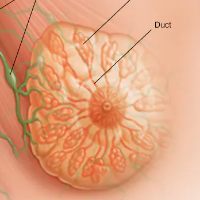
Breast Cancer
Cancer Conditions
Breast Cancer Whether you or a loved one are worried about developing breast cancer, have just been diagnosed, are going through breast cancer treatment, or are trying to stay well after treatment, this detailed information can help you find the answers you need. Get the most up-to-date facts about breast cancer, plus tools and resources for every step of your journey. (For information on breast cancer in men, see Breast Cancer in Men .) What Is Breast Cancer? Breast cancer is a type of cancer that starts in the breast. It can start in one or both breasts. How breast cancer starts Breast cancer occurs almost entirely in women, but men can get breast cancer , too. Cancer starts when cells begin to grow out of control. (To learn more about how cancers start and spread, see What Is Cancer? ) It’s important to understand that most breast lumps are benign and not cancer (malignant). Non-cancer breast tumors are abnormal growths, but they do not spread outside of the breast. They are not life threatening, but some types of benign breast lumps can increase a woman's risk of getting breast cancer. Any breast lump or change needs to be checked by a health care professional to find out if it is benign or malignant (cancer) and if it might affect your future cancer risk. See Non-cancerous Breast Conditions to learn more. Where breast cancer starts Breast cancers can start from different parts of the breast. The breast is an organ that sits on top of the upper ribs and chest muscles. There is a left and right breast and each one has mainly glands, ducts, and fatty tissue. In women, the breast makes and delivers milk to feed newborns and infants. The amount of fatty tissue in the breast determines the size of each breast. The breast has different parts: Lobules are the glands that make breast milk. Cancers that start here are called lobular cancers . Ducts are small canals that come out from the lobules and carry the milk to the nipple. This is the most common place for breast cancer to start. Cancers that start here are called ductal cancers . The nipple is the opening in the skin of the breast where the ducts come together and turn into larger ducts so the milk can leave the breast. The nipple is surrounded by slightly darker thicker skin called the areola . A less common type of breast cancer called Paget disease of the breast can start in the nipple. The fat and connective tissue (stroma) surround the ducts and lobules and help keep them in place. A less common type of breast cancer called phyllodes tumor can start in the stroma. Blood vessels and lymph vessels are also found in each breast. Angiosarcoma is a less common type of breast cancer that can start in the lining of these vessels. The lymph system is described below. A small number of cancers start in other tissues in the breast. These cancers are called sarcomas and lymphomas and are not really thought of as breast cancers. To learn more, see Types of Breast Cancer . How breast cancer spreads Breast cancer can spread when the cancer cells get into the blood or lymph system and then are carried to other parts of the body. The lymph (or lymphatic) system is a part of your body's immune system. It is a network of lymph nodes (small, bean-sized glands), ducts or vessels, and organs that work together to collect and carry clear lymph fluid through the body tissues to the blood. The clear lymph fluid inside the lymph vessels contains tissue by-products and waste material, as well as immune system cells. The lymph vessels carry lymph fluid away from the breast. In the case of breast cancer, cancer cells can enter those lymph vessels and start to grow in lymph nodes. Most of the lymph vessels of the breast drain into: Lymph nodes under the arm ( axillary lymph nodes) Lymph nodes inside the chest near the breastbone ( internal mammary lymph nodes) Lymph nodes around the collar bone ( supraclavicular [above the collar bone] and infraclavicular [below the collar bone] lymph nodes) If cancer cells have spread to your lymph nodes, there is a higher chance that the cells could have traveled through the lymph system and spread (metastasized) to other parts of your body. Still, not all women with cancer cells in their lymph nodes develop metastases, and some women with no cancer cells in their lymph nodes might develop metastases later. Types of breast cancer There are many different types of breast cancer . The type is determined by the specific kind of cells in the breast that are affected. Most breast cancers are carcinomas . The most common breast cancers such as ductal carcinoma in situ (DCIS) and invasive carcinoma are adenocarcinomas , since the cancers start in the gland cells in the milk ducts or the lobules (milk-producing glands). Other kinds of cancers can grow in the breast, like angiosarcoma or sarcoma , but are not considered breast cancer since they start in different cells of the breast. Breast cancers are also classified by certain types of proteins or genes each cancer might make. After a biopsy is done, breast cancer cells are tested for proteins called estrogen receptors and progesterone receptors , and the HER2 gene or protein . The tumor cells are also closely looked at in the lab to find out what grade it is. The specific proteins found and the tumor grade can help decide the stage of the cancer and treatment options. To learn more about the specific tests done on breast cancer cells, see Understanding a Breast Cancer Diagnosis . Questions to Ask Your Doctor About Breast Cancer It’s important to be able to have frank, open discussions with your cancer care team. They want to answer all of your questions so that you can make informed treatment and life decisions. Here are some questions that you can use to help better understand your cancer and your treatment options. When you’re told you have breast cancer Exactly what type of breast cancer do I have? How big is the cancer? Where exactly is it? Has the cancer spread to my lymph nodes or other organs? What is the stage of my cancer? What does it mean? Will I need any other tests before we can decide on treatment? Do I need to see any other doctors or health professionals? What is the hormone receptor status of my cancer? What does this mean? What is the HER2 status of my cancer? What does this mean? What is the grade of my cancer? What does this mean? How do these factors affect my treatment options and long-term outlook (prognosis)? What are my chances of survival, based on my cancer as you see it? Should I think about genetic testing ? What are my testing options? Should I take a home-based genetic test? What would be the reasons for and against testing? How do I get a copy of my pathology report? If I’m worried about the costs and insurance coverage for my diagnosis and treatment, who can help me? When deciding on a treatment plan How much experience do you have treating this type of cancer? Should I get a second opinion ? How do I do that? Will getting a second opinion delay my treatment and can that affect my outcome? What are my treatment choices? What treatment do you recommend and why? Should I think about taking part in a clinical trial ? What would the goal of the treatment be? How soon do I need to start treatment? How long will treatment last? What will it be like? Where will it be done? Should my biopsy tissue be sent for a gene expression test to help decide if chemotherapy might be helpful for me? Are there other molecular or protein tests that need to be done on my cancer tissue to help decide my treatment options? What should I do to get ready for treatment? What risks or side effects are there to the treatments you suggest? Are there things I can do to reduce these side effects? How will treatment affect my daily activities? Can I still work fulltime? Will I lose my hair? If so, what can I do about it? Will I go through menopause as a result of the treatment? Will I be able to have children after treatment? Would I be able to breastfeed? Do I have time to freeze my eggs before starting treatment? What are my options? What are the chances the cancer will come back (recur) after this treatment? What would we do if the treatment doesn’t work or if the cancer comes back? What if I have transportation problems getting to and from treatment? If you need surgery Is breast-conserving surgery (lumpectomy) an option for me? Why or why not? What are the positive and negative sides of breast-conserving surgery versus mastectomy? How many surgeries like mine have you done? Will you have to take out lymph nodes? If so, would you advise a sentinel lymph node biopsy? Why or why not? What side effects might lymph node removal cause? How long will I be in the hospital? Will I have stitches or staples at the surgery site? Will there be a drain (tube) coming out of the site? How do I care for the surgery site? Will I need someone to help me? What will my breasts look and feel like after my surgery? Will I have normal feeling in them? What will the scar look like? Is breast reconstruction surgery an option if I want it? What would it mean in my case? Can I have reconstruction at the same time as the surgery to remove the cancer? What are the reasons for and against having it done right away or waiting until later? What types of reconstruction might be options for me? Could you recommend a plastic surgeon I could speak to about reconstruction options? Will I need a breast form (prosthesis), and if so, where can I get one? Do I need to stop taking any medications or supplements before surgery? When should I call your office if I’m having side effects or concerns? During treatment Once treatment begins, you’ll need to know what to expect and what to look for. Not all of these questions may apply to you, but asking the ones that do may be helpful. How will we know if the treatment is working? Is there anything I can do to help manage side effects? What symptoms or side effects should I tell you about right away? How can I reach you on nights, holidays, or weekends? Will I need to change what I eat during treatment? Are there any limits on what I can do? Can I exercise during treatment? If so, what kind of exercise should I do, and how often? Can you suggest a mental health professional I can see if I start to feel overwhelmed, depressed, or distressed? Will I need special tests, such as imaging scans or blood tests during treatment? If so, how often? After treatment Will I need a special diet after treatment? Are there any limits on what I can do? Am I at risk for lymphedema ? What can I do to reduce my risk for lymphedema? What should I do if I notice swelling in my arm? What other symptoms should I watch for? What kind of exercise should I do now? What type of follow-up will I need after treatment? How often will I need to have follow-up exams, blood tests, or imaging tests? How will we know if the cancer has come back? What should I watch for? What will my options be if the cancer comes back? Preparing your list of questions It’s important to be able to have frank, open discussions with your cancer care team. They want to answer all of your questions, so that you can make informed treatment and life decisions. Not all of these questions will apply to you, but they should help get you started. Be sure to write down some questions of your own. For instance, you might want more information about recovery times or you may want to ask about nearby or online support groups where you can talk with other women going through similar situations. You may also want to ask if you qualify for any clinical trials . Don’t be afraid to take notes and tell the doctors or nurses when you don’t understand what they’re saying. You might want to bring another person with you when you see your doctor and have them take notes to help you remember what was said. Keep in mind that doctors aren’t the only ones who can give you information. Other health care professionals, such as nurses and social workers, can answer some of your questions. To find out more about speaking with your health care team, see The Doctor-Patient Relationship . Additional Information About Breast Cancer What Is Breast Cancer? What Causes Breast Cancer? Types of Breast Cancer Key Statistics for Breast Cancer What’s New in Breast Cancer Research? Breast Cancer Risk and Prevention Breast Cancer Early Detection and Diagnosis Understanding a Breast Cancer Diagnosis Treating Breast Cancer Breast Reconstruction Surgery Living as a Breast Cancer Survivor Non-cancerous Breast Conditions Breast Cancer Videos Infographic: 7 Things to Know About Getting a Mammogram Breast Cancer Quiz Frequently Asked Questions About the American Cancer Society’s Breast Cancer Screening Guideline Breast Cancer Grades Breast Cancer Ploidy and Cell Proliferation Breast Cancer Hormone Receptor Status Breast Cancer HER2 Status Breast Cancer Gene Expression Tests Other Breast Cancer Gene, Protein, and Blood Tests Understanding Your Pathology Report Imaging Tests to Find Out if Breast Cancer Has Spread Breast Cancer Stages Breast Cancer Survival Rates Breast Reconstruction Surgery Living as a Breast Cancer Survivor Source: https://www.cancer.org/cancer/types/breast-cancer.html
Breast Cancer in Men
Cancer Conditions
Breast Cancer in Men What Is Breast Cancer in Men? Breast cancer occurs mainly in women, but men can get it, too. Many people do not realize that men have breast tissue and that they can develop breast cancer. Cells in nearly any part of the body can become cancer and can spread to other areas. Breast cancer starts when cells in the breast begin to grow out of control. These cells usually form a tumor that can often be seen on an x-ray or felt as a lump. The tumor is malignant (cancer) if the cells can grow into (invade) surrounding tissues or spread (metastasize) to distant areas of the body. To learn more about how cancers start and spread, see What Is Cancer? Male breast tissue Until puberty (on average around age 9 or 10), young boys and girls have a small amount of breast tissue consisting of a few ducts located under the nipple and areola (area around the nipple). At puberty, a girl's ovaries make female hormones, causing breast ducts to grow and lobules to form at the ends of ducts. Even after puberty, boys and men normally have low levels of female hormones, and breast tissue doesn’t grow much. Men's breast tissue has ducts, but only a few if any lobules. Where breast cancer starts Breast cancers can start from different parts of the breast. Most breast cancers begin in the ducts that carry milk to the nipple (ductal cancers). Some start in the glands that make breast milk (lobular cancers). Men have these ducts and glands, too, even though they aren't normally functional. There are also types of breast cancer that start in other types of breast cells, but these are less common. A small number of cancers start in other tissues in the breast. These cancers are called sarcomas and lymphomas and are not really thought of as breast cancers. Although many types of breast cancer can cause a lump in the breast, not all do. There are other symptoms of breast cancer you should watch for and report to a health care provider. It’s also important to understand that most breast lumps are benign and not cancer (malignant). Benign breast tumors are abnormal growths, but they do not spread outside of the breast and they are not life threatening. Any breast lump or change needs to be checked by a health care provider to determine whether it is benign or malignant (cancer) and whether it might impact your future cancer risk. How breast cancer spreads Breast cancer can spread when the cancer cells get into the blood or lymph system and are carried to other parts of the body. The lymph system is a network of lymph (or lymphatic) vessels found throughout the body. The lymph vessels carry lymph fluid and connect lymph nodes. Lymph nodes are small, bean-shaped collections of immune system cells. Lymph vessels are like small veins, except that they carry a clear fluid called lymph (instead of blood) away from the breast. Lymph contains tissue fluid and waste products, as well as immune system cells. Breast cancer cells can enter lymph vessels and start to grow in lymph nodes. Most of the lymph vessels of the breast drain into: Lymph nodes under the arm (axillary nodes) Lymph nodes around the collar bone (supraclavicular [above the collar bone] and infraclavicular [below the collar bone] lymph nodes) Lymph nodes inside the chest near the breast bone (internal mammary lymph nodes) If the cancer cells have spread to your lymph nodes, there is a higher chance that the cells could have also traveled through the lymph system and spread (metastasized) to other parts of your body. The more lymph nodes with breast cancer cells, the more likely it is that the cancer may be found in other organs. Because of this, finding cancer in one or more lymph nodes often affects your treatment plan. Usually, surgery to remove one or more lymph nodes will be needed to know whether the cancer has spread. Still, not all men with cancer cells in their lymph nodes develop metastases to other areas, and some men can have no cancer cells in their lymph nodes and later develop metastases. Benign breast conditions Men can also have some benign (not cancerous) breast disorders. Gynecomastia Gynecomastia is the most common male breast disorder. It is not a tumor but rather an increase in the amount of a man's breast tissue. Usually, men have too little breast tissue to be felt or noticed. Gynecomastia can appear as a button-like or disk-like growth under the nipple and areola (the dark circle around the nipple), which can be felt and sometimes seen. Some men have more severe gynecomastia and they may appear to have small breasts. Although gynecomastia is much more common than breast cancer in men, both can be felt as a growth under the nipple, which is why it's important to have any such lumps checked by your doctor. Gynecomastia is common among teenage boys because the balance of hormones in the body changes during adolescence. It is also common in older men due to changes in their hormone balance. In rare cases, gynecomastia occurs because tumors or diseases of certain endocrine (hormone-producing) glands cause a man's body to make more estrogen (the main female hormone). Men's glands normally make some estrogen, but not enough to cause breast growth. Diseases of the liver, which is an important organ in male and female hormone metabolism, can change a man's hormone balance and lead to gynecomastia. Having excess body weight or obesity can also cause higher levels of estrogen in men. Some medicines can cause gynecomastia. These include some drugs used to treat ulcers and heartburn, high blood pressure, heart failure, and psychiatric conditions. Men with gynecomastia should ask their doctors if any medicines they are taking might be causing this condition. Klinefelter syndrome, a rare genetic condition, can lead to gynecomastia as well as increase a man's risk of developing breast cancer. This condition is discussed further in Risk Factors for Breast Cancer in Men . Benign breast tumors There are many types of benign breast tumors (abnormal lumps or masses of tissue), such as papillomas and fibroadenomas. Benign tumors do not spread outside the breast and are not life threatening. Benign breast tumors are common in women but are very rare in men. Types of Breast Cancer in Men The most common types of breast cancer are ductal carcinoma in situ, invasive ductal carcinoma, and invasive lobular carcinoma. Most breast cancers are carcinomas . In fact, breast cancers are often a type of carcinoma called adenocarcinoma , which starts in cells that make glands (glandular tissue). Breast adenocarcinomas start in the ducts (the milk ducts) or the lobules (milk-producing glands). There are other, less common, types of breast cancers, too, such as sarcomas , phyllodes, Paget’s disease and angiosarcomas which start in the cells of the muscle, fat, or connective tissue. Sometimes a single breast tumor can be a combination of different types. And in some very rare types of breast cancer, the cancer cells may not form a lump or tumor at all. When a biopsy is done to find out the specific type of breast cancer, the pathologist also will say if the cancer has spread in to the surrounding tissues. The name of the breast cancer type will change depending on the extent of the cancer. In situ breast cancers have not spread. Invasive or infiltrating cancers have spread (invaded) into the surrounding breast tissue. These general kinds of breast cancer can be further described with the terms outlined above. Ductal carcinoma in situ Ductal carcinoma in situ (DCIS; also known as intraductal carcinoma) is considered non-invasive or pre-invasive breast cancer. In DCIS (also known as intraductal carcinoma), cells that lined the ducts have changed to look like cancer cells. The difference between DCIS and invasive cancer is that the cells have not spread (invaded) through the walls of the ducts into the surrounding tissue of the breast (or spread outside the breast). DCIS is considered a pre-cancer because some cases can go on to become invasive cancers. Right now, though, there is no good way to know for certain which cases will go on to become invasive cancers and which ones won’t. DCIS accounts for about 1 in 10 cases of breast cancer in men. It is almost always curable with surgery. Lobular carcinoma in situ Lobular carcinoma in situ (LCIS) may also be called lobular neoplasia. In LCIS, cells that look like cancer cells are growing in the lobules of the milk-producing glands of the breast, but they haven’t grown through the wall of the lobules. LCIS is not a true pre-invasive cancer because it does not turn into an invasive cancer if left untreated, but it is linked to an increased risk of invasive cancer in both breasts. LCIS is rarely, if ever seen in men. Infiltrating (or invasive) ductal carcinoma This is the most common type of breast cancer. Invasive (or infiltrating) ductal carcinoma (IDC) starts in a milk duct of the breast, breaks through the wall of the duct, and grows into the fatty tissue of the breast. Once it breaks through the wall of the duct, it has the potential to spread to other parts of the body. Invasive (or infiltrating) ductal carcinoma (IDC) starts in a milk duct of the breast, breaks through the wall of the duct, and grows into the fatty tissue of the breast. At this point, it may be able to spread (metastasize) to other parts of the body through the lymphatic system and bloodstream. At least 8 out of 10 male breast cancers are IDCs (alone or mixed with other types of invasive or in situ breast cancer). Because the male breast is much smaller than the female breast, all male breast cancers start relatively close to the nipple, so they are more likely to spread to the nipple. This is different from Paget disease as described below. Infiltrating (or invasive) lobular carcinoma Invasive lobular carcinoma (ILC) starts in the milk-producing glands (lobules). Like IDC, it can spread to other parts of the breast and body. ILC is very rare in men, accounting for only about 2% of male breast cancers. This is because men do not usually have much lobular (glandular) breast tissue. Paget disease of the nipple This type of breast cancer starts in the breast ducts and spreads to the nipple. It may also spread to the areola (the dark circle around the nipple). The skin of the nipple usually appears crusted, scaly, and red, with areas of itching, oozing, burning, or bleeding. There may also be an underlying lump in the breast. Paget disease may be associated with DCIS or with infiltrating ductal carcinoma. It is rare and accounts for about 1-3% of female breast cancers and a higher percentage (5%) of male breast cancers. Inflammatory breast cancer Inflammatory breast cancer is an aggressive, but rare type of breast cancer. It makes the breast swollen, red, warm and tender rather than forming a lump. It can be mistaken for an infection of the breast. This is very rare in men. See Inflammatory Breast Cancer for more information. Special types of invasive breast carcinoma There are some special types of breast cancer that are sub-types of invasive carcinoma. They are much less common than the breast cancers named above. Some of these may have a better or worse prognosis than standard infiltrating ductal carcinoma. Adenoid cystic (or adenocystic) carcinoma Low-grade adenosquamous carcinoma (this is a type of metaplastic carcinoma) Medullary carcinoma Mucinous (or colloid) carcinoma Papillary carcinoma Tubular carcinoma Metaplastic carcinoma (including spindle cell and squamous, except low grade adenosquamous carcinoma) Micropapillary carcinoma Mixed carcinoma (has features of both invasive ductal and lobular) In general, these sub-types are still treated like standard infiltrating carcinoma. Questions to Ask Your Doctor About Breast Cancer in Men It’s important to be able to have frank, open discussions with your cancer care team. They want to answer all of your questions, so that you can make informed treatment and life decisions. Here are some questions that you can use to help better understand your cancer and your treatment options. Don’t be afraid to take notes and tell the doctors or nurses when you don’t understand what they’re saying. You might want to bring another person with you when you see your doctor and have them take notes to help you remember what was said. Not all of these questions will apply to you, but they should help get you started. Be sure to write down some questions of your own. For instance, you might want more information about recovery times or you may want to ask about nearby or online support groups where you can talk with other men going through similar situations. You may also want to ask if you qualify for any clinical trials . Keep in mind that doctors aren’t the only ones who can give you information. Other health care professionals, such as nurses and social workers, can answer some of your questions. To find out more about speaking with your health care team, see The Doctor-Patient Relationship . When you're told you have breast cancer Exactly what type of breast cancer do I have? How big is the cancer? Where exactly is it? Has the cancer spread to my lymph nodes or other organs? What’s the stage of the cancer? What does that mean? Will I need any other tests before we can decide on treatment? Do I need to see any other doctors or health professionals? What is the hormone receptor status of my cancer? What does this mean? What is the HER2 status of my cancer? What does this mean? How do these factors affect my treatment options and long-term outlook (prognosis)? What are my chances of survival, based on my cancer as you see it? Should I think about genetic testing? What would the pros and cons of testing be? How do I get a copy of my pathology report? If I’m concerned about the costs and insurance coverage for my diagnosis and treatment, who can help me? When deciding on a treatment plan What treatments are appropriate for me? What do you recommend? Why? How long will treatment last? What will it involve? Where will it be done? What risks or side effects should I expect? Should I think about taking part in a clinical trial? What should I do to get ready for treatment? How much experience do you have treating this type of cancer? Should I get a second opinion ? How do I do that? What would the goal of the treatment be? How soon do I need to start treatment? How will treatment affect my daily activities? Can I still work fulltime? Will I lose my hair? If so, what can I do about it? What are the chances the cancer will come back (recur) after this treatment? What would we do if the treatment doesn’t work or if the cancer comes back? What if I have transportation problems getting to and from treatment? If you need surgery Is breast-conserving surgery (lumpectomy) an option for me? Why or why not? What are the pros and cons of breast-conserving surgery versus mastectomy? How many surgeries like mine have you done? Will you have to take out lymph nodes? If so, would you advise a sentinel lymph node biopsy? Why or why not? What side effects might lymph node removal cause? How long will I be in the hospital? Will I have stitches or staples at the surgery site? Will there be a drain (tube) coming out of the site? How do I care for the surgery site? Will I need someone to help me? What will the scar look like? Do I need to stop taking any medications or supplements before surgery? When should I call your office if I’m having side effects? During treatment Once treatment begins, you’ll need to know what to expect and what to look for. Not all of these questions may apply to you, but asking the ones that do may be helpful. How will we know if the treatment is working? Is there anything I can do to help manage side effects? What symptoms or side effects should I tell you about right away? How can I reach you on nights, holidays, or weekends? Will I need to change what I eat during treatment? Are there any limits on what I can do? Can I exercise during treatment? If so, what kind of exercise should I do, and how often? Can you suggest a mental health professional I can see if I start to feel overwhelmed, depressed, or distressed? Will I need special tests, such as imaging scans or blood tests? How often? After treatment What are the chances my cancer might come back? What will we do if that happens? What type of follow-up will I need after treatment? Will I need a special diet after treatment? Are there any limits on what I can do? Am I at risk for lymphedema? What can I do to reduce my risk for lymphedema? What should I do if I notice swelling in my arm? What other symptoms should I watch for?What kind of exercise should I do now? What type of follow-up will I need after treatment? How often will I need to have follow-up exams, blood tests, or imaging tests? How will we know if the cancer has come back? What should I watch for? Additionl Information About Breast Cancer in Men What Is Breast Cancer in Men? Key Statistics for Breast Cancer in Men What's New in Research for Breast Cancer in Men? Causes, Risk Factors, and Prevention Early Detection, Diagnosis, and Staging Treating Breast Cancer in Men After Treatment If You're a Man with Breast Cancer Surgery for Breast Cancer in Men Radiation Therapy for Breast Cancer in Men Chemotherapy for Breast Cancer in Men Hormone Therapy for Breast Cancer in Men Targeted Drug Therapy for Breast Cancer in Men Immunotherapy for Breast Cancer in Men Treatment of Breast Cancer in Men, by Stage Health Professionals Who Are Part of a Cancer Care Team Source: https://www.cancer.org/cancer/types/breast-cancer-in-men/about.html
Cancer
Cancer Conditions
Cancer 1 in 2 men and 1 in 3 women will be diagnosed with cancer in their lifetime. If you’ve been recently diagnosed, or know someone who has, we’re here with answers, guidance, and support. Understanding Your Diagnosis Finding out you have cancer can bring many changes for you and your loved ones. Here, we answer many questions about cancer and making treatment decisions. We also tell you what you can expect from the people and services that are there to help you cope with cancer. This information is not meant to replace the advice of your health care provider. Please keep in mind every patient's situation is different. Because of this, there are questions you will need to ask your doctor. Talking with them is the best way to understand what’s going on with your body, what you can expect, and how treatment will help. AFTER DIAGNOSIS: A GUIDE FOR PATIENTS AND FAMILIES [PDF BOOKLET] Questions About Cancer Cancer can start any place in the body. It starts when cells grow out of control and crowd out normal cells. This makes it hard for the body to work the way it should. What Is Cancer? Is Cancer Contagious? Can Cancer Be Cured? How to Find Cancer Information on the Internet Cancer Glossary The History of Cancer How Cancer Is Diagnosed Learn about the tests used to diagnose and stage cancer, and get help understanding your test results. Signs and Symptoms of Cancer Exams and Tests for Cancer Lymph Nodes and Cancer Cancer Staging If Cancer Has Advanced Questions to ask your Doctor Advanced cancers have usually spread from where they started to other parts of the body. This is known as metastatic cancer. But not all advanced cancers are metastatic. Advanced and Metastatic Cancer Understanding Recurrence Making Treatment Decisions Before getting any treatment, your doctor will first need to learn more about your cancer. The results of a biopsy, blood tests, physical exams, and imaging tests (x-rays or scans), along with any problems the cancer is causing are used to decide which treatment options might be best for you. Your doctor may also talk with other experts to get their opinions. Your doctor will then discuss the goal of treatment and the pros and cons of each treatment option with you. Making Decisions and Managing Your Treatment Choosing Your Treatment Team Questions to Ask Your Doctor Treatment Types How Do I Talk to People About Having Cancer? It can be hard to talk about cancer, even with the people you love. Your loved ones may also have a hard time talking about cancer. It’s not easy for them to know what to say to help you or make you feel better. Here are some tips to help you and your loved ones deal with cancer. Telling Others About Your Cancer Helping Children When a Family Member or Someone They Know Has Cancer How Do I Cope? At first, most people need some time to adjust to the fact that they have cancer. It’s normal to feel disbelief, shock, fear, and anger. You may need some time to absorb and understand what your diagnosis and treatment options mean for you and your loved ones. Coping and Living Well During Cancer Treatment Caregivers and Family A cancer diagnosis affects close friends and family too. Find out what to expect if you become a caregiver for a person with cancer, and get tips for making sure that you take care of yourself as well. READ MORE Interactive Caregiver Resource Guide This online, interactive guide can empower caregivers with the resources and information they need – from anywhere and at any time. It can help you: Learn how to care for yourself as a caregiver. Better understand what your loved one is going through. Develop skills for coping and caring. Take steps to help protect your health and well-being. This guide is also available as a downloadable PDF . READ MORE Caregiver Support Video Series This video series offers educational support as you assist with the everyday needs of your loved one, as well as self-care techniques to improve your own quality of life. Physical Care Training: drain care, lifting, pain management, medication management, symptom/side effect management, and identifying signs of infection. Caregiver Self-Care: nutrition, physical activity, stress management and coping, dealing with fear of recurrence, and deep breathing/meditation. Advocacy: how to effectively communicate your loved one’s needs to the cancer care team. Caregiver Stories: caregivers share their experiences through the ups and downs of their journey. This series is also available in Spanish . How to Care for Someone With Cancer Here you'll find information on what to expect if you are caring for someone with cancer, and find out what you need to know when caring for a loved one at home. What a Cancer Caregiver Does Family and Medical Leave Act (FMLA) Managing Health Insurance Issues Managing Side Effects Taking Care of Yourself as a Caregiver Caring for someone who is sick, taking on new responsibilities, and worrying about the future can be exhausting at the very least. Here you can find tips on making sure you also take care of yourself. You'll also find checklists that can help caregivers spot signs of anxiety or depression in yourself or others. If You’re About to Become a Cancer Caregiver Being a Caregiver [PDF] How to Be Supportive to Someone With Cancer If someone close to you has cancer, do you find it hard to talk to them about it? Do you worry that you'll say the wrong thing? If so, you're not alone. Find out how to be supportive and helpful when you talk with someone who has cancer. How to Be a Friend to Someone with Cancer When Someone You Know Has Cancer READ MORE When Your Child Has Cancer If your child or teenager has cancer, go here to get information about what to expect. You can find information on coping with the diagnosis, dealing with financial and insurance issues, and nutrition for children with cancer, as well as detailed information about many cancers that affect children and teens. READ MORE American Cancer Society Support Programs and Services The American Cancer Society has programs and services to help people with cancer and their loved ones understand cancer, manage their lives through treatment and recovery, and find the emotional support they need. And best of all, our help is free. Online Communities and Support If you’re facing a cancer diagnosis, learning more and connecting with others can be a source of support and comfort. Visit these resources from the American Cancer Society and our partners to find what’s right for you. https://www.cancer.org/support-programs-and-services/online-communities.html Treatments and Side Effects In this section you'll find general information about the types of treatments used against cancer. This includes both traditional therapies (such as surgery, chemotherapy, and radiation therapy), newer forms of treatment (including information on clinical trials), and complementary and alternative therapies. We'll also discuss the possible side effects of these treatments. Preparing for and Getting Treatment If you or someone you care for is facing treatment for a new cancer diagnosis or cancer that has come back, you probably have lots of questions that need answered. Learn about how to approach making decisions about treatment, and what to ask your health care team. Making Decisions and Managing Your Treatment Choosing Your Treatment Team Learn about Treatments Planning cancer treatment can take time. Find out what you need to know about the most common types of cancer treatment, such as surgery, chemotherapy, radiation therapy, and immunotherapy. Learn how they work and what to expect if they are part of your treatment plan. Treatment Types Clinical Trials How to Interpret News About New Cancer Treatments Cancer Treatment Videos Dealing with Side Effects Get information about the physical side effects that can be caused by different cancer treatments and what you can do to manage them. Managing Cancer-related Side Effects Palliative Care More Resources and Information Find your cancer type for more specific information on how a certain type of cancer is treated, or see the latest news in cancer treatment. Find Your Cancer Type Latest Treatment News ACS Patient Programs and Services The American Cancer Society offers programs and services to help you during and after cancer treatment. Below are some of the resources we provide. We can also help you find other free or low-cost resources available. 24/7 Cancer Helpline Our 24/7 cancer helpline provides support for people dealing with cancer. We can connect you with trained cancer information specialists who will answer questions about a cancer diagnosis and provide guidance and a compassionate ear. Call us at 1-800-227-2345 Schedule a video chat Lodging During Treatment For cancer patients, getting the right treatment sometimes requires traveling away from home. Lodging expenses can present a significant financial barrier to receiving lifesaving treatment, and financial barriers are known to contribute to disparities in cancer outcomes. We help remove that financial barrier through our Hope Lodge program, lodging grants to local healthcare system partners, and a partnership with Extended Stay America. Find a Hope Lodge Become a Hope Lodge Volunteer Extended Stay America Rides to Treatment If transportation to treatment is a concern, we may be able to help. In some communities, our Road To Recovery volunteer drivers provide rides to patients who have no way to get to their cancer treatment. We also provide transportation grants to local healthcare systems partners so they can provide transportation assistance to their patients. Get a ride to cancer treatment Become a Road To Recovery volunteer Road To Recovery Rider Guide Connecting Cancer Survivors The Cancer Survivors Network provides a safe online connection where cancer patients and caregivers can find others with similar experiences. You can participate on discussion boards, join a chat room, and build your own support network. Visit the Cancer Survivors Network Breast Cancer Support If you have breast cancer, you may want to connect with someone who knows what you’re feeling – someone who has “been there.” Through our Reach To Recovery website and app, you can match with a trained volunteer who is a breast cancer survivor. Get support for breast cancer Become a Reach To Recovery volunteer Hair Loss and Mastectomy Products Cancer and cancer treatment can alter a patient’s appearance. Our “tlc” Tender Loving Care program offers affordable wigs, hats, scarves, and mastectomy products. Shop “tlc“ SEARCH FOR PROGRAMS IN YOUR AREA One-on-One Support You don’t have to face a cancer diagnosis alone. Talk or chat live with a trained cancer information specialist or find support in your own community. Call us: 1-800-227-2345 Source: https://www.cancer.org/

Cancer of Unknown Primary
Cancer Conditions
Cancer of Unknown Primary If you have a cancer of unknown primary or are close to someone who does, knowing what to expect can help you cope. Here you can find out all about cancers of unknown primary, including risk factors, symptoms, how they are found, and how they are treated. What Is a Cancer of Unknown Primary? In most patients with newly diagnosed cancer, it is not hard to find the primary site . Sometimes, however, it is not clear where a cancer started, even after a physical examination, blood tests, and scans. If a cancer has spread to one or more sites but the primary site cannot be determined, it is called cancer of unknown primary ( CUP) or an occult primary cancer. This happens in a small percentage of cancer diagnoses. What Is Cancer? Cancer starts when cells in the body begin to grow out of control. Cells in nearly any part of the body can become cancer cells. Learn more here. Looking for the primary site Usually, cancers are named based on their primary site, regardless of where in the body they spread. For example, lung cancer that spreads to the liver is still classified as lung cancer. It is not called liver cancer. Finding the primary site for cancer is important because treatment is usually based on where the cancer started. This is especially important for certain cancers that respond well to specific chemotherapy, targeted therapy, immunotherapy, or hormone drugs. The place in the body where the cancer started is called the primary site. Cancer cells can then spread to other parts of the body. These are called metastatic sites. In most patients given a diagnosis of CUP after a complete evaluation, an anatomic primary site is never found. However, for a small percentage of patients a primary site will become evident. The cancer then is no longer considered a cancer of unknown primary. It is renamed and treated according to where it started. Possible reasons for the difficulty in finding a primary site include: The primary tumor still is very small The body caused the primary tumor to shrink or disappear The primary tumor was removed during a previous surgery for another condition, such as the removal of a mole on the skin or surgery to remove the uterus, known as a hysterectomy New molecular tests on a biopsy sample of the cancer can predict the tissue of origin (e.g., lung, breast, colon, etc.) for most CUP patients. In most of these patients, an anatomic primary site is never found, so they continue to have a CUP diagnosis. However, identifying the tissue of origin means specific treatments can be given, which has improved treatment outcomes. Categories of cancers of unknown primary (CUP) When first looking at the cancer cells with a microscope, doctors usually classify a cancer of unknown primary (CUP) into 1 of 5 broad categories. Many of these cancers can be better classified later on, after more extensive testing. Even when doctors don’t know where the cancer started, they do their best to classify the type of cancer. This can help them select the best treatment. Some cancers respond very well to specific treatments, so it is very important to classify the cancer as much as possible. This is best done by looking at the cancer cells with a microscope and doing special tests in the lab (see Tests for a Cancer of Unknown Primary ). Cancers are classified by their primary site (where they start), the types of cells in them, how the cancer cells look under the microscope, and the results of certain lab tests on the cells. Knowing the cell type might give doctors a clue as to where the cancer started. When cancer cells closely look like normal cells of the organ where they start, the cancer is called well differentiated . When cancer cells do not look much like normal cells, the cancers are called poorly differentiated . Cancers of unknown primary are often poorly differentiated. Carcinomas Carcinomas begin in the epithelial cells that line the inside or outside of a body organ. The most common types are adenocarcinomas and squamous cell carcinomas. Adenocarcinomas These cancers develop from gland cells. They make up about 7 of 10 cases of CUP. Poorly differentiated carcinomas When looking at these cancers under a microscope, there is enough detail to tell that they are carcinomas, but the cells are too irregular to classify them further. These cancers make up about 3 of 10 cases of CUP. Poorly differentiated malignant neoplasms These are clearly cancers, but the cells are so abnormal that the doctor can’t tell what type of cell they may have started from. Most of them turn out to be lymphomas, sarcomas, or melanomas (lymphomas and melanomas are not considered CUPs once identified, even if the primary site is unclear). Some turn out to be carcinomas after further testing Other cancer types Less common types of cancer can develop from other cell types. Lymphomas develop from cells of the immune system found in lymph nodes and several other organs. Melanomas develop from cells that produce the skin’s tan or brown color. Sarcomas develop from connective tissue cells that usually are present in tendons, ligaments, muscle, fat, bones, cartilage, and related tissues. Germ cell tumors can develop in the testes (testicles) in men or the ovaries in women, or in the parts of the body where these organs developed in the fetus. This list doesn't include all types of cancers just the most common ones. Neuroendocrine carcinomas These rare cancers start from cells of the diffuse neuroendocrine system. This system has cells like nerve cells in certain ways and like hormone-making endocrine cells in other ways. These cells do not form an actual organ like the adrenal or thyroid glands. Instead, they are scattered throughout other organs like the esophagus, stomach, pancreas, intestines, and lungs. These cancers account for a small number of CUP cases. Some poorly differentiated cancers are found to be neuroendocrine carcinomas upon further testing. Questions to Ask Your Doctor About Cancer of Unknown Primary It’s important to have open, honest communication with your doctor about your condition. Ask questions, no matter how small they might seem. Some questions to consider: When you're told you have a cancer of unknown primary (CUP) What type of tests will be done to find out what kind of cancer of unknown primary (CUP) I have? What kind of CUP do I have? How extensive is it? Have you done all the appropriate tests on my biopsy specimen? When deciding on a treatment plan for CUP How much experience do you have treating these tumors? What are my treatment choices? Which treatment do you recommend, and why? What's the goal of treatment? Should I get a second opinion ? How do I do that? Can you recommend someone? How quickly do we need to decide on treatment? What should I do to get ready for treatment? Are there any clinical trials I should think about taking part in? How long will treatment last? What will it be like? Where will it be done? What risks or side effects should I expect? How long are they likely to last? Will treatment affect my daily activities? What are the chances that my CUP will come back if initial treatment seems to be successful? What would we do if that happens? During treatment for CUP How will we know if the treatment is working? Is there anything I can do to help manage side effects ? What symptoms or side effects should I tell you about right away? How can I reach you on nights, holidays, or weekends? Do I need to change what I eat during treatment ? Are there any limits on what I can do? Should I exercise? What should I do, and how often? Can you suggest a mental health professional I can see if I start to feel overwhelmed, depressed, or distressed? After treatment for CUP Are there any limits on what I can do? What symptoms should I watch for? What kind of exercise should I do now? What type of follow-up will I need after treatment? How often will I need to have follow-up exams and tests? How will we know if the cancer has come back ? What should I watch for? What will my options be if the cancer comes back? Along with these examples, be sure to write down some of your own questions. For instance, you might want more information about clinical trials or working during treatment. Keep in mind that doctors aren’t the only ones who can give you information. Other health care professionals, such as nurses and social workers, can answer some of your questions. To find more about speaking with your health care team, see The Doctor-Patient Relationship. Additional Information About Cancer of Unknown Primary What Is a Cancer of Unknown Primary? Key Statistics for Cancers of Unknown Primary What's New in Cancer of Unknown Primary Research? After Treatment Causes, Risk Factors, and Prevention Early Detection, Diagnosis, and Staging If You Have Cancer of Unknown Primary Treating a Cancer of Unknown Primary Can a Cancer of Unknown Primary Be Found Early? Signs and Symptoms of a Cancer of Unknown Primary Tests for Cancers of Unknown Primary (CUP) Cancer of Unknown Primary Stages Survival Rates for a Cancer of Unknown Primary Surgery for a Cancer of Unknown Primary Radiation Therapy for a Cancer of Unknown Primary Chemotherapy for a Cancer of Unknown Primary Hormone Therapy for a Cancer of Unknown Primary Immunotherapy for Cancer of Unknown Primary Targeted Therapy for a Cancer of Unknown Primary Health Professionals Who Are Part of a Cancer Care Team Source: https://www.cancer.org/cancer/types/cancer-unknown-primary.html
Cervical Cancer
Cancer Conditions
Cervical Cancer What Is Cervical Cancer? Cervical cancer starts in the cells lining the cervix -- the lower part of the uterus (womb). The cervix connects the body of the uterus (the upper part where a fetus grows) to the vagina (birth canal). Cancer starts when cells in the body begin to grow out of control. To learn more about how cancers start and spread, see What Is Cancer? What Is Cancer? Cancer starts when cells in the body begin to grow out of control. Cells in nearly any part of the body can become cancer cells. Learn more here. Anatomy Gallery: Female Genitourinary System Explore our 3D interactive tour of the female genitourinary system. The cervix is made of two parts and is covered with two different types of cells. The endocervix is the opening of the cervix that leads into the uterus. It is covered with glandular cells. The exocervix (or ectocervix) is the outer part of the cervix that can be seen by the doctor during a speculum exam. It is covered in squamous cells. The place these two cell types meet in the cervix is called the transformation zone . The exact location of the transformation zone changes as you get older and if you give birth. Most cervical cancers begin in the cells in the transformation zone. Abnormal changes in the cells of the cervix Cells in the transformation zone do not suddenly change into cancer. Instead, the normal cells of the cervix first gradually develop abnormal changes that can turn into cancer. Doctors use several terms to describe these cell changes, including cervical intraepithelial neoplasia (CIN) , squamous intraepithelial lesion (SIL) , and dysplasia . Y ou might hear these abnormal changes referred to as precancers or precancerous changes. When these abnormal changes in the cervix are found, they are graded on a scale of 1 to 3 based on how much of the cervical tissue looks abnormal. In CIN1 (also called mild dysplasia or low grade SIL ), not much of the tissue looks abnormal. Most often, these cells will change back to normal cells. In CIN2 or CIN3 (also called moderate/severe dysplasia or high-grade SIL ) more of the tissue looks abnormal. With these cell changes, there is a higher risk that the cells can become cancer cells and will need to be watched closely or removed. Although cervical cancers start from cells with abnormal changes, only some women with these cervix changes will develop cancer. For most women, these abnormal cells will go away without any treatment. But, in some women, these abnormal cells can turn into true (invasive) cancers. Treating abnormal changes in cervical cells can prevent almost all cervical cancers. Cervical cancer screening looks for abnormal cells in the cervix or cervical cancer early, when treatment is more likely to be successful. Regular screening can prevent cervical cancer and save lives. The HPV test and the Pap test are used to screen for cervical cancer: The Pap test can detect and treat precancerous changes to prevent cancer from developing. The HPV test looks for infection by high-risk types of HPV that are more likely to cause precancers and cancers of the cervix. There is no treatment for HPV infection, but a vaccine can help prevent it. See Can Cervical Cancer Be Prevented? The specific types of treatment for abnormal screening tests are discussed in When Cervical Screening Test Results are Abnormal . Types of cervical cancer Cervical cancers and cervical precancers are classified by how they look in the lab under a microscope. The main types of cervical cancers are squamous cell carcinoma and adenocarcinoma . Most (up to 9 out of 10) cervical cancers are squamous cell carcinomas . These cancers develop from cells in the exocervix. Squamous cell carcinomas most often begin in the transformation zone (where the exocervix joins the endocervix). Most other cervical cancers are adenocarcinomas . Adenocarcinomas are cancers that develop from glandular cells. Cervical adenocarcinoma develops from the mucus-producing gland cells of the endocervix. Less commonly, cervical cancers have features of both squamous cell carcinomas and adenocarcinomas. These are called adenosquamous carcinomas or mixed carcinomas . Although almost all cervical cancers are either squamous cell carcinomas or adenocarcinomas, other types of cancer also can develop in the cervix. These other types, such as melanoma , sarcoma , and lymphoma , occur more commonly in other parts of the body. Only the more common cervical cancer types are covered here. Questions to Ask Your Doctor About Cervical Cancer It is important for you to have frank, open discussions with your cancer care team. They want to answer all your questions to help you make informed treatment and life decisions. Here are some questions to consider. When you're told you have cervical cancer What type of cervical cancer do I have? Has my cancer spread outside the cervix? Can the stage of my cancer be determined and what does that mean? Will I need other tests before we can decide on treatment? Do I need to see any other doctors or health professionals? If I’m concerned about the costs and insurance coverage for my diagnosis and treatment, who can help me? When deciding on a treatment plan What are my treatment choices? What treatment do you recommend and why? How much experience do you have treating this type of cancer? Should I get a second opinion ? How do I do that? Can you recommend someone? What would the goal of the treatment be? How quickly do we need to decide on treatment? What should I do to be ready for treatment? How long will treatment last? What will it be like? Where will it be done? What risks or side effects are there to the treatments you suggest? Are there things I can do to reduce these side effects? How might treatment affect my daily activities? Will the treatment put me into menopause early? Will I need hormone replacement therapy after treatment? If so, is it safe? What are the chances my cancer will recur (come back) with these treatment plans? What will we do if the treatment doesn’t work or if the cancer recurs? Will I be able to have children after my treatment? What are my treatment options if I want to have children in the future? During treatment Once treatment begins, you’ll need to know what to expect and what to look for. Not all these questions may apply to you, but asking the ones that do may be helpful. How will we know if the treatment is working? Is there anything I can do to help manage side effects ? What symptoms or side effects should I tell you about right away? How can I reach you on nights, holidays, or weekends? Do I need to change what I eat during treatment ? Are there any limits on what I can do? Can I have sex during treatment ? Will my sex life change after treatment? What kind of exercise should I do, and how often? Can you suggest a mental health professional I can see if I start to feel overwhelmed, depressed, or distressed ? After treatment Will I need a special diet after treatment? Are there any limits on what I can do? What other symptoms should I watch for? What kind of exercise should I do now? What type of follow-up will I need after treatment ? How often will I need to have follow-up exams and imaging tests? Will I need any blood tests? How will we know if the cancer has come back ? What should I watch for? What will my options be if the cancer comes back? Along with these examples, be sure to write down some of your own. For instance, you might want more information about recovery times. You might also ask if you qualify for a clinical trial. Keep in mind that doctors aren’t the only ones who can give you information. Other health care professionals, such as nurses and social workers, can answer some of your questions. To find out more about speaking with your health care team, see The Doctor-Patient Relationship . Additional Information About Cervical Cancer Key Statistics for Cervical Cancer What's New in Cervical Cancer Research? What Is Cervical Cancer? Causes, Risk Factors, and Prevention Early Detection, Diagnosis, and Staging Treating Cervical Cancer After Treatment Cervical Cancer Quiz Surgery for Cervical Cancer Radiation Therapy for Cervical Cancer Chemotherapy for Cervical Cancer Targeted Drug Therapy for Cervical Cancer Immunotherapy for Cervical Cancer Treatment Options for Cervical Cancer, by Stage Questions to Ask About Cervical Cancer Fertility Seeking a Second Opinion Health Professionals Who Are Part of a Cancer Care Team Source: https://www.cancer.org/cancer/types/cervical-cancer.html
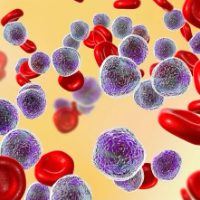
Childhood Leukemia
Cancer Conditions
Childhood Leukemia Leukemia is the most common type of cancer in children and teens. Among children and teens diagnosed with cancer, 1 in 3 will have a type of leukemia. About childhood leukemia Leukemias are cancers of the blood cells. Leukemia most often occurs in the earliest forms of white blood cells. The center of our bones, called the bone marrow , makes our red blood cells, white blood cells, and platelets. When leukemia occurs, cancer cells multiply in the bone marrow. As the cancer cells build up, they crowd out the normal cells. When this happens, leukemia cells can spill into the bloodstream and the bone marrow can have a tough time making enough normal cells. This can cause people with leukemia to have symptoms like low energy, bone pain, infections, easy bleeding, or bruising. Sometimes leukemia can spread to other parts of the body such as the lymph nodes, spleen, liver, central nervous system (the brain and spinal cord), testicles, or other organs. Some other childhood cancers, such as neuroblastoma or rhabdomyosarcoma , start in other organs and can spread to the bone marrow, but these cancers are not leukemia. Types of leukemia in children There are a few types of leukemia that affect children. The type of leukemia a child has plays a key role in how it is treated and the child’s outlook (prognosis). To diagnose leukemia, testing on samples of the blood, bone marrow, cerebrospinal fluid (CSF), and sometimes lymph nodes may be needed. Be sure to ask the health care team if you have any questions about your child’s leukemia diagnosis. The different types of leukemia are based on: If the leukemia is acute (fast growing) or chronic (slower growing) If the leukemia starts in lymphoid cells or myeloid cells, both of which are types of immune cells that are made in the bone marrow Acute leukemias Most childhood leukemias are acute. These leukemias grow quickly and often need treatment right away. The main types of acute leukemia are acute lymphoblastic leukemia (ALL) and acute myeloid leukemia (AML). In rare cases, acute leukemia can have features of both ALL and AML. When this happens, it is called a mixed phenotype acute leukemia (MPAL). Acute lymphoblastic (lymphocytic) leukemia (ALL) Acute myeloid leukemia (AML) Chronic leukemias Chronic leukemias are rare in children. These leukemias tend to grow more slowly than acute leukemias. There are two main types of chronic leukemias in children, chronic lymphocytic leukemia (CLL) and chronic myeloid leukemia (CML). Chronic lymphocytic leukemia (CLL) Chronic myeloid leukemia (CML) Juvenile myelomonocytic leukemia (JMML) JMML is a rare type of leukemia that is neither chronic nor acute. It usually does not grow as fast as AML or as slowly as CML. It occurs most often in young children (average age of 2 years). Symptoms can include pale skin, fever, cough, easy bruising or bleeding, trouble breathing (from too many white blood cells in the lungs), rash, and enlarged spleen, liver, and/or lymph nodes. JMML is often caused by gene changes that affect the RAS/MAPK pathway. It can also be associated with Neurofibromatosis type 1 , a family cancer syndrome, and Noonan syndrome, a rare inherited condition that affects how children grow and develop. For more detailed information, see Prognostic Factors and Survival Rates for Childhood Leukemia . For more detailed information on the treatment of JMML in children, see Juvenile Myelomonocytic Leukemia Treatment . Questions To Ask Your Child’s Cancer Care Team Cancer care for children is complex. Many healthcare professionals will be involved in caring for your child, so open, honest, and clear communication is crucial. Children with cancer and their families often build strong bonds with the cancer care team. But there still might be times when communication is challenging. Knowing who to talk to about specific issues and how to communicate your frustrations or concerns will help the cancer care team understand your needs. Who is on the cancer care team? Your child’s cancer care team includes experts who understand the differences between adult and childhood cancers, as well as the unique needs of children with cancer and their families. They work together to give support and care throughout the cancer journey. This team usually includes: Pediatric oncologists: Doctors who use medicines to treat children with cancer Pediatric surgeons: Doctors who perform surgery in children Radiation oncologists: Doctors who use radiation to treat cancer Pediatric oncology nurses: Nurses who specialize in caring for children with cancer. Certified Pediatric Oncology Nurses (CPON): Nurses who specialize in working with pediatric cancer patients and has passed a certification exam. Nurse practitioners (NPs) and physician assistants (PAs): Health professionals who are specially trained and licensed to practice medicine alongside doctors. Recreational therapists or child life specialists: Health care team members who help kids with activities to stay healthy and happy. The team can also include many other health professionals . Children’s cancer centers often have psychologists, social workers, nutritionists, rehabilitation and physical therapists, and educators who can support and care for the entire family. Building trust through family meetings Building trust takes time, especially when it involves your child. Tell the cancer care team how much information you want and how you would like updates to be given. Having a family meeting can be another way to build trust. In a family meeting, you can sit down with core members of the cancer care team. This way, you can make sure everyone has the same information, ask questions, and tell them what you need extra help with. Taking an active role As a parent or caregiver, you are an invaluable member of the care team. You know your child better than anyone. When you bring your experience and knowledge and the cancer care team brings their expertise and skills, together you can create a plan that is best for your child. These tips can help you communicate effectively and take an active role in your child’s care: Give clear, direct, and honest information about your child. Keep a notebook or log of hospitalizations, tests, and treatments. Keep a list of questions in your notebook and bring it to appointments or the hospital. Take notes or bring someone with you to take notes when having important talks with your child’s cancer team. Sign a release of information if you want your child’s cancer care team to be able to share medical information with other family members or care facilities. If communication is difficult Most of the time, children with cancer and their families develop a bond with the doctors, nurses, and other members of their cancer care team. But sometimes, personalities and styles may clash, and things may not always go smoothly. If you have any worries or doubts about your child’s cancer care or plans, ask if you can discuss them more or how to get a second opinion. Ask for a family meeting. If you are feeling frustrated or disagree with a certain person on the cancer care team, try speaking with them. There might be a misunderstanding on both sides that can be resolved just by having a conversation. If you’ve spoken to them and still have concerns, ask another team member how to report your concerns. Written by References Additional Information Key Statistics for Childhood Leukemia The American Cancer Society's most recent estimates and statistics for childhood leukemia in the United States are located here. Causes, Risk Factors, and Prevention of Childhood Leukemia Learn about the risk factors for childhood leukemia and if there are things that can be done to help lower the risk. Early Detection, Diagnosis, and Prognosis of Childhood Leukemia Learn about the signs and symptoms of childhood leukemia, the tests that may be done for it, and the outlook for those with a diagnosis. Treating Childhood Leukemia If your child is facing childhood leukemia, we can help you learn about the treatment options and possible side effects and point you to information and services to help. After Treatment for Childhood Leukemia Get information about how to live well after childhood leukemia treatment and make decisions about next steps. Childhood cancer factsheet Chemotherapy for Childhood Leukemia Chemotherapy (chemo) is a treatment of cancer-killing drugs used to kill childhood leukemia cells. Learn more about chemotherapy here. Targeted Therapy Drugs for Childhood Leukemia Targeted drugs work differently than standard chemotherapy drugs. These drugs can be helpful in treating some types of childhood leukemia. Learn more here. Immunotherapy for Childhood Leukemia Immunotherapy drugs work by stimulating the child's immune system to fight leukemia. Learn more here. High-dose Chemotherapy and Stem Cell Transplant for Childhood Leukemia A stem cell transplant (SCT) allows doctors to use higher doses of chemo to kill childhood leukemia cells. Surgery for Childhood Leukemia Surgery has a very limited role in the treatment of childhood leukemia. Learn about when surgery might be used here. Radiation Therapy for Childhood Leukemia Radiation therapy is a treatment that uses high-energy rays or particles to destroy childhood leukemia cells. Learn more here. Source: https://www.cancer.org/cancer/types/leukemia-in-children.html
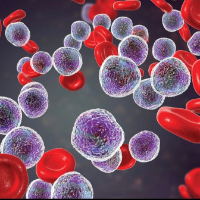
Chronic Lymphocytic Leukemia (CLL)
Cancer Conditions
Chronic Lymphocytic Leukemia (CLL) Chronic lymphocytic leukemia (CLL) is a type of cancer that starts in white blood cells (called lymphocytes) in the bone marrow. CLL mainly affects older adults and accounts for about one-third of all leukemias. What Is Chronic Lymphocytic Leukemia (CLL)? Chronic lymphocytic leukemia (CLL) is one of the most common types of leukemia in adults. It's a type of cancer that starts in early forms of certain white blood cells (called lymphocytes ) in the bone marrow. The cancer (leukemia) cells start in the bone marrow but then go into the blood. In CLL, the leukemia cells often build up slowly. Many people with CLL don't have any symptoms for at least a few years. But over time, the cells can build up and spread to other parts of the body including the lymph nodes, liver, and spleen. What Is Cancer? Cancer starts when cells in the body begin to grow out of control. Cells in nearly any part of the body can become cancer cells. Learn more here. What is leukemia? Leukemia is cancer that starts in the blood-forming cells of your bone marrow. When one of these blood-forming cells changes and becomes a leukemia cell, it no longer matures the way it should and grows out of control. Often, it divides to make new cells faster than normal. Leukemia cells also don't die when they should. This allows them to build up in your bone marrow, crowding out normal cells. At some point, leukemia cells leave the bone marrow and spill into the bloodstream. This increases the number of white blood cells in your blood. Once leukemia cells are in your blood, they can spread to other organs, where they can prevent other cells in your body from working normally. Knowing the exact type of leukemia you have will help your cancer care team better predict your outlook and select the best treatment. What is a chronic leukemia? Leukemia is either chronic or acute . Chronic leukemia is slower growing. Acute leukemia grows more quickly. CLL is a chronic (slower growing) leukemia. In a chronic leukemia, the leukemia cells can mature partly, but they don't mature completely. They are more like normal white blood cells than the cells of acute leukemias. These cells may look fairly normal, but they're not. They generally don't fight infection as well as normal white blood cells do. The leukemia cells typically survive longer than normal cells. They build up over time, crowding out normal cells in the bone marrow. It can take a long time before chronic leukemia causes problems. Most people can live with it for many years. But chronic leukemias tend to be harder to cure than acute leukemias. What is a lymphocytic leukemia? Leukemia is either myeloid or lymphocytic , depending on which bone marrow cells the cancer starts in. CLL is a lymphocytic leukemia. Lymphocytic leukemias (also known as lymphoid or lymphoblastic leukemias) start in the bone marrow cells that would normally become white blood cells called lymphocytes . Lymphomas are also cancers that start in early forms of lymphocytes. The main difference between lymphocytic leukemia and lymphoma is that in leukemia, the cancer cells are mainly in the bone marrow and blood. In lymphoma, the cancer cells tend to be in lymph nodes and other body tissues. Types of chronic lymphocytic leukemia (CLL) There are different types of chronic lymphocytic leukemia (CLL), based on some of the gene changes inside the cells: One type of CLL tends to grow very slowly, so it may be a long time before a person needs treatment. Another type of CLL tends to grow faster and doesn't respond as well to certain kinds of treatments. Lab tests can be done on the leukemia cells to tell which type of CLL you have. These tests look for changes in the leukemia cells. If the CLL cells have either a deletion of part of chromosome 17 (written as del(17p)) or a mutation in the TP53 gene , the leukemia tends to grow faster and might be harder to treat with certain types of medicines. This might affect your treatment options . The TP53 gene is on chromosome 17, so both tests are actually looking for changes in this gene, which normally helps keep cell growth under control. Other gene and chromosome changes inside the CLL cells can also be important, such as having an extra copy of chromosome 12 (trisomy 12). To learn more, see Chronic Lymphocytic Leukemia (CLL) Stages . Small lymphocytic lymphoma (SLL) CLL and small lymphocytic lymphoma (SLL) can be thought of as different versions of the same disease, so much so that they are often grouped together (as CLL/SLL). The cancer cells of SLL and CLL look the same under the microscope. They also have the same gene mutations and the same marker proteins on the surface of the cells. The main difference between SLL and CLL is the location of most of the cancer cells in the body: CLL is mainly in the blood and bone marrow. SLL is mainly in the lymph nodes and spleen (and sometimes other organs). SLL and CLL are treated in basically the same way. Rare forms of lymphocytic leukemia The common form of CLL starts in B lymphocytes. But there are a few rare types of lymphocytic leukemia that share some features with CLL. Prolymphocytic leukemia (PLL) In this type of leukemia, the cancer cells are a lot like normal cells called prolymphocytes . These are immature forms of either B lymphocytes (B-PLL) or T lymphocytes (T-PLL). Both B-PLL and T-PLL tend to grow and spread faster than the usual type of CLL. They often respond to some form of treatment, but over time the leukemia tends to come back. PLL may develop in someone who already has CLL. When this happens, it tends to be more aggressive. But it can also develop in people who have never had CLL. Large granular lymphocytic (LGL) leukemia In this rare form of chronic leukemia, the cancer cells are large and have features of either T lymphocytes or another type of lymphocyte called natural killer (NK) cells . Most LGL leukemias are slow growing, but a small number can grow and spread quickly. Drugs that suppress the immune system may help, but the aggressive types of leukemia can be hard to treat. Hairy cell leukemia (HCL) This type of leukemia gets its name from the way the cells look under the microscope. They have thin projections on their surface that make them look "hairy." This is a rare cancer of the lymphocytes that tends to progress slowly. The cancer cells are a type of B lymphocyte, but they're different from those seen in CLL. There are also important differences in symptoms and treatment. Treatment for HCL is usually successful. Questions to Ask Your Doctor About Chronic Lymphocytic Leukemia (CLL) As you cope with chronic lymphocytic leukemia (CLL) and treatment, it’s important to have honest, open discussions with your cancer care team. You should feel comfortable asking about anything, no matter how small it might seem. Below are some questions to consider asking about your CLL. Questions to ask when you're told you have CLL What is the stage (risk group) of the CLL, and what does that mean for me? Will I need to have other tests before we can decide on treatment? What vaccinations should I get before starting treatment? How much experience do you have treating this type of cancer? Should I get a second opinion? Can you recommend a doctor or cancer center? Questions to ask when deciding on a treatment plan for CLL Should I start treatment now? Why or why not? If I start treatment early, will it improve my overall survival? What are my treatment choices ? What do you recommend, and why? What are the risks and side effects of the treatments that you recommend? How often will you test my blood or bone marrow to see how treatment is working? What should I do to be ready for treatment? How long will treatment last? What will it be like? Where will it be done? How will treatment affect my daily activities? Can I continue to work or travel during treatment? What is the outlook for my survival? Questions to ask during treatment for CLL Once treatment begins, you’ll need to know what to expect and what to look for. Not all of these questions may apply to you, but getting answers to the ones that do can be helpful. How will we know if the treatment is working? Is there anything I can do to help manage side effects? What symptoms or side effects should I tell you about right away? How can I reach your office on nights, holidays, or weekends? Are there any limits on what I can do? Can you suggest a mental health professional I can see if I start to feel overwhelmed, depressed, or distressed? Questions to ask after treatment for CLL What symptoms should I watch for? What type of follow-up will I need after treatment? What will we do if the treatment doesn't work or if the leukemia comes back? When can I return to my normal activities? Be sure to write down any questions you have that aren’t on this list. For instance, you might want to ask about how you'll feel so that you can plan your work or activity schedule. Or you may want to ask about clinical trials that might be right for you. Remembering what the doctor says It can be hard to remember all of the things you’re told at each doctor’s visit, especially when you’re anxious or afraid. Even if the doctor carefully explains things, you might not hear or remember all that’s said or shown to you. Here are some ways to help you remember everything your doctor tells you. Take notes on what your doctor says. Ask if you can record your talks. Take a family member or friend with you. Ask them to take notes and remind you of questions you want to ask, so you can focus on listening and talking directly with the doctor. Doctors aren’t the only ones who can give you information. Other health care professionals, such as nurses and social workers, can answer a lot of your questions. To find out more about speaking with your health care team, see The Doctor-Patient Relationship . Additional Information About Chronic Lymphocytic Leukemia What Is Chronic Lymphocytic Leukemia (CLL)? Normal Bone Marrow, Blood, and Lymphoid Tissue Key Statistics for Chronic Lymphocytic Leukemia (CLL) What's New in Chronic Lymphocytic Leukemia (CLL) Research? Causes, Risk Factors, and Prevention Early Detection, Diagnosis, and Staging Treating Chronic Lymphocytic Leukemia (CLL) After Treatment Can Chronic Lymphocytic Leukemia (CLL) Be Found Early? Signs and Symptoms of Chronic Lymphocytic Leukemia (CLL) Tests for Chronic Lymphocytic Leukemia (CLL) Chronic Lymphocytic Leukemia (CLL) Stages Targeted Therapy Drugs for Chronic Lymphocytic Leukemia (CLL) Immunotherapy for Chronic Lymphocytic Leukemia (CLL) Chemotherapy for Chronic Lymphocytic Leukemia (CLL) Supportive or Palliative Care for Chronic Lymphocytic Leukemia (CLL) Stem Cell Transplant for Chronic Lymphocytic Leukemia (CLL) Surgery for Chronic Lymphocytic Leukemia (CLL) Radiation Therapy for Chronic Lymphocytic Leukemia (CLL) Typical Treatment of Chronic Lymphocytic Leukemia (CLL) Treating Hairy Cell Leukemia (HCL) Health Professionals Who Are Part of a Cancer Care Team Source: https://www.cancer.org/cancer/types/chronic-lymphocytic-leukemia.html
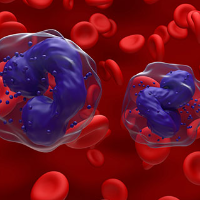
Chronic Myeloid Leukemia (CML)
Cancer Conditions
Chronic Myeloid Leukemia (CML) Chronic myeloid leukemia (CML) is also known as chronic myelogenous leukemia. It's a type of cancer that starts in the blood-forming cells of the bone marrow and invades the blood. About 15% of leukemias in adults are CML. What Is Chronic Myeloid Leukemia (CML)? Chronic myeloid leukemia (CML) is a type of cancer that starts in certain blood-forming cells of the bone marrow (the soft, spongy tissue in the middle of certain bones). It is also known as chronic myelogenous leukemia. CML happens mostly in adults, but very rarely it happens in children, too. In general, treatment for CML in children is the same as for adults. What Is Cancer? Cancer starts when cells in the body begin to grow out of control. Cells in nearly any part of the body can become cancer cells. Learn more here. How CML starts CML starts in early forms of white blood cells, which normally help your body fight infections. In CML, the leukemia cells have an abnormal gene called BCR::ABL1 , which causes them to grow out of control. (See What Causes Chronic Myeloid Leukemia .) The leukemia cells in CML build up in your bone marrow (where new blood cells are made) and then enter your blood. In time, the cells can also settle in other parts of your body, including your spleen. CML tends to be a fairly slow-growing leukemia, but sometimes it changes into a fast-growing acute leukemia that can be hard to treat. What is leukemia? All leukemias, including CML, start in the blood-forming cells of the bone marrow . Normally, these blood-forming cells mature, do their jobs, and then die off. But when one of these cells develops mutations (changes) in its DNA and becomes a leukemia cell, it no longer matures the way it should. Leukemia cells also don't die when they should. They build up in your bone marrow and crowd out normal cells. At some point, leukemia cells leave the bone marrow and spill into your bloodstream. This increases the number of white blood cells in your blood. Once they are in your blood, leukemia cells can spread to other organs, where they can keep other cells in your body from working normally. Knowing the exact type of leukemia you have will help your cancer care team better predict your prognosis (outlook) and plan the best treatment. What is a chronic leukemia? Leukemia is either chronic or acute . Chronic leukemia is slower growing. Acute leukemia grows more quickly. CML is a chronic (slower growing) leukemia. In a chronic leukemia, the cells mature partly, but they don't mature completely. They are more like normal white blood cells than the cells of acute leukemias. These cells may look fairly normal, but they're not. They generally don’t fight infection as well as normal white blood cells. The leukemia cells also live longer than normal cells. They build up over time, crowding out normal cells in the bone marrow. It can take a long time before chronic leukemia causes problems. Most people can live with it for many years. But chronic leukemias tend to be harder to cure than acute leukemias. What is a myeloid leukemia? Leukemia is also either lymphocytic or myeloid , depending on which bone marrow cells the cancer starts in. Lymphocytic leukemias start in cells that would normally become white blood cells called lymphocytes. These leukemias are also known as lymphoid or lymphoblastic leukemias. Myeloid leukemias start in early myeloid cells — the cells that become white blood cells (other than lymphocytes), red blood cells, or platelet-making cells (megakaryocytes). These leukemias are also known as myelocytic, myelogenous, or non-lymphocytic leukemias. CML is a myeloid leukemia. It starts in early forms of myeloid cells. To learn more about myeloid cells and how they mature, see Bone Marrow and Blood Cells . Questions To Ask Your Doctor About Chronic Myeloid Leukemia (CML) As you cope with chronic myeloid leukemia (CML) and treatment, it’s important to have honest, open discussions with your cancer care team. You should feel comfortable asking about anything, no matter how small it might seem. Below are some questions to consider asking about your CML. Questions to ask when you're told you have CML How do you know I have CML? Will I need other tests before we can decide on treatment? What is the phase of my CML , and what does that mean for me? Are there other factors that might affect my outlook or my treatment options? How much experience do you have treating this type of leukemia? Should I get a second opinion? Can you recommend a doctor or cancer center? Questions to ask when deciding on a treatment plan for CML What are my treatment choices ? What do you recommend, and why? How is the treatment given? What are the risks and side effects of treatment? Can I continue to work, travel, or do other daily activities during treatment? What should I do to be ready for treatment? What is the outlook for my survival? Questions to ask during treatment for CML Once treatment begins, you’ll need to know what to expect and what to look for. Not all of these questions may apply to you, but getting answers to the ones that do can be helpful. How often will you test my blood or bone marrow to see how well treatment is working? Is there anything I can do to help manage side effects? What symptoms or side effects should I tell you about right away? How can I reach your office on nights, holidays, or weekends? Is there a chance I could come off treatment at some point? How will we know if this is possible? What would our options be if the treatment doesn't work, or if it stops working at some point? Are there any limits on what I can do? Can you suggest a mental health professional I can see if I start to feel overwhelmed, depressed, or distressed? Questions to ask after treatment for CML Most people need to stay on treatment for their CML indefinitely. But some people might be able to try stopping treatment for a time while being watched closely to see if the CML comes back. What symptoms should I watch for? What type of follow-up will I need after treatment? What will we do if the leukemia comes back? Be sure to write down any questions you have that aren’t on this list. For example, you might ask how treatment will make you feel, so you can plan your work or activity schedule. Or you may want to ask about clinical trials. Remembering what the doctor says It can be hard to remember everything you’re told at each doctor’s visit, especially when you’re anxious or afraid. Even if the doctor carefully explains things, you might not hear or remember it all. Here are some ways to help you remember everything your doctor tells you. Take notes on what your doctor says. Ask if you can record your talks. Take a family member or friend with you. Ask them to take notes and remind you of questions you want to ask so you can focus on listening and talking directly with the doctor. Doctors aren’t the only ones who can give you information. Other health care professionals, such as nurses and social workers, can answer a lot of your questions. To find out more about speaking with your health care team, see The Doctor-Patient Relationship . Additional Information About Chronic Myeloid Leukemia (CML) What Is Chronic Myeloid Leukemia? Normal Bone Marrow and Blood Key Statistics for Chronic Myeloid Leukemia What's New in Chronic Myeloid Leukemia Research? Causes, Risk Factors, and Prevention Early Detection, Diagnosis, and Staging Treating Chronic Myeloid Leukemia After Treatment Can Chronic Myeloid Leukemia (CML) Be Found Early? Signs and Symptoms of Chronic Myeloid Leukemia Tests for Chronic Myeloid Leukemia Phases and Risk Scores for Chronic Myeloid Leukemia Targeted Therapy Drugs for Chronic Myeloid Leukemia Interferon Therapy for Chronic Myeloid Leukemia Radiation Therapy for Chronic Myeloid Leukemia Surgery for Chronic Myeloid Leukemia Stem Cell Transplant for Chronic Myeloid Leukemia Treating Chronic Myeloid Leukemia by Phase How Do You Know If Treatment for Chronic Myeloid Leukemia Is Working? Health Professionals Who Are Part of a Cancer Care Team Source: https://www.cancer.org/cancer/types/chronic-myeloid-leukemia.html
Chronic Myelomonocytic Leukemia
Cancer Conditions
Chronic Myelomonocytic Leukemia Chronic myelomonocytic leukemia (CMML) is a type of cancer that starts in blood-forming cells of the bone marrow and invades the blood. It affects mainly older adults. What Is Chronic Myelomonocytic Leukemia (CMML)? Chronic myelomonocytic leukemia (CMML) is a rare type of blood cancer. It starts in blood-forming cells in the bone marrow. CMML is slow growing, but over time the leukemia cells can spill out into the blood and reach other parts of the body, such as the spleen. About 15% to 30% of people with CMML go on to develop acute myeloid leukemia (AML). What Is Cancer? Cancer starts when cells in the body begin to grow out of control. Cells in nearly any part of the body can become cancer cells. Learn more here. How CMML starts CMML starts when blood-forming cells (known as blood stem cells ) mutate and stop working correctly. New blood cells are formed in your bone marrow. A small fraction of these blood-forming cells are blood stem cells . These stem cells are needed to make new cells. When a stem cell divides, it makes 2 cells: one that stays as a stem cell and another that keeps changing and dividing to make blood cells. Blood cells that might be affected by CMML There are 3 main types of blood cells: red blood cells, white blood cells, and platelets. Red blood cells Red blood cells pick up oxygen in the lungs and carry it to the rest of the body. These cells also bring carbon dioxide back to the lungs. White blood cells White blood cells, (also called leukocytes ) help the body fight infection. There are several different types of white blood cells. Lymphocytes are immune cells in the bone marrow, blood, and lymph nodes . Some kinds of lymphocytes make antibodies that help your body fight germs. Other kinds kill invading germs by making toxic substances that damage them. Granulocytes are white blood cells that destroy bacteria. They contain granules that are made up of enzymes and other substances that can destroy germs. Types of granulocytes include neutrophils, basophils, and eosinophils. Monocytes also help protect the body against germs. The early cells in the bone marrow that turn into monocytes are called monoblasts . When monocytes leave your bloodstream and go into body tissues, they become macrophages , which can destroy germs by surrounding and digesting them. Monocytes are the type of blood cell most affected in people with CMML. Platelets Platelets are small pieces that break off from a large cell in the bone marrow called a megakaryocyte . Platelets help your blood to clot by plugging up damaged areas of blood vessels. Features of chronic myelomonocytic leukemia CMML belongs to a group of blood disorders known as myelodysplastic/myeloproliferative neoplasms (MDS/MPNs) . MDS/MPNs have 2 types of features: Myelodysplastic: The blood stem cells in these conditions don’t mature into healthy, mature blood cells (red blood cells, white blood cells, or platelets). The immature blood cells (blasts) don’t work the way they should, and they tend to die quickly. Myeloproliferative: Too many blood stem cells become one or more type of blood cell, resulting in too many of these types of cells. The number of these blood cells goes up slowly over time. CMML is often divided into 2 subtypes, based on whether myelodysplastic or myeloproliferative features are more prominent. To learn more, see Chronic Myelomonocytic Leukemia (CMML) Subtypes, Stages, and Risk Groups . The main problem in people with CMML is having too many monocytes (at least 500 per mm3 or per uL of blood). Often, the monocyte count is much higher, causing a person’s total white blood cell count to become very high as well. People with CMML also tend to have too few of at least one other type of blood cell. This is known as a cytopenia . They might have too few red blood cells ( anemia ), too few neutrophils ( neutropenia ), and/or too few platelets ( thrombocytopenia ). Very early forms of blood cells, called blasts , make up no more than 20% of the cells in the blood and bone marrow in people with CMML. Many people with CMML have an enlarged spleen (an organ that lies just below the left rib cage). The DNA inside the CMML cells does not have certain gene changes that are typically seen in other blood disorders, such as the BCR/ABL1 gene change (Philadelphia chromosome) that is seen in the cells of chronic myeloid leukemia (CML). For more about these gene changes, see Tests for Chronic Myelomonocytic Leukemia . Questions to Ask Your Doctor About Chronic Myelomonocytic Leukemia (CMML) If you’ve been diagnosed with chronic myelomonocytic leukemia (CMML), it is important to have frank, open, and honest discussions with your doctor about your condition. Your doctor and the rest of your cancer care team want to answer all of your questions. Below is a list of questions to consider asking about your CMML. When you’re told you have CMML How sure are you about the diagnosis of CMML? Can you explain what CMML is? Do I need any other tests before we can decide on treatment? Do I need to see any other types of doctors? Which risk group does my CMML fall into? How might this affect my prognosis and treatment options? Are there other factors that could affect my outlook or treatment options? If I’m concerned about the costs and insurance coverage for my diagnosis and treatment, who can help me? When deciding on a treatment plan How much experience do you have treating CMML? What treatment choices do I have? Do we need to start treatment right away? Which treatment, if any, do you recommend? Why? What is the goal of this treatment? Should I get a second opinion before starting treatment? Can you suggest a doctor or cancer center? What should I do to be ready for treatment? How long will treatment last? What will it be like? Where will it be done? What are the risks or side effects of the treatments that you recommend? How long are these side effects likely to last? Will treatment affect my daily activities? What is the outlook for my survival? During and after treatment Once treatment begins, you’ll need to know what to expect and what to look for. Not all of these questions may apply to you, but getting answers to the ones that do could be helpful. How will we know if the treatment is working? What type of follow-up will I need during and after treatment? Is there anything I can do to help manage side effects? What symptoms or side effects should I tell you about right away? How can I reach you on nights, holidays, or weekends? Do I need to change what I eat during treatment? Are there any limits on what I can do? Should I exercise? What should I do, and how often? Can you suggest a mental health professional I can see if I start to feel overwhelmed, depressed, or distressed? What would my options be if the treatment isn’t working? Where can I find more information and support? Along with these sample questions, be sure to write down any others you want to ask. For example, you might want to ask if any clinical trials might be right for you. Keep in mind that doctors aren’t the only ones who can give you information. Other health care professionals, such as nurses and social workers, can answer some of your questions. To learn more about speaking with your health care team, see The Doctor-Patient Relationship . Additional Information About Chronic Myelomonocytic Leukemia What Is Chronic Myelomonocytic Leukemia (CMML)? Key Statistics About Chronic Myelomonocytic Leukemia What's New in Chronic Myelomonocytic Leukemia (CMML) Research and Treatment? Causes, Risk Factors, and Prevention Early Detection, Diagnosis, and Staging Treating Chronic Myelomonocytic Leukemia (CMML) After Treatment Supportive Therapy for People with Chronic Myelomonocytic Leukemia (CMML) Chemotherapy for Chronic Myelomonocytic Leukemia (CMML) Radiation Therapy for Chronic Myelomonocytic Leukemia (CMML) Surgery for Chronic Myelomonocytic Leukemia (CMML) Stem Cell Transplant for Chronic Myelomonocytic Leukemia (CMML) General Approach to Treating Chronic Myelomonocytic Leukemia (CMML) Health Professionals Who Are Part of a Cancer Care Team Source: https://www.cancer.org/cancer/types/chronic-myelomonocytic-leukemia.html